NEED SUPPORT WITH YOUR ORDER? Get in touch
Not satisfied with your purchase?
Enter your Order ID on website, and we'll resolve it right away.

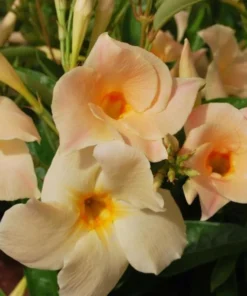
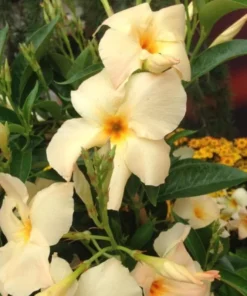
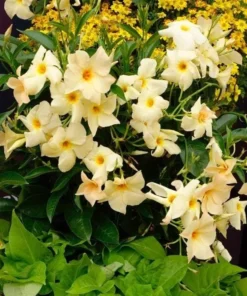
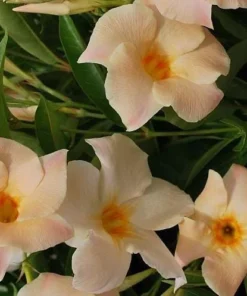
Original price was: $43.99.$23.99Current price is: $23.99.
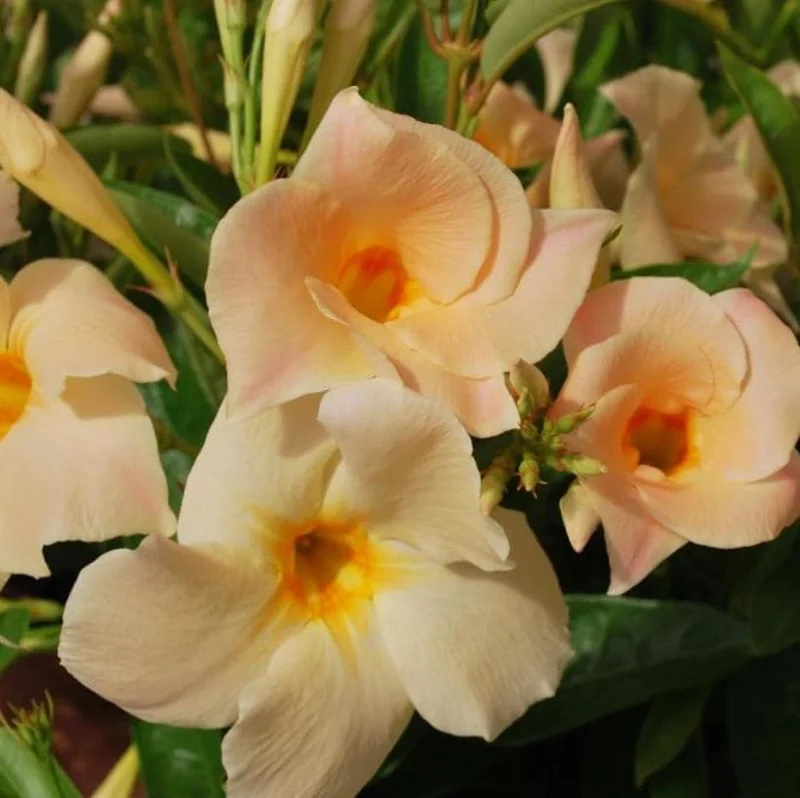
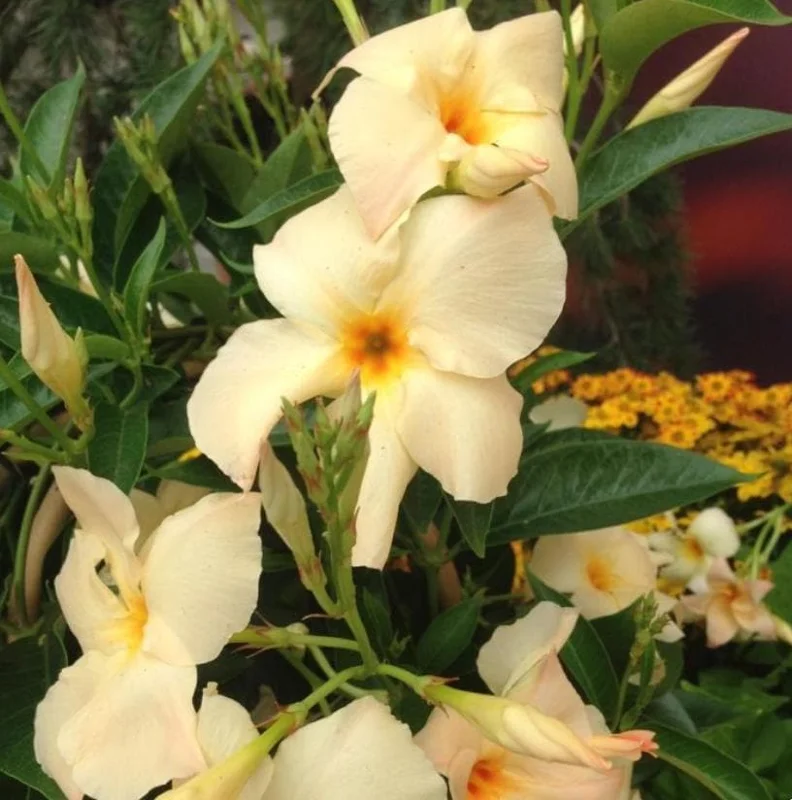
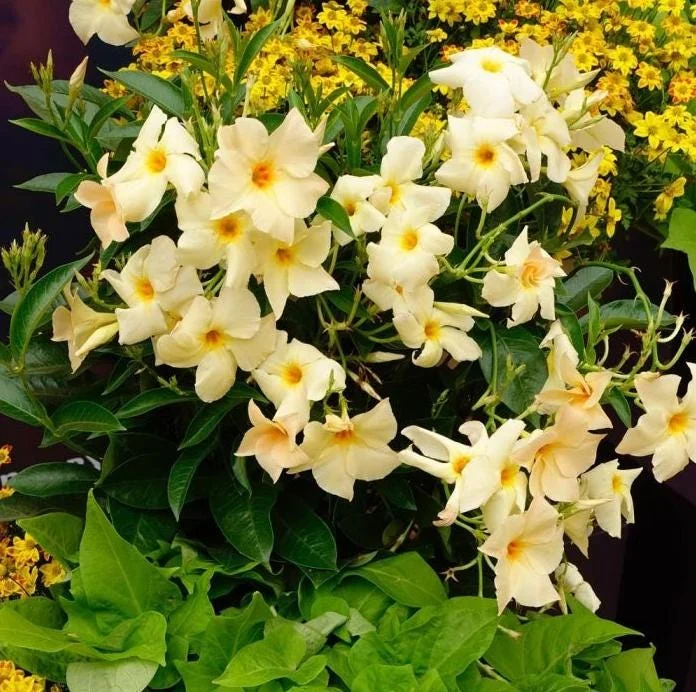
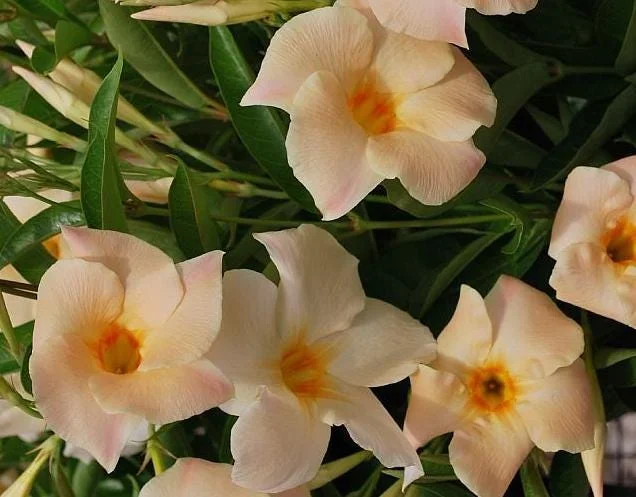
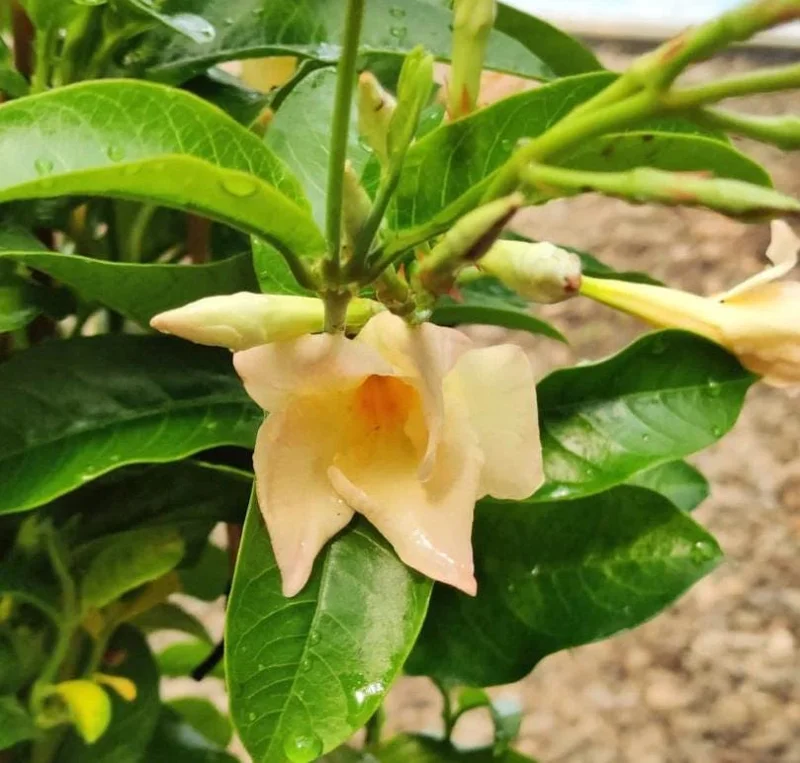
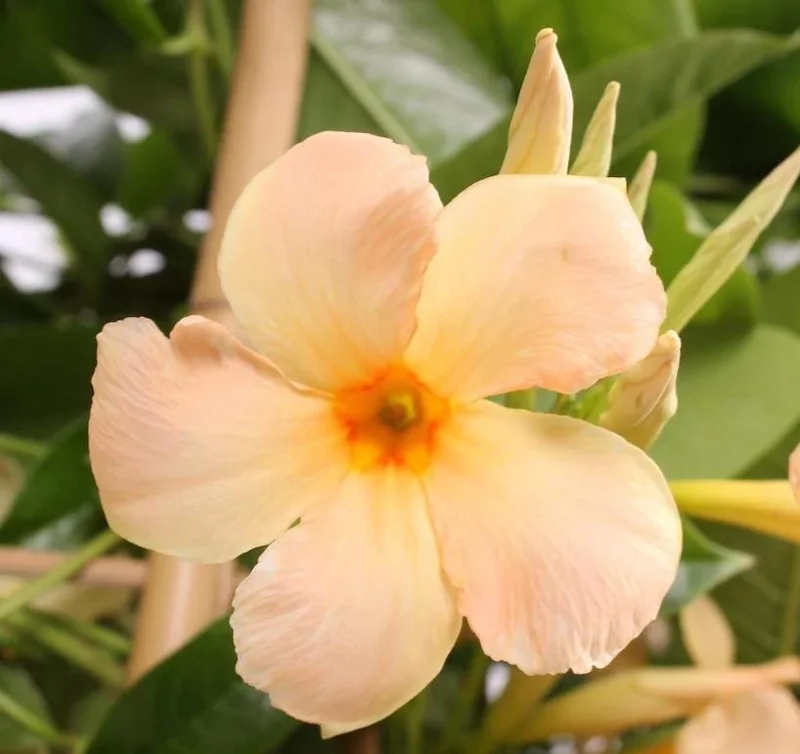
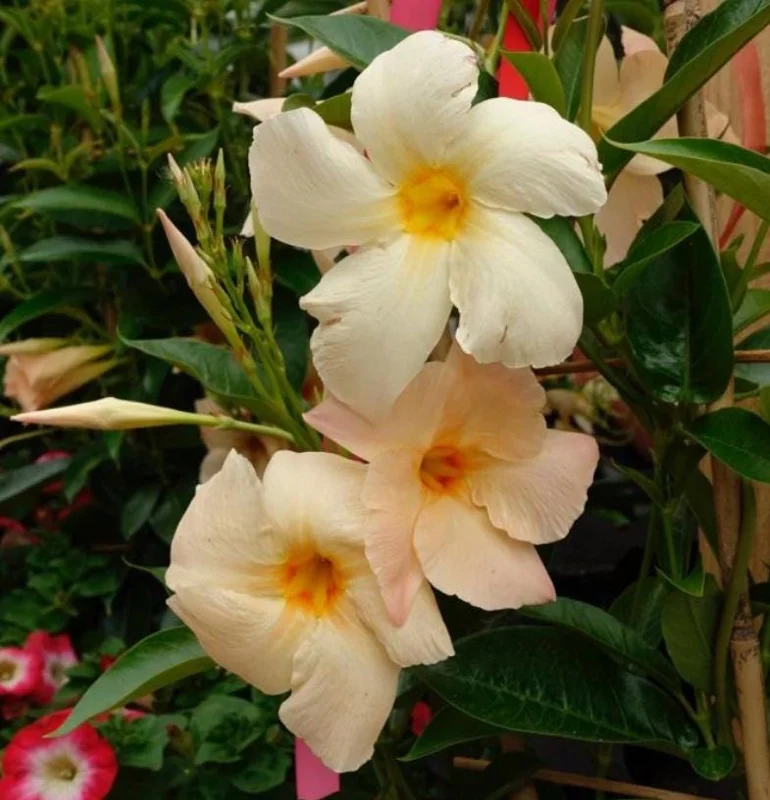
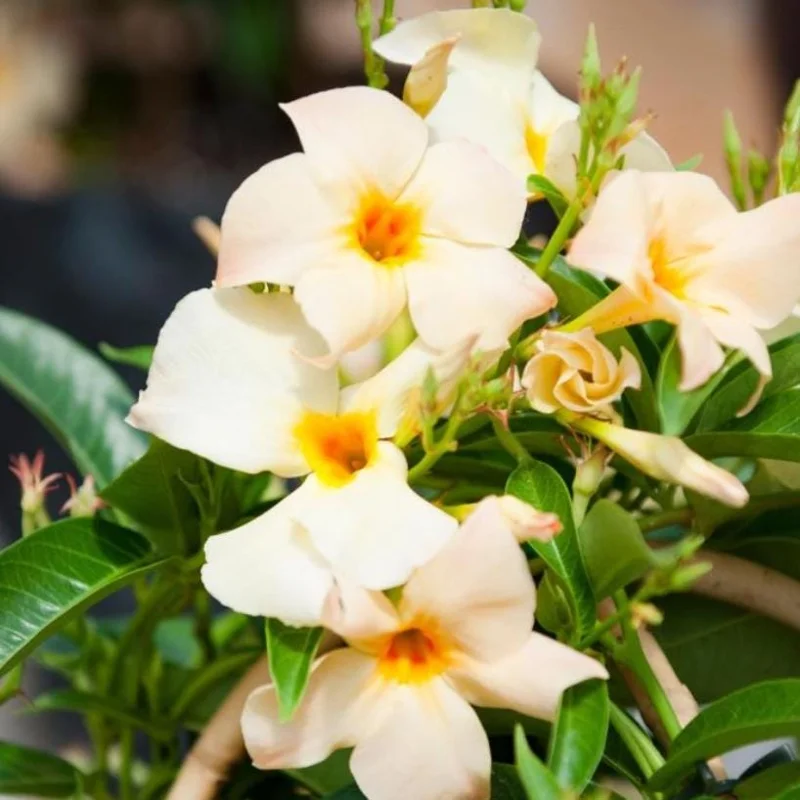
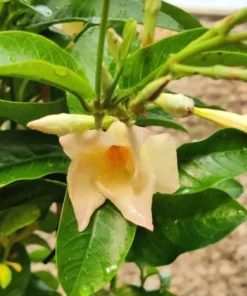
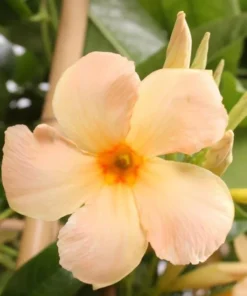
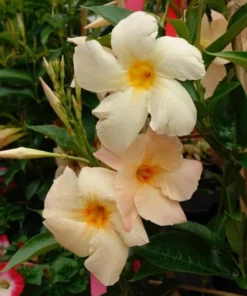
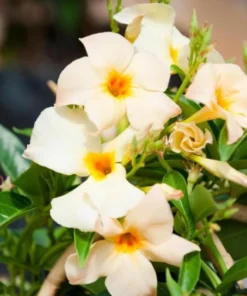
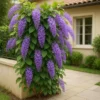
Bring tropical beauty to your space with a mandevilla vine live plant. This stunning tropical flowering vine boasts bright, funnel-shaped flowers and glossy foliage, ideal for adding vertical interest to gardens or patios. Easy to grow in warm climates, it’s a perfect choice for vibrant, continuous blooms.
Feb 04
Feb 09 - Feb 11
Feb 14 - Feb 18
USDA Hardiness Zone
Soil Type
Sunlight Exposure
Expected Planting Period
Shipping and return policies: Our Alive & Thrive Guarantee covers issues with your plants within the first 30 days. Get in touch with us via email, and our team will review your concerns and, if necessary, provide you with a one-time replacement at no cost.
If you're unsure about your hardiness zone, feel free to reach out to us. Our team will answer your questions and help you find the plants that are truly suitable for your environment, climate, and personal preferences.
Introducing the exquisite mandevilla vine live plant, a true jewel for any garden or patio. Known for its spectacular, trumpet-shaped flowers and lush, glossy green leaves, this tropical beauty, often referred to as Brazilian Jasmine or Dipladenia, brings an instant touch of the tropics to your home. Whether you’re an experienced gardener or just starting, the Mandevilla offers a rewarding growing experience with its vibrant blooms that can last from spring through fall. This particular offering provides a healthy, young mandevilla vine live plant, typically measuring 5-9 inches tall, ready to establish itself and transform your outdoor space into a colorful oasis. Its climbing habit makes it perfect for trellises, arbors, or hanging baskets, allowing you to create stunning vertical displays of color.
The Mandevilla (Mandevilla spp.) is a genus of flowering plants in the dogbane family, Apocynaceae. Native to tropical and subtropical regions of North and South America, these plants are celebrated for their showy, funnel-shaped flowers, which come in shades of pink, red, white, and yellow. Our mandevilla vine live plant is carefully cultivated to ensure robust growth and abundant flowering, providing a spectacular focal point wherever it’s placed. Its vigorous growth and continuous blooming make it a favorite among gardeners seeking long-lasting floral displays.
The mandevilla vine live plant offers a multitude of benefits, making it an excellent choice for enhancing your living space, both indoors and out. Its captivating beauty and relatively easy care requirements contribute to its widespread popularity.
Proper mandevilla plant care ensures a healthy, thriving vine with abundant blooms. This tropical flowering vine prefers specific conditions to reach its full potential. For successful growth, providing the right environment from the start is crucial.
Sunlight: Mandevillas thrive in full sun, meaning at least 6 hours of direct sunlight daily. In hotter climates, some afternoon shade can prevent leaf scorch. If growing indoors, place your mandevilla vine live plant in a south-facing window where it can receive bright, indirect light for most of the day, or supplement with grow lights. Adequate light is essential for prolific blooming.
Watering: Water consistently, especially during warm weather and when the plant is actively flowering. The soil should be kept moist but not waterlogged. Allow the top inch or two of soil to dry out slightly before watering again. Mandevillas are sensitive to overwatering, which can lead to root rot. However, thanks to its tuberous roots, it can tolerate brief periods of drought once established, which is a key aspect of its overall resilience. Reduce watering in cooler months or when the plant is dormant.
Soil: Mandevillas require well-draining soil. A rich, loamy potting mix with good aeration is ideal. For container planting, use a high-quality potting mix that includes perlite or sand to improve drainage. Ensure the pot has drainage holes to prevent water from accumulating at the bottom. This helps prevent the roots from sitting in soggy conditions, which can be detrimental to the plant’s health. Good soil is fundamental for robust mandevilla plant care.
Temperature & Humidity: These are true tropical plants and prefer warm temperatures between 70-90°F (21-32°C). They are not frost-tolerant, and temperatures below 50°F (10°C) can cause damage or even kill the plant. If you live in a region with cold winters, consider growing your mandevilla vine live plant in a container that can be brought indoors during the colder months. They also appreciate high humidity, so misting the leaves regularly or placing the pot on a pebble tray filled with water can be beneficial, especially indoors. The ideal USDA hardiness zones for outdoor growth are 9-11.
Fertilization: During the active growing and blooming season (spring through fall), feed your Mandevilla every 2-4 weeks with a balanced liquid fertilizer, or one higher in phosphorus to encourage flowering. Reduce or stop fertilizing during the dormant period. Follow the product instructions for application rates.
Pruning & Support: Prune your Mandevilla in late winter or early spring to encourage bushier growth and more blooms. Remove any dead, damaged, or tangled stems. To encourage climbing, provide a stake, trellis, or other support structure for the vine to twine around. This helps guide its growth and creates a more attractive display, especially for a tropical flowering vine.
This offering is for a single mandevilla vine live plant, typically measuring between 5-9 inches in height from the base of the stem to the tip of the foliage. These young plants are shipped without a pot, allowing for easier and safer transit, and are ready for immediate planting upon arrival. The plant will arrive with a healthy root system, carefully packaged to minimize stress during shipping. Mandevillas are fast-growing vines, and with proper care, this plant can quickly establish itself and begin to produce its characteristic stunning blooms. When mature, depending on the variety and growing conditions, a Mandevilla can reach lengths of 10-20 feet when provided with adequate support, making it an impressive tropical flowering vine.
Expect your mandevilla vine live plant to begin flowering within its first growing season if given optimal conditions. The growth rate is moderate to fast, allowing you to enjoy a lush display relatively quickly. While the initial size is compact, it has the potential for significant growth, especially if planted in the ground in suitable climates or provided with a large container and support. This makes it an adaptable choice, whether you’re looking for a compact mandevilla for pots or a sprawling garden specimen.
You must be logged in to post a review.
Sold 64 products
Original price was: $51.80.$25.90Current price is: $25.90.
Sold 84 products
Original price was: $65.99.$43.99Current price is: $43.99.
Sold 53 products
Original price was: $73.99.$43.99Current price is: $43.99.
Sold 73 products
Original price was: $49.98.$29.98Current price is: $29.98.
Sold 82 products
Original price was: $114.99.$84.99Current price is: $84.99.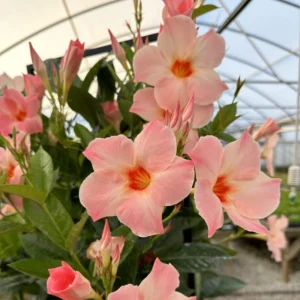
Sold 98 products
Original price was: $130.99.$101.99Current price is: $101.99.
Sold 84 products
Original price was: $38.56.$19.28Current price is: $19.28.
Sold 62 products
Original price was: $114.99.$84.99Current price is: $84.99.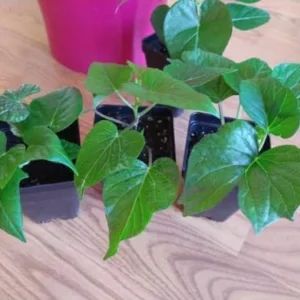
Reviews
There are no reviews yet.