NEED SUPPORT WITH YOUR ORDER? Get in touch
Not satisfied with your purchase?
Enter your Order ID on website, and we'll resolve it right away.

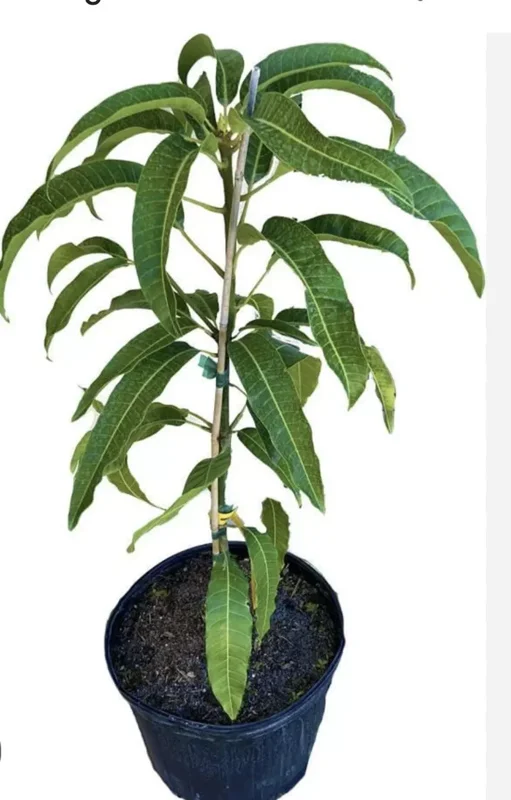
Original price was: $118.99.$87.99Current price is: $87.99.
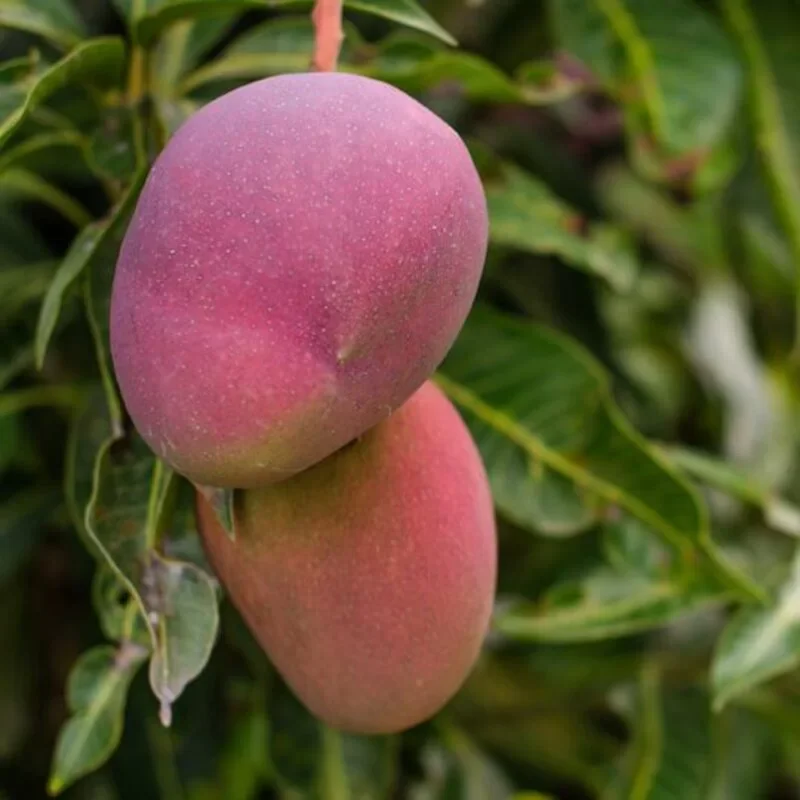
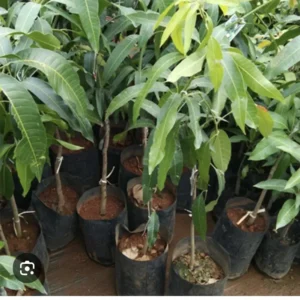
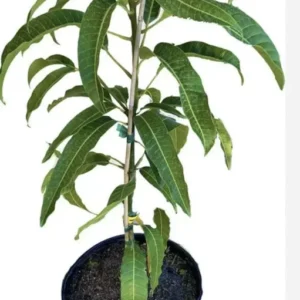
Cultivate a tropical oasis with a Mango Palmer Tree. This live mango tree is celebrated for its superior fruit quality and compact size, making it an ideal fruiting mango tree for home gardens. Enjoy delicious, homegrown mangos and enhance your landscape with this beautiful tropical fruit tree.
Mar 04
Mar 09 - Mar 11
Mar 14 - Mar 18
USDA Hardiness Zone
Soil Type
Sunlight Exposure
Expected Planting Period
Shipping and return policies: Our Alive & Thrive Guarantee covers issues with your plants within the first 30 days. Get in touch with us via email, and our team will review your concerns and, if necessary, provide you with a one-time replacement at no cost.
If you're unsure about your hardiness zone, feel free to reach out to us. Our team will answer your questions and help you find the plants that are truly suitable for your environment, climate, and personal preferences.
Embark on a journey to cultivate your very own tropical paradise with the exquisite Mango Palmer Tree. This magnificent live mango tree is a true delight for any home gardener, promising a bountiful harvest of succulent, sweet mangos right in your backyard. Revered for its exceptional fruit quality, the Palmer mango variety is known for its rich flavor and smooth texture, making it a culinary dream. Its manageable size also makes it an ideal choice for various garden settings, from sprawling landscapes to more compact spaces, or even for container growing in suitable climates. Imagine the satisfaction of picking fresh, organically grown mangos, transforming your garden into a fruitful oasis that provides both beauty and delicious rewards. This fruiting mango tree is an investment that yields years of enjoyment and a taste of the tropics.
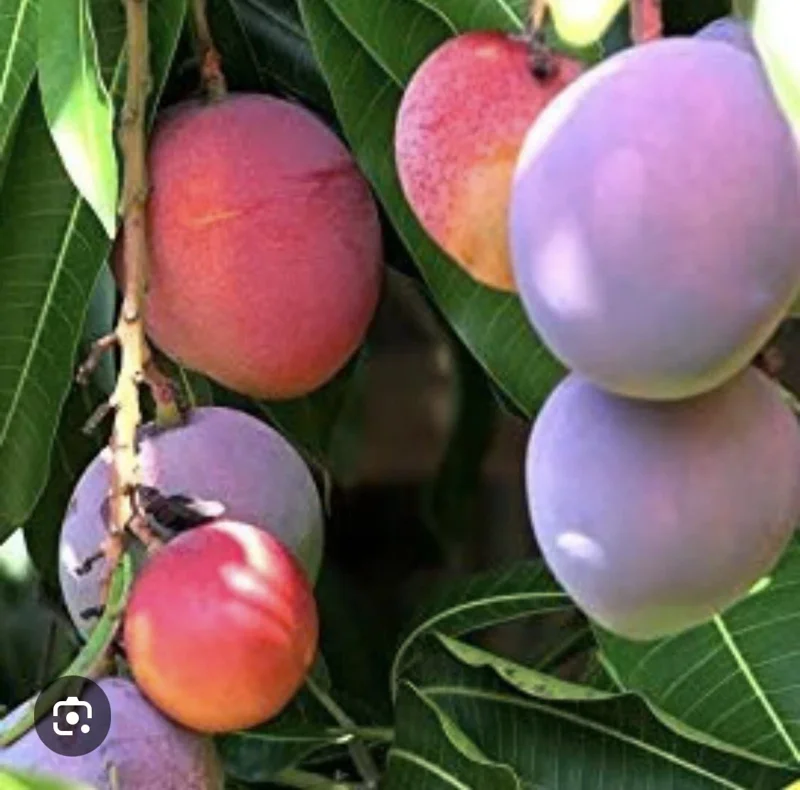
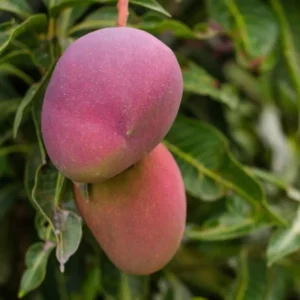
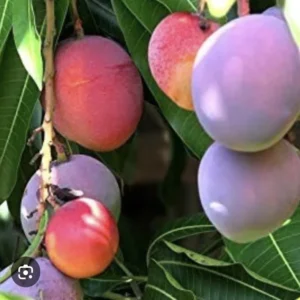
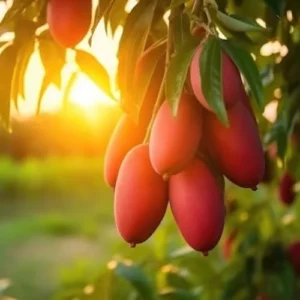
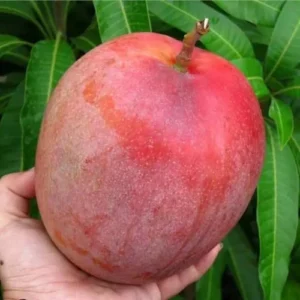
The Palmer mango is a popular cultivar known for its medium to large fruit, which typically ripens from late summer to fall. The skin has an attractive reddish-purple blush when ripe, covering a yellow background. The flesh is firm, fiberless, and boasts a sweet, aromatic flavor, making it perfect for eating fresh, juicing, or incorporating into various recipes. Growing your own live mango tree not only provides fresh fruit but also adds significant ornamental value to your landscape with its lush green foliage and the vibrant colors of ripening fruit. This variety is relatively easy to care for, making it accessible even for novice gardeners who wish to grow mango at home.
The Mango Palmer Tree offers a multitude of advantages for the home gardener, blending aesthetic appeal with the joy of homegrown produce. Cultivating this tree is a rewarding experience that enriches both your palate and your garden environment.
To ensure your Mango Palmer Tree thrives and produces abundant fruit, providing the right care and environmental conditions is crucial. This live mango tree flourishes in warm, sunny climates, making it suitable for USDA zones where frost is not a frequent concern. When planting, choose a location that receives full sun, meaning at least 6-8 hours of direct sunlight daily. Well-drained soil is paramount; mangos do not tolerate wet feet. A slightly acidic to neutral pH (6.0-7.0) is ideal for optimal nutrient absorption. If your soil is heavy clay, amend it with organic matter like compost and sand to improve drainage.
Consistent watering is essential, especially during dry spells and when the tree is young and establishing its root system. Water deeply and regularly, allowing the top few inches of soil to dry out slightly between waterings to prevent root rot. Once established, the Palmer mango tree becomes more drought-tolerant but will still benefit from regular irrigation during fruiting periods. Fertilization is key for vigorous growth and fruit production. Use a balanced fertilizer specifically formulated for fruit trees, applying it according to package directions, typically several times during the growing season. Reduce fertilization in late fall and winter. Protecting your fruiting mango tree from frost is critical in colder months; consider covering young trees or moving potted specimens indoors if temperatures are expected to drop below 30°F (-1°C).
Pruning is important for maintaining the tree’s shape, size, and promoting fruit production. Light pruning to remove dead or diseased branches and to encourage air circulation through the canopy should be done after the fruiting season. For those looking to grow mango at home in containers, select a large pot with good drainage and use a high-quality potting mix. Container-grown trees will require more frequent watering and feeding. With diligent care, your tropical fruit tree will reward you with years of delicious mangos and become a cherished, beautiful addition to your garden.
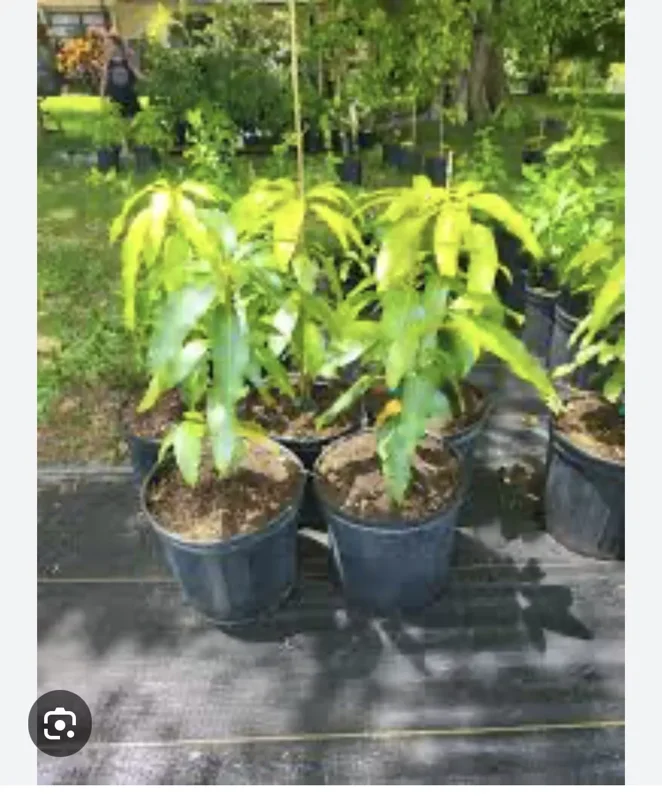
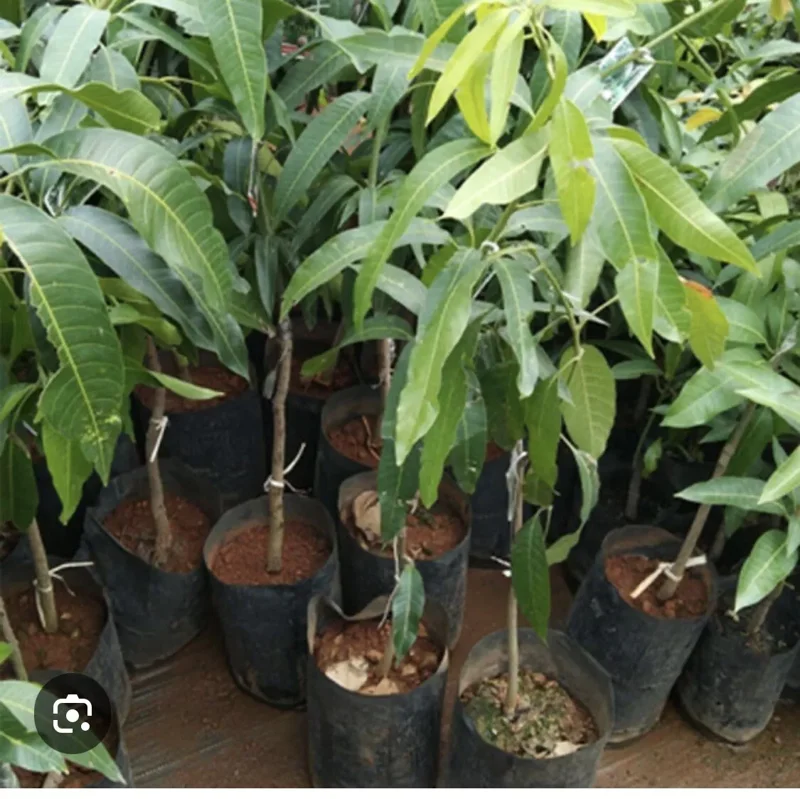
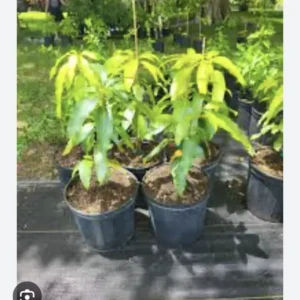
The Mango Palmer Tree is a vigorous grower but maintains a relatively compact size compared to other mango varieties, making it highly adaptable for home landscapes. At maturity, this live mango tree typically reaches a height of 15 to 20 feet with a similar spread, though its size can be managed with proper pruning. It is a medium-sized fruit that ripens from late summer to fall, offering consistently delicious harvests. The tree is generally shipped as a young plant, ready to be transplanted into your garden or a larger container, allowing for proper establishment and growth in its new environment. Expect this fruiting mango tree to begin bearing fruit approximately 3 to 5 years after planting, rewarding your patience with its delightful yield.
The Palmer mango is known for its reliable production and its attractive appearance, both when in bloom and when laden with ripening fruit. It thrives in warm, humid climates and is best suited for USDA Hardiness Zones 9-11, where it can be grown outdoors year-round. In cooler zones, it can be grown in large containers and moved indoors during colder months. This tropical fruit tree is an investment in both taste and beauty, providing a long-term source of fresh, healthy fruit and a stunning focal point for your garden. The luscious mangos produced by this tree are firm, sweet, and virtually fiber-free, making them a premium choice for any mango enthusiast looking to grow mango at home.
You must be logged in to post a review.
Sold 82 products
Original price was: $99.98.$49.99Current price is: $49.99.
Sold 50 products
Original price was: $59.98.$29.99Current price is: $29.99.
Sold 97 products
Original price was: $59.92.$29.96Current price is: $29.96.
Sold 58 products
Original price was: $99.98.$49.99Current price is: $49.99.
Sold 100 products
Original price was: $258.98.$129.49Current price is: $129.49.
Sold 74 products
Original price was: $48.98.$24.49Current price is: $24.49.
Sold 100 products
Original price was: $219.98.$109.99Current price is: $109.99.
Sold 58 products
Original price was: $259.98.$129.99Current price is: $129.99.
Reviews
There are no reviews yet.