NEED SUPPORT WITH YOUR ORDER? Get in touch
Not satisfied with your purchase?
Enter your Order ID on website, and we'll resolve it right away.

Original price was: $253.99.$223.99Current price is: $223.99.
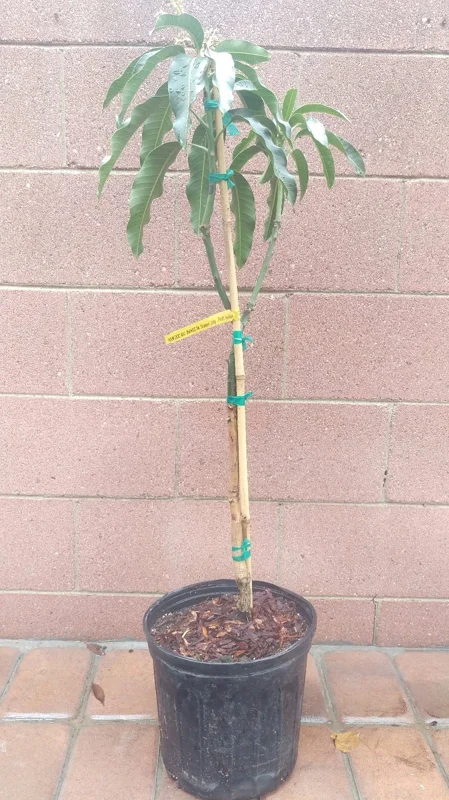
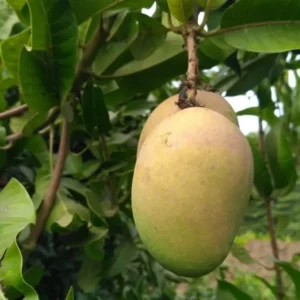
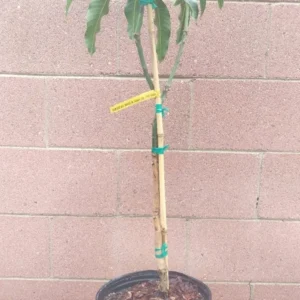
Bring the taste of the tropics home with a mallika mango tree. This grafted mango plant is a semi-dwarf mango variety, perfect for home gardens and container growing. Enjoy intensely sweet, fiber-free mango fruit with delightful citrus and melon notes from your own tropical fruit tree.
Mar 03
Mar 08 - Mar 10
Mar 13 - Mar 17
USDA Hardiness Zone
Soil Type
Sunlight Exposure
Expected Planting Period
Shipping and return policies: Our Alive & Thrive Guarantee covers issues with your plants within the first 30 days. Get in touch with us via email, and our team will review your concerns and, if necessary, provide you with a one-time replacement at no cost.
If you're unsure about your hardiness zone, feel free to reach out to us. Our team will answer your questions and help you find the plants that are truly suitable for your environment, climate, and personal preferences.
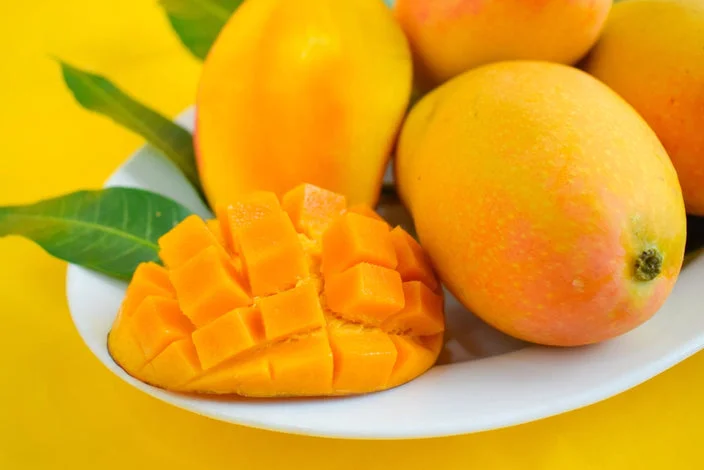
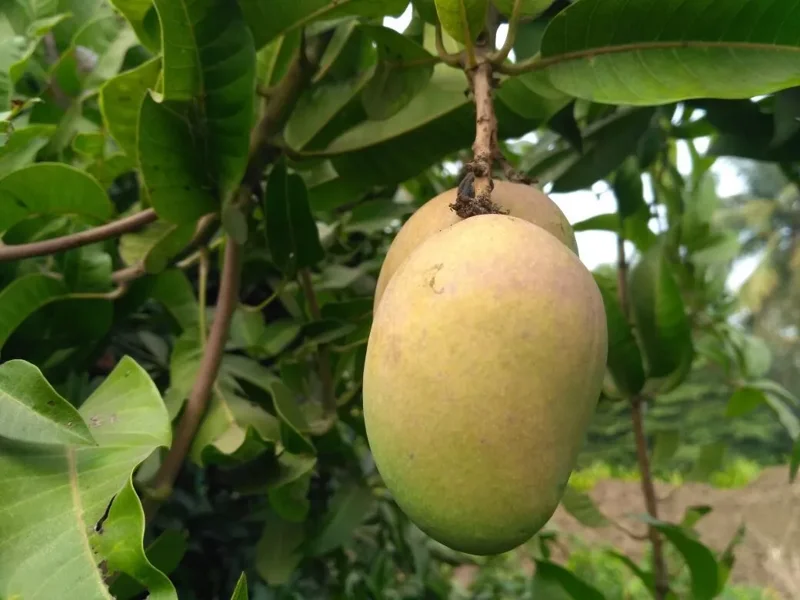
Indulge in the exquisite flavor of homegrown mangoes with the mallika mango tree. This exceptional grafted mango plant is a hybrid of ‘Neelum’ and ‘Dasheri’ varieties, renowned as one of the finest new generation Indian dessert mangoes. Imagine savoring the intensely sweet, rich, and aromatic flavor with delightful hints of citrus and melon, all from your own backyard. These semi-dwarf mango trees are perfect for various climates, bringing tropical delight to your home garden. The Mallika mangoes are a flattened oblong shape, boasting a rounded base and an irregular, non-waxy skin. Each fruit typically weighs between 10 to 18 oz. The flesh is a deep orange, boasting a pasty texture that is completely fiber-free mango, making it a true delicacy. This rewarding addition to your fruit tree collection ensures consistent quality and earlier fruiting.
The mallika mango tree is a moderately vigorous tropical fruit tree, making it an excellent choice for mango enthusiasts, even outside of traditional tropical regions. Its manageable size makes it suitable for both in-ground planting and container growing, allowing for easy relocation in colder months. Experience the joy of harvesting your own delicious, aromatic mangoes with this high-yield, disease-resistant variety.
Growing your own mallika mango tree offers a multitude of benefits, transforming your garden into a tropical oasis and your table into a culinary delight. This grafted mango plant is designed for home growers seeking quality and convenience.
Caring for your mallika mango tree is a rewarding experience that ensures a bountiful harvest. Mangoes, especially this grafted mango plant, thrive with proper attention to sunlight, watering, and soil conditions. This semi-dwarf mango variety is relatively easy to care for once established.
For optimal growth and fruit production, select a spot that provides 6-8 hours of direct sunlight each day. Mangoes are sun-loving plants and require ample warmth. If you are growing your mallika mango tree in a colder climate, consider planting it in a dark-colored pot to absorb more heat, and be prepared to move it indoors during frost periods. The ideal USDA hardiness zones for outdoor cultivation are 9-11, but container growing extends its reach to many other regions.
When it comes to watering, a tropical fruit tree like the mango prefers consistent moisture but dislikes consistently wet soil. Water thoroughly when the top few inches of soil feel dry to the touch, and then allow the soil to dry out slightly before the next watering. Ensure excellent drainage; a quality potting mix designed for fruit trees or a well-draining garden soil is essential. Adding loose stones to the bottom of a pot can aid drainage. Fertilize your mallika mango tree with a balanced slow-release fertilizer during the growing season (spring and summer) to support robust growth and fruit development. Pruning can be done to maintain shape and size, especially for container-grown plants, and to encourage better air circulation and fruit production.
The mallika mango tree is a semi-dwarf variety, meaning it will reach a manageable size, typically between 8 to 15 feet tall when grown in the ground, and often smaller when container-grown, making it an excellent choice for home gardens and patios. This size makes harvesting and general care much more accessible than larger mango varieties. The tree is moderately vigorous, establishing itself well with proper care. It typically begins fruiting within 2-3 years of planting, thanks to its grafted nature, offering a relatively quick return on your investment in a tropical fruit tree. The fruit itself weighs between 10 to 18 oz, with a flattened oblong shape and a deep orange, fiber-free mango flesh. Each grafted mango plant is shipped as a young tree, ready for planting and establishment in your home garden, providing you with the foundation for years of delicious harvests.
You must be logged in to post a review.
Sold 82 products
Original price was: $73.98.$36.99Current price is: $36.99.
Sold 55 products
Original price was: $99.98.$49.99Current price is: $49.99.
Sold 100 products
Original price was: $49.99.$34.99Current price is: $34.99.
Sold 58 products
Original price was: $68.99.$47.99Current price is: $47.99.
Sold 61 products
Original price was: $73.98.$36.99Current price is: $36.99.
Sold 88 products
Original price was: $78.99.$48.99Current price is: $48.99.
Sold 76 products
Original price was: $57.98.$28.99Current price is: $28.99.
Sold 100 products
Original price was: $78.99.$48.99Current price is: $48.99.
Reviews
There are no reviews yet.