NEED SUPPORT WITH YOUR ORDER? Get in touch
Not satisfied with your purchase?
Enter your Order ID on website, and we'll resolve it right away.

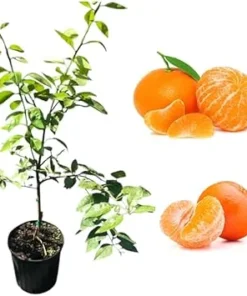
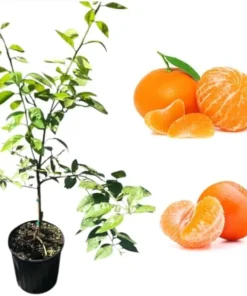
Original price was: $160.00.$140.00Current price is: $140.00.
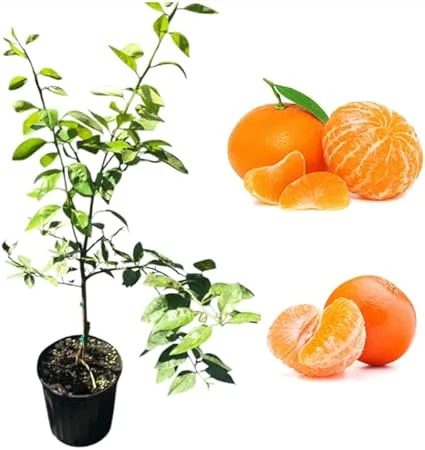
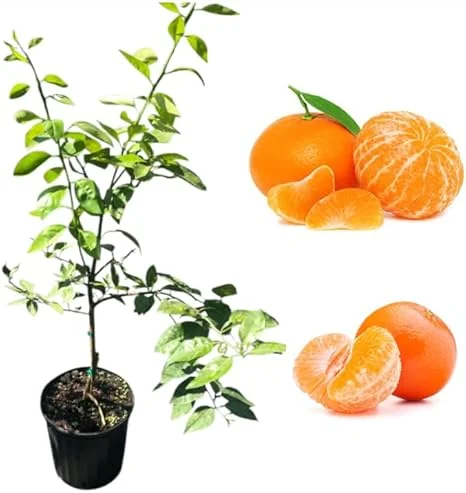
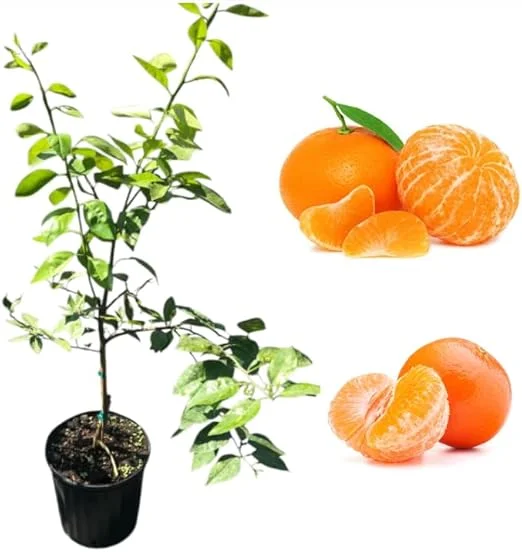
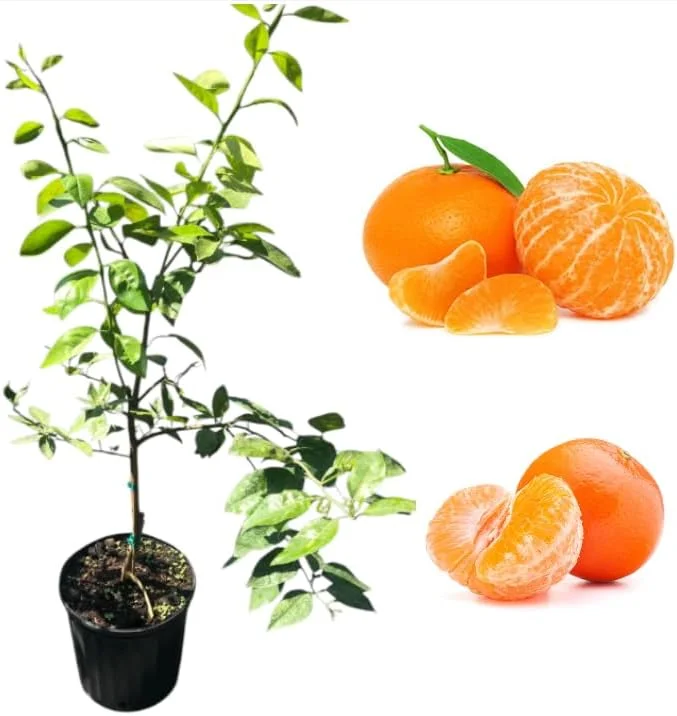
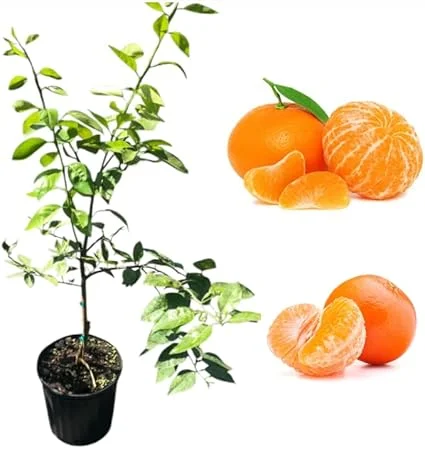
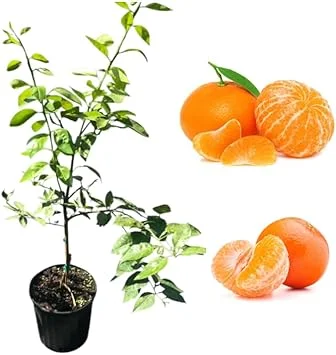
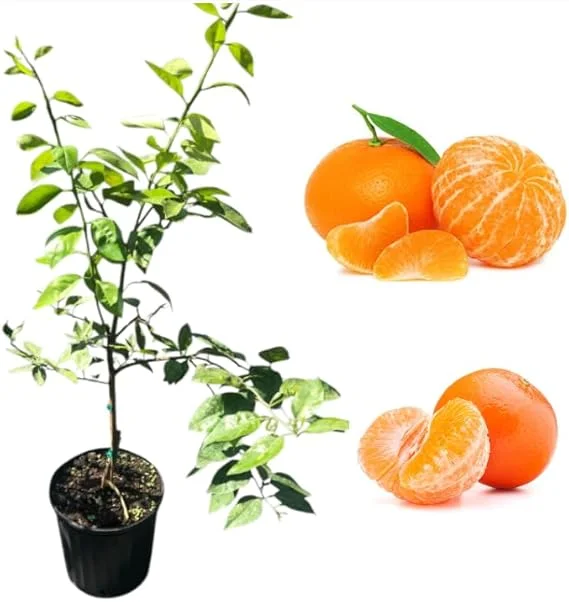
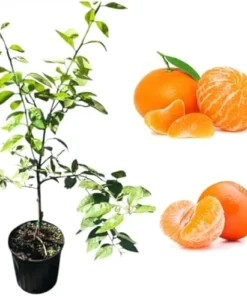
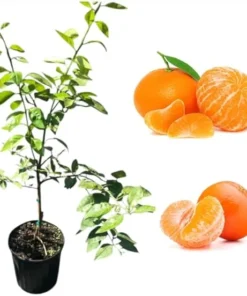
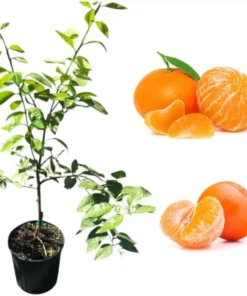
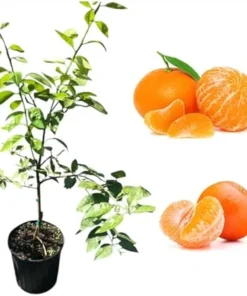
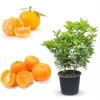
Cultivate your own sweet and juicy citrus with this vibrant minneola tangerine tree. Standing at 3 feet tall in a 3-gallon pot, this live plant is ready to thrive outdoors, bringing fresh oranges to your garden.
Feb 08
Feb 13 - Feb 15
Feb 18 - Feb 22
USDA Hardiness Zone
Soil Type
Sunlight Exposure
Expected Planting Period
Shipping and return policies: Our Alive & Thrive Guarantee covers issues with your plants within the first 30 days. Get in touch with us via email, and our team will review your concerns and, if necessary, provide you with a one-time replacement at no cost.
If you're unsure about your hardiness zone, feel free to reach out to us. Our team will answer your questions and help you find the plants that are truly suitable for your environment, climate, and personal preferences.
Bring the vibrant taste of fresh citrus to your home garden with this beautiful minneola tangerine tree. This live plant, often referred to as a Honeybell tangerine due to its distinctive bell shape, is a hybrid of a Dancy tangerine and a Duncan grapefruit, offering a unique blend of sweetness and tang. Our 3-foot tall specimen comes established in a 3-gallon pot, making it an excellent choice for immediate planting in your outdoor landscape, or for growing in a large container on a patio in suitable climates. Cultivating your own citrus provides the unparalleled satisfaction of harvesting juicy, flavorful fruit right from your backyard. This particular variety, a true delight for any gardener, promises a bountiful harvest with proper care.
The minneola tangerine tree is prized not only for its delicious fruit but also for its attractive evergreen foliage and fragrant blossoms. It’s a fantastic addition to any garden or patio, providing year-round visual appeal and the promise of sweet rewards. Whether you’re an experienced gardener or just starting your journey into fruit growing, this tree offers an accessible and rewarding experience. Prepare to enjoy the refreshing taste of homegrown Minneola tangerines, bursting with vitamin C and natural goodness.
Growing a minneola tangerine tree offers numerous advantages, from fresh fruit to aesthetic appeal. Here are some of the key benefits you’ll enjoy:
To ensure your minneola tangerine tree thrives and produces abundant fruit, consistent care is essential. This citrus variety prefers specific conditions to reach its full potential. For optimal growth and fruiting, a location with full sun exposure is crucial. This means your tree should receive at least 6-8 hours of direct sunlight per day. If grown in a container, position it where it gets maximum sun, and rotate it periodically to ensure even growth. For outdoor planting, choose a south-facing spot if possible, protected from strong winds.
Watering is another critical aspect of caring for your 3 gallon citrus tree. Minneola tangerines prefer consistently moist soil, especially during their first year of establishment and during fruiting periods. However, they do not tolerate soggy conditions, which can lead to root rot. Well-draining soil is paramount; sandy loam is ideal. Check the soil moisture regularly by sticking your finger about an inch or two deep. If it feels dry, it’s time to water thoroughly until water drains from the bottom of the pot (for container plants) or soaks deep into the ground. Reduce watering in cooler, dormant months.
This citrus tree thrives in USDA Zones 8-11, indicating its preference for warmer climates. Ideal temperatures range between 70°F and 90°F. If you live in a colder zone, consider growing your outdoor fruit plant in a large pot that can be moved indoors during chilly winter months to protect it from frost. Fertilize your tree with a balanced citrus fertilizer during the growing season, following the product’s instructions. Pruning should be done to remove dead or diseased branches, shape the tree, and encourage air circulation. Watch out for common pests like aphids or scale and treat them promptly with appropriate organic or chemical solutions to keep your tree healthy.
This offering is for one live minneola tangerine tree, carefully cultivated and ready for planting. The tree stands approximately 3 feet tall from the base of the pot to the top of the foliage, providing a substantial specimen to start your citrus orchard. It is securely rooted in a 3-gallon nursery pot, ensuring a well-developed root system that will facilitate a smooth transition to its new home. The tree is a young but established plant, capable of bearing fruit within a few years with proper care. Its growth rate is moderate, eventually reaching a mature height of 10-15 feet in the ground, though it can be kept smaller with pruning or by growing in a container. Expect to see the first blooms in late winter to early spring, followed by fruit development that matures over several months, typically ready for harvest in late winter to early spring.
You must be logged in to post a review.
Sold 76 products
Original price was: $299.94.$149.97Current price is: $149.97.
Sold 78 products
Original price was: $258.98.$129.49Current price is: $129.49.
Sold 92 products
Original price was: $99.98.$49.99Current price is: $49.99.
Sold 53 products
Original price was: $99.98.$49.99Current price is: $49.99.
Sold 84 products
Original price was: $59.92.$29.96Current price is: $29.96.
Sold 74 products
Original price was: $59.98.$29.99Current price is: $29.99.
Sold 57 products
Original price was: $319.98.$159.99Current price is: $159.99.
Sold 52 products
Original price was: $359.98.$179.99Current price is: $179.99.

Reviews
There are no reviews yet.