NEED SUPPORT WITH YOUR ORDER? Get in touch
Not satisfied with your purchase?
Enter your Order ID on website, and we'll resolve it right away.



Original price was: $60.99.$32.99Current price is: $32.99.
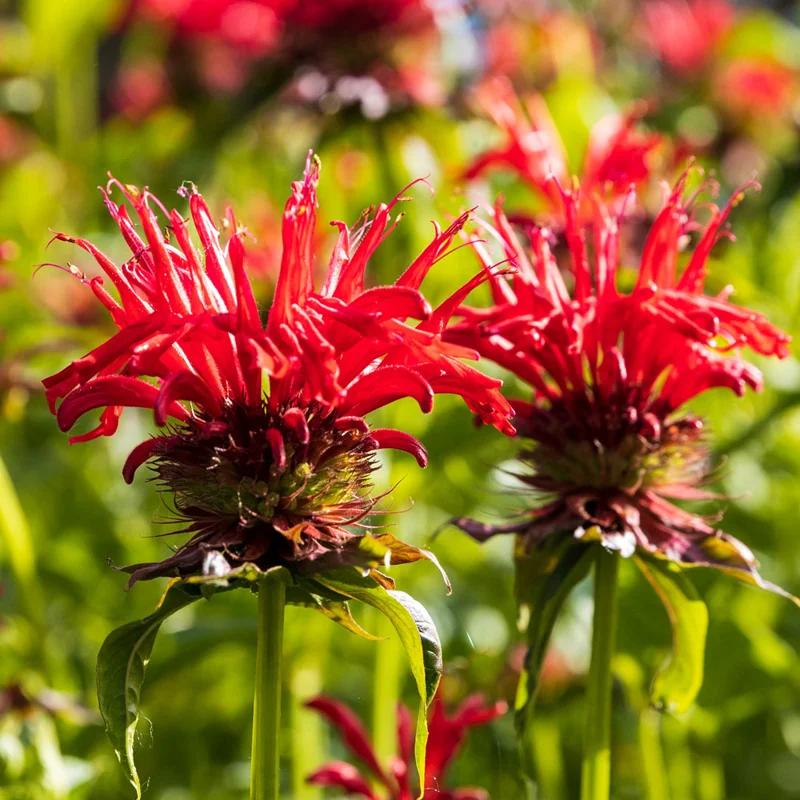
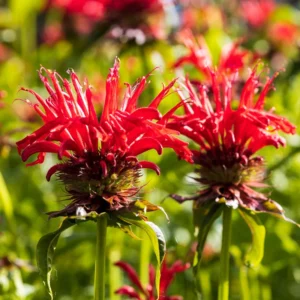
Add a splash of vibrant red to your garden with the monarda didyma jacob cline, a stunning red bee balm live plant. This starter plug quickly establishes, attracting hummingbirds and butterflies, making it perfect for any pollinator garden plant. Enjoy its fragrant blooms and foliage from spring through fall.
Mar 03
Mar 08 - Mar 10
Mar 13 - Mar 17
USDA Hardiness Zone
Soil Type
Sunlight Exposure
Expected Planting Period
Shipping and return policies: Our Alive & Thrive Guarantee covers issues with your plants within the first 30 days. Get in touch with us via email, and our team will review your concerns and, if necessary, provide you with a one-time replacement at no cost.
If you're unsure about your hardiness zone, feel free to reach out to us. Our team will answer your questions and help you find the plants that are truly suitable for your environment, climate, and personal preferences.
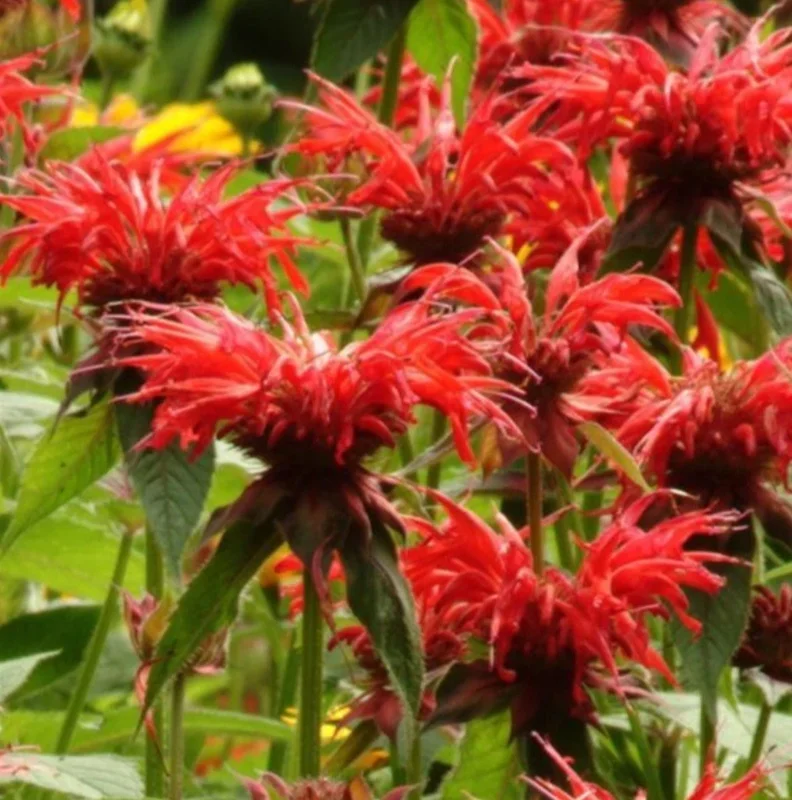
Transform your outdoor space into a vibrant sanctuary with the monarda didyma jacob cline, a spectacular red bee balm live plant. This particular variety of Bee Balm, also known as Bergamot or Oswego Tea, is celebrated for its striking fire-red tubular blooms and aromatic foliage, making it a standout addition to any garden. As a live starter plug, it arrives ready to be planted, ensuring a quick and easy establishment in your landscape. Gardeners seeking to enhance biodiversity and add continuous color will find this perennial an indispensable choice, providing beauty and ecological benefits for years to come.
Beyond its aesthetic appeal, this red bee balm live plant is a powerhouse for local ecosystems. Its brilliant flowers are an irresistible draw for hummingbirds and butterflies, establishing your garden as a vital feeding ground for these essential pollinators. The delightful, minty fragrance of its foliage adds another layer of sensory pleasure, enveloping your garden in a pleasant aroma. Ideal for USDA Zones 4-9, this plant thrives in temperate climates, offering a long season of interest from spring through fall.
Whether you are starting a new garden or looking to revitalize an existing one, the monarda didyma jacob cline is an excellent choice. It is known for its robust growth and adaptability, promising a bountiful display of color and life without excessive fuss. Plant this starter plug with confidence, knowing you are investing in a perennial that delivers both visual charm and ecological value.
The monarda didyma jacob cline offers a multitude of advantages for both the gardener and the environment. Its unique characteristics make it a highly desirable plant for various garden styles and needs, ensuring a rewarding experience with minimal effort.
Caring for your monarda didyma jacob cline is straightforward, ensuring a thriving and beautiful display with minimal effort. To achieve optimal growth and abundant blooms, proper placement and consistent care are essential. This red bee balm live plant prefers a location that receives morning sun and afternoon shade, especially in hotter climates, to protect its vibrant blooms from scorching. Adequate sunlight, typically 4-6 hours of direct sun, is crucial for robust flowering, while afternoon shade helps prevent stress during the hottest parts of the day.
When it comes to watering, consistency is key. Keep the soil consistently moist but never waterlogged, as this can lead to root rot. Well-draining soil is vital for the health of your Bee Balm. Amending heavy clay soils with organic matter like compost can significantly improve drainage. During dry spells, increase watering frequency, especially for newly planted plugs. Fertilize your pollinator garden plant from spring through fall with a balanced, slow-release granular fertilizer or a liquid feed every 2-4 weeks to encourage vigorous growth and prolific blooming. Deadheading spent flowers will also promote continuous flowering throughout the season.
Understanding bee balm care involves monitoring for common issues. While generally robust, Monarda can occasionally be susceptible to powdery mildew, especially in humid conditions or with poor air circulation. Planting in a location with good airflow and ensuring adequate spacing between plants can help prevent this. If powdery mildew appears, consider using a fungal spray or removing affected leaves. This deer resistant perennial typically reaches a mature height of about 48 inches and a width of 12-24 inches, so plan your planting location accordingly to allow for its full size.
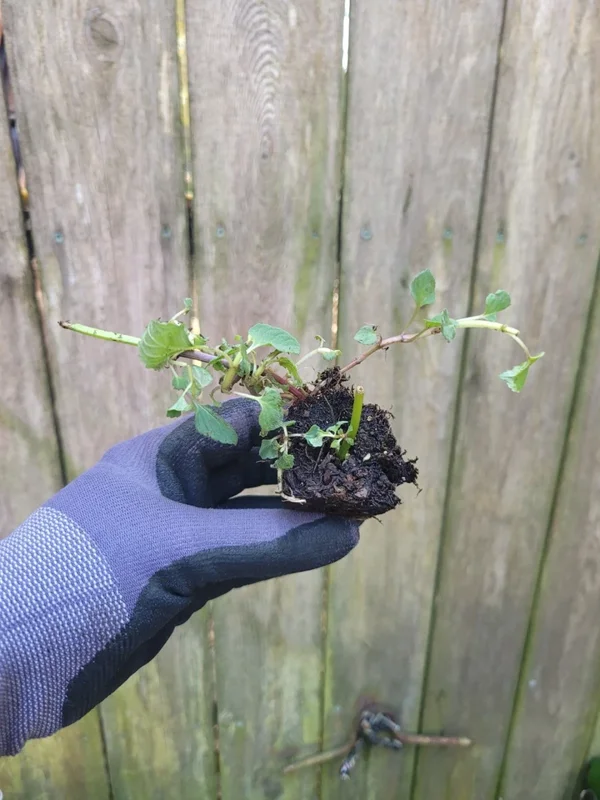
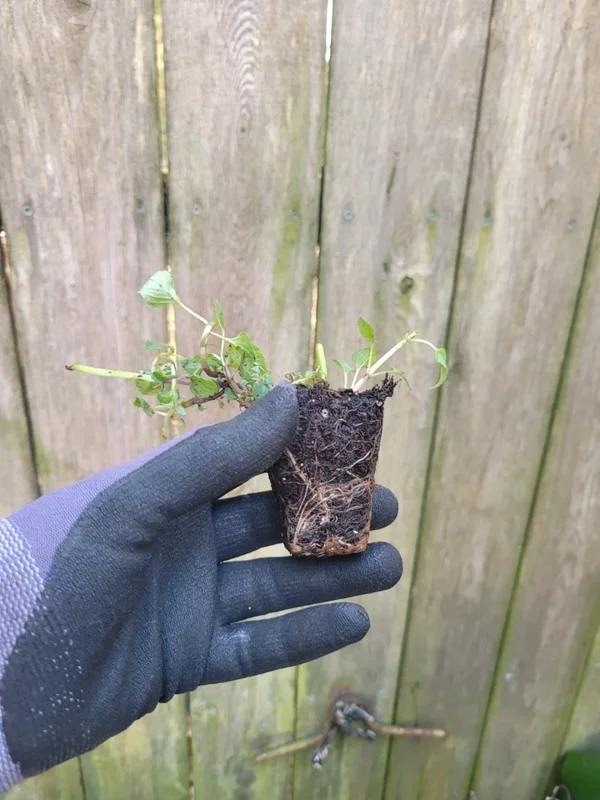
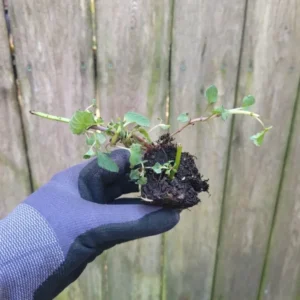
This offering is for a live starter plug of monarda didyma jacob cline, carefully cultivated and ready for planting upon arrival. These plugs are an excellent way to establish a healthy, mature plant quickly in your garden. Upon receipt, it is recommended to plant the starter plug immediately. Gently loosen the root ball when transplanting into the ground or a larger pot, taking care not to plant too deeply or cover the top of the root ball with excessive soil. This ensures the plant establishes its root system effectively and begins to grow vigorously.
The red bee balm live plant will mature to an impressive height of approximately 48 inches (4 feet) and spread about 12-24 inches wide, creating a significant presence in your garden. Its upright growth habit makes it suitable for various garden applications, from the back of borders to naturalized areas where its vibrant color can truly shine. Expect a long season of interest, with blooms typically appearing from late spring through fall, depending on your specific climate and care routine. While plants may experience some stress during shipping, which can result in leaf loss, with proper care and immediate planting, they will quickly recover and flourish.
You must be logged in to post a review.
Sold 84 products
Original price was: $79.96.$39.98Current price is: $39.98.
Sold 57 products
Original price was: $51.98.$25.99Current price is: $25.99.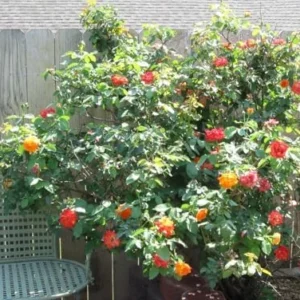
Flower Plants
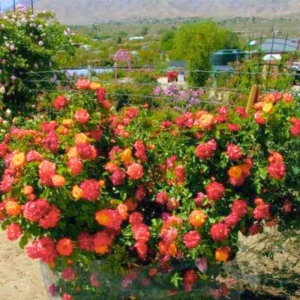
Climbing Rose Plant – Gold Orange & Pink – 1 Year Old Starter Plant – Outdoor Fragrant Rose
Sold 75 products
Original price was: $19.98.$9.99Current price is: $9.99.
Sold 65 products
Original price was: $49.96.$24.98Current price is: $24.98.
Sold 60 products
Original price was: $69.98.$34.99Current price is: $34.99.
Sold 73 products
Original price was: $59.88.$29.94Current price is: $29.94.
Sold 67 products
Original price was: $59.98.$29.99Current price is: $29.99.
Sold 69 products
Original price was: $49.96.$24.98Current price is: $24.98.
Reviews
There are no reviews yet.