NEED SUPPORT WITH YOUR ORDER? Get in touch
Not satisfied with your purchase?
Enter your Order ID on website, and we'll resolve it right away.
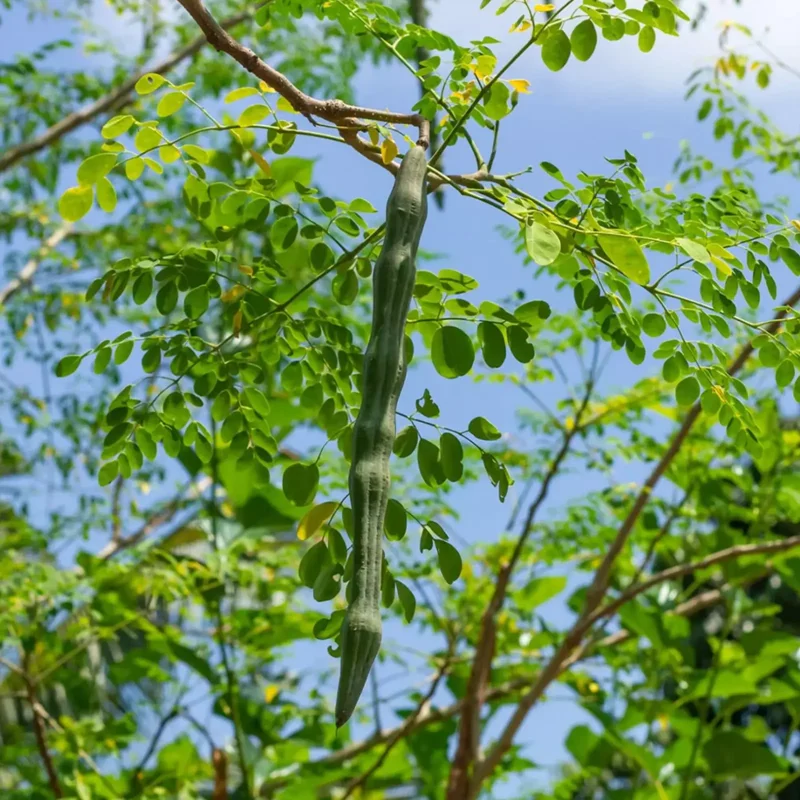
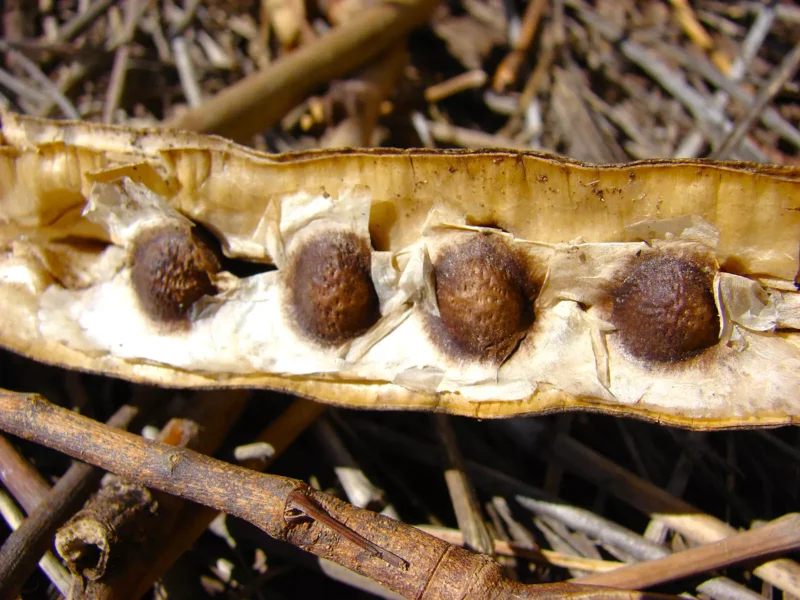
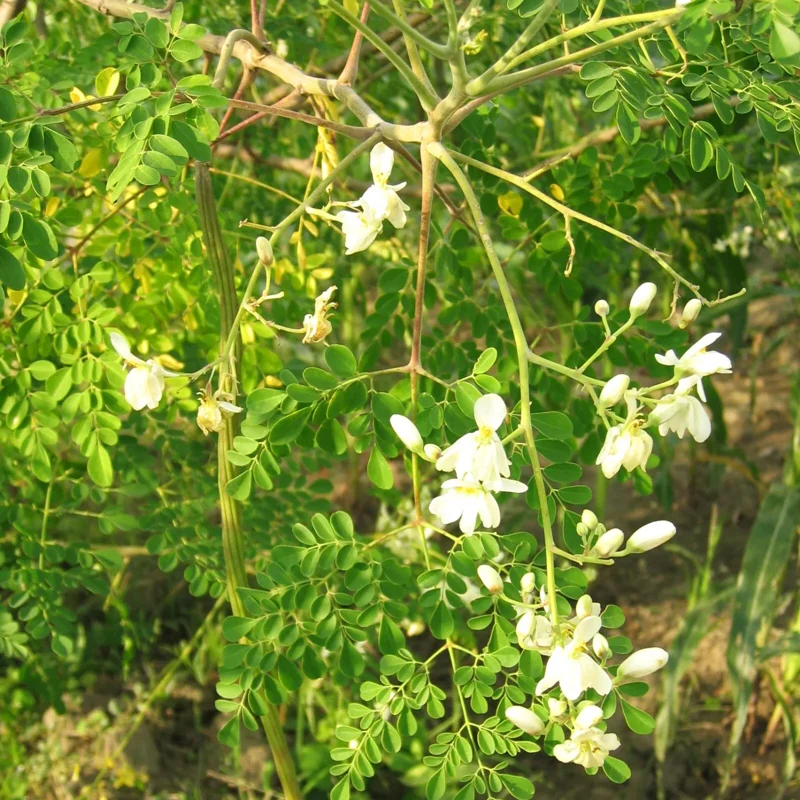
Original price was: $46.99.$36.99Current price is: $36.99.
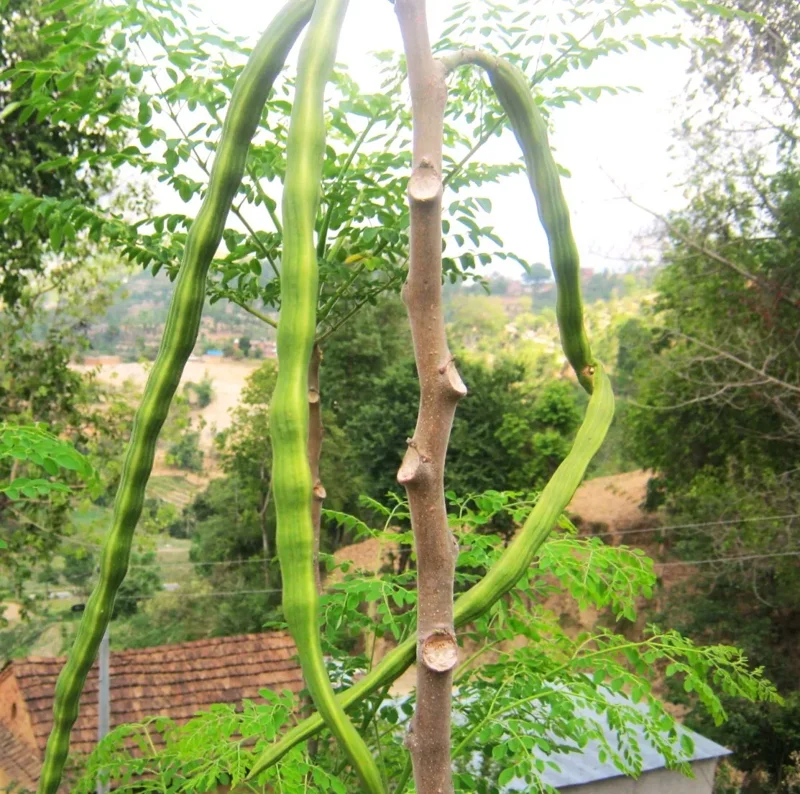
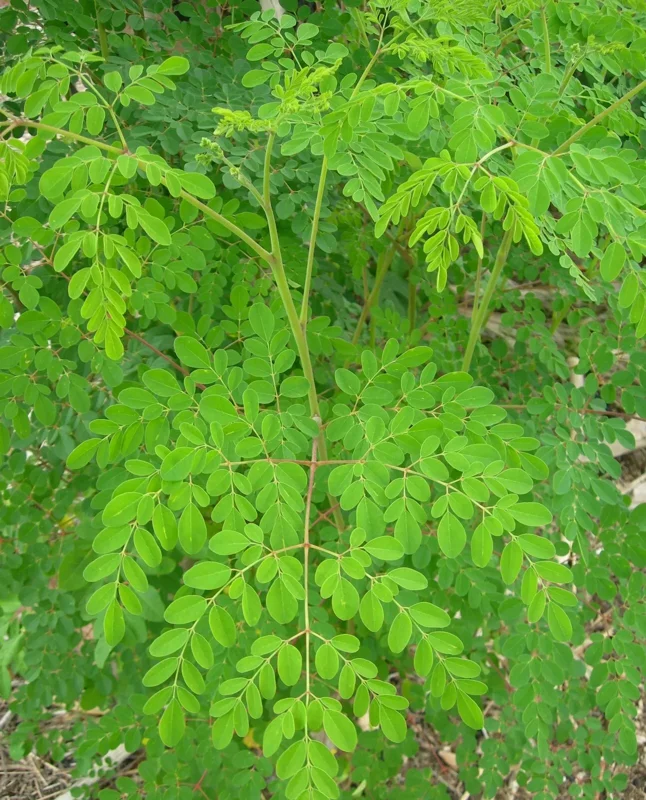
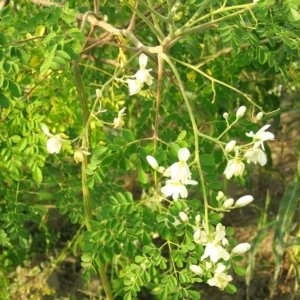
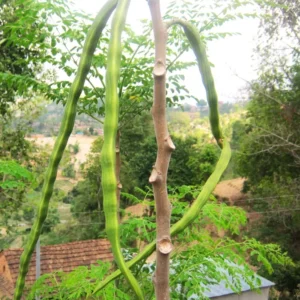
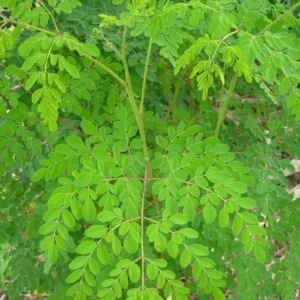
Cultivate your very own moringa live plant, a 12-inch tall specimen known for its rapid growth and exceptional nutritional value. This miracle tree benefits your health and garden, offering edible leaves, pods, and seeds. Perfect for home gardeners seeking a versatile and easy-to-grow plant.
Feb 04
Feb 09 - Feb 11
Feb 14 - Feb 18
USDA Hardiness Zone
Soil Type
Sunlight Exposure
Expected Planting Period
Shipping and return policies: Our Alive & Thrive Guarantee covers issues with your plants within the first 30 days. Get in touch with us via email, and our team will review your concerns and, if necessary, provide you with a one-time replacement at no cost.
If you're unsure about your hardiness zone, feel free to reach out to us. Our team will answer your questions and help you find the plants that are truly suitable for your environment, climate, and personal preferences.
Embark on a journey to health and sustainability with your very own moringa live plant. This remarkable 12-inch tall specimen, often revered as the Miracle Tree or Drumstick Tree, is celebrated for its incredible versatility and nutrient-rich profile. Originating from India, the Moringa oleifera is a fast-growing, deciduous tree that provides both beauty and practical utility to any home garden. Its leaves, pods, and seeds are all edible, packed with essential vitamins, minerals, and antioxidants, making it a true superfood. Whether you’re an experienced gardener or just starting, this adaptable plant offers an unparalleled opportunity to grow a sustainable source of nutrition right in your backyard. Discover the ease of cultivating this incredible tree and unlock a world of health benefits.
The Moringa live plant thrives in various climates and soil conditions, making it an excellent choice for a wide range of gardeners. Beyond its nutritional contributions, it also serves as an attractive ornamental tree, adding lush greenery to your landscape. Embrace the chance to nurture this extraordinary plant and enjoy its numerous advantages, contributing significantly to a healthy and sustainable lifestyle.
Integrating a moringa live plant into your garden offers a plethora of advantages, both for your health and your environment. This incredible tree is a powerhouse of nutrition and an extremely resilient grower, making it a valuable addition for any plant enthusiast.
Caring for your moringa live plant is surprisingly straightforward, thanks to its robust nature and adaptability. To ensure optimal growth and a bountiful harvest, understanding its basic needs is key. This section will guide you through the essentials of nurturing your drumstick tree care, from sunlight to watering and soil requirements.
The Moringa tree thrives in environments with abundant sunlight. For the best growth and health, your tree requires at least 6-8 hours of direct sunlight each day. Position it in a south-facing location if possible, or an area of your garden that receives full sun exposure throughout most of the day. While it can tolerate some partial shade, consistent direct light promotes vigorous growth and higher nutrient production. When it comes to watering, the Moringa prefers consistent moisture but is highly susceptible to root rot if overwatered. Water regularly, especially during dry periods, ensuring the soil remains moist but never waterlogged. Allow the top inch or two of soil to dry out between waterings. During cooler months or periods of dormancy, reduce watering frequency.
The ideal soil for a moringa live plant is well-draining, sandy loam. It’s adaptable to various soil types, but adding organic compost significantly improves soil structure, fertility, and overall plant health. A pH range between 6.0 and 7.0 is generally preferred. While the Moringa is quite resilient, it is not frost-tolerant. If you live in a region with cold winters (below USDA Zone 9), it’s best to grow your Moringa in a container so it can be moved indoors or treated as an annual. Fertilize sparingly, as too much nitrogen can reduce flowering and pod production. A balanced, all-purpose fertilizer applied every 2-3 months during the growing season is usually sufficient. Pruning is essential for maintaining a manageable size and encouraging bushier growth and more leaf production. You can prune it to maintain a height of 3-6 feet, which also makes harvesting easier. Monitor for common pests like aphids or spider mites, and treat with organic insecticidal soaps if necessary. Proper air circulation and sanitation can help prevent most issues.
Your moringa live plant arrives as a healthy, vibrant specimen, approximately 12 inches tall, ready to be transplanted into your garden or a larger pot. This rapid-growing tree quickly establishes itself, often reaching several feet in height within its first year under optimal conditions. While it can naturally grow to 10-12 feet or more, it responds exceptionally well to pruning, allowing you to maintain a more compact, shrub-like form suitable for smaller spaces or container gardening. The plant is shipped with a robust root system, ensuring a smooth transition to its new home.
Expect your moringa live plant to begin producing edible leaves shortly after planting, offering a continuous harvest throughout the growing season. The plant’s versatility means you can enjoy its nutritional benefits in various forms. This particular 12-inch tall plant is an excellent starter, providing a head start compared to growing from seed, and quickly becoming a productive addition to your edible landscape. The horseradish tree edible parts include the leaves, which are rich in nutrients, and the pods, which can be cooked like green beans.
You must be logged in to post a review.
Sold 80 products
Original price was: $99.98.$49.99Current price is: $49.99.
Sold 94 products
Original price was: $258.98.$129.49Current price is: $129.49.
Sold 91 products
Original price was: $119.98.$59.99Current price is: $59.99.
Sold 65 products
Original price was: $319.98.$159.99Current price is: $159.99.
Sold 70 products
Original price was: $299.94.$149.97Current price is: $149.97.
Sold 73 products
Original price was: $59.92.$29.96Current price is: $29.96.
Sold 53 products
Original price was: $35.98.$17.99Current price is: $17.99.
Sold 88 products
Original price was: $67.98.$33.99Current price is: $33.99.
Reviews
There are no reviews yet.