NEED SUPPORT WITH YOUR ORDER? Get in touch
Not satisfied with your purchase?
Enter your Order ID on website, and we'll resolve it right away.

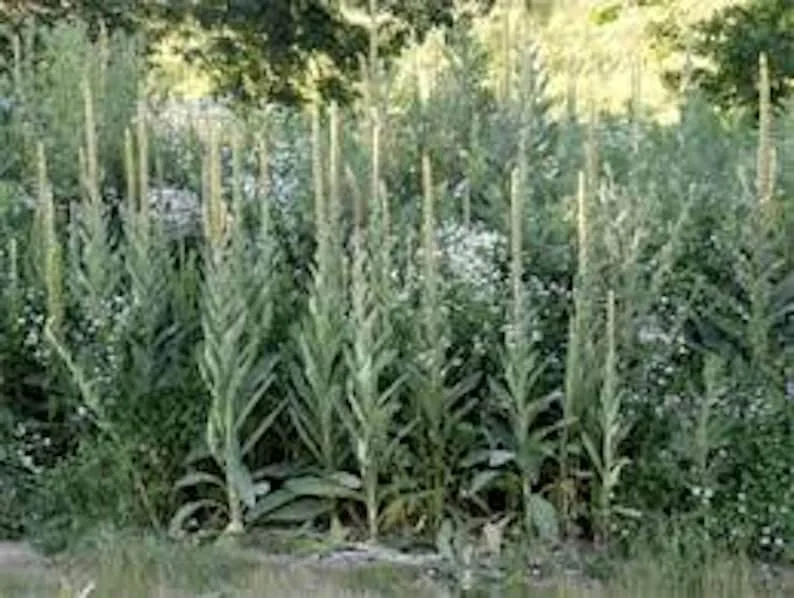
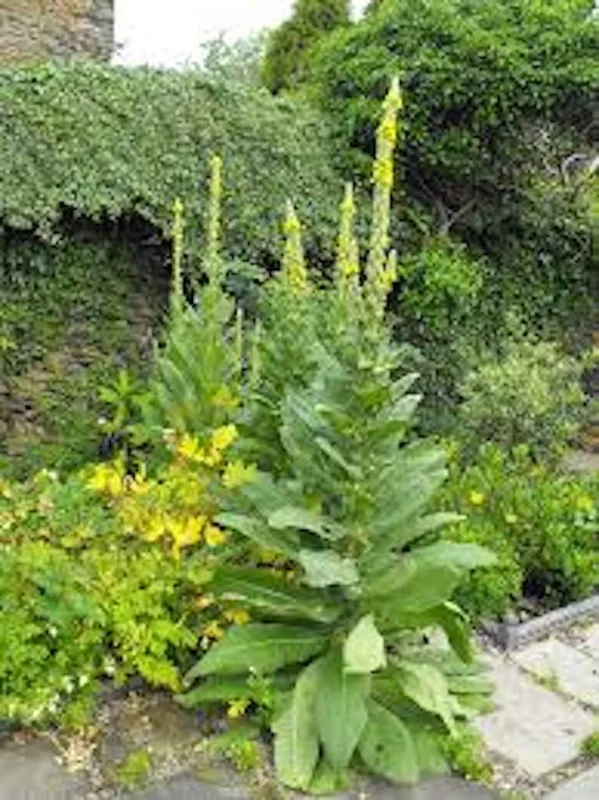
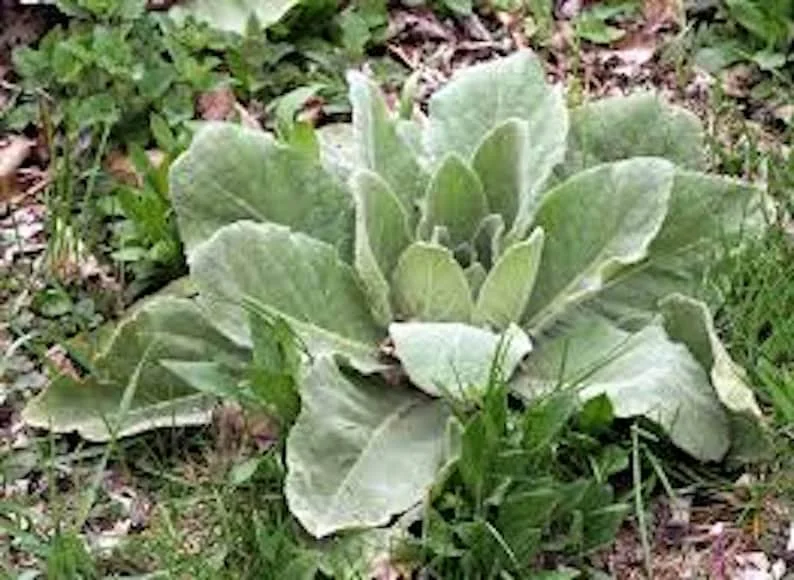
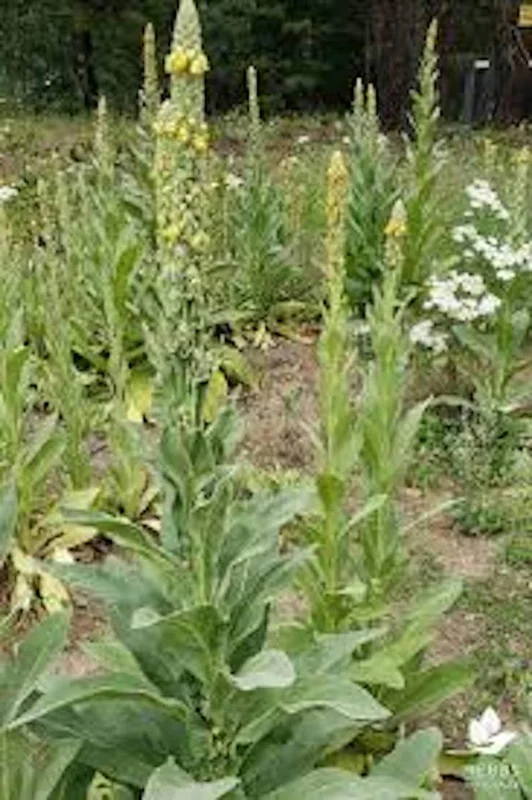
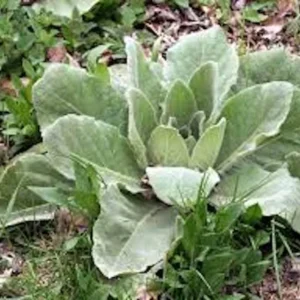
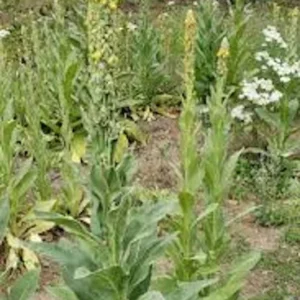
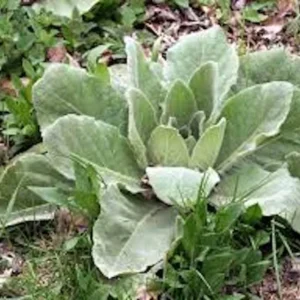
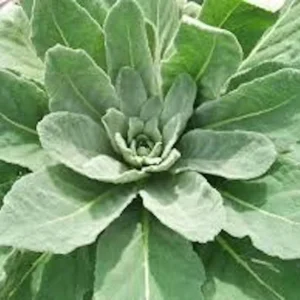
Original price was: $68.99.$41.99Current price is: $41.99.
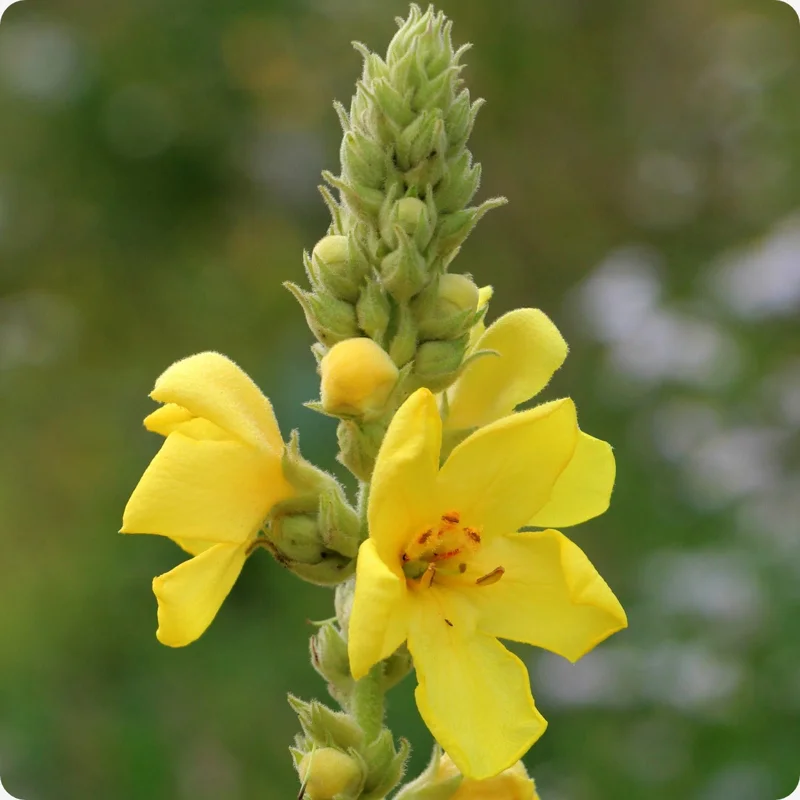
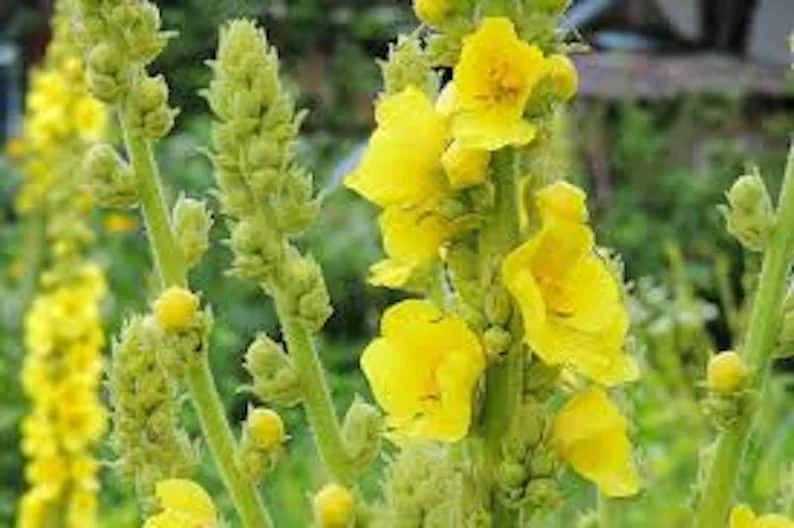
Enhance your garden with mullein plant bare root (Verbascum Thapsus). This pack includes 5 organic mullein plant specimens, perfect for attracting pollinators and creating a natural landscape. Known for striking height and drought tolerance, these native wildflower plants are easy to grow and maintain.
Feb 04
Feb 09 - Feb 11
Feb 14 - Feb 18
USDA Hardiness Zone
Soil Type
Sunlight Exposure
Expected Planting Period
Shipping and return policies: Our Alive & Thrive Guarantee covers issues with your plants within the first 30 days. Get in touch with us via email, and our team will review your concerns and, if necessary, provide you with a one-time replacement at no cost.
If you're unsure about your hardiness zone, feel free to reach out to us. Our team will answer your questions and help you find the plants that are truly suitable for your environment, climate, and personal preferences.
Introduce a touch of natural elegance and ecological benefit to your landscape with this offering of mullein plant bare root. Scientifically known as Verbascum thapsus, the Mullein plant is a remarkable native wildflower that brings unique vertical interest and a host of benefits to any garden setting. This listing provides 5 individual organic mullein plant specimens, shipped bare root and without foliage, ready for immediate planting and establishment in your chosen location. Mullein is celebrated for its ability to thrive in various conditions and its appeal to beneficial insects, making it an excellent choice for sustainable gardening practices and supporting local ecosystems. Its distinct appearance and adaptability make the mullein plant bare root a valuable addition for both novice and experienced gardeners seeking to cultivate a vibrant, low-maintenance outdoor space.
Planting Mullein (Verbascum thapsus) offers numerous advantages, transforming your garden into a dynamic and visually appealing environment while supporting local biodiversity. These robust native wildflower plants are an investment in both beauty and ecological health.
Ensuring the successful establishment and growth of your mullein plant bare root begins with understanding its preferred conditions. These hardy native wildflower plants are remarkably forgiving, but providing optimal care will lead to more vigorous growth and abundant flowering. Mullein thrives in conditions that mimic its natural habitat, making mullein plant care relatively straightforward.
For sunlight, Mullein demands full sun exposure, requiring at least 6 hours of direct sunlight per day to achieve robust growth and prolific flowering. Plant your bare roots in an area that receives ample sunshine throughout the day. When it comes to soil, Mullein prefers well-drained soil and is highly adaptable to various soil types, including sandy, rocky, or even somewhat poor soils. The most critical factor is excellent drainage, as Mullein does not tolerate soggy conditions, which can lead to root rot. Avoid heavy clay soils unless amended to improve drainage. Once established, Mullein is highly drought-tolerant and typically requires minimal supplemental watering. Water regularly during the first growing season to help establish the root system. After that, only water during prolonged dry spells.
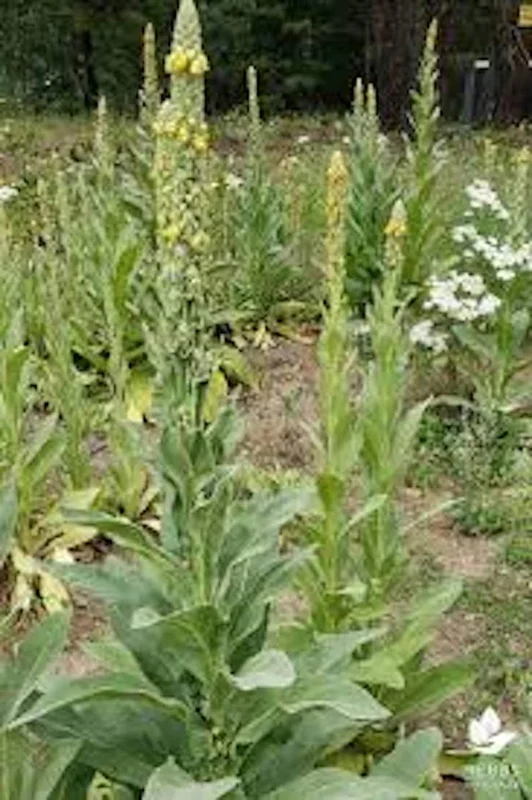
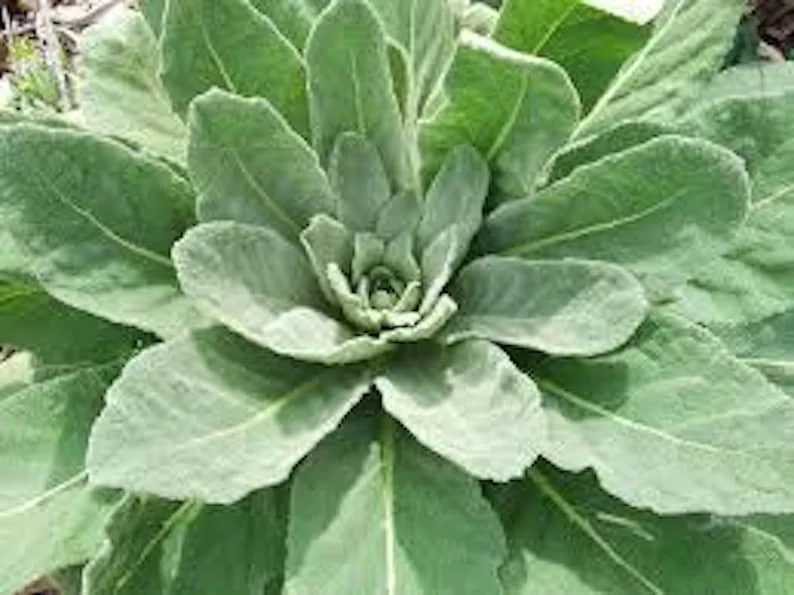
Mullein is generally hardy and doesn’t require specific fertilization, especially if planted in reasonably fertile soil. If your soil is very poor, a light application of a balanced, slow-release granular fertilizer in early spring can be beneficial. These organic mullein plant specimens are typically biennial, forming a rosette of leaves in the first year and sending up a towering flower stalk in the second. They are quite resistant to pests and diseases, further simplifying growing mullein plant. Deadheading spent flower spikes can prevent self-seeding if desired, but allowing some to go to seed will ensure new plants for future seasons.
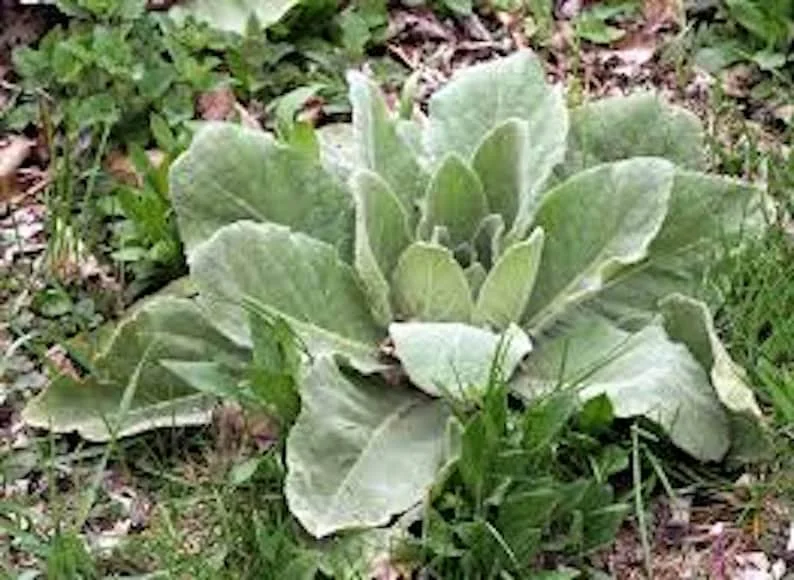
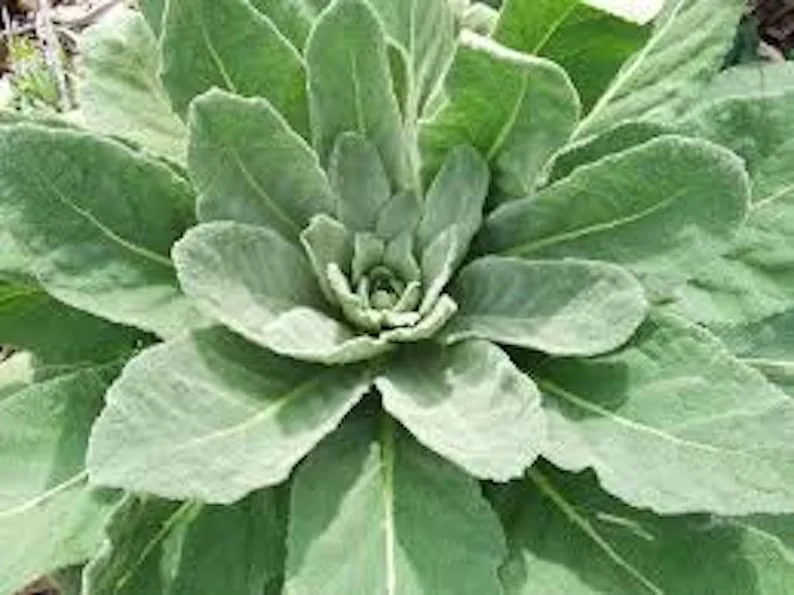
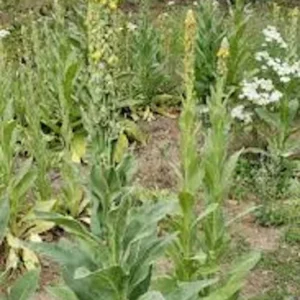
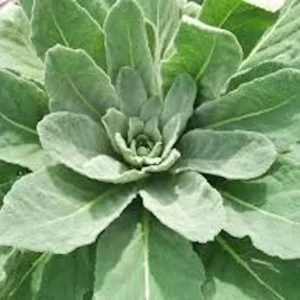
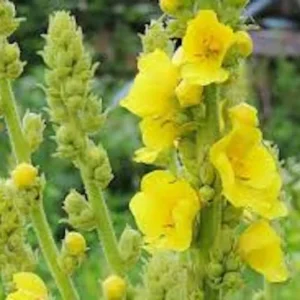
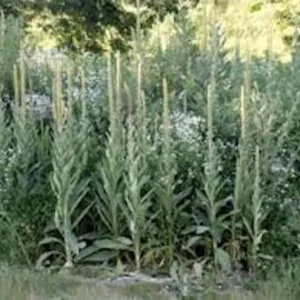
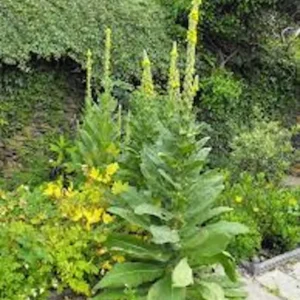
This offering includes 5 mullein plant bare root specimens of Verbascum thapsus, ready for planting. These bare root plants are sent without foliage, ensuring they are dormant and prepared for transplanting into your garden. In their first year, Mullein plants will form a robust rosette of broad, velvety leaves, which can reach up to a foot in length, providing significant ground cover. The dramatic transformation occurs in the second year, with the emergence of a tall, sturdy flower spike that typically reaches a height of 3 to 8 feet, adorned with numerous bright yellow flowers. The growth rate is moderate, with the plant focusing on root and leaf development in the first year and then flowering and seed production in the second. These native wildflower plants are an excellent way to introduce verticality and texture to your garden with a truly unique specimen.
You must be logged in to post a review.
Sold 94 products
Original price was: $53.98.$26.99Current price is: $26.99.
Sold 52 products
Original price was: $118.99.$88.99Current price is: $88.99.
Sold 60 products
Original price was: $31.98.$15.99Current price is: $15.99.
Sold 67 products
Original price was: $75.99.$61.99Current price is: $61.99.
Sold 51 products
Original price was: $51.98.$25.99Current price is: $25.99.
Sold 67 products
Original price was: $78.99.$48.99Current price is: $48.99.
Sold 63 products
Original price was: $76.99.$46.99Current price is: $46.99.
Sold 58 products
Original price was: $33.98.$16.99Current price is: $16.99.
Reviews
There are no reviews yet.