NEED SUPPORT WITH YOUR ORDER? Get in touch
Not satisfied with your purchase?
Enter your Order ID on website, and we'll resolve it right away.

Original price was: $99.99.$79.99Current price is: $79.99.
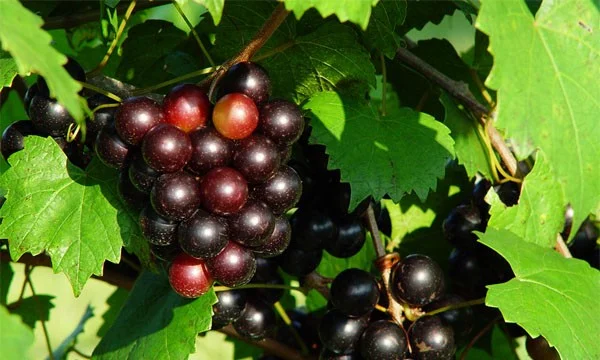
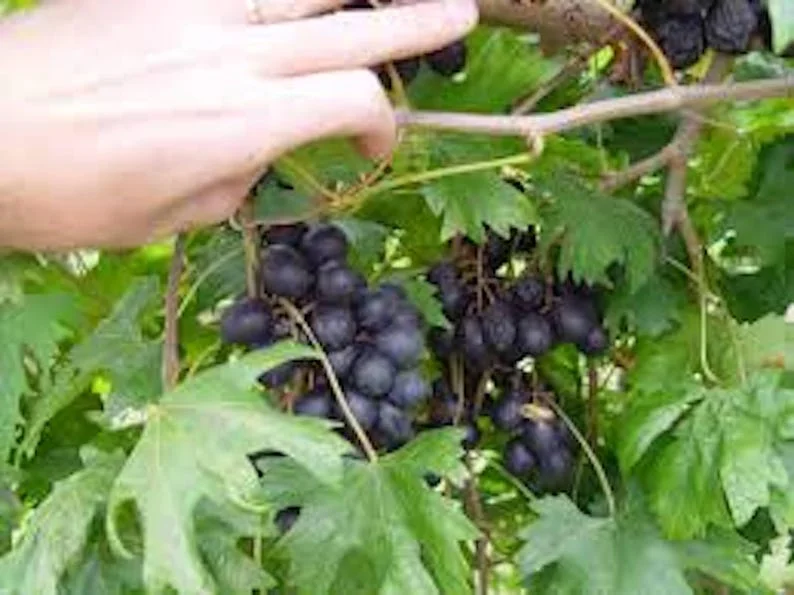
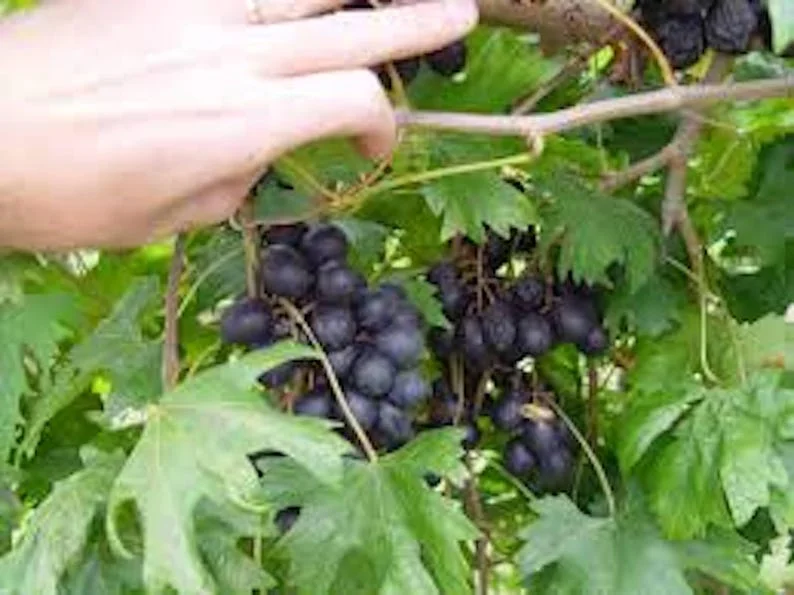
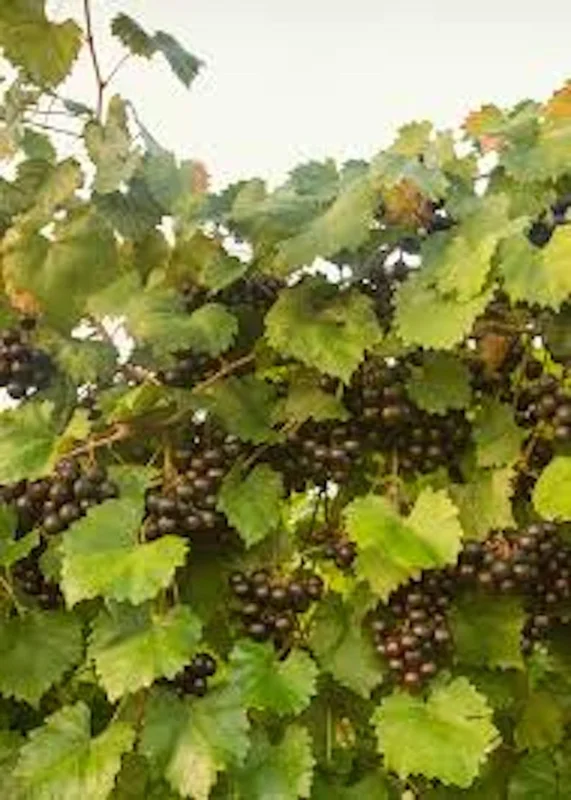
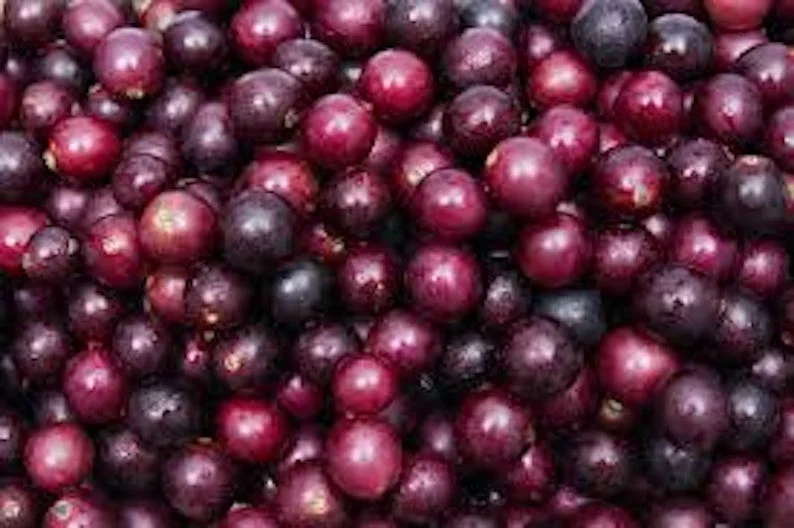
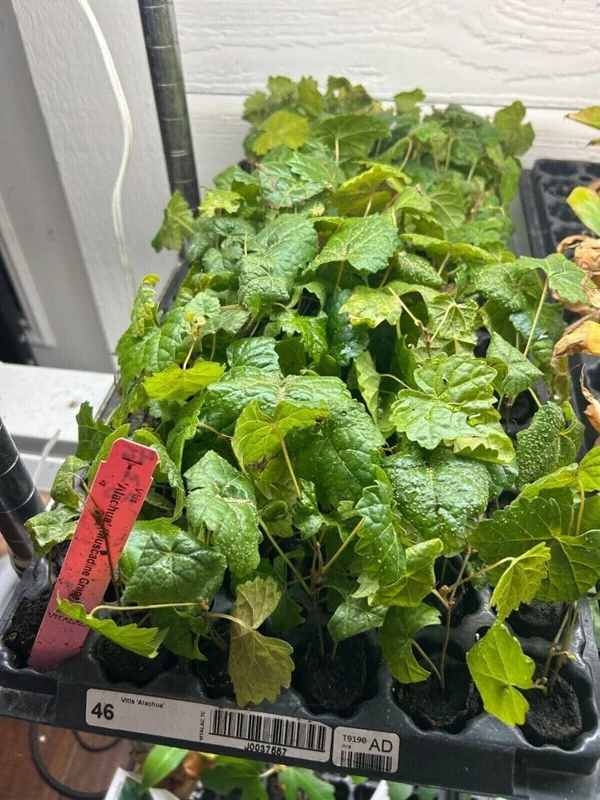
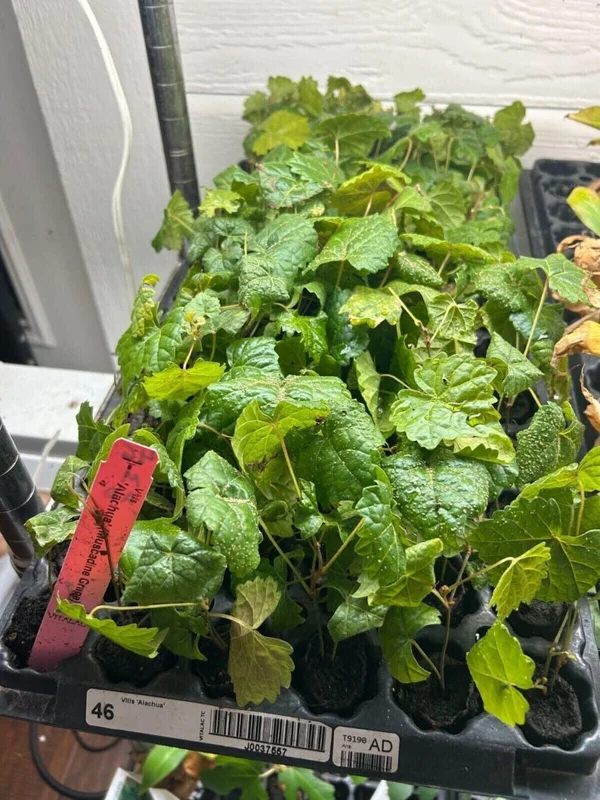
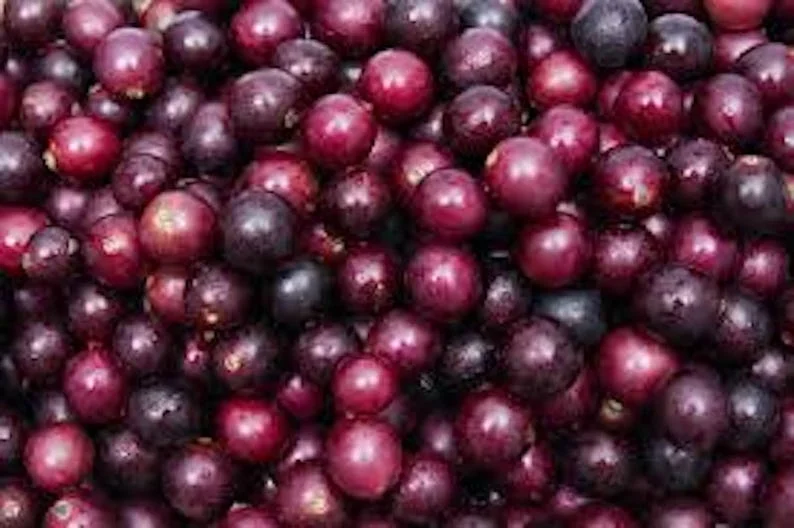
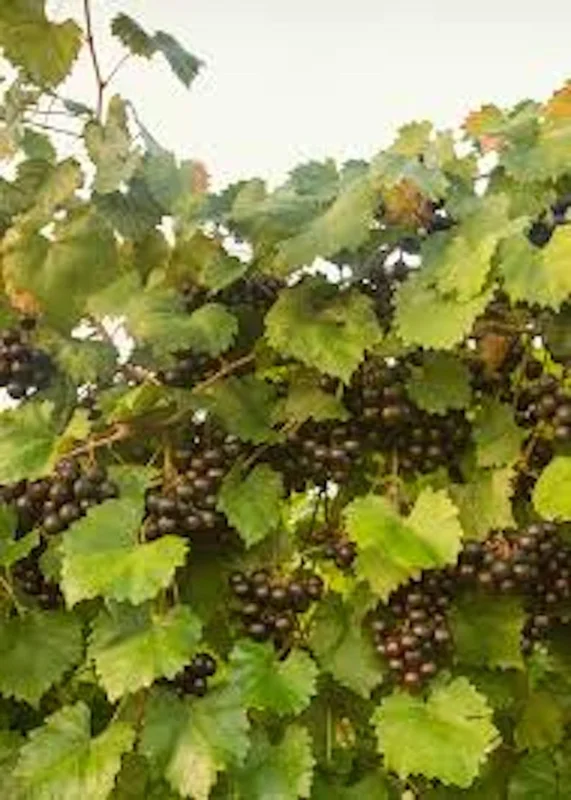
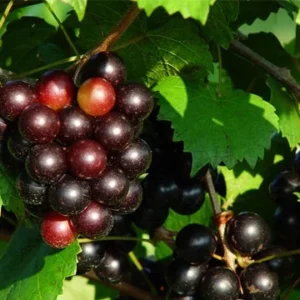
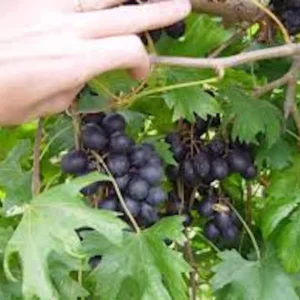
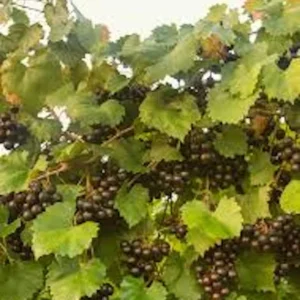
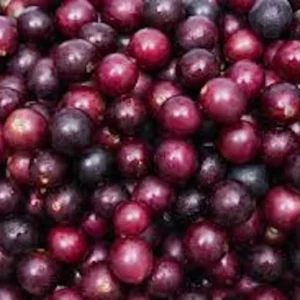
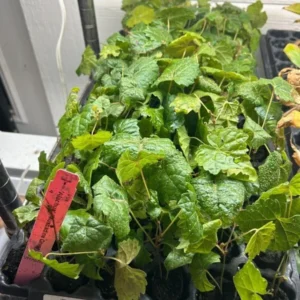
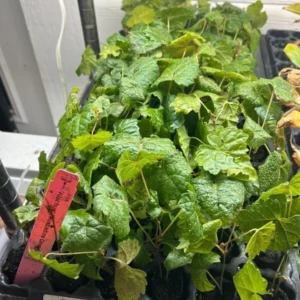
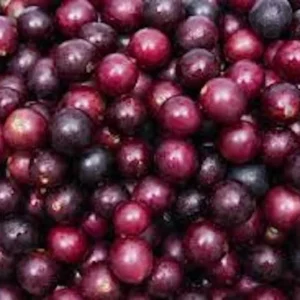
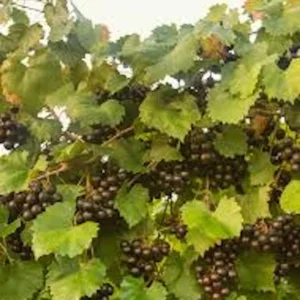
Cultivate your own delicious muscadine grape plant with this pack of 5 black muscadine grapes starter plants. These edible grape vine plants are cold hardy grape varieties, perfect for home gardens. Enjoy abundant fruit for fresh eating, jams, or even homemade wine from these vigorous perennial grape plant specimens.
Feb 04
Feb 09 - Feb 11
Feb 14 - Feb 18
USDA Hardiness Zone
Soil Type
Sunlight Exposure
Expected Planting Period
Shipping and return policies: Our Alive & Thrive Guarantee covers issues with your plants within the first 30 days. Get in touch with us via email, and our team will review your concerns and, if necessary, provide you with a one-time replacement at no cost.
If you're unsure about your hardiness zone, feel free to reach out to us. Our team will answer your questions and help you find the plants that are truly suitable for your environment, climate, and personal preferences.
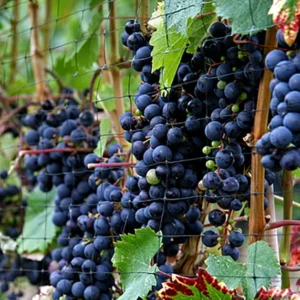
Begin your journey into growing your own fruit with the versatile and productive muscadine grape plant. This offering includes 5 robust black muscadine grapes starter plants, ready to establish themselves in your garden. Known for their unique flavor profile, balancing sweetness with a pleasant tartness, these grapes are a culinary delight. Muscadine grapes (Vitis rotundifolia) are native to the southeastern United States and are celebrated for their resilience and adaptability. These vigorous vines not only provide a bountiful harvest but also add significant aesthetic appeal to your landscape. Whether you’re an experienced gardener or just starting, these easy-to-grow plants promise a rewarding experience, transforming your outdoor space into a productive vineyard.
The Muscadine grape is a distinctive species, often referred to as the ‘superfruit of the South’ due to its rich antioxidant content. Our 5 muscadine grape plant starter plants are carefully selected to ensure strong growth and abundant fruit production. As a deciduous vine, it offers beautiful autumnal colors before entering dormancy, adding seasonal interest to your garden. Its rapid growth makes it an excellent choice for arbors, trellises, or fences, providing natural shade and an elegant visual backdrop. Experience the satisfaction of harvesting your own fresh, juicy grapes directly from your garden, perfect for enjoying fresh, making delicious jams, jellies, or even producing your own unique wine.
Adding a muscadine grape plant to your garden offers a wealth of advantages, from delicious harvests to landscape enhancement. These plants are designed for both beauty and utility, providing continuous enjoyment for years to come.
Caring for your muscadine grape plant is straightforward, and with proper attention, you’ll be rewarded with abundant harvests. Muscadines are generally robust plants, but understanding their specific needs will ensure optimal growth and fruit production. For best results, plant in a location that receives at least 6-8 hours of direct sunlight daily; full sun is crucial for developing sweet fruit. While adaptable, they prefer well-drained soil with a pH between 5.5 and 6.5. Good drainage is paramount to prevent root rot, so consider amending heavy clay soils with organic matter. Regular watering is important during the establishment phase and dry spells, but avoid overwatering. Once established, they are relatively drought tolerant.
Pruning is a key aspect of maintaining a healthy and productive edible grape vine. Muscadines are typically pruned in late winter while dormant, before new growth begins. Training the vine onto a sturdy trellis, arbor, or fence is essential, as their vigorous growth requires support. Fertilize in early spring with a balanced fertilizer, and consider a second application in early summer. Monitor for common pests and diseases, though Muscadines are generally quite resistant. Ensuring good air circulation and proper sanitation can help prevent most issues. These black muscadine grapes are known for their resilience, making them a fantastic choice for gardeners seeking a low-maintenance yet highly rewarding fruit crop.
As a cold hardy grape, the Muscadine can tolerate significant temperature fluctuations. However, providing winter protection in the coldest parts of its hardiness range can be beneficial for young plants. Mulching around the base can help regulate soil temperature and retain moisture. Remember that while these are perennial grape plant varieties, it typically takes 2-3 years after planting for them to begin producing fruit, with yields increasing as the vine matures. Patience will be rewarded with delicious, homegrown grapes for many seasons to come.
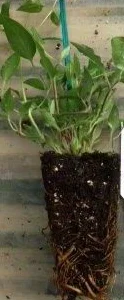
This offering includes 5 individual muscadine grape plant starter plants. Each plant is a young, live vine, carefully packaged to ensure a healthy arrival. These vigorous plants are known for their rapid growth, with the potential to reach lengths of up to 20 feet once mature, requiring a strong support structure such as a trellis, arbor, or sturdy fence. They are typically shipped in a nursery pot, ready for transplanting into your garden. Expect fruit production to begin within 2-3 years post-planting, with a significant increase in yield as the vines establish and mature over time. The mature grapes will feature a distinctive deep purple-black skin and juicy flesh, characteristic of quality black muscadine grapes.
You must be logged in to post a review.
Sold 68 products
Original price was: $45.74.$22.87Current price is: $22.87.
Sold 70 products
Original price was: $52.99.$39.99Current price is: $39.99.
Sold 92 products
Original price was: $73.96.$36.98Current price is: $36.98.
Sold 81 products
Original price was: $39.84.$19.92Current price is: $19.92.
Sold 68 products
Original price was: $49.98.$29.98Current price is: $29.98.
Sold 64 products
Original price was: $71.99.$43.99Current price is: $43.99.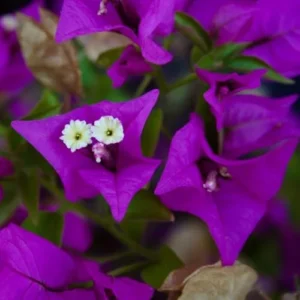
Vines
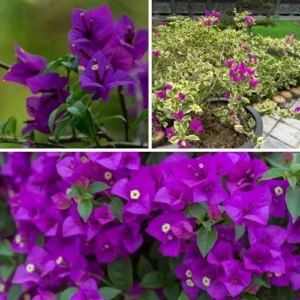
Bougainvillea Vine Plants – Set of Purple & Ice Blueberry, 4-Inch Rooted Plants – Spring Flowers
Sold 85 products
Original price was: $119.98.$59.99Current price is: $59.99.
Sold 99 products
Original price was: $130.99.$101.99Current price is: $101.99.

Reviews
There are no reviews yet.