NEED SUPPORT WITH YOUR ORDER? Get in touch
Not satisfied with your purchase?
Enter your Order ID on website, and we'll resolve it right away.

Original price was: $145.99.$126.99Current price is: $126.99.
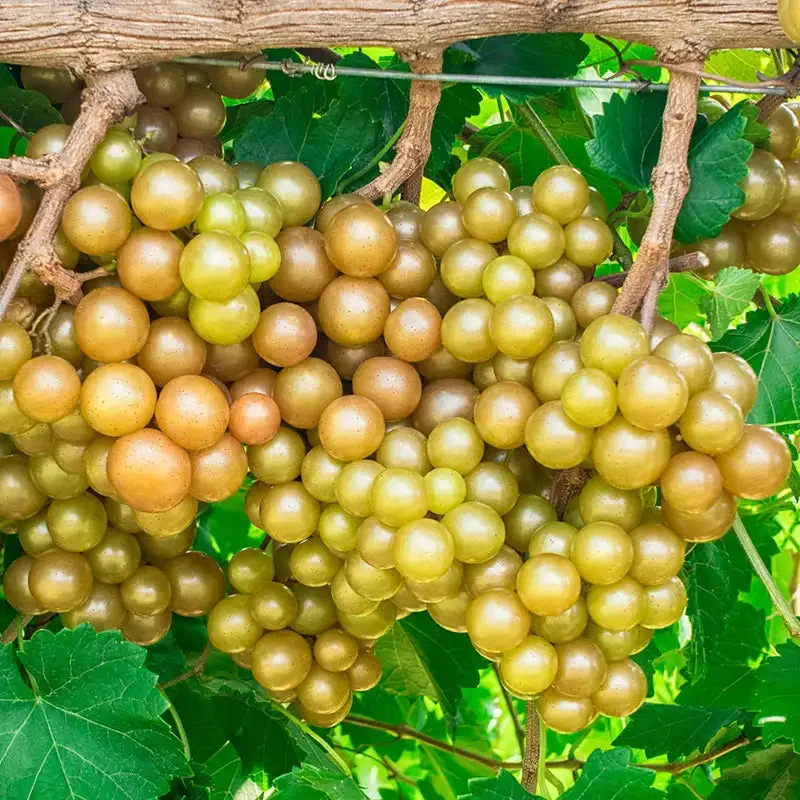
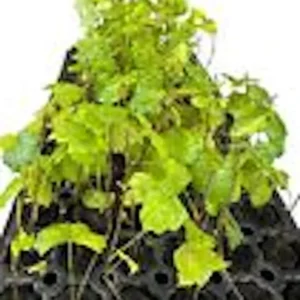
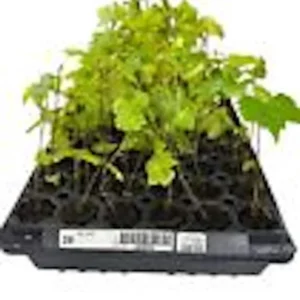
Cultivate your own vineyard with Muscadine grape live plant starter vines. This bundle of 10 Carlos grape vine plants, Vitis Rotundifolia, offers sweet, edible grapes and is a resilient, self-fertile perennial. Perfect for wine, juice, or fresh eating, these vines add beauty and bounty to your garden.
Feb 04
Feb 09 - Feb 11
Feb 14 - Feb 18
USDA Hardiness Zone
Soil Type
Sunlight Exposure
Expected Planting Period
Shipping and return policies: Our Alive & Thrive Guarantee covers issues with your plants within the first 30 days. Get in touch with us via email, and our team will review your concerns and, if necessary, provide you with a one-time replacement at no cost.
If you're unsure about your hardiness zone, feel free to reach out to us. Our team will answer your questions and help you find the plants that are truly suitable for your environment, climate, and personal preferences.
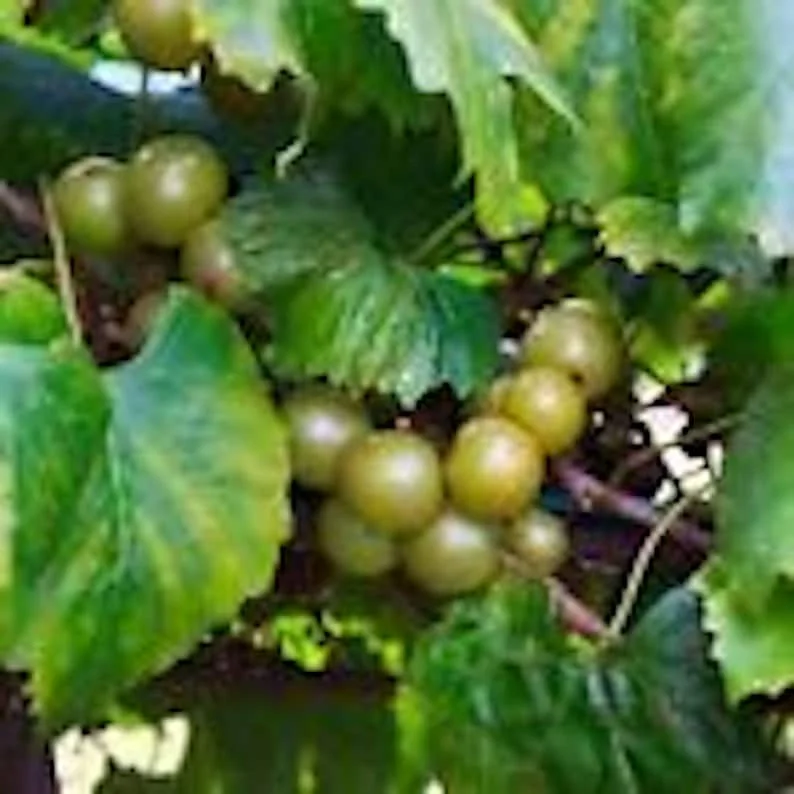
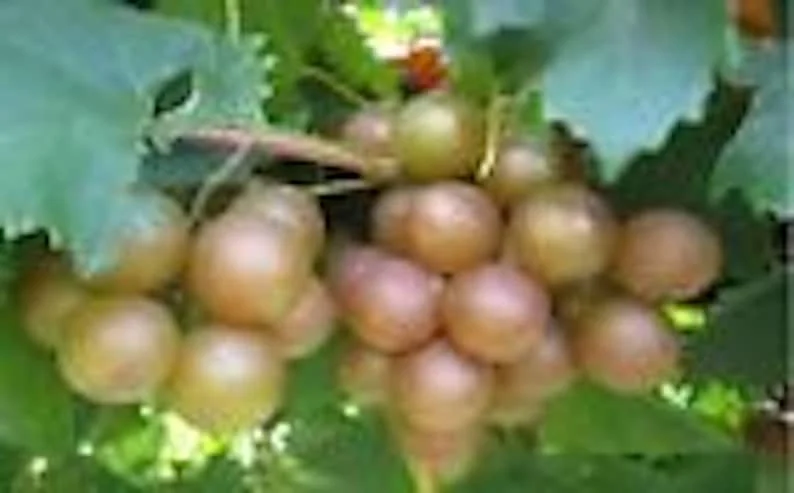
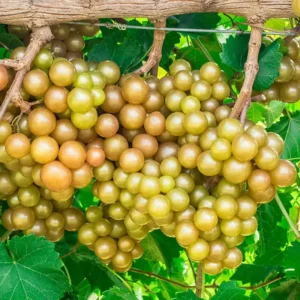
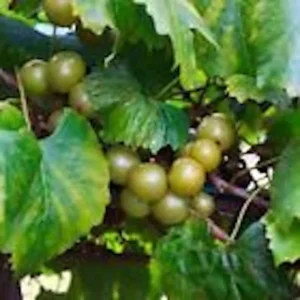
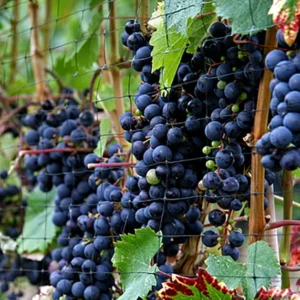
Embark on a rewarding gardening journey with the Muscadine grape live plant, specifically the esteemed Carlos variety (Vitis rotundifolia). This exceptional perennial vine is a favorite among home gardeners and culinary enthusiasts alike, celebrated for its delicious, sweet, and edible grapes. Originating from the southeastern United States, Muscadine grapes are known for their distinctive flavor and robust nature. This offering includes 10 starter plants, providing an excellent foundation for establishing a thriving vineyard or enhancing your existing landscape. Imagine abundant clusters of metallic bronze grapes adorning a vigorous, self-fertile vine, complemented by glossy, deep green leaves. These grape plants offer unparalleled quality for creating delicious wine and juice, making them more than just a fruit-bearing plant—they’re a stunning garden feature that promises years of bountiful harvests with minimal fuss. The Carlos grape vine is particularly noted for its reliable performance and adaptability.
The Vitis rotundifolia plant is highly regarded for its robust resilience. It exhibits natural resistance to many common pests and diseases, positioning it as a low-maintenance option for gardeners of all experience levels. Furthermore, it boasts exceptional cold tolerance, ensuring its ability to thrive across a wide range of climates. Adding these Muscadine Grape Plants to your garden means enjoying years of bountiful harvests with minimal effort, providing both aesthetic pleasure and a delicious yield. Whether you’re a seasoned vintner or simply looking to add a productive and attractive plant to your yard, these grape vines are an excellent choice.
The Muscadine grape live plant offers a multitude of advantages for any gardener, combining aesthetic appeal with practical benefits. These resilient vines are not only beautiful but also highly productive, providing a consistent supply of delicious fruit. Growing your own grapes allows for fresh consumption and opens up possibilities for various culinary creations.
Caring for your Muscadine grape live plant is relatively straightforward, thanks to its robust nature. To ensure optimal growth and fruit production, planting in a location that receives full sunlight is crucial. Muscadine vines thrive with at least 6-8 hours of direct sunlight daily. Well-draining soil is essential to prevent root rot; a sandy loam or loamy soil with a pH between 5.5 and 6.5 is ideal. Amend heavy clay soils with organic matter to improve drainage. When planting your 10 starter plants, space them approximately 10-20 feet apart to allow for mature growth and air circulation. Bare root plants should be planted in early spring.
Watering is critical during the establishment phase. Keep the soil consistently moist but not waterlogged. Once established, Carlos grape vine plants are quite drought-tolerant but will benefit from deep watering during dry spells, especially when fruit is developing. Fertilize young vines lightly with a balanced fertilizer in spring. As the vines mature, use a fertilizer with a higher potassium content to promote fruit production. Pruning is vital for Muscadine grapes; annual dormant pruning in late winter or early spring helps maintain vine structure, promotes air circulation, and maximizes fruit yield. Remove dead, damaged, or weak canes, and thin out overcrowded areas. Training the vines on a sturdy trellis, arbor, or fence is recommended for support and ease of harvesting. The perennial grape plant will reward consistent care with abundant harvests.
Muscadine grapes are generally resistant to many common pests and diseases, but monitoring for issues like leaf spot or powdery mildew is always a good practice. Good air circulation and proper pruning can help prevent fungal problems. The Vitis rotundifolia plant is well-suited for USDA hardiness zones 7-10, showcasing its excellent cold tolerance. Protecting young plants from late spring frosts can be beneficial. With proper care, your Muscadine grape plants will provide many years of delicious fruit and beautiful garden scenery.
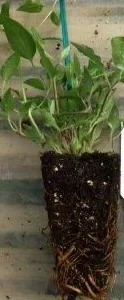
This offering includes 10 starter plants of the Muscadine Grape ‘Carlos’ cultivar (Vitis rotundifolia). These are typically shipped as bare root plants, ready for immediate planting upon arrival. While exact dimensions vary, starter plants are usually young vines, approximately 6-12 inches in length, with a healthy root system. Once planted, these vines are vigorous growers, quickly establishing themselves in suitable conditions. The mature size of a Muscadine grape live plant can be substantial, with vines easily reaching lengths of 15-20 feet or more when properly trained on a trellis or arbor. They are known for their strong, woody stems and lush foliage.
You can typically expect fruit production to begin within 2-3 years after planting these perennial grape plant starters. The ‘Carlos’ variety is a prolific bearer, yielding abundant clusters of medium-sized, metallic bronze grapes. The grapes are generally ready for harvest in late summer to early fall, depending on your specific climate and growing conditions. Each starter plant has the potential to become a large, fruit-producing vine, ensuring a generous yield for years to come. The goal is to provide you with healthy, viable young plants that will quickly adapt to your garden environment and begin their journey towards maturity.
You must be logged in to post a review.

Sold 76 products
Original price was: $38.56.$19.28Current price is: $19.28.
Sold 70 products
$89.99
Sold 96 products
Original price was: $114.99.$84.99Current price is: $84.99.
Sold 51 products
Original price was: $39.84.$19.92Current price is: $19.92.
Sold 67 products
Original price was: $51.98.$25.99Current price is: $25.99.
Sold 87 products
Original price was: $49.98.$29.98Current price is: $29.98.
Sold 73 products
Original price was: $59.99.$43.99Current price is: $43.99.
Sold 95 products
Original price was: $81.99.$61.99Current price is: $61.99.


Reviews
There are no reviews yet.