NEED SUPPORT WITH YOUR ORDER? Get in touch
Not satisfied with your purchase?
Enter your Order ID on website, and we'll resolve it right away.

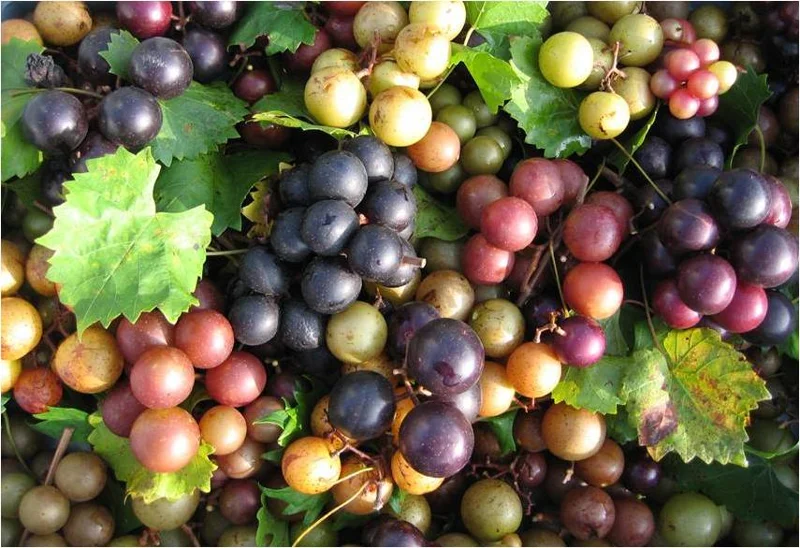
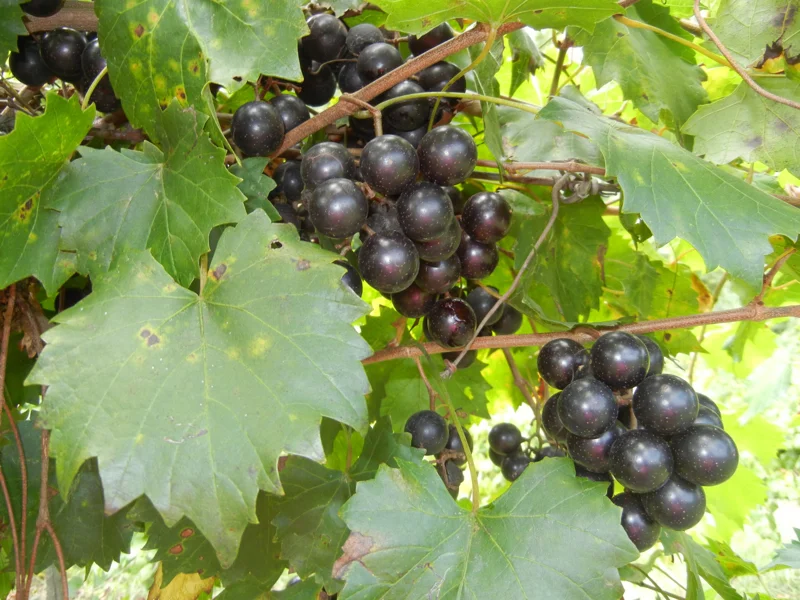

Original price was: $48.99.$28.99Current price is: $28.99.
Cultivate your own vineyard with a muscadine grape plant. This black grape starter plant is a cold hardy grape vine, offering delicious, edible fruit year after year. Perfect for arbors, trellises, or fences, it’s a self-fertile perennial for easy growing.
Feb 04
Feb 09 - Feb 11
Feb 14 - Feb 18
USDA Hardiness Zone
Soil Type
Sunlight Exposure
Expected Planting Period
Shipping and return policies: Our Alive & Thrive Guarantee covers issues with your plants within the first 30 days. Get in touch with us via email, and our team will review your concerns and, if necessary, provide you with a one-time replacement at no cost.
If you're unsure about your hardiness zone, feel free to reach out to us. Our team will answer your questions and help you find the plants that are truly suitable for your environment, climate, and personal preferences.
Start your own backyard vineyard with this exceptional muscadine grape plant. Known for its robust nature and bountiful yields, this perennial vine offers both ornamental beauty and delicious, edible fruit. The Muscadine grape (Vitis rotundifolia) is a native American grape species prized for its unique flavor profile, combining sweetness with a pleasant tartness. This black grape starter plant is an ideal choice for home gardeners looking to grow their own fresh grapes for eating, making jams, jellies, or even homemade wine. Its vigorous growth and adaptability make it a rewarding addition to any garden, transforming fences and arbors into lush, fruit-bearing displays.
The Muscadine grape is particularly celebrated for its resilience, thriving in various climates and proving to be a truly cold hardy grape vine. Unlike many other grape varieties, Muscadines are generally less susceptible to common grape diseases, making them a lower-maintenance option for gardeners. With its striking dark green foliage that transitions to beautiful autumnal colors, this plant enhances the aesthetic appeal of your landscape while promising a consistent supply of fresh, homegrown produce.
Integrating a muscadine grape plant into your garden brings a multitude of advantages, from its productivity to its aesthetic charm. This versatile vine provides not just sustenance but also visual interest throughout the seasons.
Caring for your muscadine grape plant is straightforward, ensuring a healthy vine and abundant harvests. These vines are quite adaptable, but providing optimal conditions will maximize fruit production and overall plant vigor. Muscadines require a significant amount of sunlight to thrive and produce sweet fruit. Plant your vine in a location that receives at least 6-8 hours of direct sunlight per day. Full sun exposure is crucial for both growth and the development of high-quality grapes. Ensure good air circulation around the plant to prevent fungal issues.
When it comes to watering, Muscadine grapes prefer consistently moist, but not waterlogged, soil, especially during their establishment period and fruit development. Once established, they are somewhat drought-tolerant but will benefit from deep watering during dry spells. The ideal soil for a cold hardy grape vine is well-drained, fertile, and slightly acidic to neutral (pH 5.5-6.5). Amend heavy clay soils with organic matter to improve drainage, and sandy soils to enhance water retention. Regular fertilization can support robust growth; use a balanced fertilizer in early spring as new growth begins, and again after fruit set. Pruning is essential for managing growth, promoting fruit production, and maintaining the plant’s structure. Prune in late winter or early spring while the vine is dormant, removing dead or weak wood and training the main canes.
This black grape starter plant is exceptionally cold hardy, generally thriving in USDA Zones 7-10. However, specific varieties may tolerate slightly colder or warmer conditions. Protect young plants from severe frosts until they are well-established. Keep an eye out for common pests like Japanese beetles and diseases such as black rot, though Muscadines are notably more resistant than many other grape types. Proper cultural practices, including good air circulation and sanitation, are your best defense. With consistent muscadine grape care, your vine will flourish and become a productive part of your garden.
This offering is for a muscadine grape plant, typically provided as a healthy starter plant, ready for transplanting into your garden. Muscadine vines are known for their vigorous growth, with mature plants capable of reaching lengths of up to 20 feet or more, depending on the support structure and pruning. They are fast-growing and will quickly establish themselves once planted in suitable conditions. The plant will arrive ready for planting, allowing you to begin growing your own edible muscadine grapes without delay. Expect fruit production to begin within 2-3 years after planting, with yields increasing significantly in subsequent years as the vine matures. Provide ample space and a strong trellis, arbor, or fence for optimal growth and ease of harvesting.
The mature size of the vine makes it an excellent choice for creating natural shade structures or covering large areas. The foliage is dense, providing a lush green canopy through the summer, and the clusters of black grapes add a beautiful dimension to the plant as they ripen. This black grape starter plant is a long-term investment that will continue to produce for many years with proper muscadine grape care and maintenance.
You must be logged in to post a review.
Sold 65 products
Original price was: $39.98.$19.99Current price is: $19.99.
Sold 89 products
Original price was: $64.99.$34.99Current price is: $34.99.
Sold 85 products
Original price was: $57.98.$28.99Current price is: $28.99.
Sold 93 products
Original price was: $58.58.$29.29Current price is: $29.29.
Sold 64 products
Original price was: $38.80.$19.40Current price is: $19.40.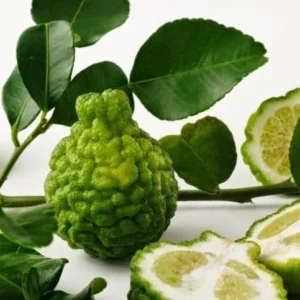
Fruits
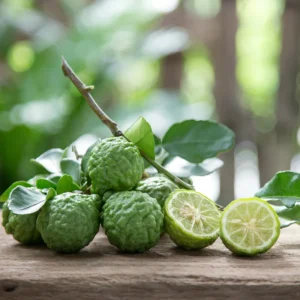
Kaffir Lime Starter Plug – Kaffir Lime Citrus Fruit Plants-Lemon Tree 2-3 Inch Live Plant Seedling
Sold 98 products
Original price was: $68.99.$47.99Current price is: $47.99.
Sold 57 products
Original price was: $72.99.$52.99Current price is: $52.99.
Sold 51 products
Original price was: $78.99.$48.99Current price is: $48.99.


Reviews
There are no reviews yet.