NEED SUPPORT WITH YOUR ORDER? Get in touch
Not satisfied with your purchase?
Enter your Order ID on website, and we'll resolve it right away.

Original price was: $38.99.$19.99Current price is: $19.99.
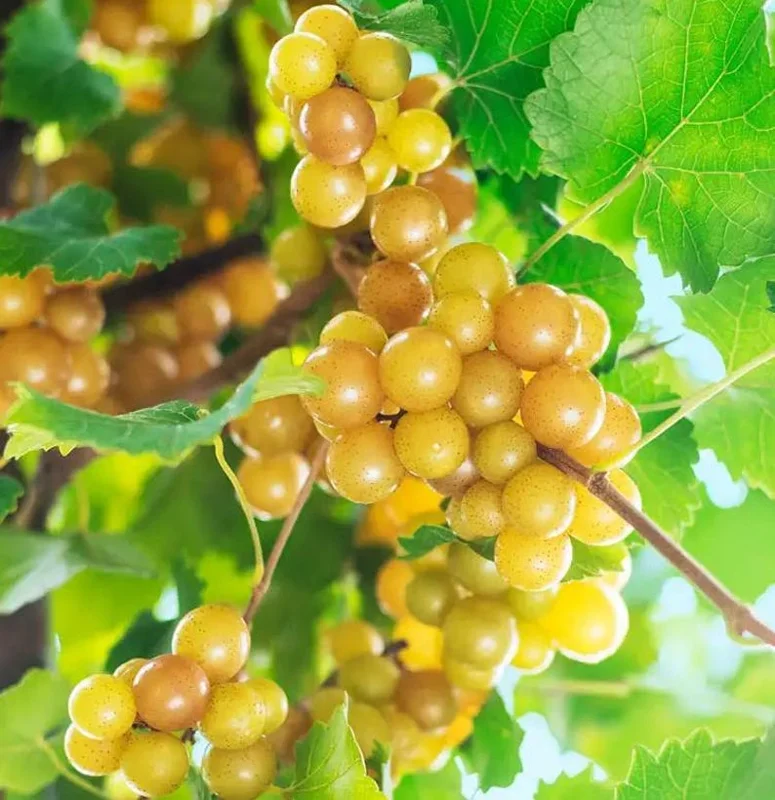
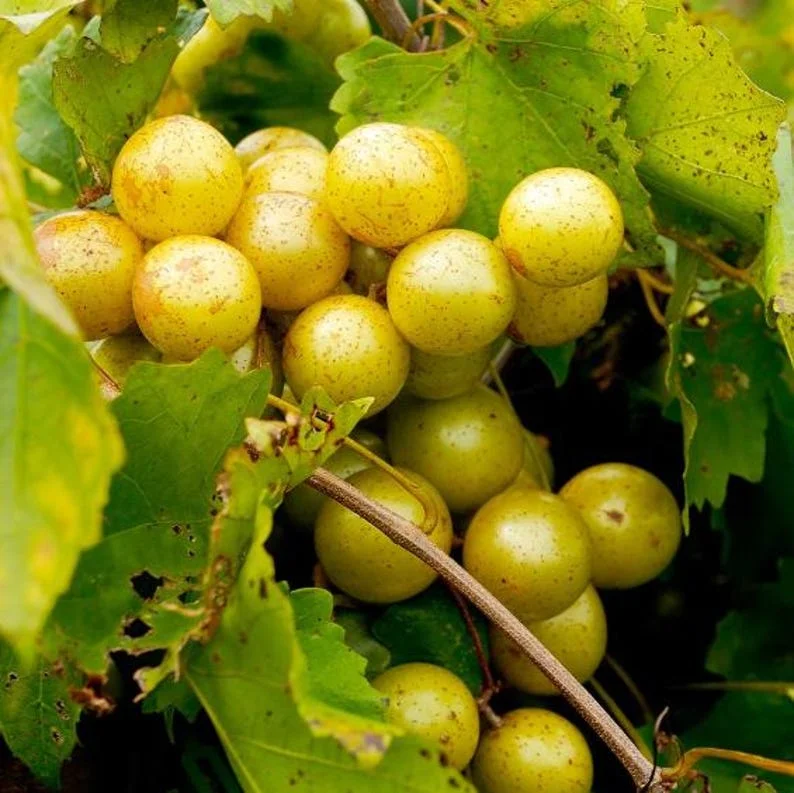
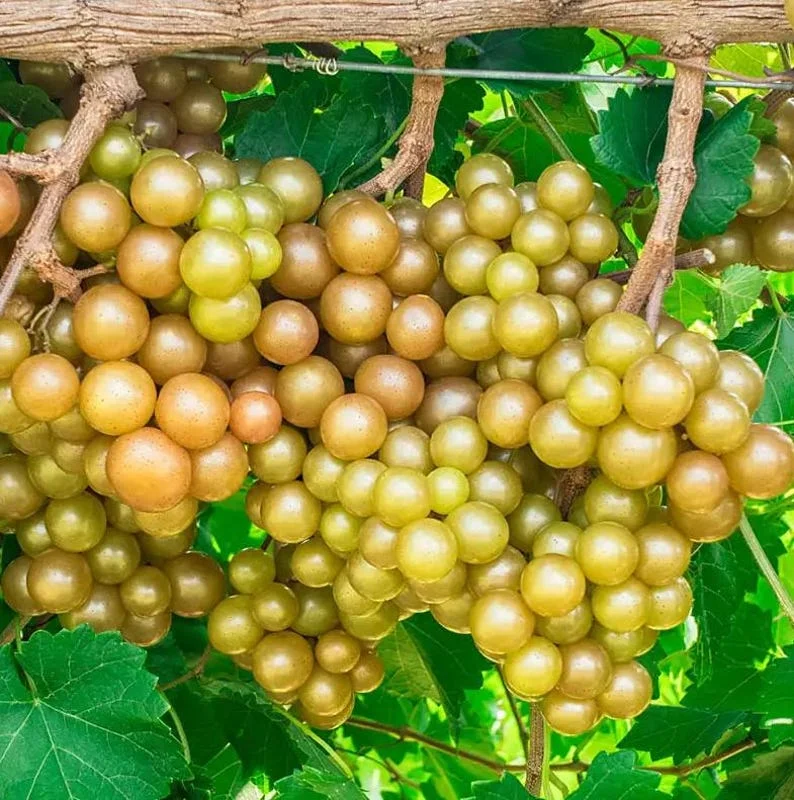
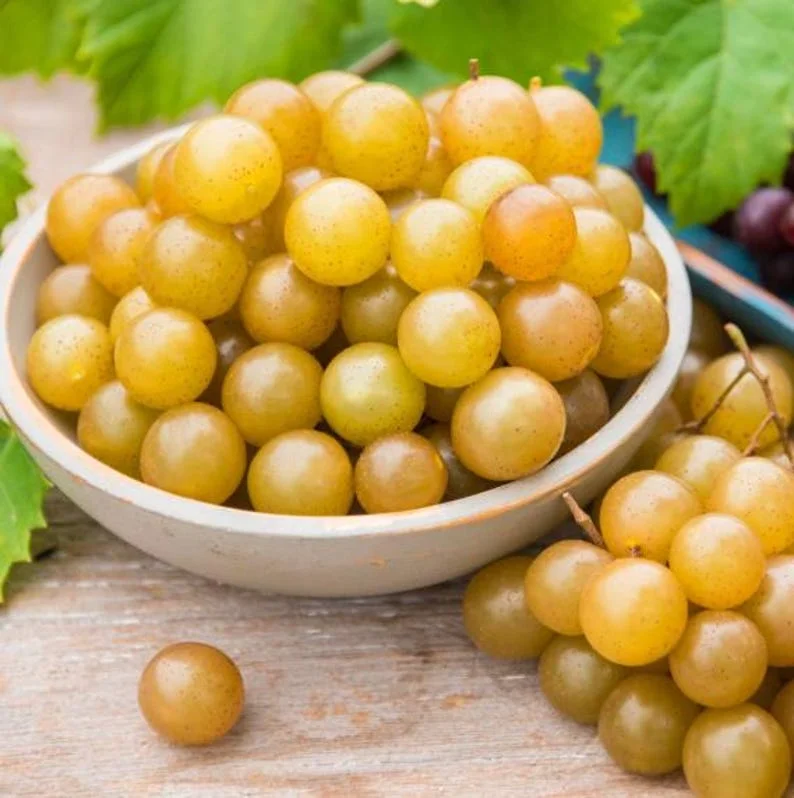
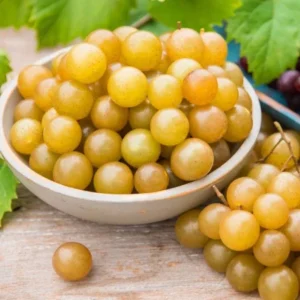
Cultivate your own vineyard with this muscadine grape live plant (Vitis Rotundifolia). Standing 4 to 6 inches tall, this resilient vine is ready for your home garden. Enjoy plump, flavorful fruit perfect for fresh eating, preserves, or juice. It’s an easy-to-grow, slip-skin variety that thrives in various conditions, bringing bountiful harvests to your backyard.
Mar 03
Mar 08 - Mar 10
Mar 13 - Mar 17
USDA Hardiness Zone
Soil Type
Sunlight Exposure
Expected Planting Period
Shipping and return policies: Our Alive & Thrive Guarantee covers issues with your plants within the first 30 days. Get in touch with us via email, and our team will review your concerns and, if necessary, provide you with a one-time replacement at no cost.
If you're unsure about your hardiness zone, feel free to reach out to us. Our team will answer your questions and help you find the plants that are truly suitable for your environment, climate, and personal preferences.
Bring the joy of an abundant harvest directly to your home garden with this exceptional muscadine grape live plant. Known botanically as Vitis Rotundifolia, this live, young vine is ready to be planted and will soon transform your outdoor space into a lush, fruit-producing haven. Muscadine grapes are celebrated for their distinctive flavor, thick skin, and juicy interior, making them a popular choice for fresh consumption, delicious jams, and refreshing juices. Unlike many other grape varieties, Muscadines are incredibly resilient and well-suited for a wide range of climates, particularly thriving in warmer regions. This fruit bearing plant offers both ornamental beauty with its vibrant foliage and the practical benefit of homegrown fruit, making it a perfect addition for both novice and experienced gardeners seeking to cultivate their own produce.
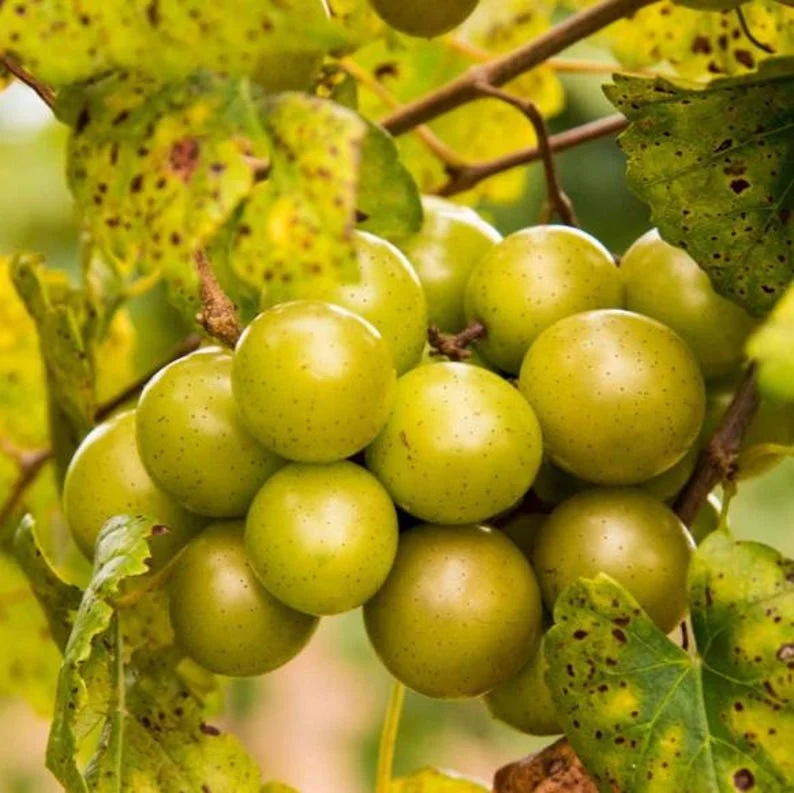
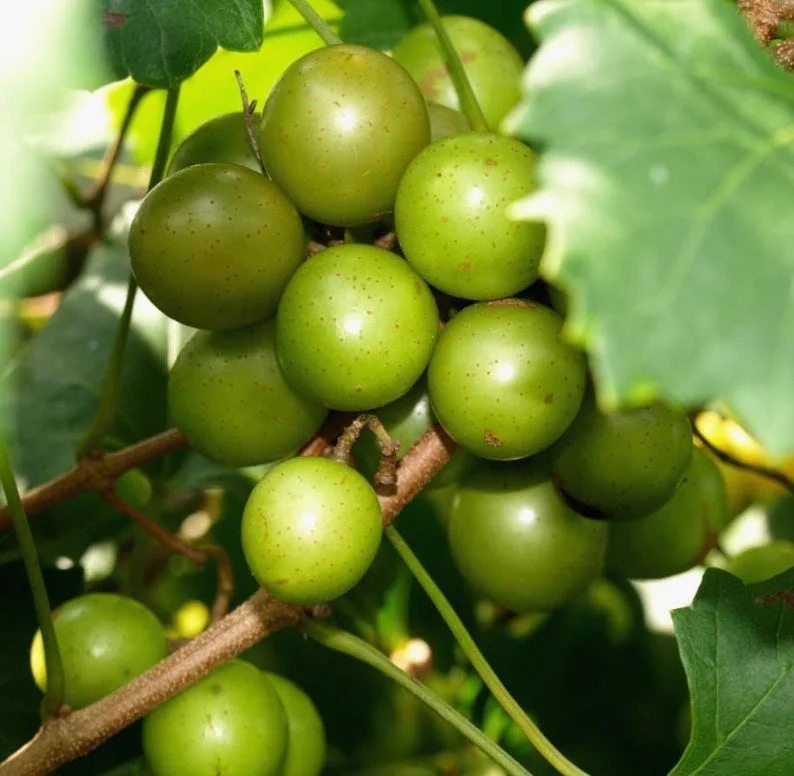
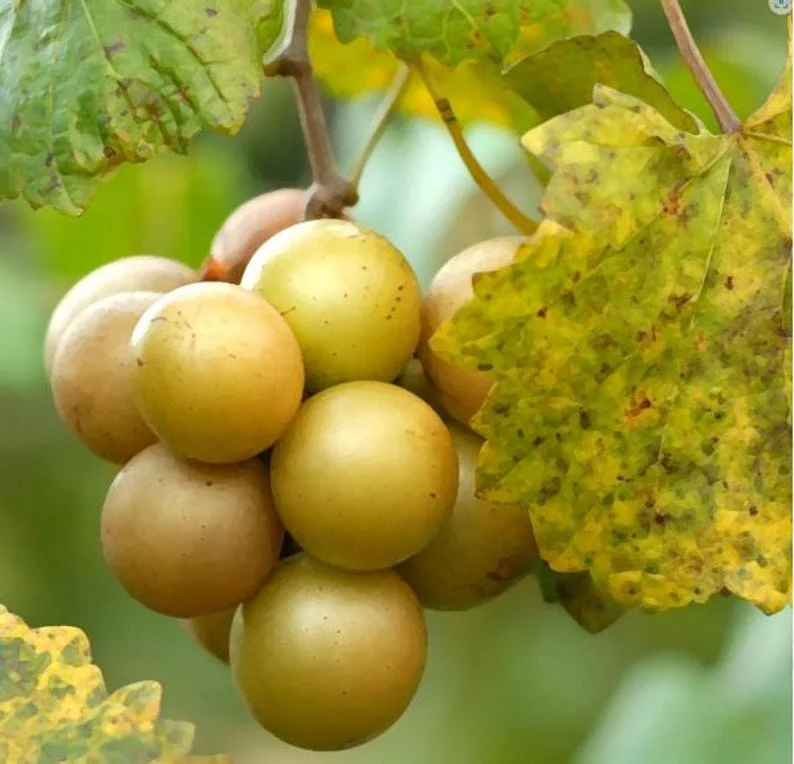
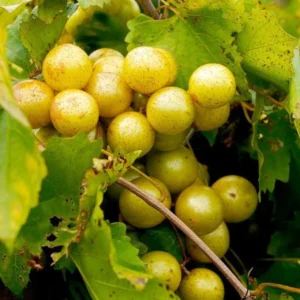
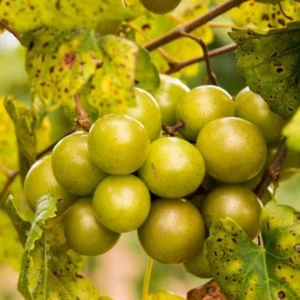
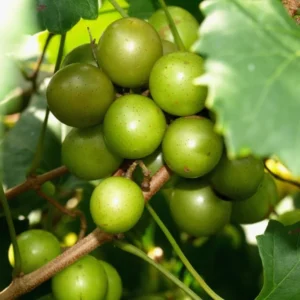
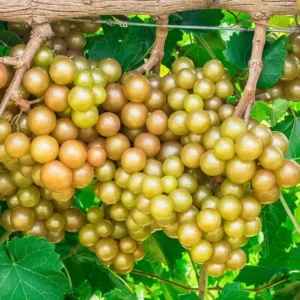
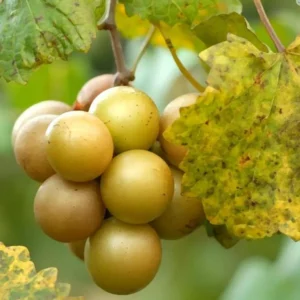
The Muscadine grape, often resembling small plums, grows in loose clusters and boasts a rich flavor profile. Its unique ‘slip-skin’ characteristic allows the tough skin to be easily removed, revealing a sweet and tender pulp. The berries mature from green to a beautiful bronze, dark purple, or nearly black hue, indicating their ripeness. This easy-to-grow grapevine provides a rewarding gardening experience, allowing you to enjoy the satisfaction of harvesting your own fruit year after year. Invest in this resilient muscadine grape live plant and start your journey towards delicious, homegrown grapes.
Growing your own Muscadine grapes offers a multitude of benefits, from the sheer delight of fresh fruit to enhancing your garden’s aesthetic and productivity. This vitis rotundifolia vine is a robust choice for any gardener.
Ensuring your muscadine grape live plant thrives involves understanding its specific needs for sunlight, water, and soil. Muscadines are generally low-maintenance, but providing optimal conditions from the start will lead to a more vigorous vine and a more abundant harvest. For successful establishment and long-term health of your vitis rotundifolia vine, follow these guidelines carefully.
Muscadine grapes require full sun exposure, meaning at least 6 to 8 hours of direct sunlight daily. This is crucial for fruit production and overall plant health. Plant your vine in well-drained, sandy, or loamy soils. Good drainage is paramount to prevent root rot. While they prefer slightly acidic to neutral soil (pH 5.5-6.5), they are quite tolerant. Moderate watering is essential, especially during dry periods and the critical flowering and fruit development stages. Avoid overwatering once established, as they are somewhat drought-tolerant. Ideal temperatures for growth range between 70 and 95 degrees Fahrenheit, with a preference for moderate to high humidity levels. This plant thrives in USDA Hardiness Zones 7 to 10, making it suitable for many southern and coastal regions of the US. Regular pruning is important to maintain plant shape, encourage new growth, and maximize fruit yield. Fertilize in early spring with a balanced fertilizer, avoiding high nitrogen which can promote excessive foliage over fruit. Protect young plants from pests and diseases, though Muscadines are generally resistant to many common grape ailments.
When considering growing muscadine grapes, proper support is also vital. Muscadine vines are vigorous growers and will need a sturdy trellis, arbor, or fence to climb. This not only supports the heavy fruit load but also improves air circulation, reducing disease risk. Consistent care, especially in the first few years, will ensure your vine establishes a strong root system, leading to years of delicious fruit production from your fruit bearing plant.
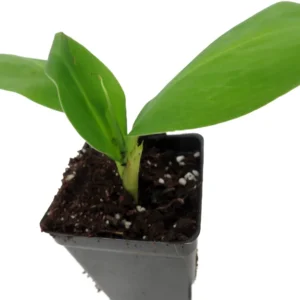
This muscadine grape live plant arrives as a young, healthy specimen, typically standing 4 to 6 inches tall. It is carefully nurtured to ensure it’s ready for immediate planting in your home garden. Muscadine grapes are known for their vigorous growth habit, quickly establishing themselves once planted in suitable conditions. The berries themselves usually grow to be 2-4 centimeters in diameter, resembling small plums, and are renowned for their rich flavor profile. You can expect your vine to begin producing fruit within 2-3 years, with yields increasing significantly as the plant matures.
The plant is shipped in a nursery pot, ensuring its root system is protected and hydrated during transit. With proper care, this vitis rotundifolia vine will grow into a robust plant, reaching significant lengths and widths depending on the support structure provided. The blooms appear from spring to summer, leading to a harvest typically in late summer to early fall. This resilient plant is an excellent long-term investment for any gardener looking to grow their own delicious fruit.
You must be logged in to post a review.
Sold 50 products
Original price was: $49.99.$34.99Current price is: $34.99.
Sold 76 products
Original price was: $38.80.$19.40Current price is: $19.40.
Sold 86 products
Original price was: $58.58.$29.29Current price is: $29.29.
Sold 51 products
Original price was: $64.99.$34.99Current price is: $34.99.
Sold 84 products
Original price was: $53.98.$26.99Current price is: $26.99.
Sold 66 products
Original price was: $89.99.$57.99Current price is: $57.99.
Sold 82 products
Original price was: $64.99.$34.99Current price is: $34.99.
Sold 84 products
Original price was: $79.98.$39.99Current price is: $39.99.


Reviews
There are no reviews yet.