NEED SUPPORT WITH YOUR ORDER? Get in touch
Not satisfied with your purchase?
Enter your Order ID on website, and we'll resolve it right away.

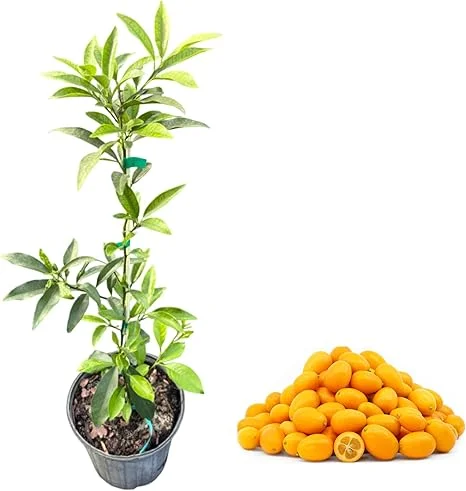
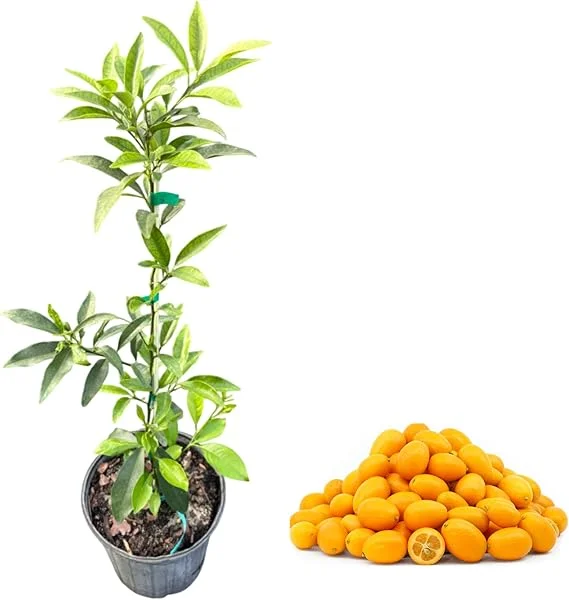
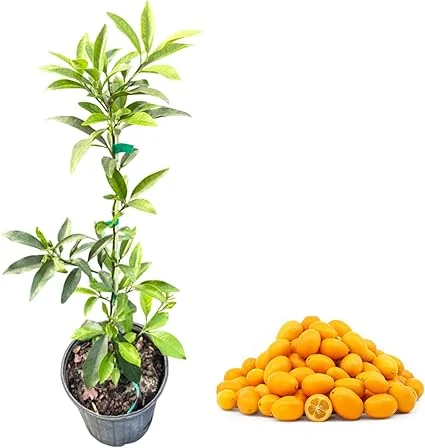
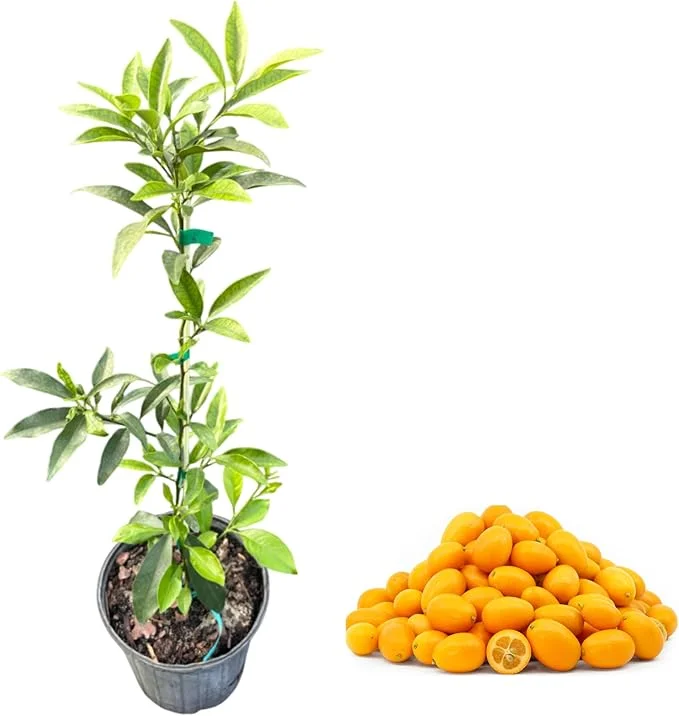
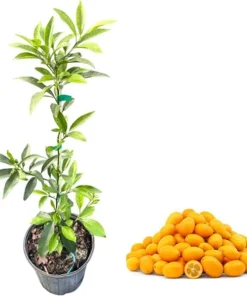
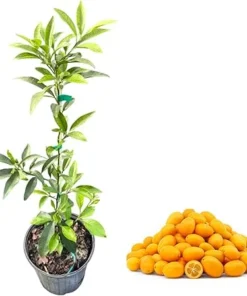
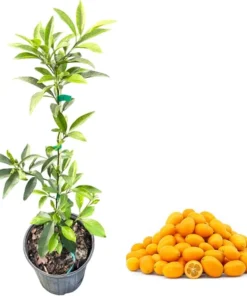
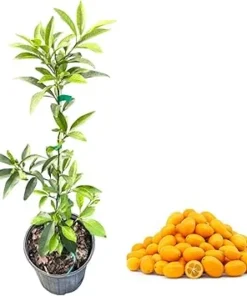
Original price was: $150.00.$130.00Current price is: $130.00.
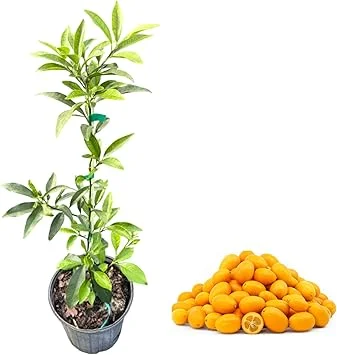
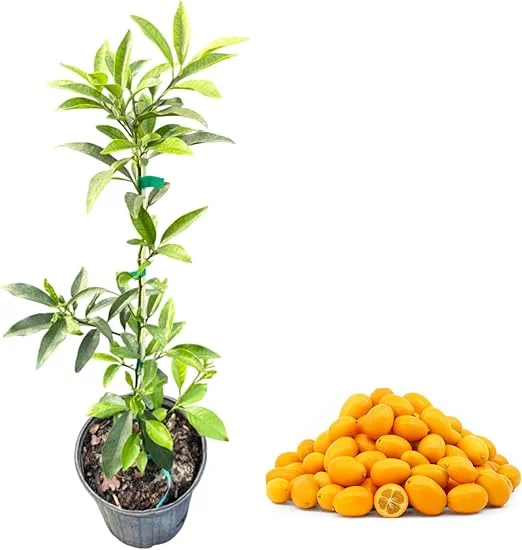
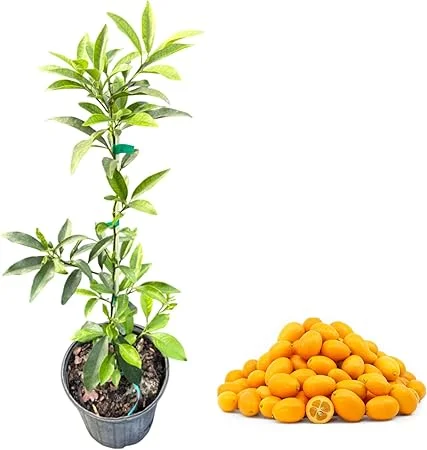
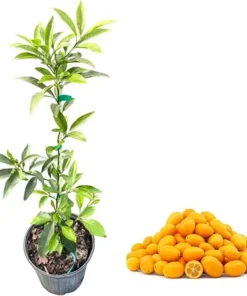
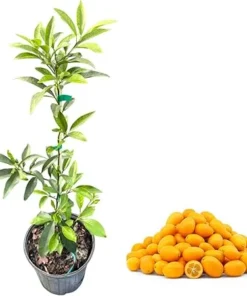
Cultivate your own citrus with this nagami kumquat tree live plant. Standing 2 feet tall in a 2-gallon pot, this grafted perennial fruit tree is suitable for both indoor and outdoor environments. Enjoy its vibrant orange fruit and attractive foliage.
Feb 07
Feb 12 - Feb 14
Feb 17 - Feb 21
USDA Hardiness Zone
Soil Type
Sunlight Exposure
Expected Planting Period
Shipping and return policies: Our Alive & Thrive Guarantee covers issues with your plants within the first 30 days. Get in touch with us via email, and our team will review your concerns and, if necessary, provide you with a one-time replacement at no cost.
If you're unsure about your hardiness zone, feel free to reach out to us. Our team will answer your questions and help you find the plants that are truly suitable for your environment, climate, and personal preferences.
Bring the joy of fresh, homegrown citrus to your space with our exquisite nagami kumquat tree live plant. This beautiful and productive tree is a fantastic addition to any garden or patio, and can even thrive indoors in cooler climates. Known for its distinctively tart yet sweet fruit, the Nagami Kumquat is perfect for snacking, marmalades, and culinary creations. Our nagami kumquat tree live plant arrives as a healthy, grafted specimen, ensuring robust growth and earlier fruit production. Its compact size makes it versatile for a variety of growing conditions, offering delightful fragrance from its blooms and a bounty of colorful fruit.
The Nagami Kumquat (Citrus margarita ‘Nagami’) is a beloved member of the citrus family, cherished for its oblong, bright orange fruit that can be eaten whole, skin and all. This particular variety is highly sought after for its ornamental appeal as well as its delicious yield. Whether you’re an experienced gardener or just starting your citrus journey, this nagami kumquat tree live plant provides an accessible and rewarding growing experience.
Investing in a nagami kumquat tree live plant offers a multitude of benefits, enriching both your culinary experiences and your living environment. Its unique characteristics make it a standout choice among fruit trees.
Caring for your nagami kumquat tree live plant is a rewarding experience that will lead to bountiful harvests. Understanding its specific needs for sunlight, water, and soil is crucial for its success, especially when considering nagami kumquat care.
Sunlight Requirements: Nagami Kumquats thrive in full sun, requiring at least 6-8 hours of direct sunlight per day. If growing indoors, place the plant near a south-facing window or supplement with a grow light to ensure it receives adequate light. Outdoors, choose a location that maximizes sun exposure while offering some protection from harsh afternoon sun in extremely hot climates. Good light is essential for healthy growth and prolific fruit production.
Watering: Water deeply when the top 1-2 inches of soil feel dry to the touch. Avoid overwatering, as kumquats are susceptible to root rot. Ensure the pot has excellent drainage if growing in a container. During hot, dry periods, you may need to water more frequently. Reduce watering somewhat during the cooler, dormant months. Consistent moisture, without being waterlogged, is key for a healthy kumquat fruit tree.
Soil and Fertilization: Use a well-draining potting mix specifically formulated for citrus or a general-purpose potting mix amended with perlite or sand to improve drainage. The ideal pH for kumquats is slightly acidic, between 6.0 and 7.0. Fertilize your kumquat tree regularly during the growing season (spring through fall) with a balanced citrus fertilizer, following the product’s instructions. Reduce fertilization in winter when the plant’s growth slows down. Proper nutrition is vital for strong growth and fruit development.
Temperature and Hardiness: This kumquat tree is hardy in USDA Zones 8-11. In colder zones, it must be protected from frost or brought indoors when temperatures drop below freezing. While it can tolerate brief dips, prolonged cold can damage the plant. Indoors, maintain a consistent temperature and avoid sudden drafts. Prune your tree to maintain its desired shape and size, and to remove any dead or crossing branches, which contributes to overall nagami kumquat care.
This nagami kumquat tree live plant arrives as a robust specimen, approximately 2 feet tall, measured from the base of the pot to the top of the plant. It is securely rooted in a 2-gallon nursery pot, providing ample space for its initial growth and establishment. The plant is grafted, which means it has been propagated to ensure strong root systems and accelerate fruit bearing. While the exact dimensions of the plant will vary slightly due to its living nature, it is well-proportioned for immediate planting or continued container growth. Expect this perennial fruit tree to continue growing, reaching mature heights of 6-10 feet if planted in the ground, or remaining more compact in a container with regular pruning. With proper care, you can anticipate flowers in late spring to early summer, followed by fruit ripening in late fall to winter, offering a delightful seasonal harvest.
You must be logged in to post a review.
Sold 83 products
Original price was: $258.98.$129.49Current price is: $129.49.
Sold 95 products
Original price was: $219.98.$109.99Current price is: $109.99.
Sold 73 products
Original price was: $55.98.$27.99Current price is: $27.99.
Sold 55 products
Original price was: $119.98.$59.99Current price is: $59.99.
Sold 97 products
Original price was: $69.98.$34.99Current price is: $34.99.
Sold 60 products
Original price was: $259.98.$129.99Current price is: $129.99.
Sold 53 products
Original price was: $55.98.$27.99Current price is: $27.99.
Sold 78 products
Original price was: $59.98.$29.99Current price is: $29.99.
Reviews
There are no reviews yet.