NEED SUPPORT WITH YOUR ORDER? Get in touch
Not satisfied with your purchase?
Enter your Order ID on website, and we'll resolve it right away.

Original price was: $75.99.$42.99Current price is: $42.99.
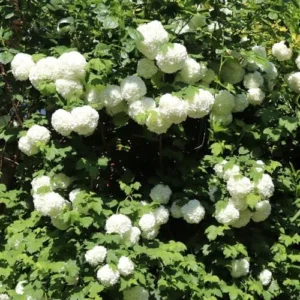
Enhance your garden with the versatile Nannyberry Viburnum bush, a robust edible fruit shrub that doubles as a beautiful small tree. Growing 12 to 14 inches tall, it provides sustenance for wildlife and features attractive white flowers, making it a perfect wildlife friendly viburnum.
Mar 03
Mar 08 - Mar 10
Mar 13 - Mar 17
USDA Hardiness Zone
Soil Type
Sunlight Exposure
Expected Planting Period
No Shipping To
Shipping and return policies: Our Alive & Thrive Guarantee covers issues with your plants within the first 30 days. Get in touch with us via email, and our team will review your concerns and, if necessary, provide you with a one-time replacement at no cost.
If you're unsure about your hardiness zone, feel free to reach out to us. Our team will answer your questions and help you find the plants that are truly suitable for your environment, climate, and personal preferences.
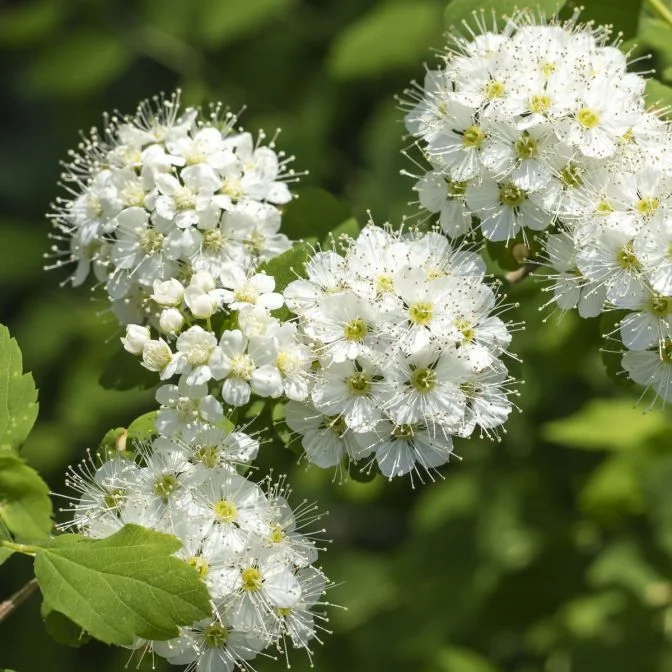
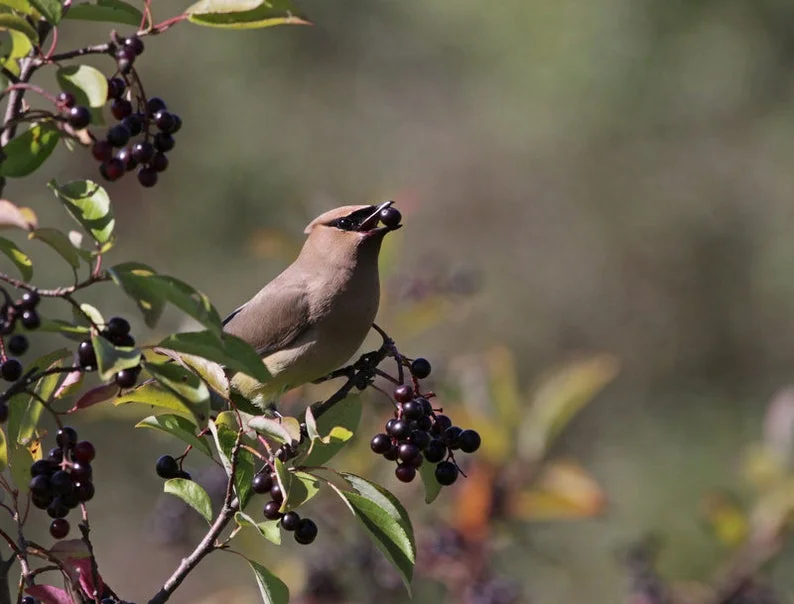
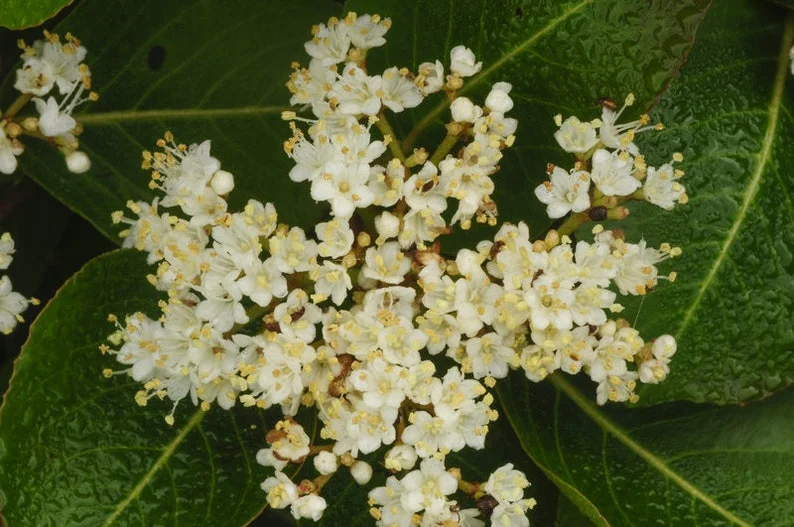
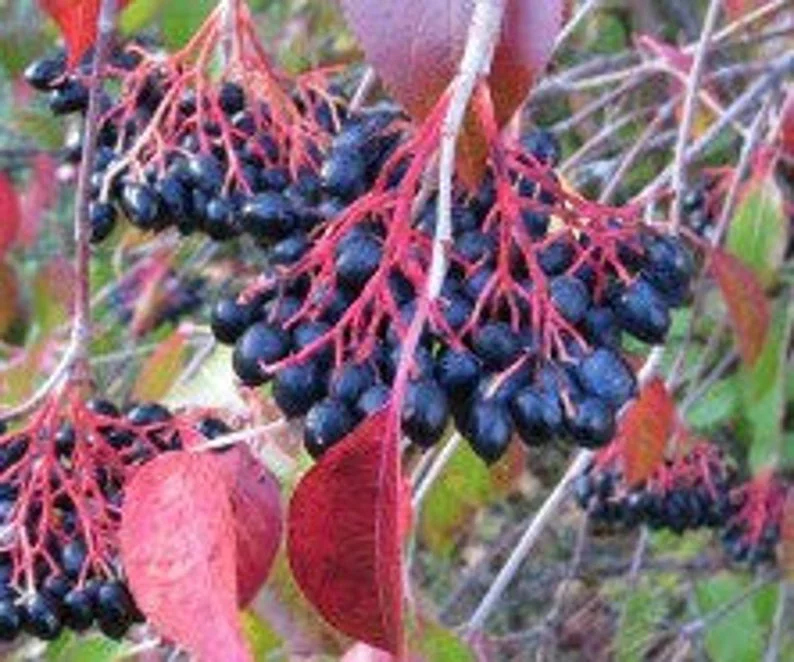
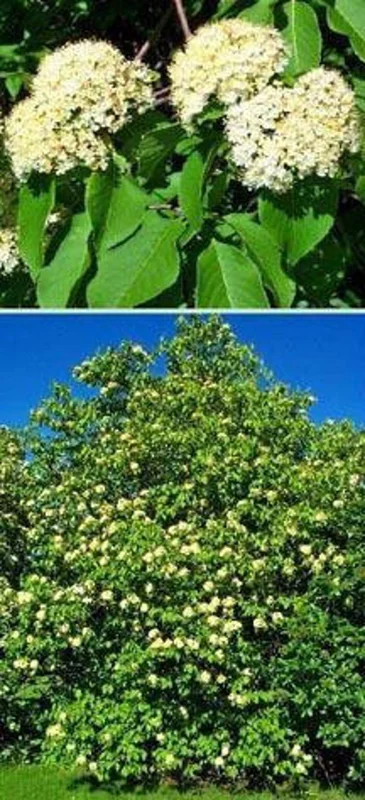
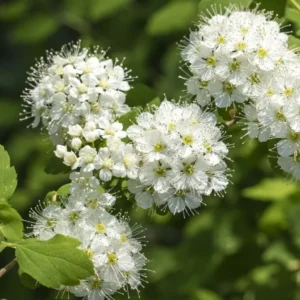
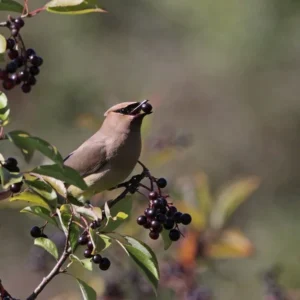
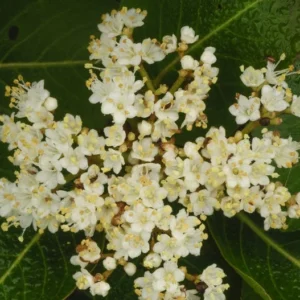
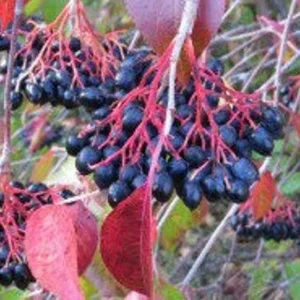
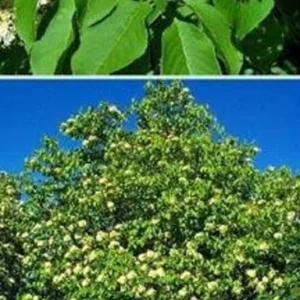
Introduce a magnificent centerpiece to your landscape with the Nannyberry Viburnum bush, a truly versatile and resilient live plant. Also known as Blackhaw, Sheepberry, Sweet Viburnum, or Wild Raisin, this attractive shrub or small tree, scientifically named Viburnum lentago, offers year-round interest. In mid to late May, it bursts forth with small, fragrant white flowers that create a stunning visual display. These flowers mature into edible fruits that transition from light green to a deep black in the fall, resembling raisins and persisting through winter. This makes the Nannyberry Viburnum bush an invaluable food source for various wildlife species, especially during colder months. Shipped bare root and in a dormant state, this robust plant is ready to establish itself in your garden, offering both ecological benefits and aesthetic appeal.
The Viburnum lentago live plant is celebrated for its adaptability, thriving in a wide range of conditions from full sun to partial shade and tolerating various soil types, though it prefers rich, moist soil. Its leaves, measuring 2 to 5 inches long, emerge as a vibrant light green before maturing into a deep, glossy dark green. This hardiness makes it an excellent choice for challenging sites, where it can be used effectively as a hedge, background plant, or natural barrier. The plant’s tendency to sucker at the base creates a dense and appealing landscape feature, further enhancing its value in garden design.
The Nannyberry Viburnum bush is more than just a beautiful plant; it’s a multi-functional addition that enriches your garden environment. Its numerous benefits contribute to both the beauty and biodiversity of your outdoor space, making it a wise choice for any gardener looking to combine aesthetics with ecological value.
Caring for your Nannyberry Viburnum bush is relatively straightforward, thanks to its robust and adaptable nature. This plant thrives with proper attention to its basic needs, ensuring it grows into a healthy and productive part of your landscape. The ideal planting season for your Viburnum lentago live plant is during the spring or fall, allowing it to establish its root system before extreme temperatures. When planting, ensure the site has good drainage, as waterlogged conditions can be detrimental. Dig a hole twice as wide as the root ball and just as deep, gently spreading the roots before backfilling with soil.
For optimal growth, the Nannyberry Viburnum prefers rich, moist, well-draining soil, but it is highly adaptable and can tolerate a variety of soil types, including clay and sandy soils, as long as drainage is adequate. It performs best in full sun, which means at least six hours of direct sunlight per day, but it is also quite tolerant of partial shade. In shadier conditions, it may produce fewer flowers and fruits. Regular watering is crucial during the first growing season to help establish the root system. Once established, the Nannyberry Viburnum is moderately drought-tolerant, but consistent moisture will promote healthier growth and more abundant fruiting. Fertilize annually in early spring with a balanced slow-release fertilizer to support vigorous growth.
The Nannyberry care routine also involves occasional pruning. Prune in late winter or early spring while the plant is dormant to remove any dead, damaged, or crossing branches. You can also prune to maintain a desired shape or size, or to encourage bushier growth. This plant is hardy in USDA zones 2-8, making it suitable for a wide range of climates. Pests and diseases are generally not a major concern for the Nannyberry Viburnum, though occasional issues like aphid infestations or fungal spots can occur. These can typically be managed with organic pest control methods or appropriate fungicides. Remember that this plant is shipped bare root and in a dormant state; it should not be planted in pots for long-term growth as it is field grown and designed for landscape planting.
This offering is for a Nannyberry Viburnum bush that is typically 12 to 14 inches tall at the time of shipment. As a live plant, it is shipped bare root and in a dormant state, meaning it will have no leaves upon arrival, which is completely normal for a healthy, field-grown specimen. This allows for easier transplanting and reduces stress on the plant. During its initial growth phase, expect a moderate growth rate, eventually reaching an impressive mature height of up to 20 feet if left untrimmed, with a similar spread, forming a substantial shrub or small multi-stemmed tree. The Nannyberry Viburnum will begin to produce its fragrant white flowers in mid to late May, followed by the development of its distinctive edible fruit shrub berries in late summer, which persist through fall and into winter. Its adaptable nature ensures it will thrive and become a prominent feature in your garden for many years.
You must be logged in to post a review.
Sold 98 products
Original price was: $49.98.$24.99Current price is: $24.99.
Sold 74 products
Original price was: $74.99.$44.99Current price is: $44.99.
Sold 95 products
Original price was: $76.99.$46.99Current price is: $46.99.
Sold 71 products
Original price was: $55.78.$27.89Current price is: $27.89.
Sold 52 products
Original price was: $89.98.$44.99Current price is: $44.99.
Sold 97 products
Original price was: $53.98.$26.99Current price is: $26.99.
Sold 95 products
Original price was: $37.98.$18.99Current price is: $18.99.
Sold 83 products
Original price was: $70.99.$40.99Current price is: $40.99.

Reviews
There are no reviews yet.