NEED SUPPORT WITH YOUR ORDER? Get in touch
Not satisfied with your purchase?
Enter your Order ID on website, and we'll resolve it right away.

Original price was: $75.99.$59.99Current price is: $59.99.
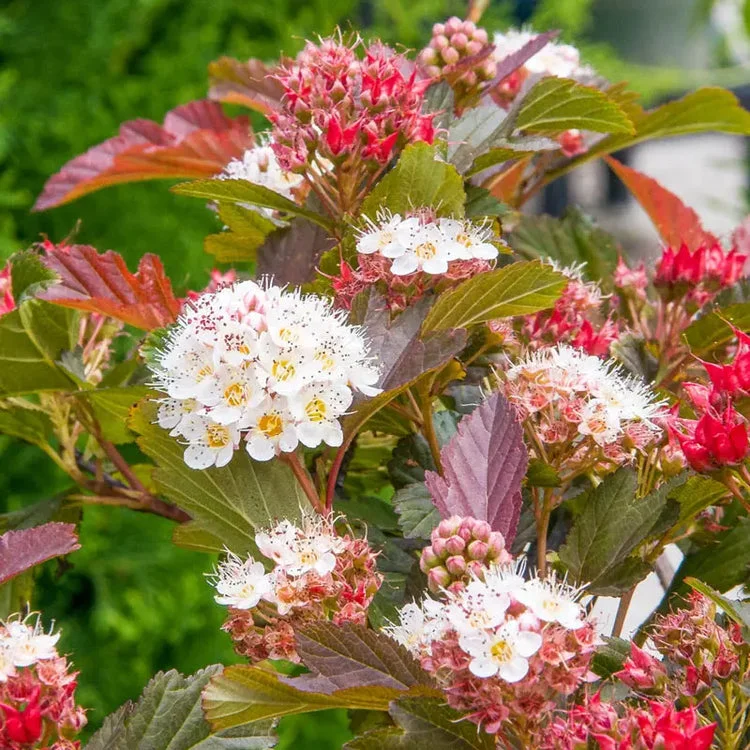
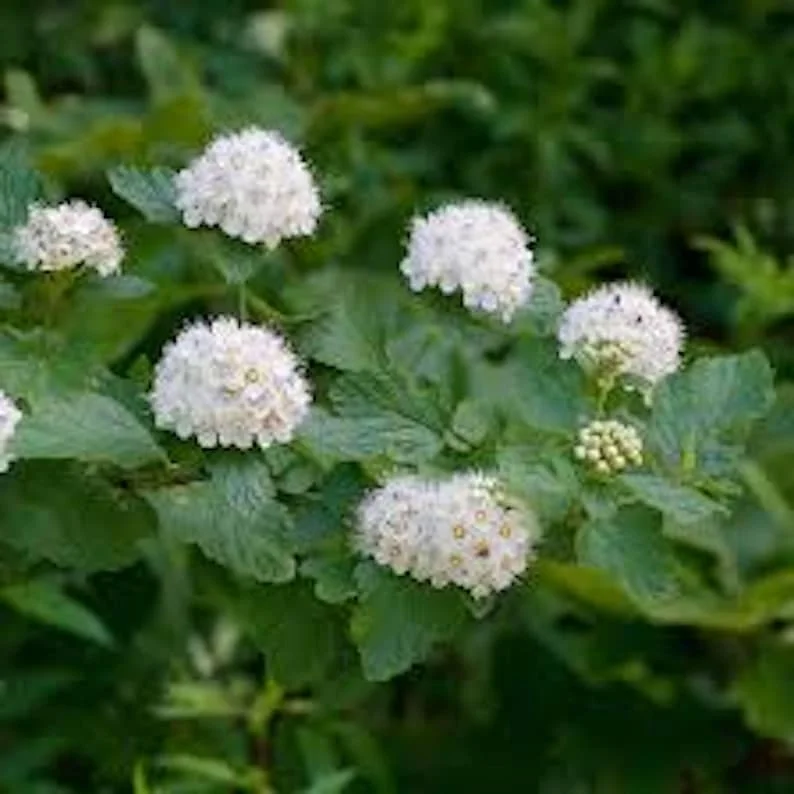
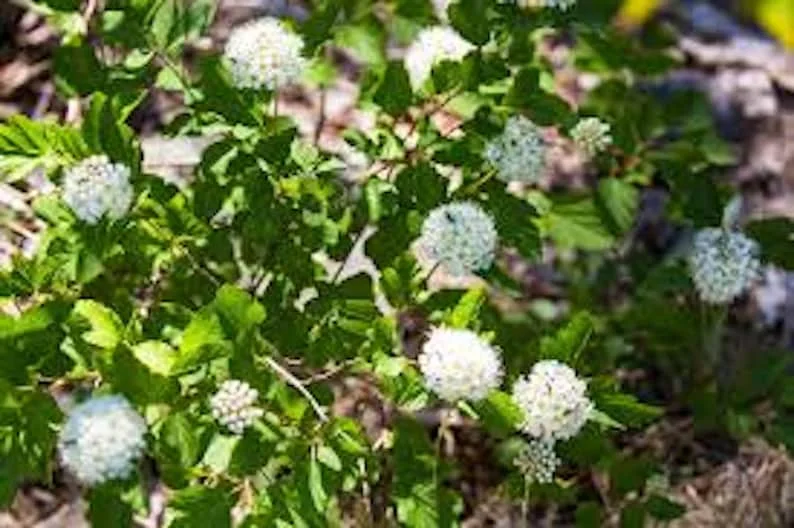
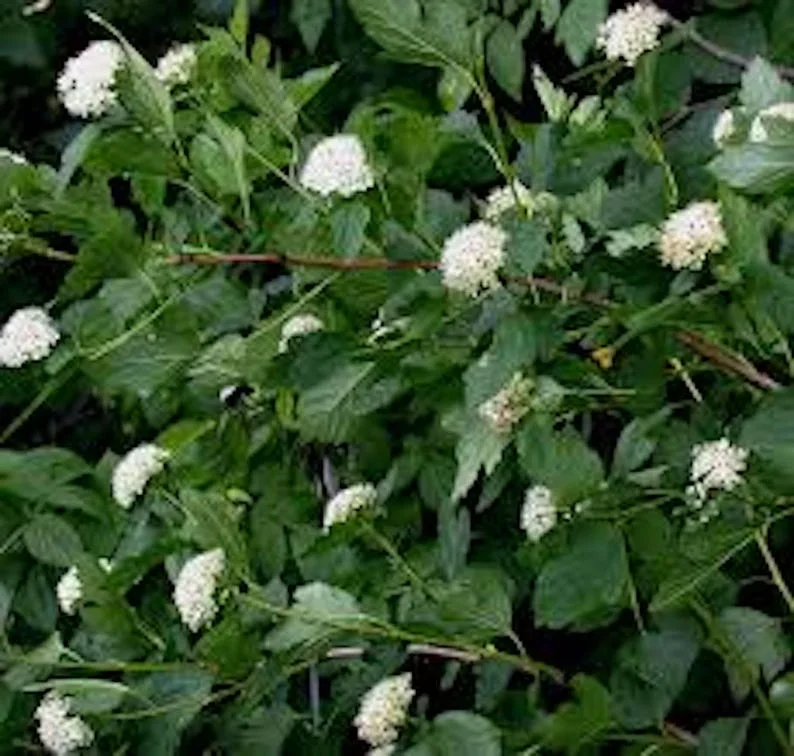
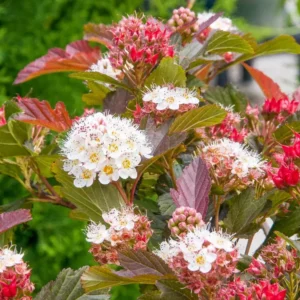
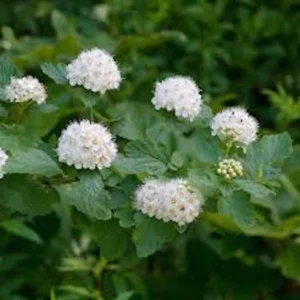
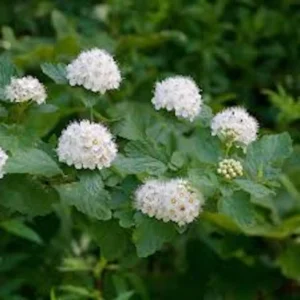
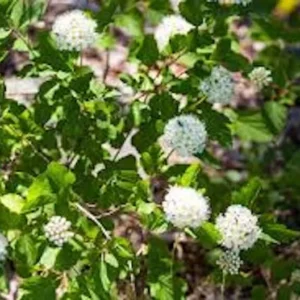
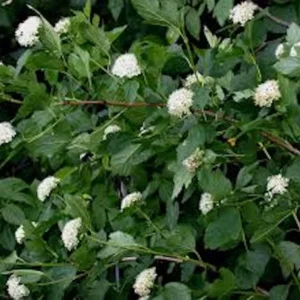
Add year-round beauty to your landscape with this Ninebark plant 3-pack. These hardy deciduous shrubs (Physocarpus opulifolius) grow 12-24 inches tall, offering stunning foliage, flowers, and unique peeling bark. Perfect for hedges or focal points, they are easy to care for and adaptable to various conditions.
Feb 04
Feb 09 - Feb 11
Feb 14 - Feb 18
USDA Hardiness Zone
Soil Type
Sunlight Exposure
Expected Planting Period
Shipping and return policies: Our Alive & Thrive Guarantee covers issues with your plants within the first 30 days. Get in touch with us via email, and our team will review your concerns and, if necessary, provide you with a one-time replacement at no cost.
If you're unsure about your hardiness zone, feel free to reach out to us. Our team will answer your questions and help you find the plants that are truly suitable for your environment, climate, and personal preferences.
Transform your garden with the elegant and resilient Ninebark plant. This 3-pack of hardy deciduous shrubs, specifically Physocarpus opulifolius, brings unmatched visual interest and easy-care beauty to any outdoor space. Each plant arrives standing between 12 to 24 inches tall, ready to establish quickly and provide a dynamic focal point or lush border. Known for its adaptability, the Ninebark is a fantastic choice for both novice and seasoned gardeners seeking a low-maintenance yet high-impact addition. Its distinctive, multi-layered bark peels away to reveal vibrant colors underneath, giving this plant its unique charm and ensuring year-round appeal.
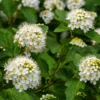
The Ninebark plant is celebrated for its robust nature and striking appearance. Beyond its characteristic bark, it offers a continuous display of beauty through the seasons. Delicate white or pink flowers bloom in late spring to early summer, attracting pollinators, followed by attractive reddish-purple seed heads that persist into winter, providing food for birds. This shrub’s vibrant foliage and unique texture make it an invaluable asset for creating hedges, borders, or standalone specimens in your landscape design.
The Ninebark plant offers a multitude of benefits, making it an ideal choice for enhancing your garden with minimal effort. Its versatility and resilience ensure a stunning display throughout the year:
Caring for your Ninebark plant is straightforward, ensuring a healthy and vibrant addition to your landscape. For optimal growth and the most intense foliage color, these shrubs require at least 6 hours of direct sunlight per day. While they can tolerate partial shade, the foliage color may not be as brilliant, and flowering might be reduced. Plant your Ninebark in well-drained soil; they are adaptable to various soil types, including clay, loam, and sandy conditions, but good drainage is key to preventing root rot.
When it comes to watering, newly planted Physocarpus opulifolius shrubs need consistent moisture to help establish their root systems. Water regularly to keep the soil consistently moist but never waterlogged. Once established, they become relatively drought-tolerant, only requiring supplemental watering during prolonged dry spells. The best time to plant Ninebark is in the spring or fall, allowing the plant to acclimate before extreme temperatures. Pruning can be done to maintain the desired size and shape, typically after flowering. This hardy deciduous shrub is a low-maintenance choice that will reward you with season-long beauty. Understanding proper ninebark care is crucial for its long-term health.
This offering includes a 3-pack of Ninebark plants, each measuring between 12 to 24 inches tall at the time of shipment. These robust shrubs (Physocarpus opulifolius) are known for their vigorous growth and can reach a mature height of 5 to 8 feet with a similar spread, creating a substantial presence in your garden. While specific growth rates can vary based on climate and care, Ninebarks are generally considered moderate to fast growers, quickly establishing themselves.
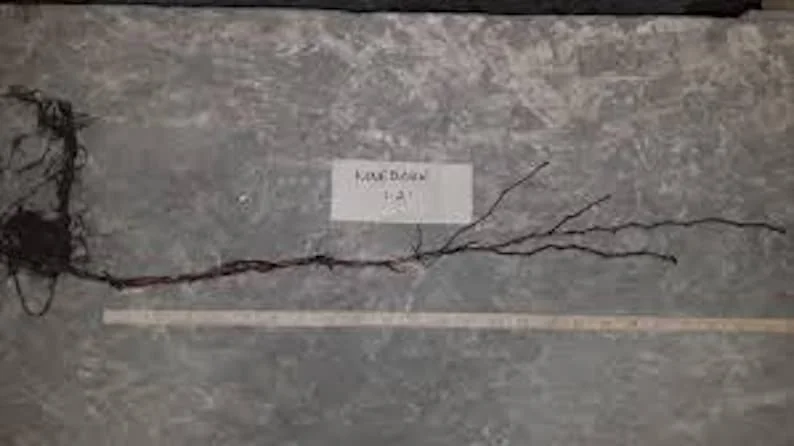
During the fall and winter months, these hardy deciduous shrubs are typically shipped bare root, an ideal method for dormant plants. During the active growing season, they will be shipped in a pot to ensure their health and vitality upon arrival, ready for immediate planting. Expect a stunning display of white or pink flowers in late spring to early summer, followed by attractive reddish-purple seed heads. These plants provide excellent value for those looking to expand their garden with impactful, resilient, and beautiful landscaping shrubs.
You must be logged in to post a review.
Sold 81 products
Original price was: $45.98.$22.99Current price is: $22.99.
Sold 94 products
Original price was: $74.99.$44.99Current price is: $44.99.
Sold 74 products
Original price was: $49.98.$24.99Current price is: $24.99.
Sold 60 products
Original price was: $110.99.$99.99Current price is: $99.99.
Sold 51 products
Original price was: $74.99.$44.99Current price is: $44.99.
Sold 65 products
Original price was: $77.99.$47.99Current price is: $47.99.
Sold 88 products
Original price was: $59.98.$29.99Current price is: $29.99.
Sold 78 products
Original price was: $70.99.$40.99Current price is: $40.99.
Reviews
There are no reviews yet.