NEED SUPPORT WITH YOUR ORDER? Get in touch
Not satisfied with your purchase?
Enter your Order ID on website, and we'll resolve it right away.

Original price was: $76.99.$44.99Current price is: $44.99.
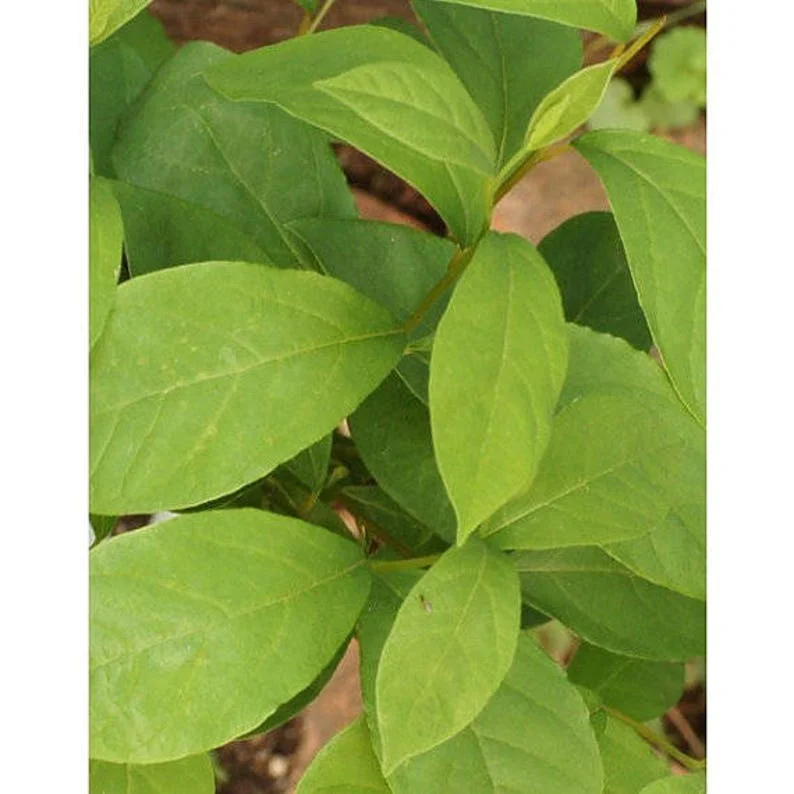
Discover the beauty and utility of the Northern Spicebush live plant, a versatile deciduous shrub. Enjoy delicate white flowers in spring, unique edible fruit, and brilliant fall foliage. Thrives in full sun, adaptable to USDA zones 4-10, and supports local ecosystems.
Mar 03
Mar 08 - Mar 10
Mar 13 - Mar 17
USDA Hardiness Zone
Soil Type
Sunlight Exposure
Expected Planting Period
No Shipping To
Shipping and return policies: Our Alive & Thrive Guarantee covers issues with your plants within the first 30 days. Get in touch with us via email, and our team will review your concerns and, if necessary, provide you with a one-time replacement at no cost.
If you're unsure about your hardiness zone, feel free to reach out to us. Our team will answer your questions and help you find the plants that are truly suitable for your environment, climate, and personal preferences.
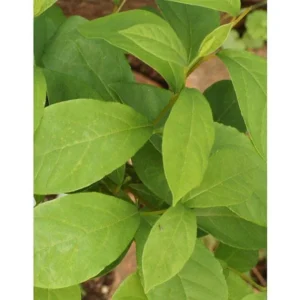
Elevate your landscape with the remarkable Northern Spicebush live plant, a deciduous shrub celebrated for its multifaceted appeal. Also known by its botanical name Lindera benzoin, or common names like Spicewood and Benjamin Bush, this plant is a true garden gem. It boasts a graceful, rounded form and an open growth habit, typically maturing to a height and width of 8 to 12 feet. This shrub is not only aesthetically pleasing but also offers ecological value, making it a fantastic addition to various garden designs. Its moderate growth rate and impressive longevity ensure years of consistent beauty, enhancing both the visual appeal and biodiversity of your outdoor space.
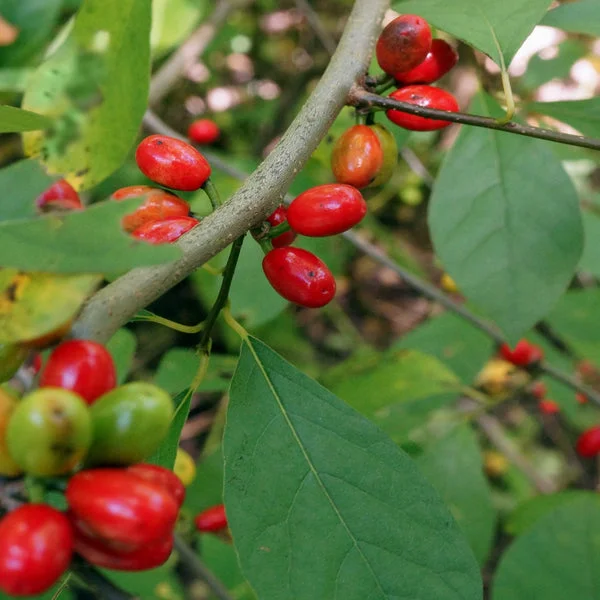
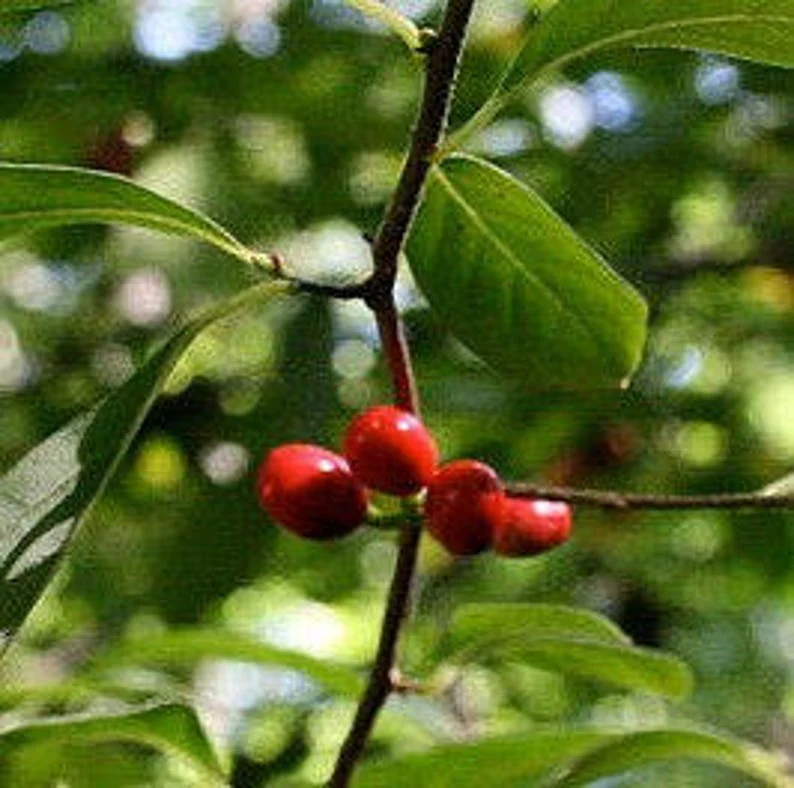
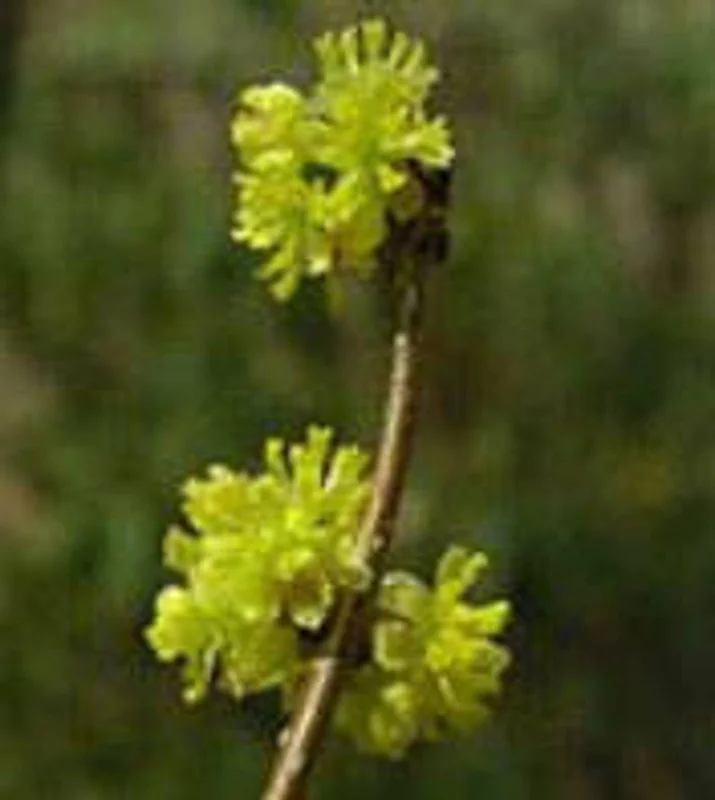
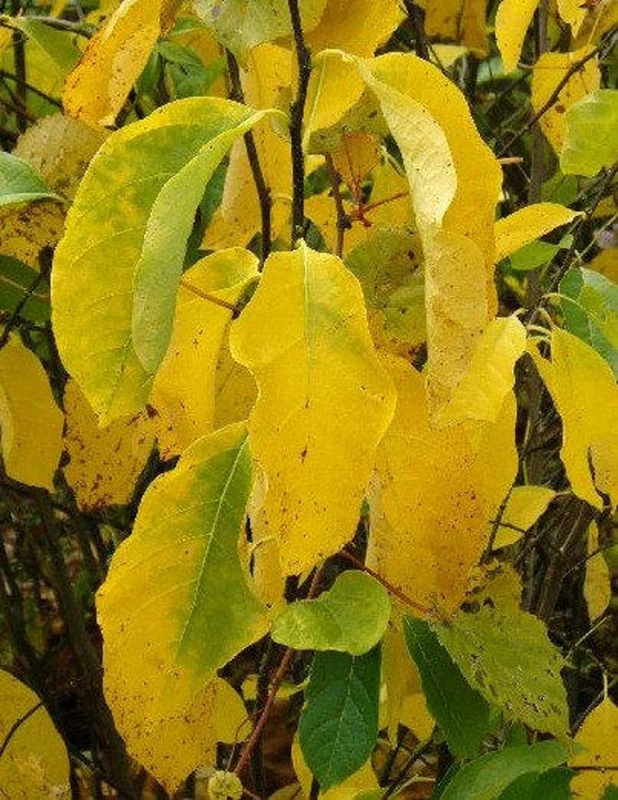
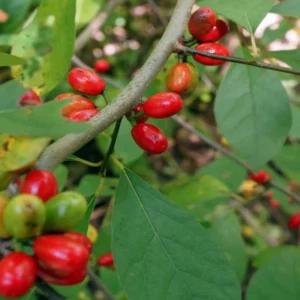
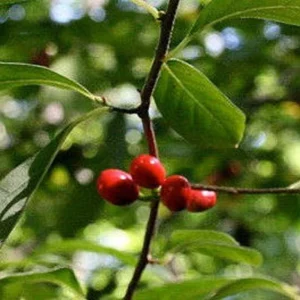
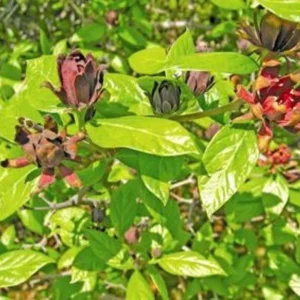
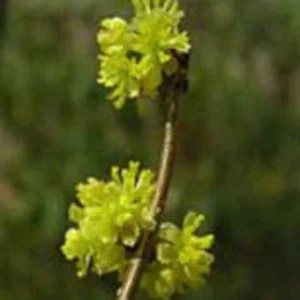
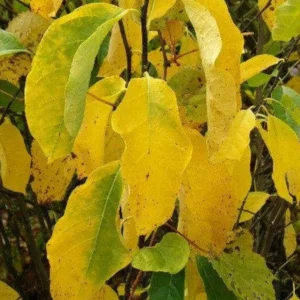
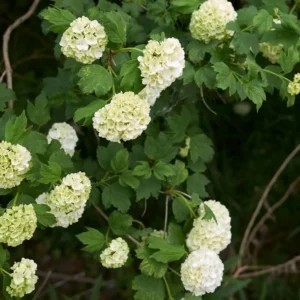
In mid-spring, the Northern Spicebush live plant bursts into life with an abundance of delicate white flowers, creating a captivating visual display that signals the arrival of warmer weather. As summer progresses, this versatile shrub produces unique red fruits and seeds, extending its appeal well into the autumn months with vibrant fall foliage. Adaptable to a wide range of climates, it thrives in USDA zones 4-10 and prefers full sun exposure, making it a highly versatile selection for diverse garden conditions. Its robust nature and blend of ornamental beauty with practical utility make it a valuable asset for any home garden.
The Northern Spicebush live plant offers a multitude of benefits for both your garden and local ecosystem. Its unique characteristics provide year-round interest and functional advantages:
Caring for your Northern Spicebush live plant is straightforward, ensuring it thrives and graces your garden with its beauty for years. This deciduous shrub is known for its resilience and adaptability, making Spicebush shrub care relatively easy for gardeners of all experience levels. It prefers a location with full sun exposure, meaning it should receive at least 6 hours of direct sunlight per day for optimal flowering, fruiting, and overall health. While it can tolerate partial shade, full sun will result in the most vibrant growth and abundant berries. Ensure good air circulation around the plant to prevent fungal issues.
When it comes to watering, the Northern Spicebush live plant prefers consistently moist, but well-drained soil. Avoid waterlogged conditions, as this can lead to root rot. During dry periods, especially in its first few years, regular watering is crucial to help establish a strong root system. Once established, it becomes more tolerant of occasional dry spells. The ideal soil type is a rich, loamy soil with a slightly acidic to neutral pH. It is adaptable to various soil types, provided they drain well. For fertilization, a balanced slow-release fertilizer can be applied in early spring, though it often thrives without heavy feeding, especially in fertile soils. Pruning is generally minimal; focus on removing any dead, damaged, or crossing branches in late winter or early spring to maintain its natural form and improve air circulation. This helps ensure the longevity and vitality of your full sun deciduous shrub.
The Lindera benzoin plant is hardy in USDA zones 4-10, demonstrating its wide climatic adaptability. It can withstand cold winters and hot summers within this range. While generally pest and disease resistant, keep an eye out for common garden pests and address them promptly. Ensuring proper planting depth and providing adequate space for its mature size will contribute to its long-term health. With these simple care guidelines, your Northern Spicebush live plant will become a cherished and thriving part of your garden.
The Northern Spicebush live plant typically grows to a mature height and width of 8 to 12 feet, creating a substantial and attractive presence in your landscape. It develops a graceful, rounded form with an open growth habit, making it an excellent choice for naturalized areas, woodland gardens, or as a specimen plant. This moderate-growing shrub will establish itself beautifully over time, providing consistent visual interest throughout the seasons. When you receive your plant, it will be a healthy, actively growing specimen, ready for planting.
This deciduous shrub is known for its longevity, offering many years of enjoyment. The unique red, edible spicebush fruit appears in late summer and autumn, following the delicate white flowers of spring. The plant will arrive carefully packaged to ensure its health during transit, ready to be transplanted into your garden. Plant in well-drained soil, ensuring it has ample space to reach its mature dimensions.
You must be logged in to post a review.
Sold 87 products
Original price was: $70.99.$40.99Current price is: $40.99.
Sold 72 products
Original price was: $53.98.$26.99Current price is: $26.99.
Sold 80 products
Original price was: $49.98.$24.99Current price is: $24.99.
Sold 88 products
Original price was: $45.96.$22.98Current price is: $22.98.
Sold 52 products
Original price was: $74.99.$44.99Current price is: $44.99.
Sold 57 products
Original price was: $70.99.$40.99Current price is: $40.99.
Sold 91 products
Original price was: $59.98.$29.99Current price is: $29.99.
Sold 97 products
Original price was: $53.98.$26.99Current price is: $26.99.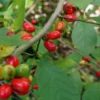
Reviews
There are no reviews yet.