NEED SUPPORT WITH YOUR ORDER? Get in touch
Not satisfied with your purchase?
Enter your Order ID on website, and we'll resolve it right away.

Original price was: $64.78.$35.99Current price is: $35.99.
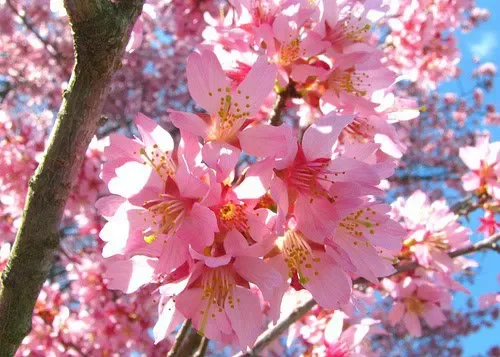
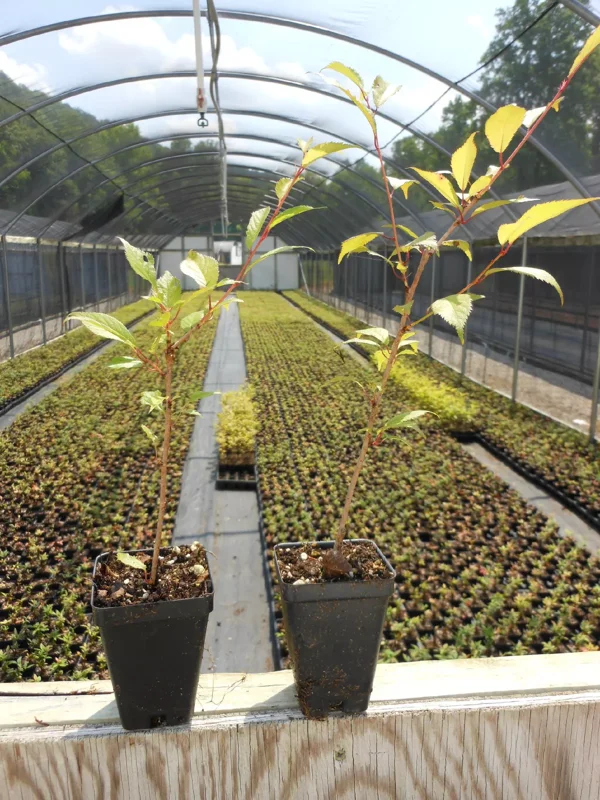
Bring early spring beauty to your landscape with an Okame Cherry Tree live plant. This vibrant 8-12 inch specimen offers delicate pink blooms and stunning orange fall foliage, making it a perfect, low-maintenance choice for any garden. Ideal for USDA Zones 6-9.
Mar 03
Mar 08 - Mar 10
Mar 13 - Mar 17
USDA Hardiness Zone
Soil Type
Sunlight Exposure
Expected Planting Period
Shipping and return policies: Our Alive & Thrive Guarantee covers issues with your plants within the first 30 days. Get in touch with us via email, and our team will review your concerns and, if necessary, provide you with a one-time replacement at no cost.
If you're unsure about your hardiness zone, feel free to reach out to us. Our team will answer your questions and help you find the plants that are truly suitable for your environment, climate, and personal preferences.
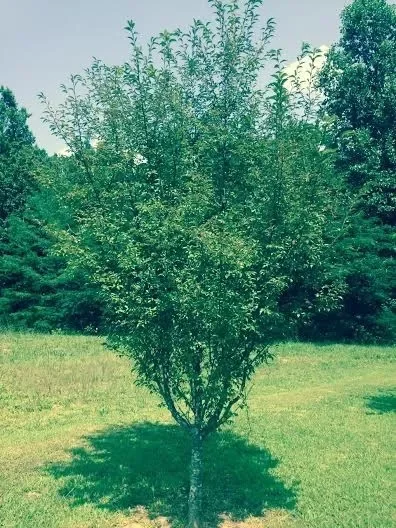
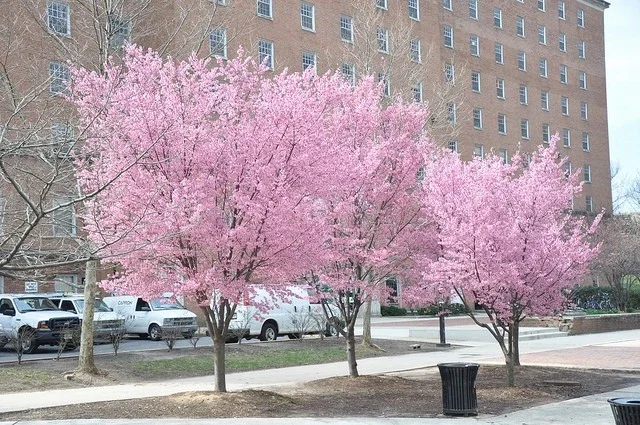
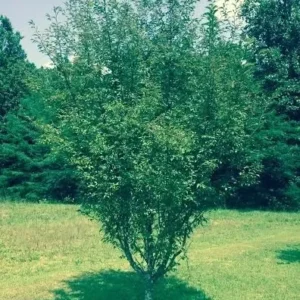
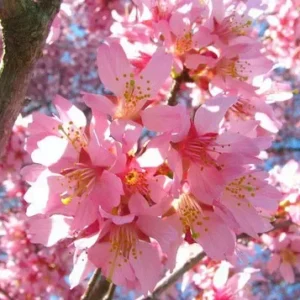
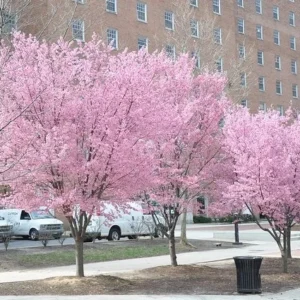
Experience the joy of an early spring spectacle with the Okame Cherry Tree live plant. This exquisite tree, also known as Prunus Okame, is celebrated for its abundant, delicate pink flowers that herald the arrival of spring, often before many other trees begin to bloom. Beyond its captivating floral display, the Okame Cherry Tree live plant transforms in autumn, showcasing a mesmerizing array of vibrant orange foliage that adds continuous visual interest to your garden. Its elegant, upright, and vase-shaped form makes it an excellent choice for a variety of landscapes, especially smaller yards where it can add a sophisticated touch of natural beauty without overwhelming the space. This resilient and adaptable tree is a true investment in your home’s aesthetic appeal, providing beauty and a focal point for years to come.
The flowering cherry tree is a remarkably low-maintenance and highly adaptable specimen, thriving in a diverse range of soil types and various climates. It is a superb choice for gardeners across a wide array of regions, particularly those in USDA Zones 6-9. Its consistent performance and stunning seasonal changes have made it a favored choice among garden enthusiasts looking to create a serene backyard retreat or enhance their curb appeal. Whether you’re a seasoned gardener or a beginner, the Okame Cherry Tree live plant offers a rewarding and beautiful addition to your outdoor space.
Planting an Okame Cherry Tree live plant offers numerous advantages, transforming your garden into a vibrant haven of natural beauty:
Caring for your Okame Cherry Tree live plant is straightforward, ensuring years of beautiful blooms and vibrant fall color. This hardy and adaptable flowering cherry tree prefers partial to full sun exposure, meaning it should receive at least 6 hours of direct sunlight daily for optimal growth and abundant flowering. While it tolerates a range of soil types, well-draining soil is crucial to prevent root rot. Amend heavy clay soils with organic matter like compost to improve drainage, or consider raised beds if your soil is consistently waterlogged. Once established, the Okame Cherry Tree is relatively drought-tolerant, but regular watering is important during its first year to help it establish a strong root system. Water deeply once or twice a week, checking the soil moisture before each watering.
The cherry blossom tree is hardy in USDA Zones 6-9, making it suitable for many temperate regions. It can withstand a range of temperatures but appreciates some protection from extreme winter winds in the colder parts of its zone. Fertilize annually in early spring with a balanced slow-release granular fertilizer formulated for trees and shrubs. Follow the product instructions for application rates. Pruning is best done after flowering in late spring or early summer to maintain its shape, remove any dead or crossing branches, and encourage healthy new growth. Avoid heavy pruning in late summer or fall, as this can stimulate new growth that may be damaged by winter frosts. Watch for common pests like aphids or spider mites, and treat with horticultural oil or insecticidal soap if necessary. Proper Okame tree care will ensure a thriving and beautiful specimen.
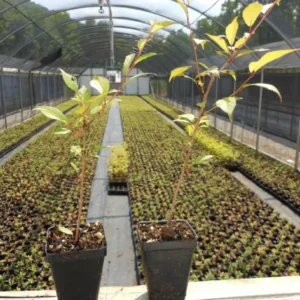
This offering is for an 8-12 inch Okame Cherry Tree live plant, ready to be planted in your garden. When mature, this beautiful flowering cherry tree can reach a height of 20-30 feet with a spread of 15-20 feet, forming an elegant, upright, and vase-shaped canopy. Its moderate growth rate means you won’t have to wait long to enjoy its stunning seasonal transformations. It typically ships as a young, healthy tree in a nursery pot, with its root ball carefully protected to ensure a smooth transition to your garden. Expect to see its first delicate pink blooms in early spring, often in late February or March, with the vibrant orange fall foliage appearing from late October through November. This tree is an excellent addition for those seeking significant visual impact and year-round interest.
You must be logged in to post a review.
Sold 95 products
Original price was: $299.94.$149.97Current price is: $149.97.
Sold 91 products
Original price was: $259.98.$129.99Current price is: $129.99.
Sold 80 products
Original price was: $259.78.$129.89Current price is: $129.89.
Sold 76 products
Original price was: $55.98.$27.99Current price is: $27.99.
Sold 99 products
Original price was: $359.98.$179.99Current price is: $179.99.
Sold 98 products
Original price was: $59.98.$29.99Current price is: $29.99.
Sold 95 products
Original price was: $48.98.$24.49Current price is: $24.49.
Sold 91 products
Original price was: $319.98.$159.99Current price is: $159.99.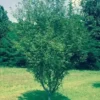
Reviews
There are no reviews yet.