NEED SUPPORT WITH YOUR ORDER? Get in touch
Not satisfied with your purchase?
Enter your Order ID on website, and we'll resolve it right away.

Original price was: $59.38.$32.99Current price is: $32.99.
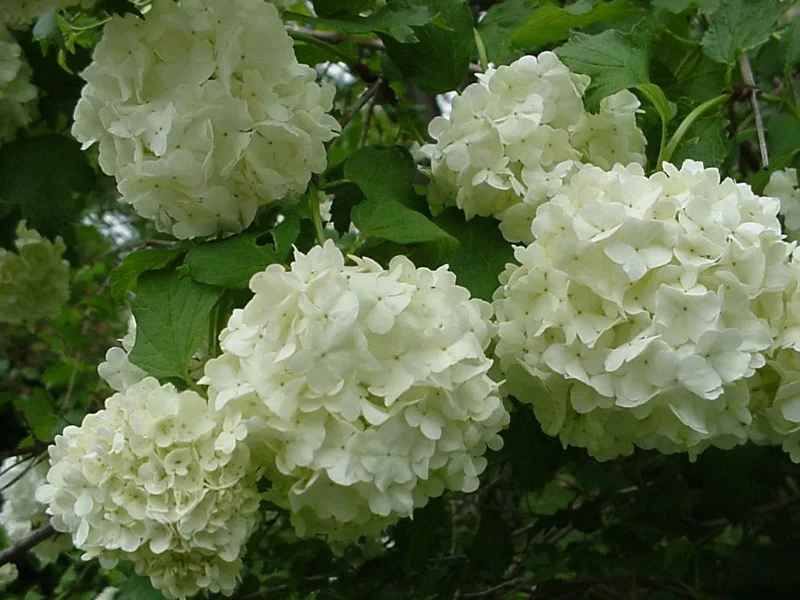
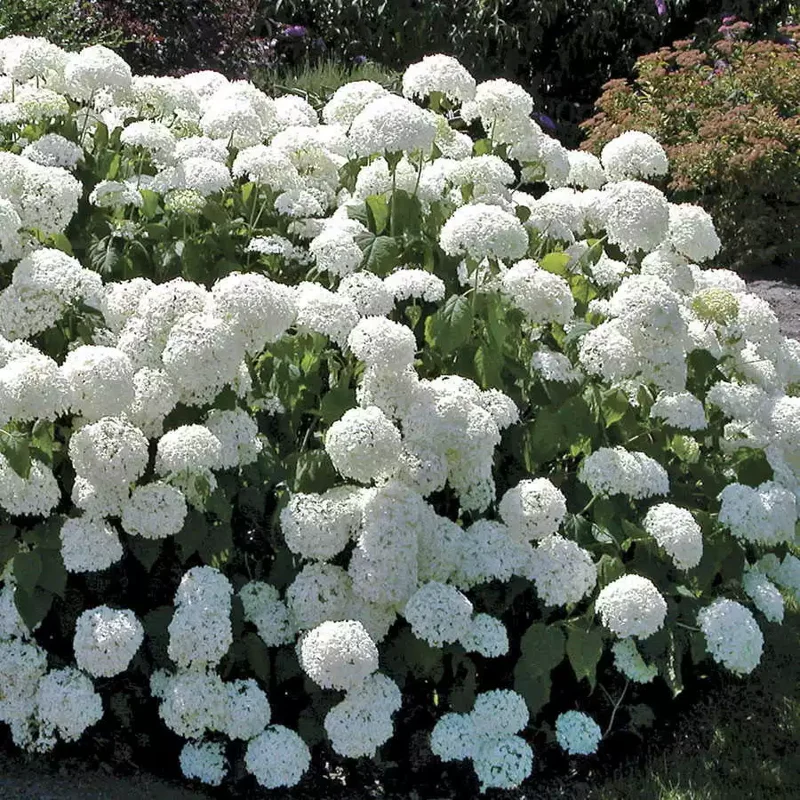
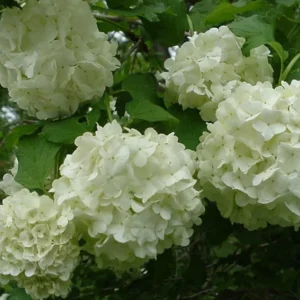
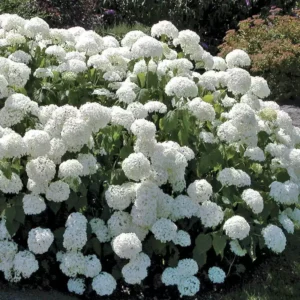
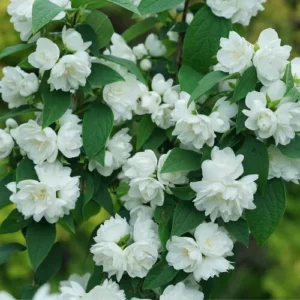
Add timeless beauty to your landscape with the Snowball Viburnum live plant. This deciduous shrub, known for its prolific white, ball-shaped flowers in late spring, offers vibrant fall foliage and adapts to various garden designs. Ideal for hedges or as a stunning specimen.
Mar 03
Mar 08 - Mar 10
Mar 13 - Mar 17
USDA Hardiness Zone
Soil Type
Sunlight Exposure
Expected Planting Period
Shipping and return policies: Our Alive & Thrive Guarantee covers issues with your plants within the first 30 days. Get in touch with us via email, and our team will review your concerns and, if necessary, provide you with a one-time replacement at no cost.
If you're unsure about your hardiness zone, feel free to reach out to us. Our team will answer your questions and help you find the plants that are truly suitable for your environment, climate, and personal preferences.
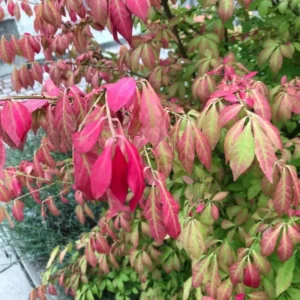
The Snowball Viburnum live plant, scientifically known as Viburnum opulus ‘Roseum’, is a truly stunning addition to any garden, cherished for its breathtaking display of white, ball-shaped flowers that emerge in late spring. This deciduous shrub, often referred to as Highbush Cranberry, provides an elegant focal point in any landscape. Its bright green foliage offers a lush backdrop throughout the growing season, transforming into a rich, purplish-red hue in the fall, ensuring continuous visual interest. Whether you’re looking to create a beautiful flowering hedge, a privacy screen, or a standalone specimen, the Snowball Viburnum live plant adapts beautifully to various garden designs, making it a versatile choice for gardeners of all experience levels.
This adaptable Viburnum variety thrives in full sun, where it will produce the most abundant blooms, but it also tolerates partial shade. It prefers average soil conditions, demonstrating resilience across various soil types including chalk, clay, loam, peat, and silt. With medium watering requirements, this plant is relatively easy to care for, making it an excellent option for both seasoned gardeners and beginners. The Snowball Viburnum live plant can reach a mature height of 8-10 feet, but its prunable nature allows for easy maintenance to achieve a smaller, desired size, making it suitable even for smaller yards. Its robust hardiness ensures reliable performance across a wide range of climates, flourishing in USDA Zones 3-9.
The Snowball Viburnum live plant offers a multitude of benefits for your landscape, making it a highly desirable choice for any garden. Its versatility and striking appearance contribute significantly to garden aesthetics and functionality.
Proper Snowball Viburnum care is essential for ensuring a healthy and vibrant plant that provides years of beauty. This adaptable shrub is relatively easy to maintain, making it suitable for both novice and experienced gardeners. For optimal growth and abundant blooms, plant your Snowball Viburnum live plant in a location that receives full sun, meaning at least six hours of direct sunlight per day. While it can tolerate partial shade, too much shade may result in fewer flowers. Ensure the soil is well-draining, as these plants do not like to sit in waterlogged conditions. They are adaptable to a wide range of soil types, including chalk, clay, loam, peat, and silt, preferring average fertility.
Watering requirements for the Snowball Viburnum are medium. Water regularly, especially during dry periods or in the first year after planting, to help establish a strong root system. The goal is to keep the soil consistently moist but not waterlogged. Once established, it becomes more drought-tolerant. Fertilize in early spring with a balanced, slow-release granular fertilizer formulated for flowering shrubs, following the product instructions. Pruning is best done after the plant has finished flowering in late spring or early summer. This allows you to shape the shrub, remove any dead or overgrown branches, and control its size. The plant is hardy in USDA Zones 3-9, meaning it can withstand a wide range of temperatures. Common problems are generally few, but keep an eye out for aphids or powdery mildew, which can be treated with appropriate organic or chemical controls.
When considering growing Snowball Viburnum, remember that while it can reach 8-10 feet, it responds well to pruning for a more compact size. This makes it a flexible choice for various garden scales and designs. Optimal planting times are in the spring or fall, allowing the plant to establish roots before extreme temperatures. Its robust nature makes it a reliable performer in many climates, ensuring beautiful white blooms and fall color year after year.
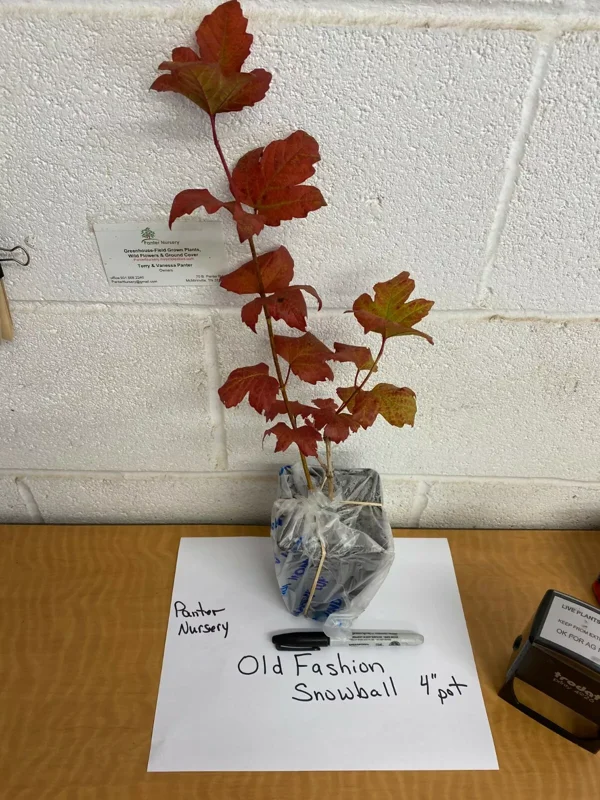
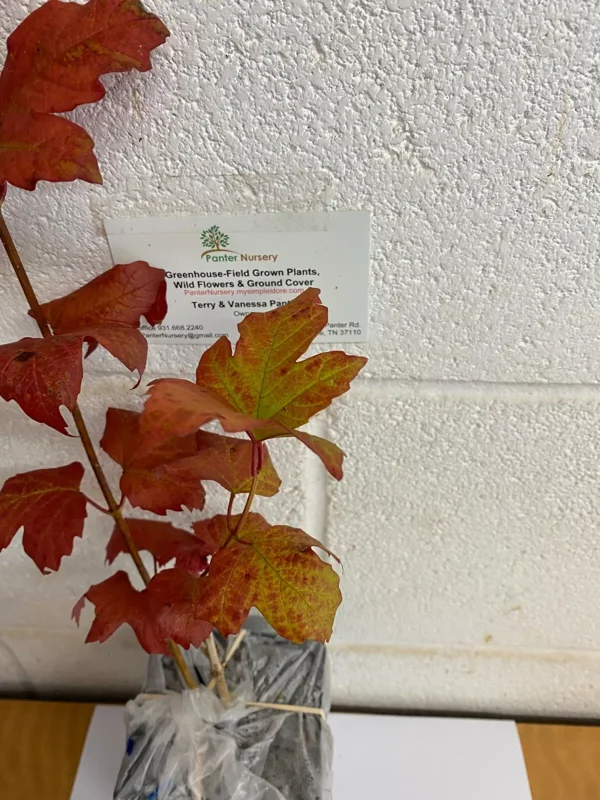
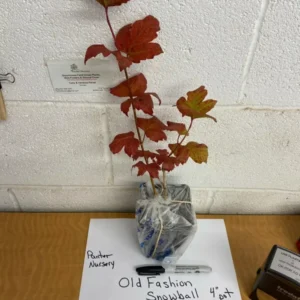
This offering is for a Snowball Viburnum live plant, typically shipped in a 4-inch nursery pot, providing a healthy start for your garden. At maturity, the Snowball Viburnum can reach a height of 8-10 feet with a similar spread, creating a substantial and impactful presence in the landscape. Its growth rate is moderate, allowing it to fill out an area within a few years. The plant will arrive well-rooted and ready for transplanting into your garden or a larger container. Expect the stunning white, ball-shaped blooms to appear in late spring, providing a spectacular show.
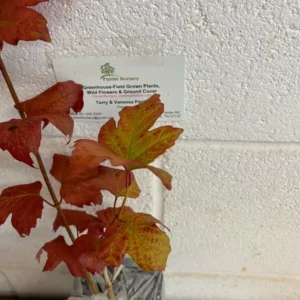
The deciduous foliage is bright green throughout the summer, transitioning to attractive purplish-red tones in the fall, extending its season of interest. This particular variety, Viburnum opulus ‘Roseum’, is known for its sterile flowers, meaning it does not produce berries. It is a long-lived shrub, providing decades of beauty with proper care. Planting instructions are included with every order to ensure a smooth transition and successful establishment in your garden.
You must be logged in to post a review.
Sold 95 products
Original price was: $59.98.$29.99Current price is: $29.99.
Sold 69 products
Original price was: $74.99.$44.99Current price is: $44.99.
Sold 92 products
Original price was: $70.99.$40.99Current price is: $40.99.
Sold 65 products
Original price was: $74.99.$44.99Current price is: $44.99.
Sold 52 products
Original price was: $70.99.$40.99Current price is: $40.99.
Sold 77 products
Original price was: $64.99.$44.99Current price is: $44.99.
Sold 53 products
Original price was: $64.99.$44.99Current price is: $44.99.
Sold 79 products
Original price was: $55.98.$27.99Current price is: $27.99.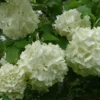
Reviews
There are no reviews yet.