NEED SUPPORT WITH YOUR ORDER? Get in touch
Not satisfied with your purchase?
Enter your Order ID on website, and we'll resolve it right away.

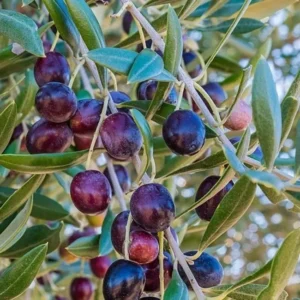
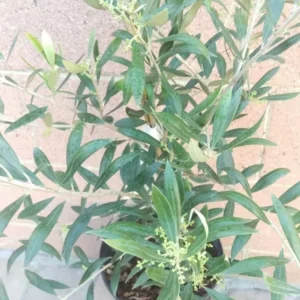
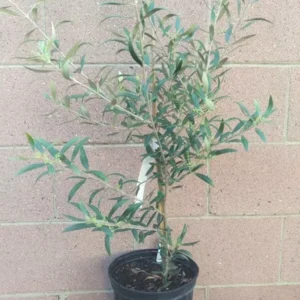
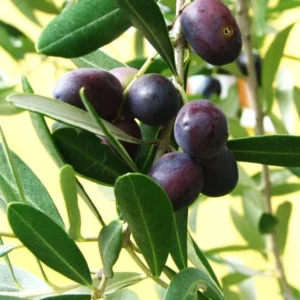
Original price was: $185.99.$162.99Current price is: $162.99.
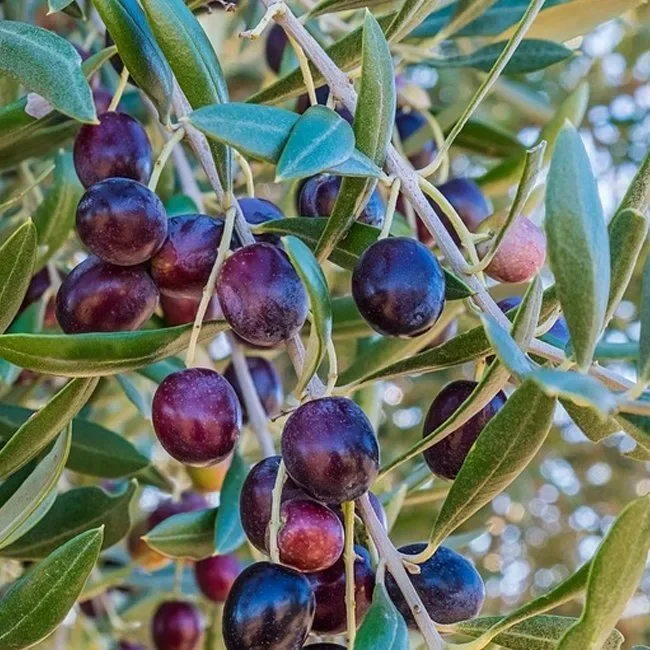
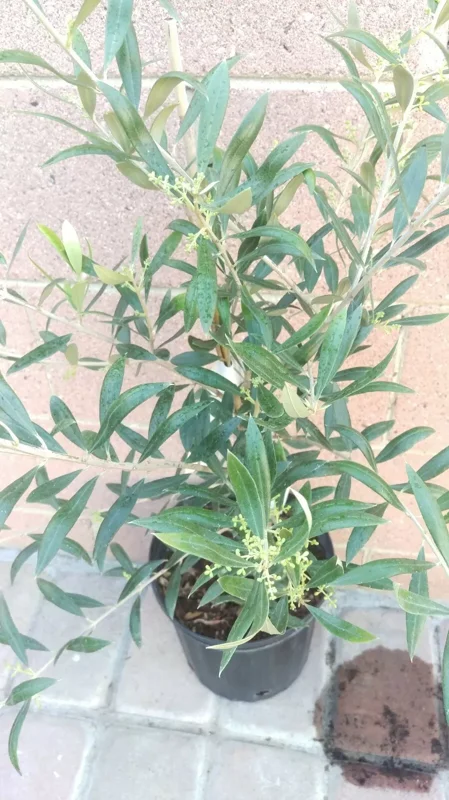
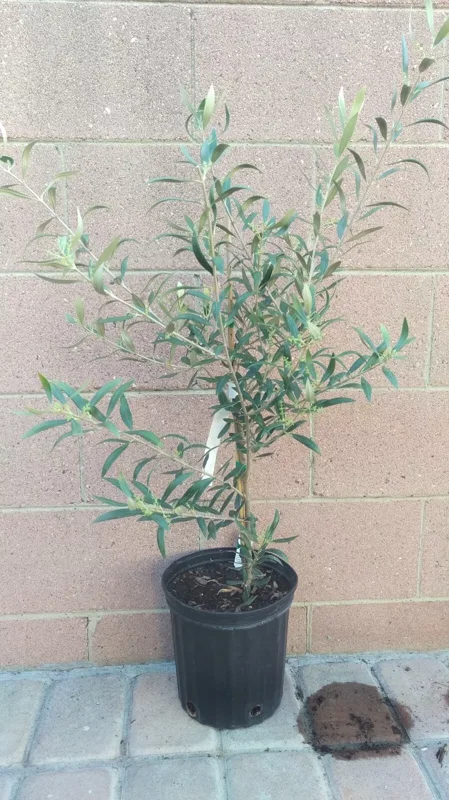
Cultivate a taste of the Mediterranean with a Manzanillo Olive live plant. This vigorous, self-fruitful tree produces delicious table olives and boasts attractive evergreen foliage. Perfect for ornamental use and fruit production in your garden.
Mar 03
Mar 08 - Mar 10
Mar 13 - Mar 17
USDA Hardiness Zone
Soil Type
Sunlight Exposure
Expected Planting Period
Shipping and return policies: Our Alive & Thrive Guarantee covers issues with your plants within the first 30 days. Get in touch with us via email, and our team will review your concerns and, if necessary, provide you with a one-time replacement at no cost.
If you're unsure about your hardiness zone, feel free to reach out to us. Our team will answer your questions and help you find the plants that are truly suitable for your environment, climate, and personal preferences.
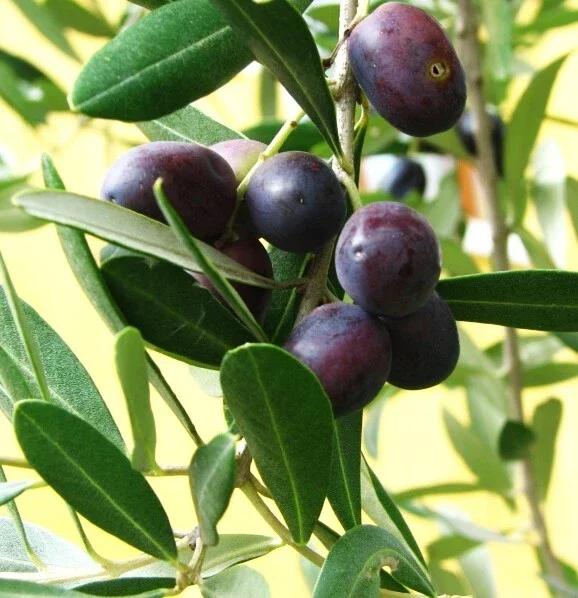
Transform your landscape with a beautiful and productive Manzanillo Olive live plant. Revered for centuries, the Manzanillo Olive Tree (Olea europaea ‘Manzanillo’) brings Mediterranean elegance and a bounty of delectable fruit to your garden. This vigorous tree is celebrated for its rising habit and gracefully pendulous branches, creating a stunning ornamental silhouette year-round. Beyond its aesthetic appeal, the Manzanillo is a highly prized variety for its table olives, known for their spherical, slightly asymmetrical shape, high pulp content, and ease of pitting. Whether you’re a seasoned gardener or new to olive cultivation, this adaptable and resilient tree is an exceptional choice for adding both beauty and utility to your outdoor space.
The Manzanillo Olive live plant is a reliable performer, exhibiting excellent cold-hardiness and weather resistance, making it suitable for a variety of climates. Its evergreen foliage maintains a soft, appealing gray-green hue throughout the year, providing continuous visual interest. While naturally self-fruitful, meaning it can produce olives without a separate pollinator, interplanting with other olive varieties can significantly enhance your yields. Enjoy the satisfaction of harvesting your own fresh, homegrown olives, perfect for eating, curing, or pressing into oil. This low-maintenance tree is an investment in both the beauty and bounty of your garden.
The Manzanillo Olive live plant offers a wealth of advantages for any gardener, blending ornamental beauty with practical fruit production. Discover why this tree is a favorite among enthusiasts:
Caring for your Manzanillo Olive live plant is a rewarding experience, leading to years of beautiful foliage and delicious fruit. These trees are known for their resilience and adaptability, but a few key considerations will ensure optimal growth. When it comes to sunlight, Manzanillo Olives are sun-lovers, requiring at least 6-8 hours of direct sunlight per day to thrive and produce a good harvest. Choose a location in your garden that receives ample sun exposure throughout the day. They are excellent candidates for full sun positions.
Watering should be consistent during the establishment phase, typically the first year after planting. Once established, the Manzanillo Olive tree care routine becomes much simpler as they are highly drought-tolerant. Water deeply but infrequently, allowing the soil to dry out completely between waterings to prevent root rot. These trees prefer alkaline soils with excellent drainage; heavy, waterlogged soils should be avoided. If your soil is heavy clay, consider amending it with organic matter and sand to improve drainage. Minimal fertilization is required; a balanced, slow-release fertilizer in early spring is usually sufficient. Avoid over-fertilizing, which can promote leafy growth at the expense of fruit production.
The Manzanillo Olive exhibits good cold hardiness, tolerating temperatures down to about 15°F (-9°C). However, green fruit can be damaged at temperatures around 30°F (-1°C), so consider protection if frost is expected during fruiting. They are generally suited for USDA zones 8-10. Pruning is best done in late winter or early spring to remove dead or diseased branches, shape the tree, and improve air circulation. Regular pruning also helps maintain a manageable size and encourages better fruit production. By following these guidelines, your Manzanillo Olive live plant will flourish, providing Mediterranean charm and fruitful harvests for years to come.
The Manzanillo Olive live plant typically matures into an attractive medium-sized tree, reaching a height of 15-20 feet with a similar spread. Its slow-growing nature means it will gradually establish a stately presence in your garden. The exact dimensions can vary based on growing conditions, climate, and pruning practices. This variety is known for producing olives that typically weigh 3-5 grams, harvested when green for optimal flavor and texture. Your plant will arrive ready for planting, carefully prepared to ensure a smooth transition to your garden. With its evergreen foliage and vigorous growth, it promises to be a long-lasting and beautiful addition to your landscape.
The growing Manzanillo olives experience is enhanced by the tree’s resilience and adaptability. Expect fruit production to begin within a few years of planting, with increasing yields as the tree matures. Its distinctive spherical, slightly asymmetrical olives offer a high pulp content, making them excellent for a variety of culinary uses. This tree is not only a source of delicious fruit but also an outstanding ornamental specimen, providing year-round visual interest with its unique gray-green leaves and graceful form. It’s a truly versatile plant, suitable for both edible landscapes and purely decorative gardens.
You must be logged in to post a review.
Sold 100 products
Original price was: $319.98.$159.99Current price is: $159.99.
Sold 94 products
Original price was: $259.78.$129.89Current price is: $129.89.
Sold 51 products
Original price was: $219.98.$109.99Current price is: $109.99.
Sold 61 products
Original price was: $257.98.$128.99Current price is: $128.99.
Sold 90 products
Original price was: $258.98.$129.49Current price is: $129.49.
Sold 95 products
Original price was: $45.98.$22.99Current price is: $22.99.
Sold 79 products
Original price was: $319.98.$159.99Current price is: $159.99.
Sold 84 products
Original price was: $243.98.$121.99Current price is: $121.99.
Reviews
There are no reviews yet.