NEED SUPPORT WITH YOUR ORDER? Get in touch
Not satisfied with your purchase?
Enter your Order ID on website, and we'll resolve it right away.

Original price was: $29.99.$9.99Current price is: $9.99.
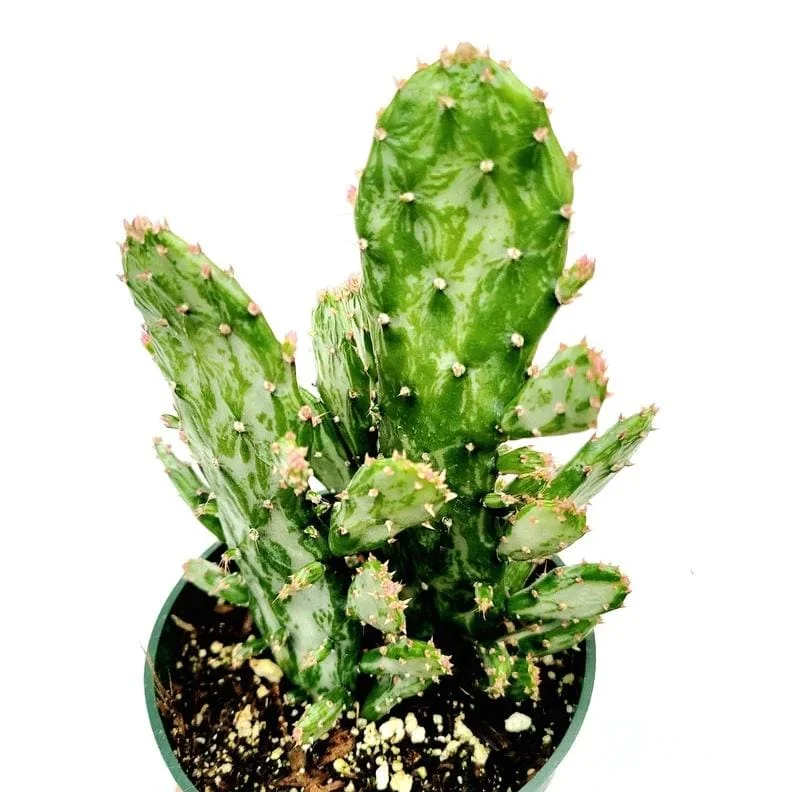
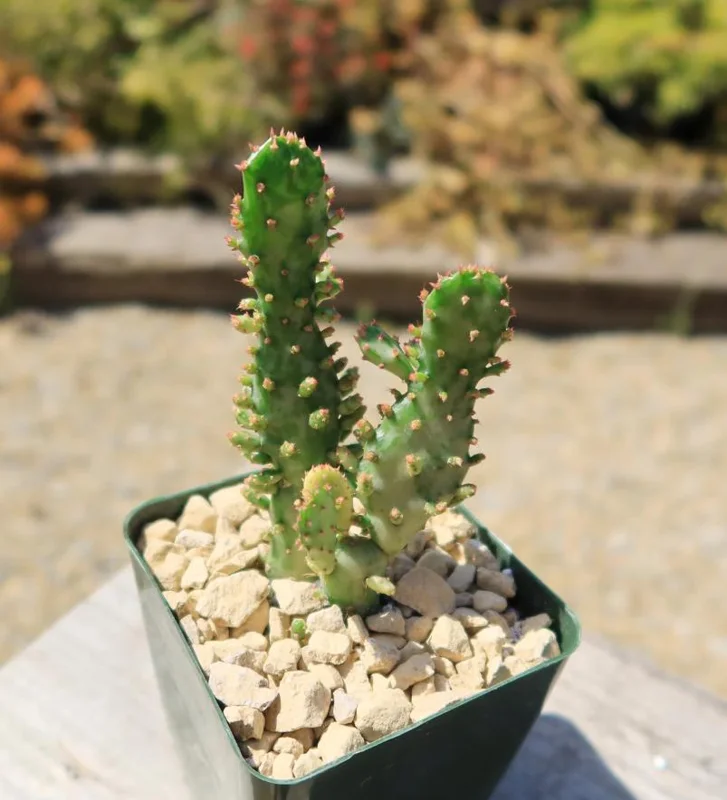
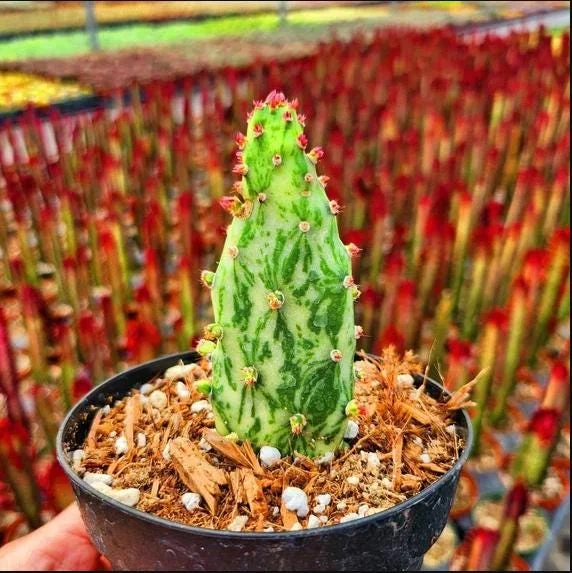
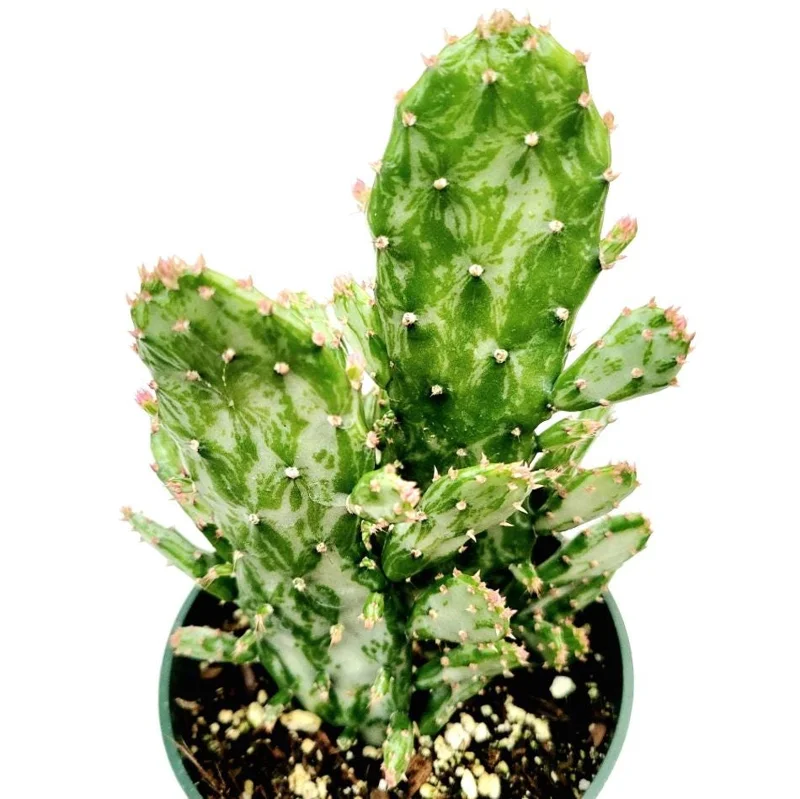
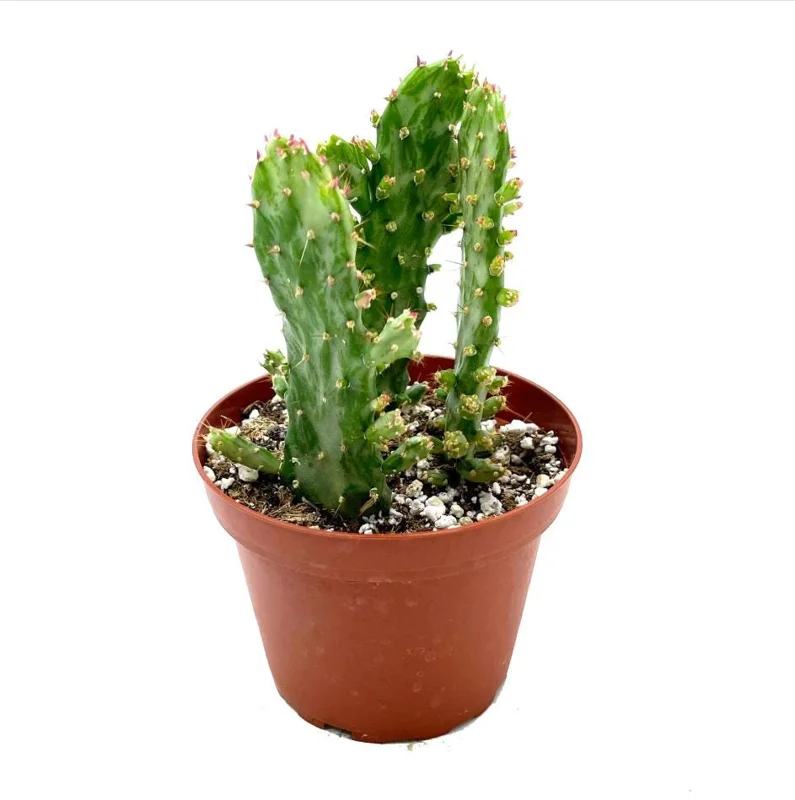
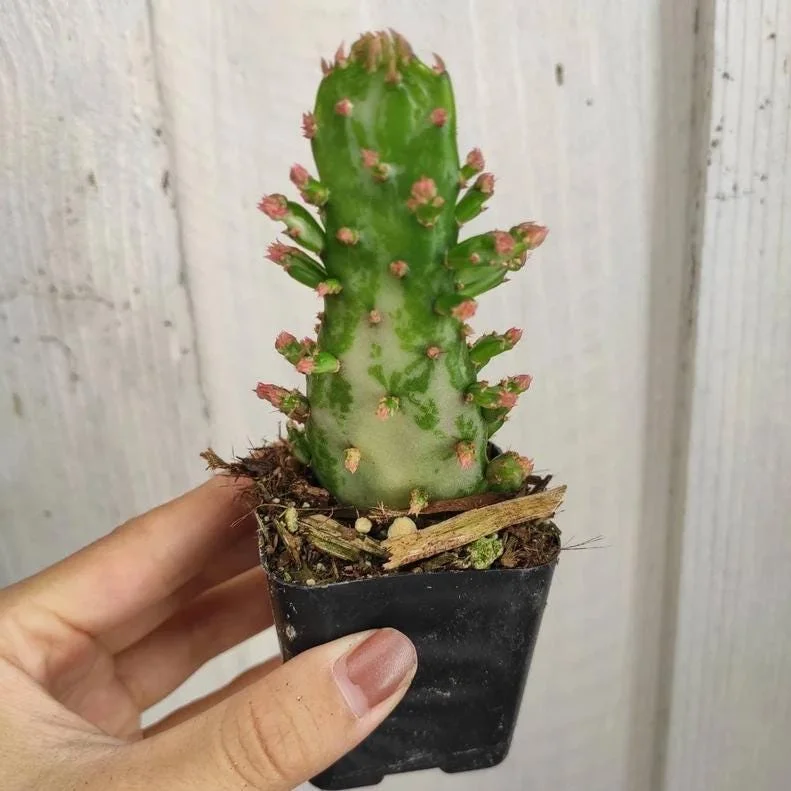
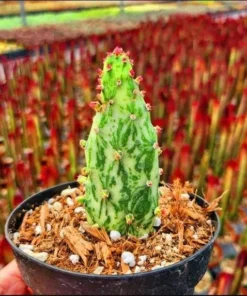
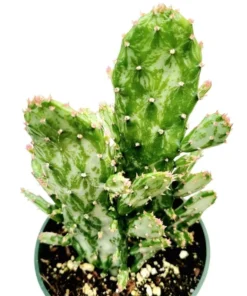
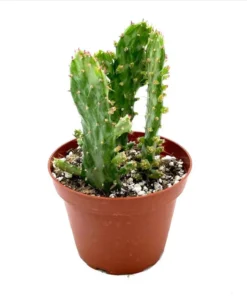
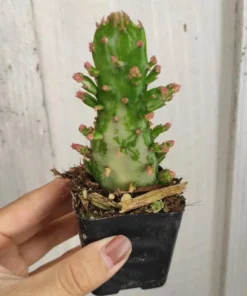
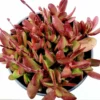
Bring vibrant color and unique texture to your home with the opuntia monacantha variegata. This striking variegated joseph’s coat succulent features paddle-like stems with beautiful shades of green, yellow, and red. Ideal for beginners and experienced plant enthusiasts alike, this easy care succulents starter plant comes in a 2 inch pot and thrives in bright light conditions.
Feb 04
Feb 09 - Feb 11
Feb 14 - Feb 18
USDA Hardiness Zone
Soil Type
Sunlight Exposure
Expected Planting Period
Shipping and return policies: Our Alive & Thrive Guarantee covers issues with your plants within the first 30 days. Get in touch with us via email, and our team will review your concerns and, if necessary, provide you with a one-time replacement at no cost.
If you're unsure about your hardiness zone, feel free to reach out to us. Our team will answer your questions and help you find the plants that are truly suitable for your environment, climate, and personal preferences.
Introduce a splash of vibrant color and unique form to your indoor plant collection with the exquisite opuntia monacantha variegata. Also known as the variegated joseph’s coat, this stunning succulent is celebrated for its distinctive paddle-like stems that showcase a mesmerizing blend of green, yellow, and often pink or reddish hues, especially when exposed to ample sunlight. Originating from South America, this variant of the Opuntia monacantha species is a true showstopper, offering a dynamic visual interest that evolves with light intensity. Perfect for enthusiasts seeking an eye-catching yet relatively low-maintenance addition, this opuntia monacantha variegata live starter plant arrives ready for planting in a 2 inch pot, making it an ideal choice for windowsills, desks, or as a vibrant accent in a succulent arrangement. Its architectural form and striking coloration ensure it stands out in any setting, providing a continuous display of natural artistry.
This particular opuntia monacantha variegata is a young starter plant, offering you the joy of watching it grow and develop its full vibrant potential. While mature plants can display flowers, your starter plant is focused on establishing its root system and developing its beautiful variegated foliage. It’s an excellent choice for those looking to cultivate a unique succulent that requires minimal fuss, embodying the resilience and beauty characteristic of easy care succulents. With its striking appearance and straightforward care requirements, this plant is sure to become a cherished part of your green space.
The opuntia monacantha variegata offers a multitude of benefits, making it a highly desirable plant for both novice and seasoned gardeners. Its unique aesthetic and resilience contribute to a rewarding ownership experience, enhancing any space with its natural charm and vitality.
Proper opuntia succulent care is straightforward, ensuring your opuntia monacantha variegata thrives and displays its most vibrant colors. Understanding its basic needs for light, water, and soil will set you up for success with this beautiful plant. Remember that this plant, like most succulents, prefers conditions that mimic its native arid environment.
Light: The opuntia monacantha variegata absolutely loves bright light to full sun. For the most intense and beautiful variegation, aim for at least 4-6 hours of direct sunlight daily. Indoors, place your plant in the brightest window available, typically a south or west-facing exposure. If you’re moving it from a lower light environment to a sunnier spot, acclimate it slowly over a week or two to prevent sunburn on its delicate variegated paddles. Insufficient light can lead to etiolation, where the plant stretches and loses its compact form and vibrant colors.
Water: The key to successful opuntia succulent care regarding watering is the ‘soak and dry’ method. Water thoroughly until water drains from the bottom of the pot, then allow the soil to dry out completely before watering again. Overwatering is the most common cause of succulent death. During spring and summer, you might water every 2-3 weeks, depending on your environment. In fall and winter, when the plant’s growth slows, water very sparingly, perhaps once a month or even less. Always check the soil moisture with your finger before watering.
Soil: Use a fast-draining cactus or succulent soil mix. Good drainage is paramount to prevent root rot. An ideal mix would be a commercial cactus mix amended with perlite or pumice (about 50/50 ratio) to enhance aeration and drainage. The soil should never remain soggy. A terracotta pot can also help with moisture evaporation.
Temperature & Hardiness: This succulent prefers warmer temperatures, ideally between 70–90°F (21–32°C). It is not cold-hardy and must be protected from frost. If temperatures drop below 50°F (10°C), bring your plant indoors. For most of the US, this is considered an indoor cactus plants specimen, especially in cooler climates. USDA Hardiness Zones 9-11 are generally suitable for outdoor growth, but container planting allows it to be moved indoors during cold snaps.
Fertilization: Fertilize sparingly during the growing season (spring and summer) with a diluted, balanced liquid fertilizer formulated for succulents or cacti. Avoid fertilizing in fall and winter when the plant is dormant. Too much fertilizer can harm the plant.
Pests & Problems: Keep an eye out for common succulent pests like mealybugs or spider mites. Treat promptly with insecticidal soap or neem oil. Ensure good air circulation to prevent fungal issues, especially in humid environments.
This offering is for one healthy opuntia monacantha variegata live starter plant, carefully cultivated and ready for its new home. Each plant is provided in a 2 inch pot, a perfect size for transplanting into a slightly larger decorative container or integrating into a succulent garden. As a starter plant, it is young and actively growing, providing the satisfaction of nurturing it to maturity. The exact height and width will vary slightly due to natural growth, but typically, these starter plants measure approximately 2-4 inches tall above the soil line, depending on the number and size of the paddles. This size makes them ideal for windowsills, small desks, or as part of a larger succulent display. The growth rate of the variegated joseph’s coat is moderate; with proper care and sufficient light, you can expect it to produce new paddles regularly, gradually increasing in size and complexity. While mature plants can reach several feet in height over many years, your starter plant will remain a manageable size for indoor enjoyment for quite some time, making it a perfect choice among indoor cactus plants for continued growth and development.
You must be logged in to post a review.
Sold 50 products
Original price was: $37.98.$18.99Current price is: $18.99.
Sold 92 products
Original price was: $49.99.$39.99Current price is: $39.99.
Sold 80 products
Original price was: $59.99.$43.99Current price is: $43.99.
Sold 71 products
Original price was: $49.99.$39.99Current price is: $39.99.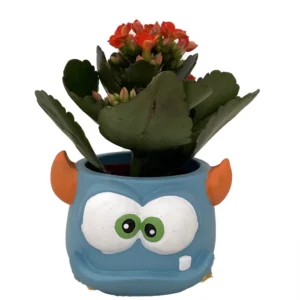
Succulents
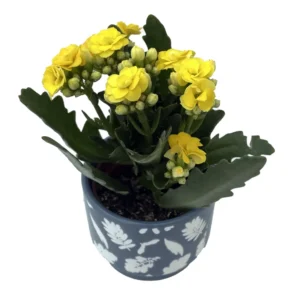
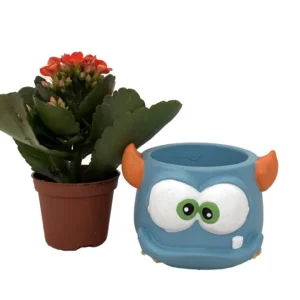
Kalanchoe Succulent Plant in Blue Mini Monster Ceramic Planter – 3 inch Pot Halloween Decor
Sold 81 products
Original price was: $59.99.$43.99Current price is: $43.99.
Sold 72 products
Original price was: $45.99.$32.99Current price is: $32.99.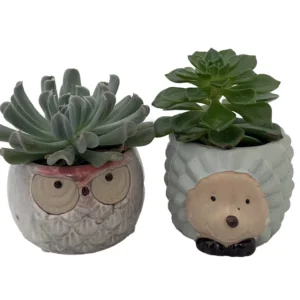
Sold 50 products
Original price was: $75.99.$61.99Current price is: $61.99.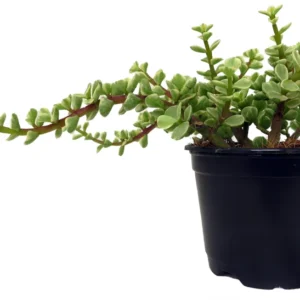
Sold 64 products
Original price was: $49.99.$39.99Current price is: $39.99.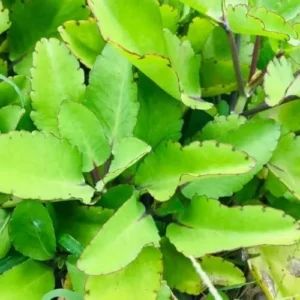

Reviews
There are no reviews yet.