NEED SUPPORT WITH YOUR ORDER? Get in touch
Not satisfied with your purchase?
Enter your Order ID on website, and we'll resolve it right away.
Original price was: $75.99.$58.99Current price is: $58.99.
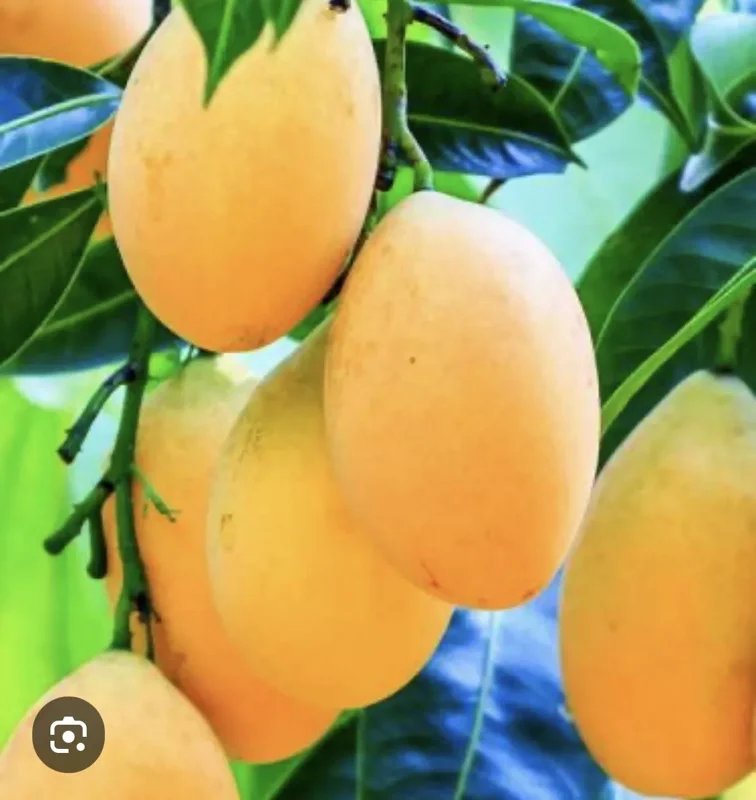
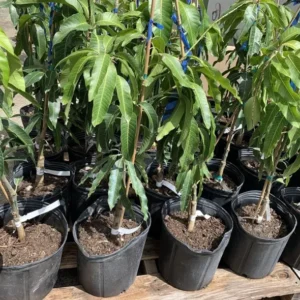
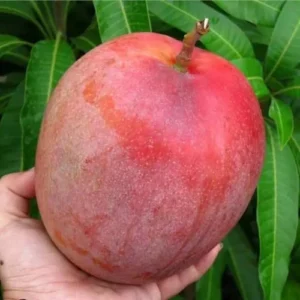
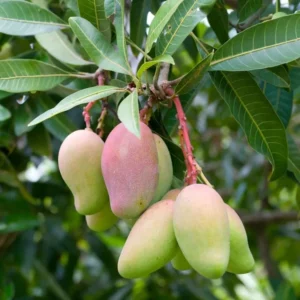
Cultivate your own delicious, healthy mangoes with this organic mango tree plant. Choose between the highly prized Alphonso or the sweet Palmer variety. Arrives ready to thrive, providing fresh fruit and a beautiful addition to your landscape.
Mar 03
Mar 08 - Mar 10
Mar 13 - Mar 17
USDA Hardiness Zone
Soil Type
Sunlight Exposure
Expected Planting Period
Shipping and return policies: Our Alive & Thrive Guarantee covers issues with your plants within the first 30 days. Get in touch with us via email, and our team will review your concerns and, if necessary, provide you with a one-time replacement at no cost.
If you're unsure about your hardiness zone, feel free to reach out to us. Our team will answer your questions and help you find the plants that are truly suitable for your environment, climate, and personal preferences.
Imagine harvesting sweet, juicy mangoes directly from your own garden! Our organic mango tree plant makes this dream a reality. We offer two exceptional varieties: the renowned Alphonso, celebrated for its rich, aromatic flavor, and the delightful Palmer, known for its sweet, fiber-free flesh. Each organic mango tree plant is meticulously nurtured to ensure it arrives healthy and ready to flourish in your care. Growing your own mangoes is not just a rewarding experience; it’s a step towards sustainable living and enjoying the freshest fruit possible. This live fruit tree is perfect for both experienced gardeners and enthusiastic beginners looking to embark on the journey of growing their own tropical produce.
This particular offering focuses on providing a robust and healthy specimen of either the Alphonso or Palmer variety. These trees are grown using organic practices, ensuring they are free from harmful pesticides and chemicals, contributing to a healthier environment and more delicious fruit. With proper care, your organic mango tree plant will become a cherished part of your landscape, offering both aesthetic beauty and bountiful harvests for years to come. It’s an excellent way to connect with nature and enjoy the unparalleled taste of homegrown mangoes.
Growing your own organic mango tree plant offers a multitude of advantages, enriching your lifestyle and garden alike. From fresh produce to environmental contributions, the benefits are significant.
Caring for your organic mango tree plant is a rewarding endeavor that ensures a bountiful harvest. Mango trees thrive in specific conditions, and understanding these will help your tree flourish. They require ample sunlight, ideally at least 6-8 hours of direct sun per day. Choose a location in your garden that receives full sun exposure throughout the day. For soil, mango trees prefer well-drained soil with a slightly acidic pH, typically between 6.0 and 7.0. Avoid heavy clay soils that retain too much moisture, as this can lead to root rot. Amending your soil with organic matter can improve drainage and provide essential nutrients.
Watering is crucial, especially during dry periods and for young trees. Water deeply and regularly, allowing the top layer of soil to dry slightly between waterings. Overwatering can be as detrimental as underwatering. Once established, mango trees are relatively drought-tolerant but will produce better fruit with consistent moisture. Fertilize your organic mango tree plant with a balanced fertilizer formulated for fruit trees, following the product’s instructions. Young trees benefit from more frequent, lighter applications, while mature trees can be fertilized less often. Pruning is also important to maintain the tree’s shape, promote air circulation, and encourage fruit production. Remove any dead, diseased, or crossing branches. If you’re looking to grow organic mangoes, understanding these basics will set you up for success.
The best time to plant your Alphonso mango tree or Palmer mango tree is typically in the spring or early summer, after all danger of frost has passed and the soil has warmed. Protect young trees from cold temperatures, especially if you live in an area prone to frost. While mango trees are tropical, some varieties can tolerate brief dips in temperature once mature. Monitor for common pests and diseases, addressing them promptly with organic solutions to maintain the health of your fruit tree care. With consistent attention to these guidelines, your mango tree will thrive and provide delicious fruit for many years.
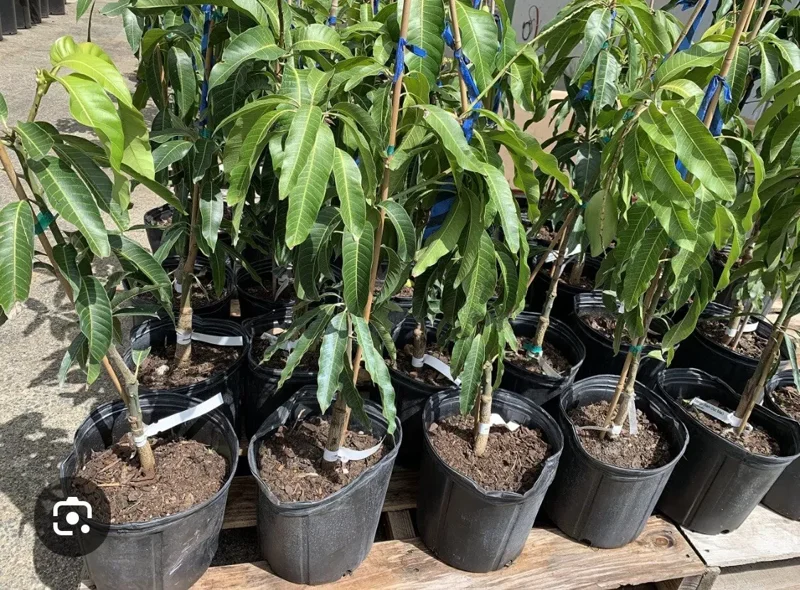
This offering is for a live organic mango tree plant, carefully selected for its health and vigor. The specific size at shipment may vary, but it will be a well-rooted specimen ready for transplanting. Mature mango trees, depending on the variety and growing conditions, typically range from 15-25 feet tall. The spread can be similar, creating a significant canopy. Our trees are shipped in appropriate nursery containers to minimize stress during transit, ensuring they arrive ready to plant in your garden or a larger pot.
The growth rate of an organic mango tree plant is considered moderate, with fruit production typically beginning within 3-5 years after planting, though this can vary. Both the Alphonso and Palmer varieties are known for their strong growth habits when provided with optimal care. Expect a beautiful, lush tree that will not only produce delicious fruit but also serve as a stunning focal point in your landscape. Prepare for a long-term commitment to nurturing this tropical gem.
You must be logged in to post a review.
Sold 65 products
Original price was: $55.98.$27.99Current price is: $27.99.
Sold 56 products
Original price was: $99.98.$49.99Current price is: $49.99.
Sold 95 products
Original price was: $59.98.$29.99Current price is: $29.99.
Sold 73 products
Original price was: $243.98.$121.99Current price is: $121.99.
Sold 56 products
Original price was: $319.98.$159.99Current price is: $159.99.
Sold 67 products
Original price was: $257.98.$128.99Current price is: $128.99.
Sold 95 products
Original price was: $256.36.$128.18Current price is: $128.18.
Sold 80 products
Original price was: $67.98.$33.99Current price is: $33.99.
Reviews
There are no reviews yet.