NEED SUPPORT WITH YOUR ORDER? Get in touch
Not satisfied with your purchase?
Enter your Order ID on website, and we'll resolve it right away.




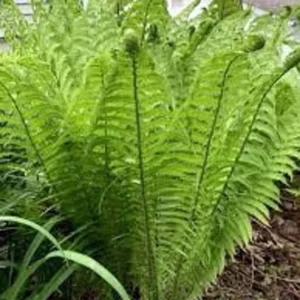
Original price was: $65.99.$34.99Current price is: $34.99.
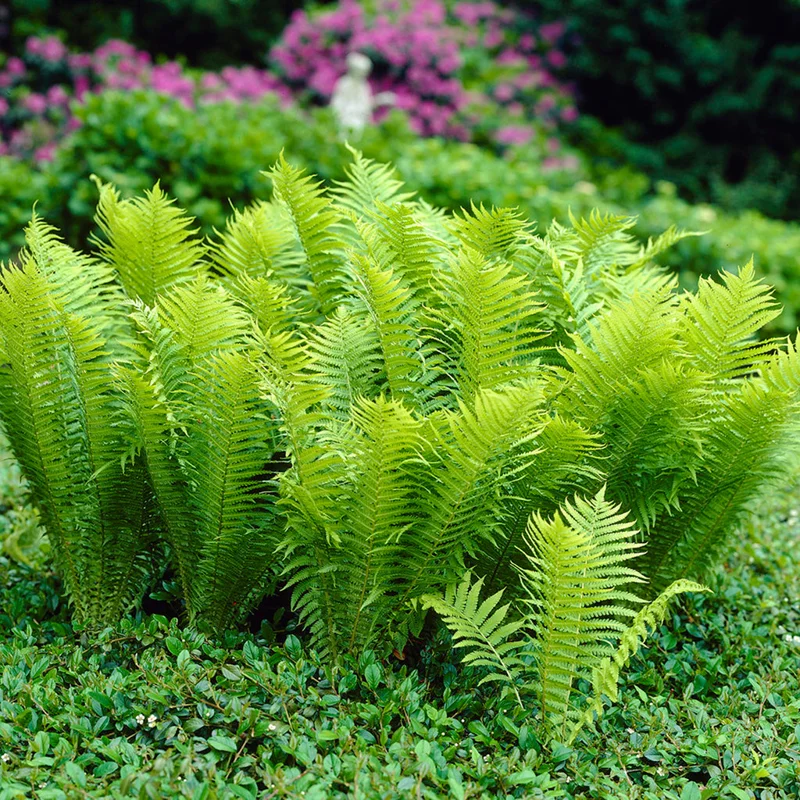
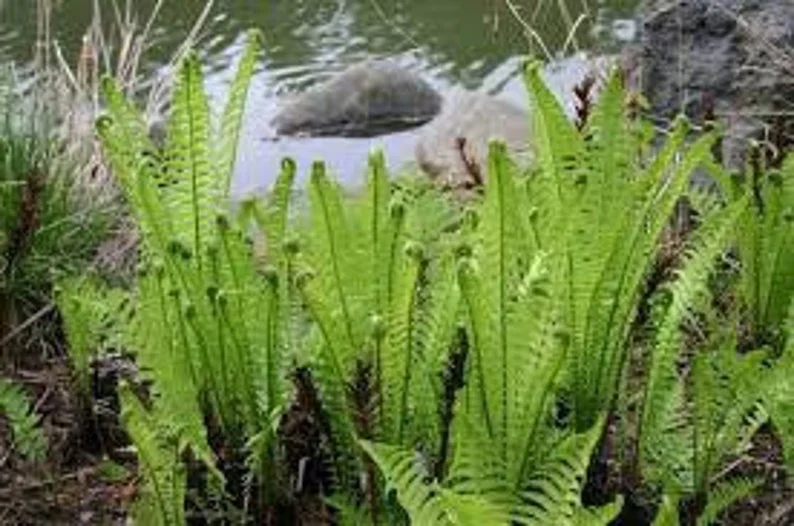
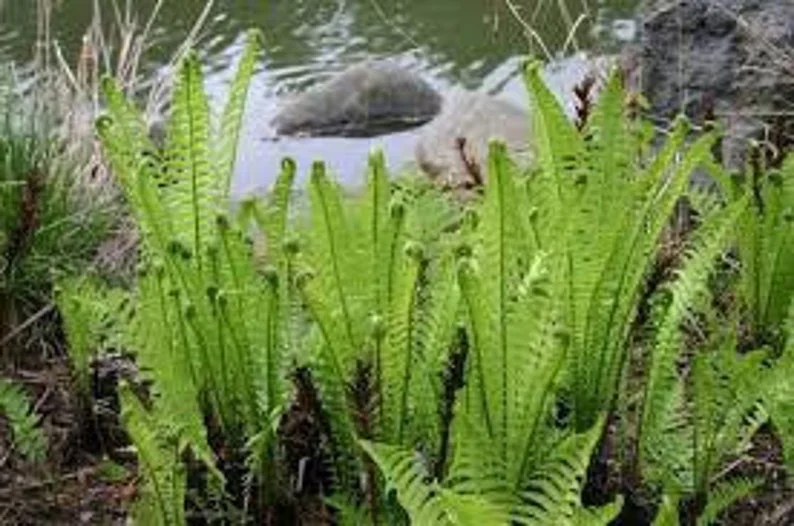
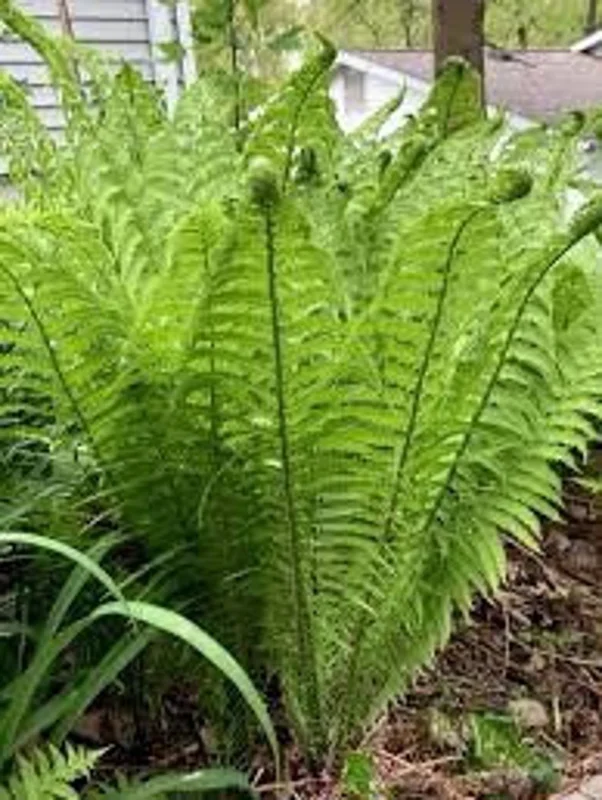
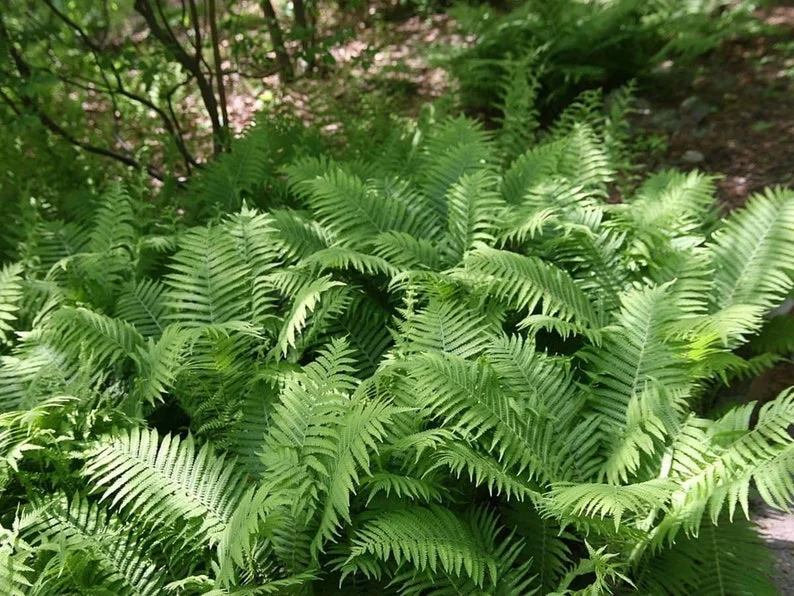
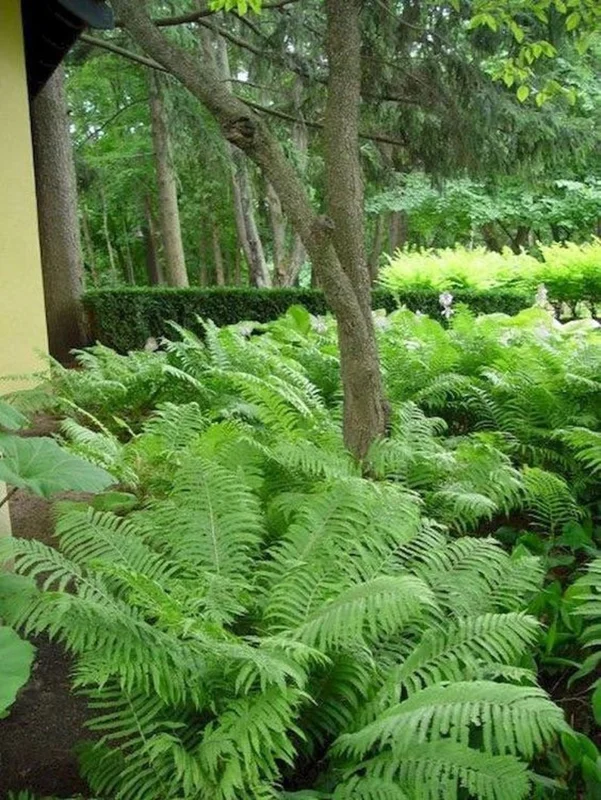
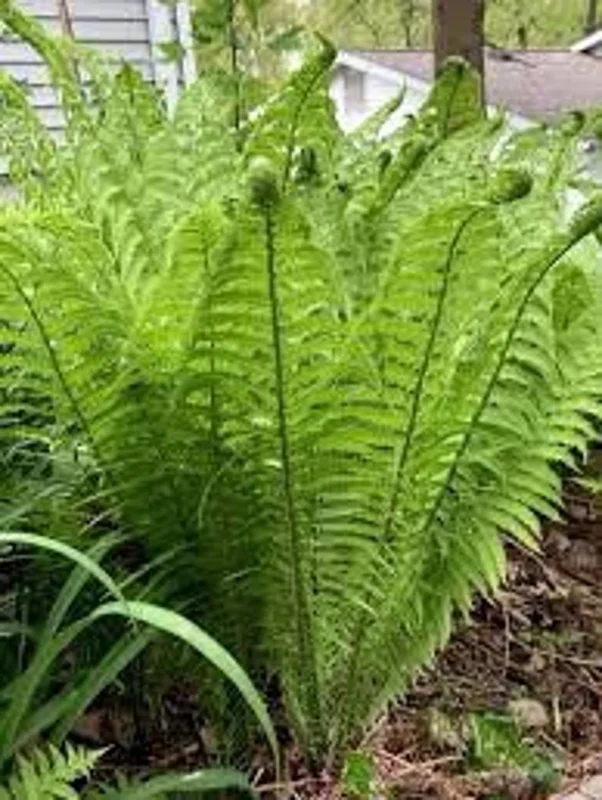
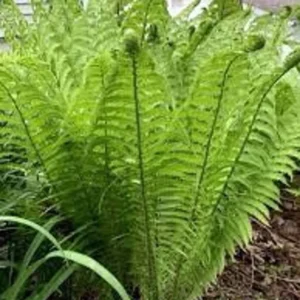
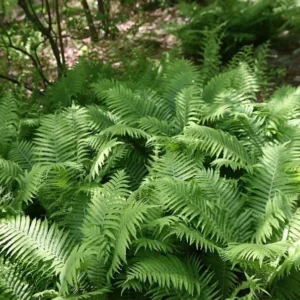
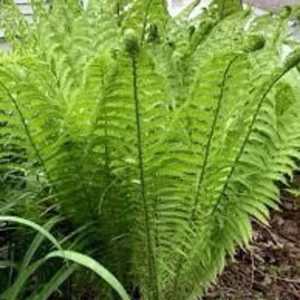
Add natural elegance to your landscape with Ostrich Fern bare root plants. You will receive 5 perennial Matteuccia Struthiopteris plant transplants, perfect for creating a lush, serene environment in shady garden spots. Enjoy the unique delight of edible fiddlehead fern in spring.
Mar 03
Mar 08 - Mar 10
Mar 13 - Mar 17
USDA Hardiness Zone
Soil Type
Sunlight Exposure
Expected Planting Period
Shipping and return policies: Our Alive & Thrive Guarantee covers issues with your plants within the first 30 days. Get in touch with us via email, and our team will review your concerns and, if necessary, provide you with a one-time replacement at no cost.
If you're unsure about your hardiness zone, feel free to reach out to us. Our team will answer your questions and help you find the plants that are truly suitable for your environment, climate, and personal preferences.
Introduce a touch of wild elegance and natural beauty to your garden with our premium Ostrich Fern bare root plants. This offering includes 5 robust perennial wildflower transplants, ready to establish themselves and transform your landscape. The Ostrich Fern, scientifically known as Matteuccia Struthiopteris plant, is celebrated for its distinctive, graceful arching fronds that create a captivating texture and lush greenery. Beyond its aesthetic appeal, this fern provides the unique opportunity to harvest delicious, edible fiddlehead fern in the spring, making it a delightful and versatile addition to any woodland garden or shady border. These ferns are shipped bare root, a specialized method that significantly minimizes stress during transit, ensuring your plants arrive in optimal condition and are ready to thrive in their new home.
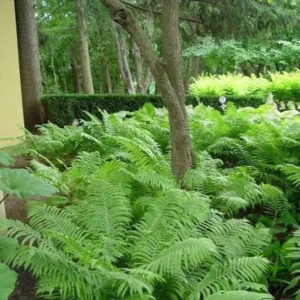
The Ostrich Fern is a classic choice for gardeners seeking to create a serene and natural ambiance in their outdoor spaces. Its ability to quickly establish and spread makes it an excellent option for filling in challenging shady areas, providing consistent beauty year after year. These resilient plants are a testament to nature’s enduring charm, offering both ornamental value and a unique culinary experience for those who appreciate fresh, seasonal delicacies.
Cultivating Ostrich Fern bare root plants in your garden offers a multitude of advantages, enriching both your landscape and your lifestyle. These versatile ferns are not only visually appealing but also provide practical benefits for a thriving ecosystem.
Caring for your Ostrich Fern bare root plants is straightforward, ensuring they establish quickly and thrive in your garden. These resilient ferns are well-suited for a variety of conditions, particularly those found in woodland or naturalized settings. They are known for their adaptability and ability to spread, forming impressive colonies over time.
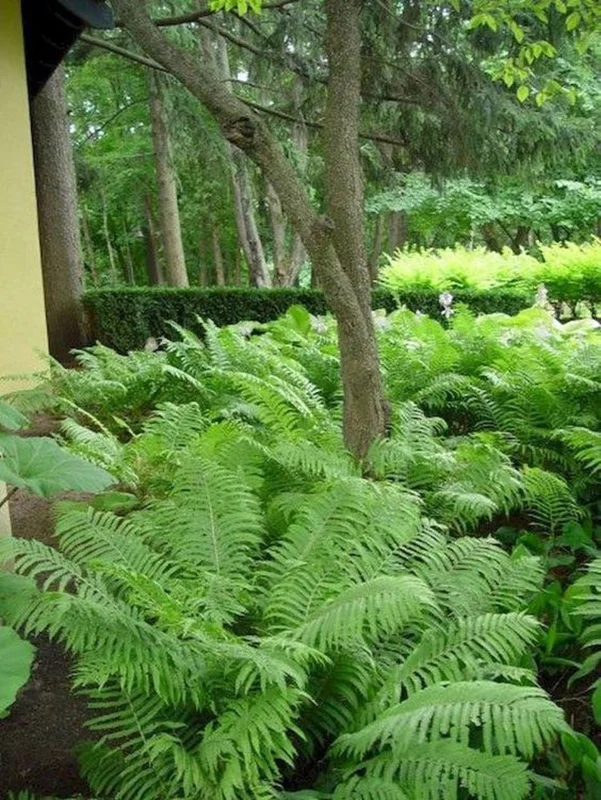
Sunlight Requirements: Ostrich Ferns, including the Matteuccia Struthiopteris plant, flourish best in partial to full shade. While they can tolerate some morning sun, direct afternoon sun should be avoided as it can scorch their delicate fronds. They are perfect for those challenging, darker spots in your landscape where other plants might struggle, creating a verdant understory beneath trees or along north-facing walls.
Watering and Soil: These ferns prefer consistently moist, well-drained soil that is rich in organic matter. Regular watering is crucial, especially during dry spells and in their first year of establishment. The soil should never be allowed to dry out completely. Incorporating compost or other organic materials into the planting site will provide the ideal nutrients and moisture retention for vigorous growth. Good drainage is also key to prevent root rot.
Temperature and Hardiness: The Ostrich Fern is a very cold-hardy perennial, generally thriving in USDA Zones 2-8. They are accustomed to temperate climates and can withstand cold winters, going dormant and re-emerging with fresh, vibrant fronds in the spring. No special winter protection is typically needed in their hardiness range. Fertilization is generally not heavily required; a light application of a balanced, slow-release fertilizer in early spring can promote robust growth, especially in poorer soils. Common problems are few, but watch for slugs and snails, especially on young fiddleheads. Ensuring proper air circulation can help prevent fungal issues in very humid environments.
This offering includes 5 high-quality Ostrich Fern bare root transplants, carefully prepared for optimal establishment in your garden. When mature, these impressive ferns can reach a height of 3-6 feet and spread 2-4 feet wide, creating a substantial and impactful presence in your landscape. Their fast-growing nature means they will quickly establish and spread, filling in spaces with lush foliage and forming dense colonies. The plants are shipped bare root, meaning they arrive without soil or pots, with their foliage carefully cut back. This method ensures minimal transplant shock and allows for efficient, healthy growth once planted. The optimal time to plant these bare root Ostrich Ferns for successful establishment is in early spring or fall, allowing them to settle in before extreme temperatures. You can expect to see significant growth and the emergence of delicious edible fiddlehead fern within the first growing season under ideal conditions.
You must be logged in to post a review.
Sold 80 products
Original price was: $59.99.$43.99Current price is: $43.99.
Grasses
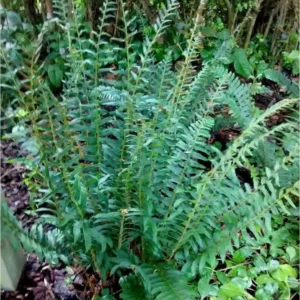
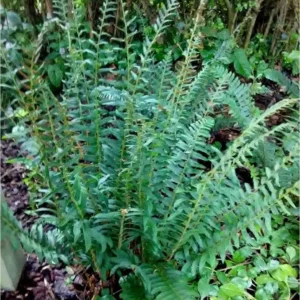
Christmas Fern Bare Root Plants Polystichum Acrostichoides – 15 Count Native Perennial Evergreen
Sold 51 products
Original price was: $55.99.$34.99Current price is: $34.99.
Sold 76 products
Original price was: $92.99.$72.99Current price is: $72.99.
Sold 85 products
Original price was: $142.99.$124.99Current price is: $124.99.
Sold 74 products
Original price was: $95.99.$72.99Current price is: $72.99.
Sold 66 products
Original price was: $50.99.$25.99Current price is: $25.99.
Sold 70 products
Original price was: $42.99.$30.99Current price is: $30.99.
Sold 77 products
Original price was: $58.99.$28.99Current price is: $28.99.


Reviews
There are no reviews yet.