NEED SUPPORT WITH YOUR ORDER? Get in touch
Not satisfied with your purchase?
Enter your Order ID on website, and we'll resolve it right away.

Original price was: $64.78.$35.99Current price is: $35.99.
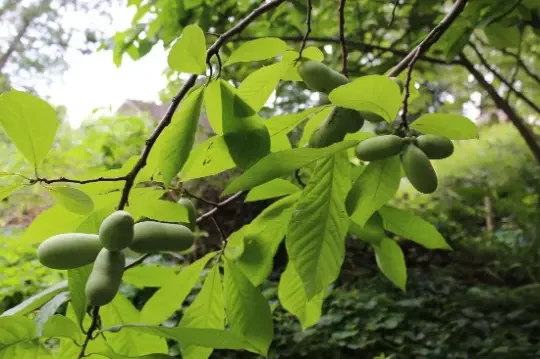
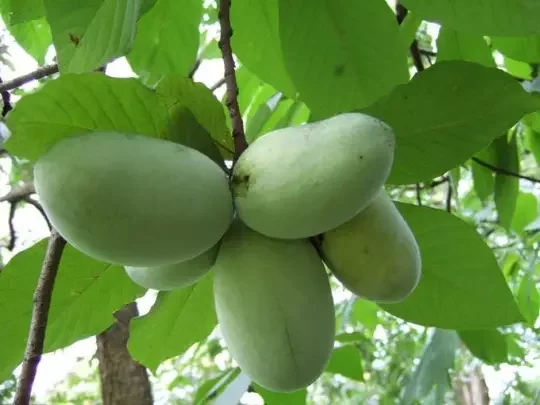
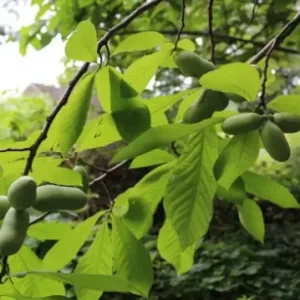
Bring tropical flavor to your garden with a paw paw tree live plant. This 6-12 inch tall Indian Banana fruit tree comes in a quart pot, ready for planting. Enjoy unique banana-flavored fruit and beautiful fall foliage from this cold-hardy and adaptable tree.
Feb 04
Feb 09 - Feb 11
Feb 14 - Feb 18
USDA Hardiness Zone
Soil Type
Sunlight Exposure
Expected Planting Period
Shipping and return policies: Our Alive & Thrive Guarantee covers issues with your plants within the first 30 days. Get in touch with us via email, and our team will review your concerns and, if necessary, provide you with a one-time replacement at no cost.
If you're unsure about your hardiness zone, feel free to reach out to us. Our team will answer your questions and help you find the plants that are truly suitable for your environment, climate, and personal preferences.
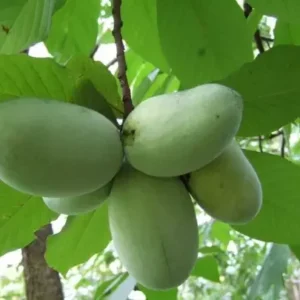
Introduce a taste of the tropics to your landscape with this remarkable paw paw tree live plant. Also known as the Indian Banana Plant, this ornamental fruit tree is a fantastic addition to any garden, offering not just delicious, unique fruit but also year-round visual appeal. You will receive one healthy Paw Paw tree, measuring between 6-12 inches tall, carefully planted in a quart pot and ready to thrive in your outdoor space. The Paw Paw (Asimina triloba) is celebrated for its surprisingly cold-hardy nature, allowing gardeners in various climates to enjoy its exotic benefits. Imagine the delight of harvesting your very own banana-flavored fruit directly from your backyard, a truly rewarding experience for any plant enthusiast.
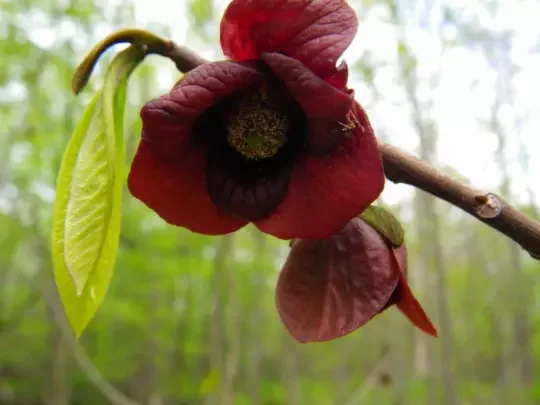
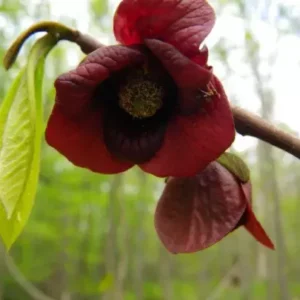
The indian banana plant provides more than just fruit; it transforms your garden through the seasons. In spring, it bursts into bloom with charming inch-long, bell-shaped flowers, adding a delicate beauty to your yard. As autumn approaches, its leaves undergo a spectacular transformation, turning a brilliant yellow that brings a vibrant splash of color to the fall landscape. This versatile tree is remarkably resilient, capable of tolerating cold temperatures as low as -25°F, making it a robust choice for many regions. Its unique characteristics make it a focal point in any garden, promising both aesthetic pleasure and a bountiful harvest.
Planting a paw paw fruit tree offers a multitude of advantages, enriching your garden with both beauty and bounty. This unique specimen brings an exotic touch while being surprisingly easy to integrate into diverse landscapes. Discover the exceptional benefits:
Caring for your paw paw tree live plant is straightforward, ensuring a healthy and productive tree for years to come. These trees are quite adaptable, but providing optimal conditions will encourage the best growth and fruit production. For sunlight, Paw Paw trees are versatile; they can tolerate full sun, full shade, or partial shade. While young trees often benefit from some afternoon shade, mature trees in full sun tend to produce the most fruit. Ensure your chosen location provides adequate space for its mature size.
When it comes to watering, the Paw Paw prefers consistently moist, but not waterlogged, soil. Medium watering is generally sufficient, especially during dry spells and when the tree is establishing. Well-draining soil is crucial to prevent root rot. The tree thrives in neutral soil types, including clay, loam, and peat, demonstrating its adaptability to various garden environments. Fertilization can be done in early spring with a balanced, slow-release fertilizer, following product instructions to avoid over-fertilization. Pruning is typically minimal, focusing on removing dead or crossing branches to maintain a strong structure.
The cold hardy fruit tree is robust, thriving in USDA zones 5-8. This wide hardiness range makes it suitable for many climates across the US. Protecting young trees from harsh winter winds can be beneficial in colder zones. Watch for common issues like leaf spot, though Paw Paws are generally quite resistant to pests and diseases. Providing consistent care, especially during its early years, will help your Paw Paw establish a strong root system and ensure a bountiful harvest of delicious Indian Bananas in the future. Remember that the asimina triloba is a rewarding plant that will bring unique character to your garden.
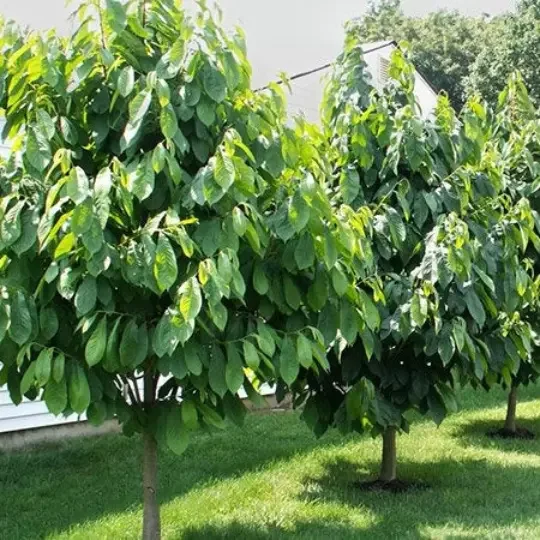
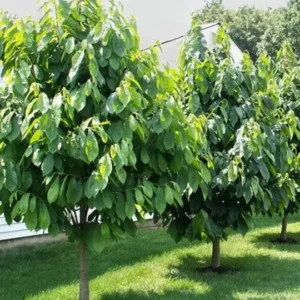
This offering includes one healthy paw paw tree live plant, which will arrive measuring between 6 to 12 inches tall. Each tree is carefully grown and shipped in a quart-sized nursery pot, providing a well-established root system ready for planting in your garden. The Paw Paw is known for its medium growth rate, eventually reaching a mature height of 15 to 20 feet with a similar spread, creating a beautiful and productive shade tree. While it may take 3-7 years for the tree to begin producing its unique banana-flavored fruit, the wait is well worth it for the delicious harvest and ornamental beauty. This robust specimen is ideal for those looking to add a truly special fruit tree to their outdoor landscape.
You must be logged in to post a review.
Sold 76 products
Original price was: $258.98.$129.49Current price is: $129.49.
Sold 61 products
Original price was: $371.98.$185.99Current price is: $185.99.
Sold 91 products
Original price was: $55.98.$27.99Current price is: $27.99.
Sold 58 products
Original price was: $319.98.$159.99Current price is: $159.99.
Sold 83 products
Original price was: $55.98.$27.99Current price is: $27.99.
Sold 87 products
Original price was: $67.98.$33.99Current price is: $33.99.
Sold 77 products
Original price was: $99.98.$49.99Current price is: $49.99.
Sold 83 products
Original price was: $359.98.$179.99Current price is: $179.99.

Reviews
There are no reviews yet.