NEED SUPPORT WITH YOUR ORDER? Get in touch
Not satisfied with your purchase?
Enter your Order ID on website, and we'll resolve it right away.

Original price was: $49.99.$39.99Current price is: $39.99.
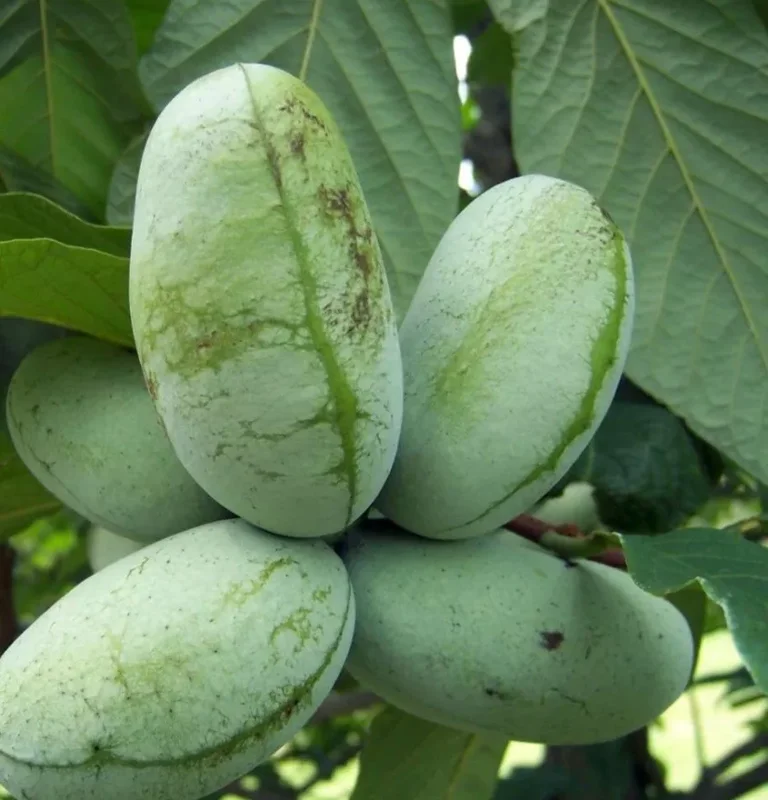
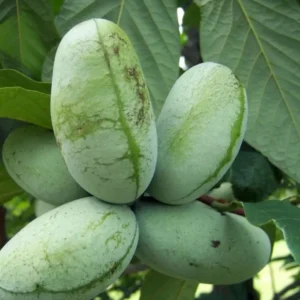
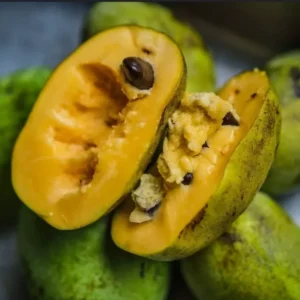
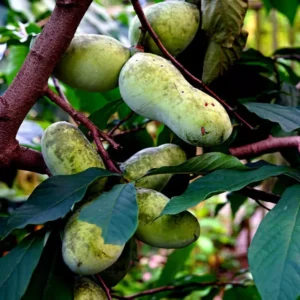
Bring the taste of the tropics to your garden with this set of two pawpaw tree live plant specimens. Also known as the Indian banana plant (Asimina triloba), these deciduous fruit trees arrive 6-12 inches tall in 4-inch pots. Enjoy homegrown, uniquely flavored fruit and benefit from their natural deer resistance.
Mar 03
Mar 08 - Mar 10
Mar 13 - Mar 17
USDA Hardiness Zone
Soil Type
Sunlight Exposure
Expected Planting Period
Shipping and return policies: Our Alive & Thrive Guarantee covers issues with your plants within the first 30 days. Get in touch with us via email, and our team will review your concerns and, if necessary, provide you with a one-time replacement at no cost.
If you're unsure about your hardiness zone, feel free to reach out to us. Our team will answer your questions and help you find the plants that are truly suitable for your environment, climate, and personal preferences.
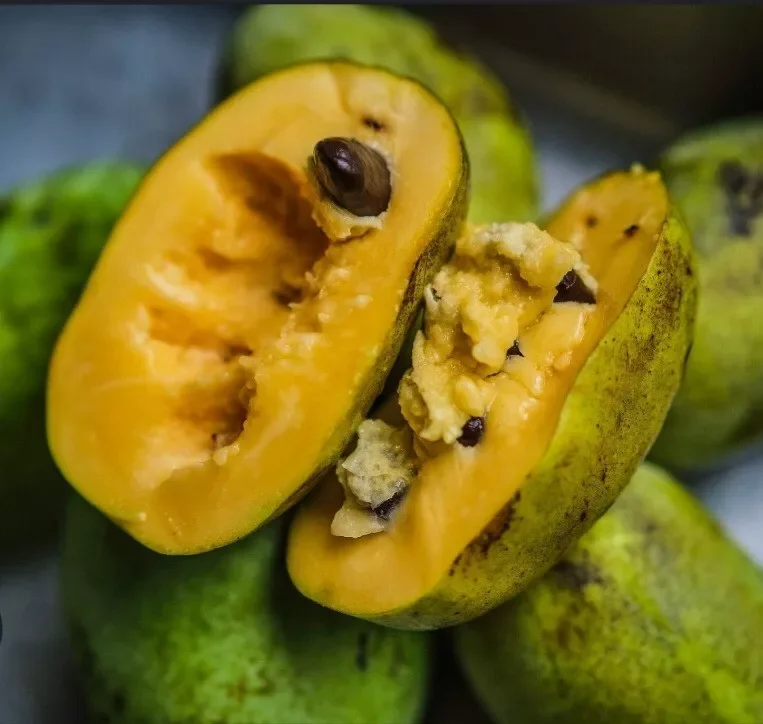
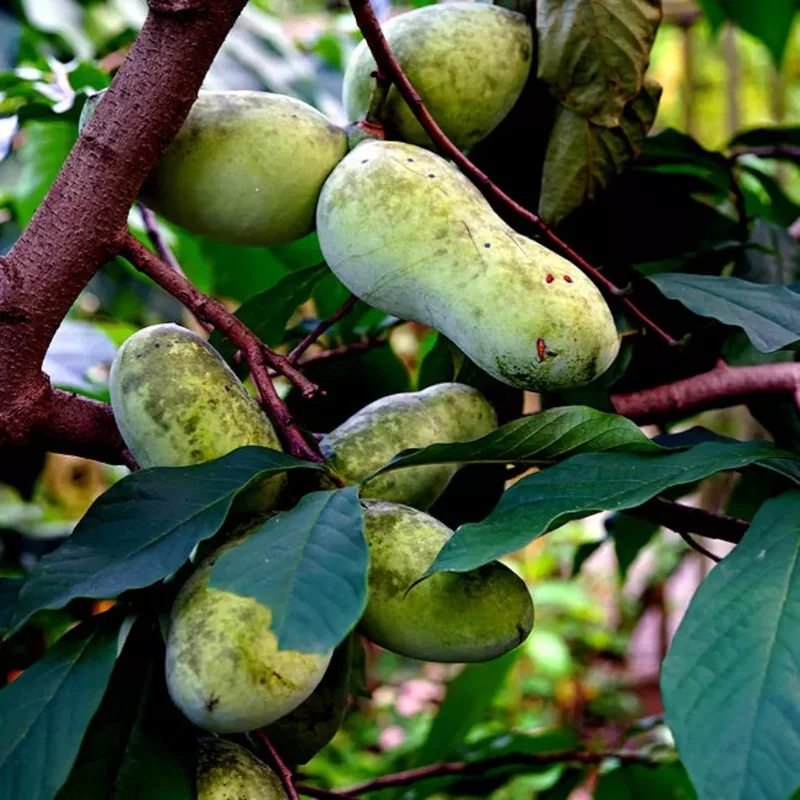
Introduce a unique and delicious fruit to your garden with this set of two pawpaw tree live plant specimens. Also known as the Indian banana plant (Asimina triloba), these deciduous trees offer both ornamental beauty and a harvest of creamy, tropical-flavored fruit. Each plant arrives at a healthy 6-12 inches tall in a 4-inch pot, ready to establish in your garden or a larger container. The pawpaw is North America’s largest native edible fruit, making it a truly special addition for any enthusiast looking to grow something distinctive. Experience the satisfaction of cultivating your own organic fruit with these versatile and rewarding trees.
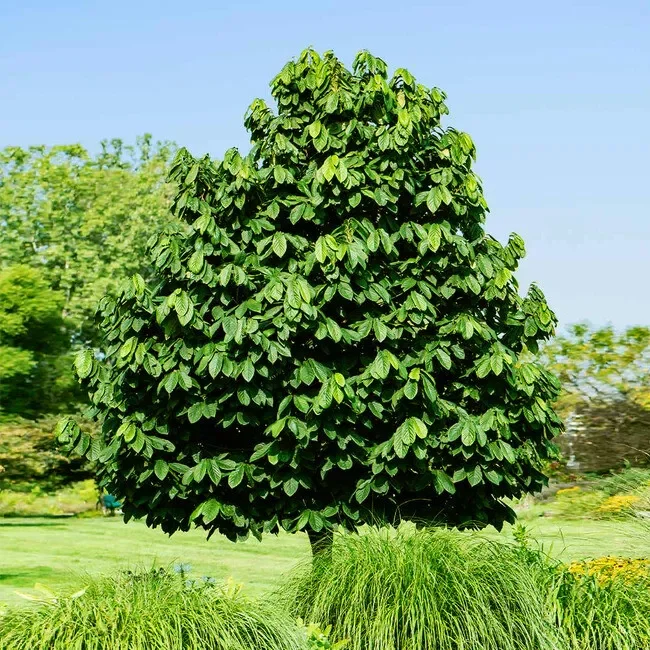
The pawpaw tree live plant is remarkably adaptable, thriving in a range of climates and soil conditions. Its broadleaf foliage provides attractive seasonal interest, transitioning beautifully through fall, spring, summer, and winter. These trees are well-suited for both novice and experienced gardeners, offering a relatively easy-care option for producing delicious yields. Cultivating a pawpaw fruit tree not only provides fresh produce but also adds a unique aesthetic to your landscape with its attractive form and foliage.
Beyond its culinary appeal, the Asimina triloba contributes to the environment by enhancing air quality. Its resilient nature and unique characteristics make it a fascinating and productive choice for any home garden. Get a head start on establishing your own productive patch and enjoy the distinctive flavor of homegrown pawpaws.
Growing a pawpaw tree live plant offers a multitude of advantages for your garden and your palate. These resilient trees are not only producers of delicious fruit but also provide several practical and aesthetic benefits that enhance any outdoor space.
Caring for your pawpaw tree live plant is relatively straightforward, making it an excellent choice for both beginner and experienced gardeners. These resilient trees thrive with proper attention to their specific needs. When planting, choose a location that receives medium sunlight, ideally 4-6 hours per day. While young pawpaws prefer some shade, mature trees require more sun for optimal fruit production. Ensure the soil is well-drained, as pawpaws do not tolerate waterlogged conditions. An ideal soil mix includes clay, loam, peat, sand, or silt with a neutral pH, providing both nutrients and good drainage.
Watering needs for the Indian banana plant are moderate. Keep the soil consistently moist, especially during dry spells and in the first few years after planting, but avoid overwatering. Once established, they are more tolerant of drought. Fertilize your pawpaw trees annually in early spring with a balanced, slow-release fertilizer designed for fruit trees. Young plants may benefit from a lighter application. Pruning is generally minimal, focusing on removing dead or diseased branches and maintaining a desirable shape. The best time to prune is during late winter or early spring while the tree is dormant.
The Asimina triloba is a hardy plant, typically suited for USDA zones 5-9. It can withstand various temperatures, but planting in spring or fall allows for better establishment before extreme heat or cold. While naturally deer-resistant, young plants may need protection from other pests. Monitor for common issues like fungal diseases, ensuring good air circulation around the plant to help prevent them. With consistent care, your deer resistant fruit tree will flourish and provide a bountiful harvest for years to come.
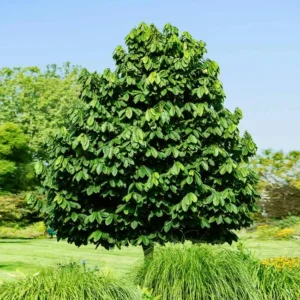
This offering includes a set of two healthy pawpaw tree live plant specimens. Each plant arrives at a height of 6-12 inches, providing a robust start for your garden. They are securely rooted in 4-inch nursery pots, which is an ideal size for transplanting directly into the ground or a larger container upon arrival. The moderate growth rate means these trees will establish steadily, eventually reaching a mature height of 15-20 feet, forming a lovely, spreading canopy that provides both shade and fruit.
The pawpaw fruit tree typically begins to produce fruit within 3-8 years, depending on growing conditions and care. These trees have a running growth habit, which allows them to spread and create a productive patch over time. They are deciduous, meaning their leaves will change color and drop in the fall, offering significant seasonal interest. The unique purplish-brown flowers appear in early spring before the leaves, adding to their ornamental value. This set provides an excellent foundation for establishing a thriving pawpaw grove in your backyard.
You must be logged in to post a review.
Sold 91 products
Original price was: $59.98.$29.99Current price is: $29.99.
Sold 87 products
Original price was: $243.98.$121.99Current price is: $121.99.
Sold 100 products
Original price was: $55.98.$27.99Current price is: $27.99.
Sold 86 products
Original price was: $45.98.$22.99Current price is: $22.99.
Sold 90 products
Original price was: $319.98.$159.99Current price is: $159.99.
Sold 72 products
Original price was: $371.98.$185.99Current price is: $185.99.
Sold 75 products
Original price was: $258.98.$129.49Current price is: $129.49.
Sold 68 products
Original price was: $59.92.$29.96Current price is: $29.96.


Reviews
There are no reviews yet.