NEED SUPPORT WITH YOUR ORDER? Get in touch
Not satisfied with your purchase?
Enter your Order ID on website, and we'll resolve it right away.

Original price was: $32.99.$16.99Current price is: $16.99.
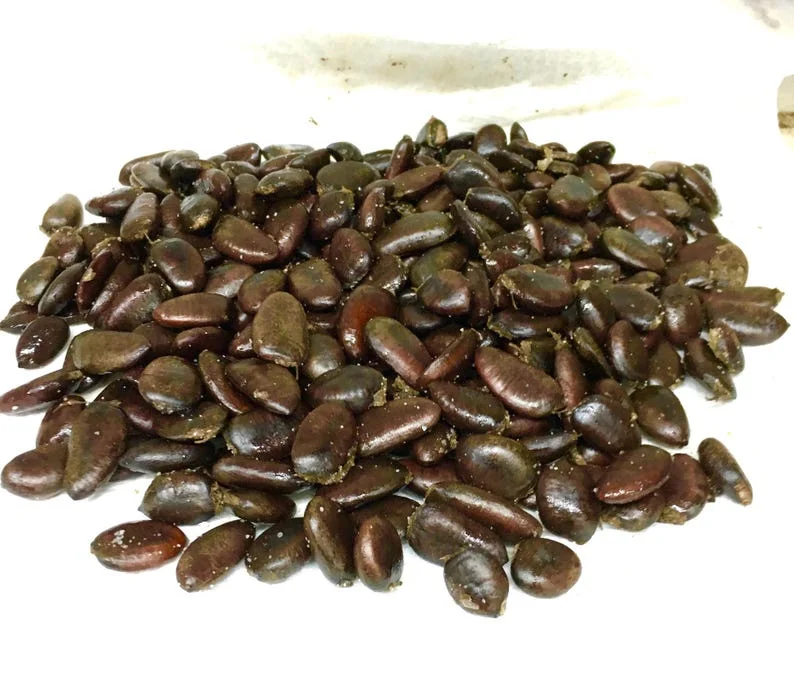
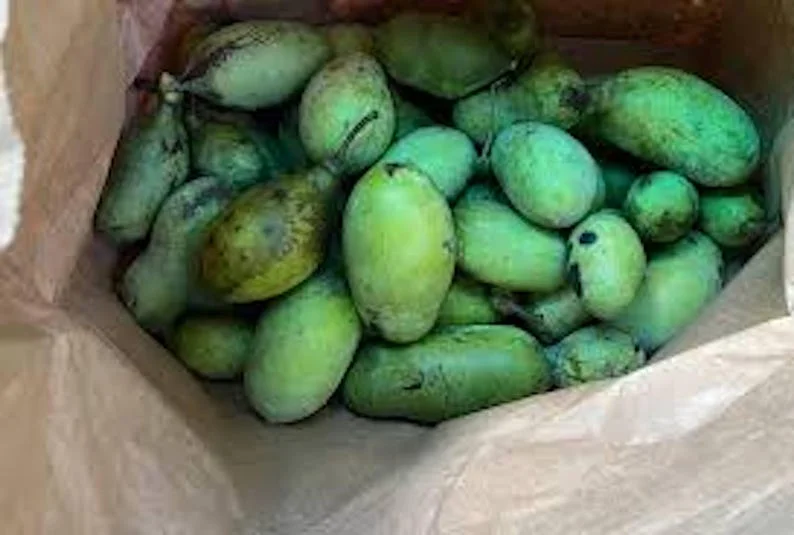
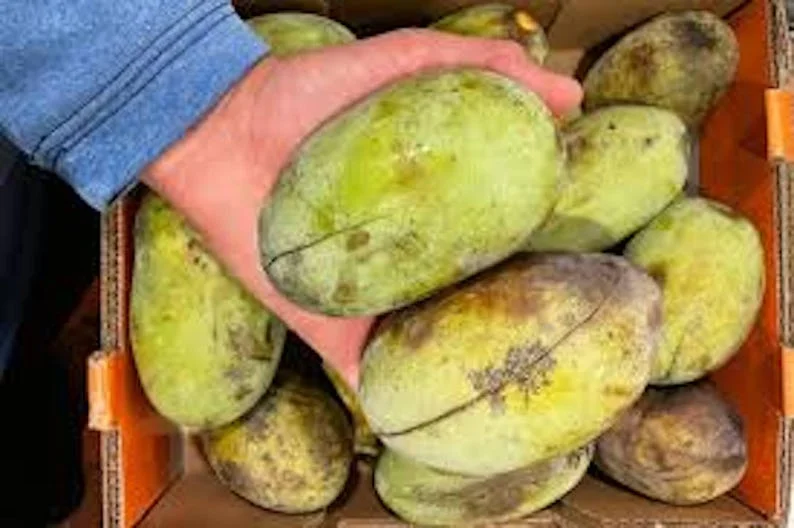
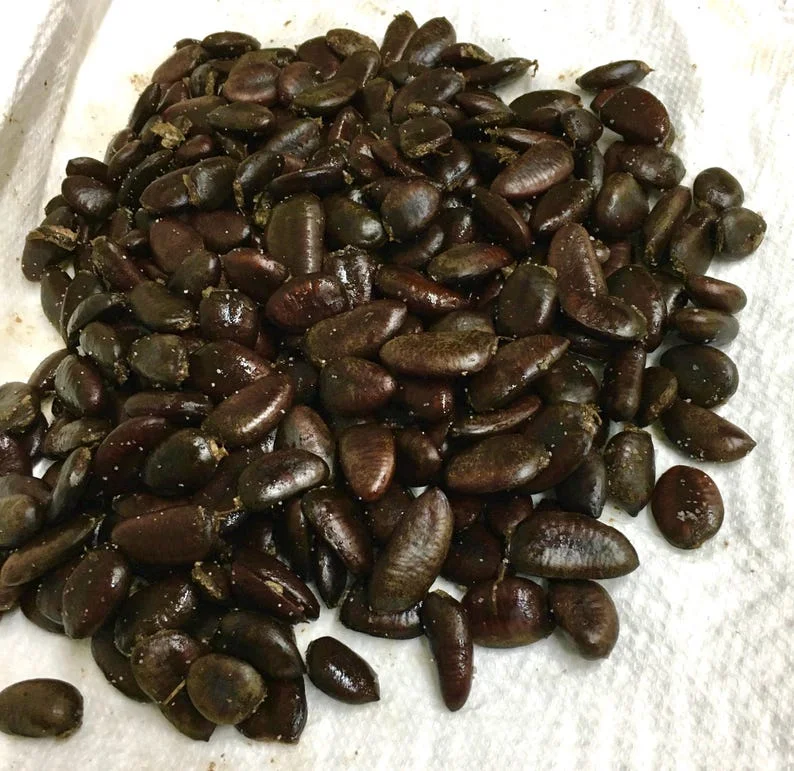
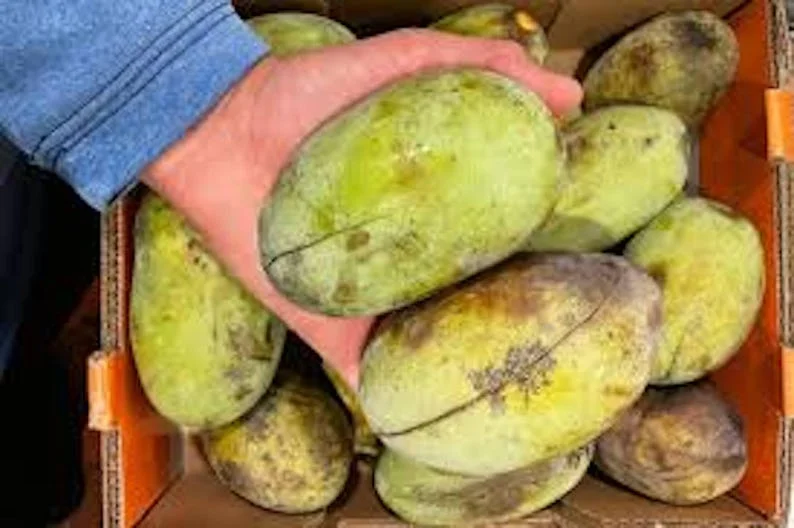
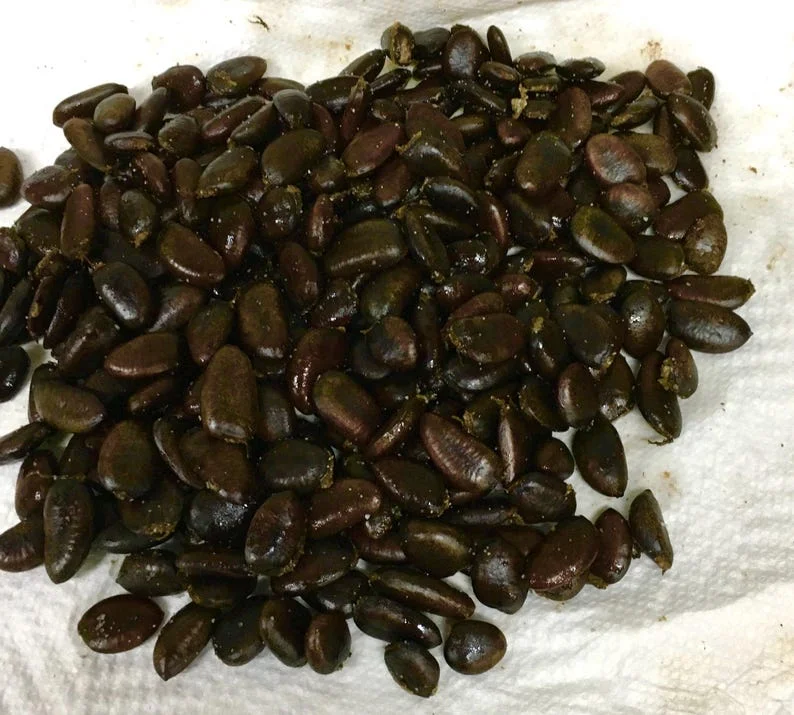
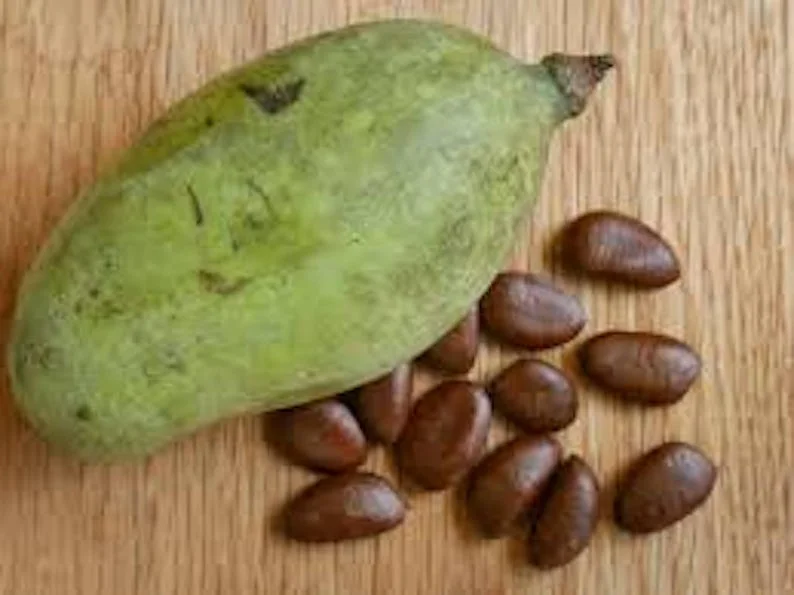
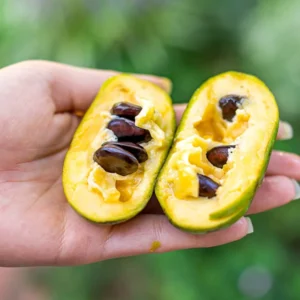
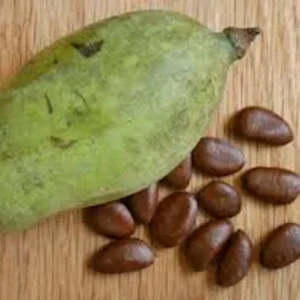
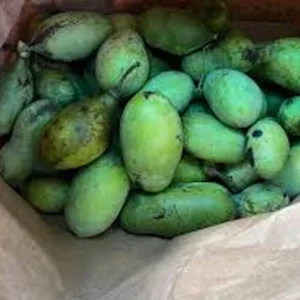
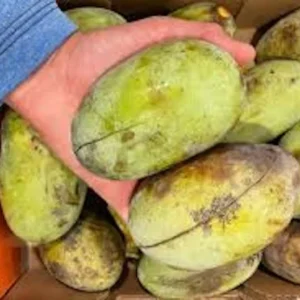
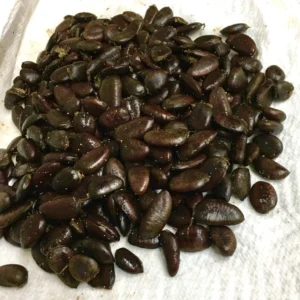
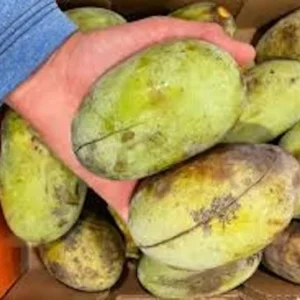
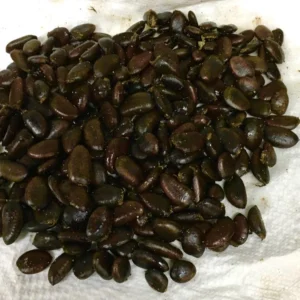
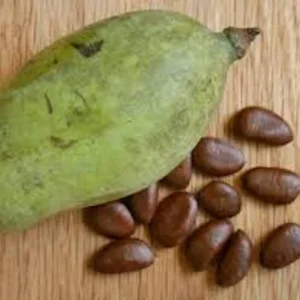
Cultivate your own organic pawpaw tree seeds with this pack of 5 stratified asimina triloba seeds. Enjoy the unique, tropical flavor of this native North American fruit, perfect for home gardens.
Mar 03
Mar 08 - Mar 10
Mar 13 - Mar 17
USDA Hardiness Zone
Soil Type
Sunlight Exposure
Expected Planting Period
Shipping and return policies: Our Alive & Thrive Guarantee covers issues with your plants within the first 30 days. Get in touch with us via email, and our team will review your concerns and, if necessary, provide you with a one-time replacement at no cost.
If you're unsure about your hardiness zone, feel free to reach out to us. Our team will answer your questions and help you find the plants that are truly suitable for your environment, climate, and personal preferences.
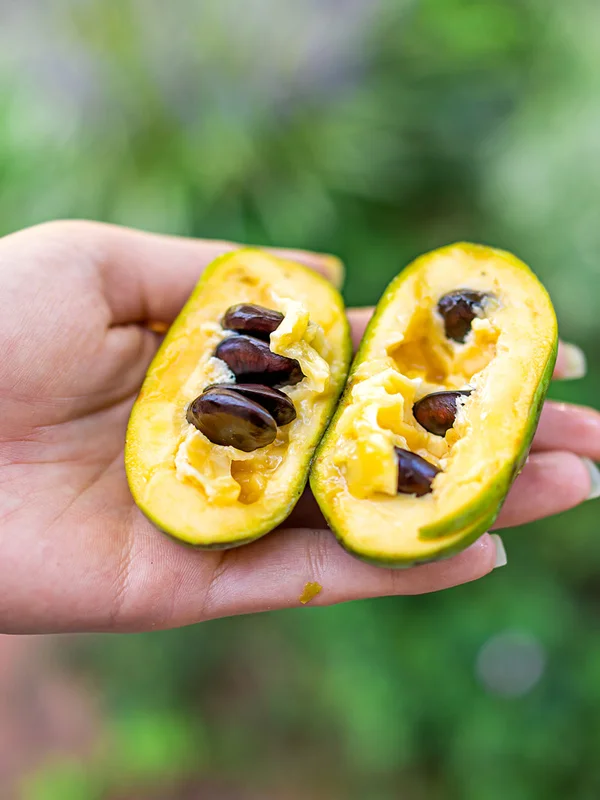
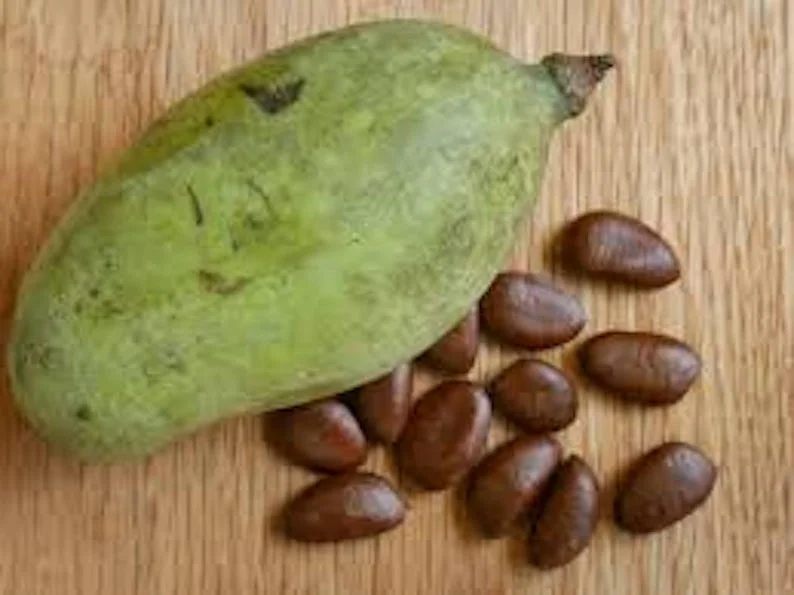
Embark on a rewarding gardening journey by growing your own pawpaw tree seeds. This pack contains 5 premium organic pawpaw seeds (Asimina triloba), carefully stratified to enhance germination success. The Pawpaw tree, often called the American Custard Apple, is a fascinating deciduous tree native to the eastern United States. Its fruit offers a unique, creamy texture and a tropical flavor reminiscent of banana, mango, and melon. Cultivating these heirloom seeds allows you to bring a piece of North American botanical heritage into your own backyard, providing a sustainable source of delicious fruit for years to come. These stratified seeds make the initial planting process smoother, setting you up for a successful grow.
Discover the joy of nurturing a plant from its very beginning. Our asimina triloba seeds are sourced from high-quality, organic parent trees, ensuring genetic integrity and robust growth. Growing Pawpaws from seed is an engaging project for gardeners of all levels, offering both the satisfaction of a successful harvest and the beauty of a native fruit tree in your landscape. Prepare to enjoy the sweet, nutritious fruit and the attractive foliage that this remarkable tree provides.
Growing your own Pawpaw tree from these exceptional pawpaw tree seeds offers numerous advantages, transforming your garden into a productive and beautiful space:
Successfully growing Pawpaw trees from asimina triloba seeds requires a bit of patience and understanding of their specific needs. These seeds are pre-stratified, which is a crucial first step. After receiving your seeds, they are ready for planting. Pawpaws thrive in well-drained, loamy soil rich in organic matter. A slightly acidic to neutral pH (5.5-7.0) is ideal. When planting, sow seeds about 1 inch deep and 1-2 inches apart in a prepared seedbed or individual pots. Keep the soil consistently moist but not waterlogged to prevent rot. Germination can still take several months, even with stratification, so don’t be discouraged by a slow start.
Young Pawpaw seedlings are sensitive to direct sunlight and benefit greatly from partial shade for their first year or two. As they mature, Pawpaw trees can tolerate full sun, especially in cooler climates, but they generally prefer a location that receives morning sun and afternoon shade, particularly in hotter regions. Water newly planted seedlings regularly to ensure the soil remains moist, typically 1-2 times per week depending on rainfall and temperature. Once established, mature trees are quite drought-tolerant but will produce better fruit with consistent moisture during dry periods. Fertilization can begin after the first year, using a balanced slow-release fertilizer or organic compost in spring.
Pawpaw trees are hardy in USDA Zones 5-9. They are generally pest-resistant, but keep an eye out for common garden pests during their young stages. Ensure good air circulation to prevent fungal issues. Pruning is typically minimal, focused on removing dead, damaged, or crossing branches to maintain a healthy structure. Remember that Pawpaws are generally not self-pollinating, so planting at least two genetically distinct trees (or ensuring nearby wild Pawpaws) is essential for fruit production if you’re growing multiple native fruit tree seeds. With proper care, your Pawpaw trees will flourish and provide delicious fruit for many years.
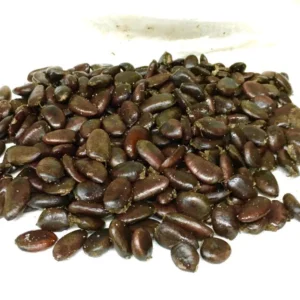
This offering includes 5 individual pawpaw tree seeds (Asimina triloba), which have been professionally stratified for optimal germination. Each seed has the potential to grow into a mature Pawpaw tree, typically reaching a height of 15-25 feet and a spread of 10-15 feet. The growth rate is moderate, and trees grown from seed typically begin to bear fruit within 5-7 years, with mature trees producing a bountiful harvest. The seeds are packaged to ensure their viability upon arrival, ready for planting according to the provided care instructions. These stratified fruit seeds are a fantastic way to start your own mini-orchard.
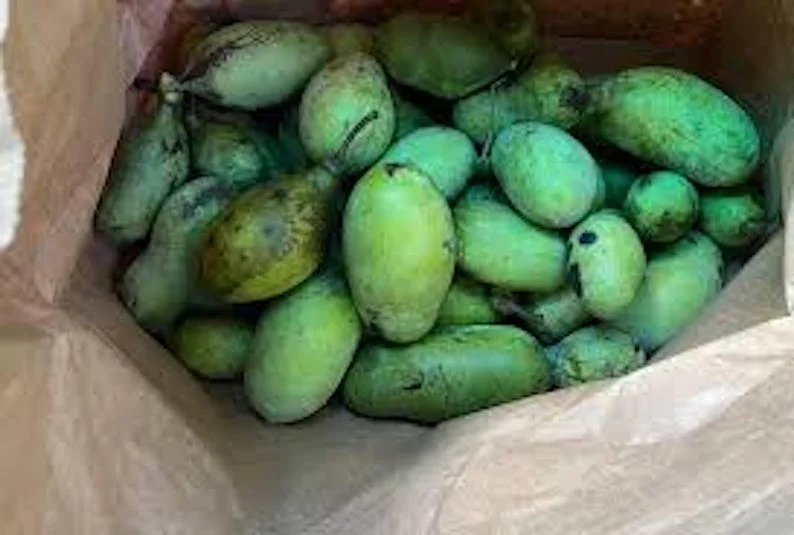
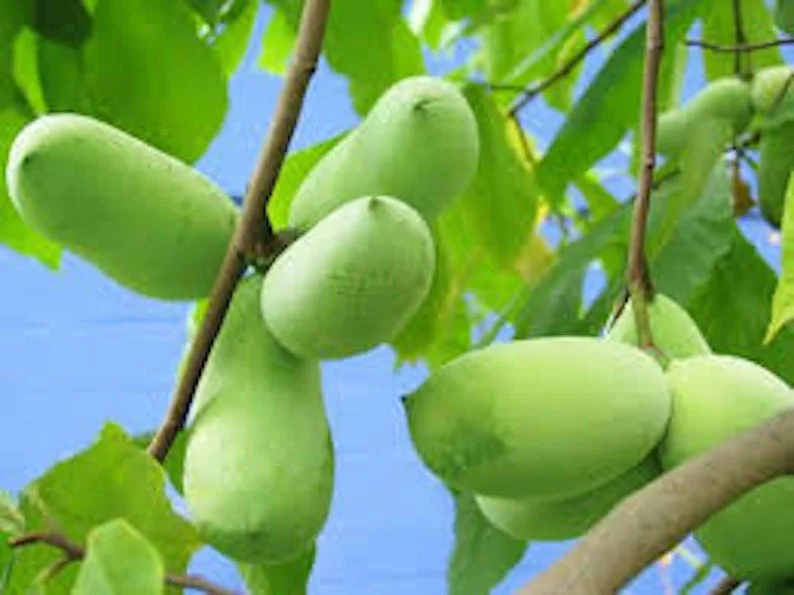
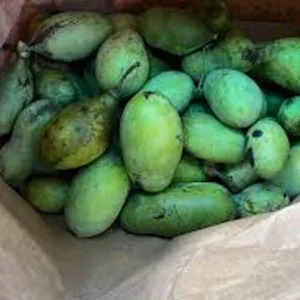
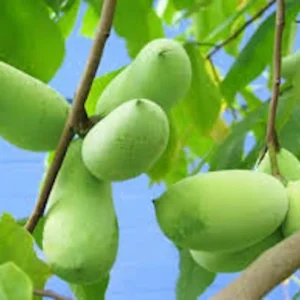
Pawpaw trees are known for their attractive, large leaves that turn a vibrant yellow in the fall, adding seasonal interest to your garden. They are deciduous, shedding their leaves in winter. The fruit, which ripens in late summer to early fall, can vary in size but is typically 3-6 inches long. While these seeds are from organic heirloom stock, individual tree characteristics and fruit size may vary slightly due to natural genetic diversity. Cultivating native fruit tree seeds like these is an investment in your landscape and a delicious future harvest.
You must be logged in to post a review.
Sold 93 products
Original price was: $32.99.$18.99Current price is: $18.99.
Sold 71 products
Original price was: $35.99.$18.99Current price is: $18.99.
Sold 79 products
Original price was: $50.99.$21.99Current price is: $21.99.
Sold 99 products
Original price was: $17.98.$8.99Current price is: $8.99.
Sold 89 products
Original price was: $31.99.$19.99Current price is: $19.99.
Sold 72 products
Original price was: $65.99.$36.99Current price is: $36.99.
Sold 95 products
Original price was: $19.99.$15.99Current price is: $15.99.
Sold 86 products
Original price was: $30.99.$16.99Current price is: $16.99.
Reviews
There are no reviews yet.