NEED SUPPORT WITH YOUR ORDER? Get in touch
Not satisfied with your purchase?
Enter your Order ID on website, and we'll resolve it right away.

Original price was: $70.99.$41.99Current price is: $41.99.
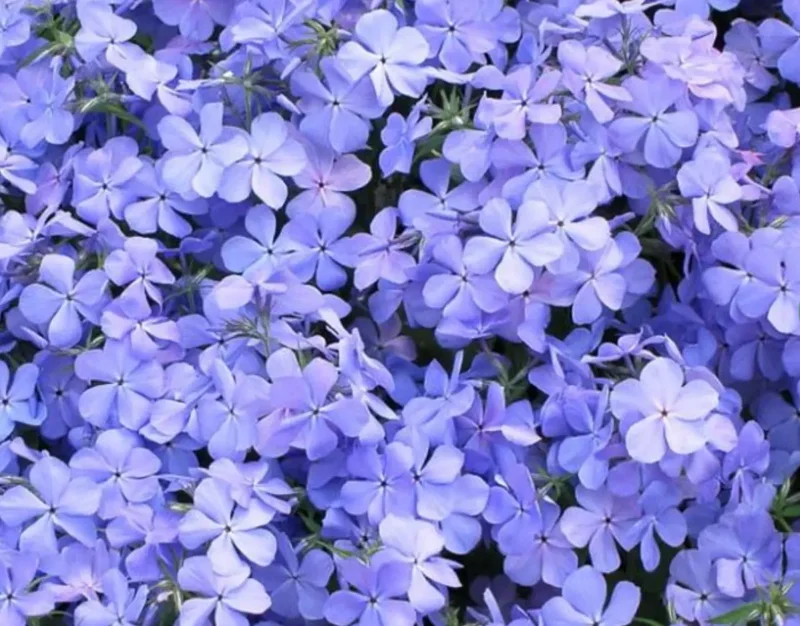
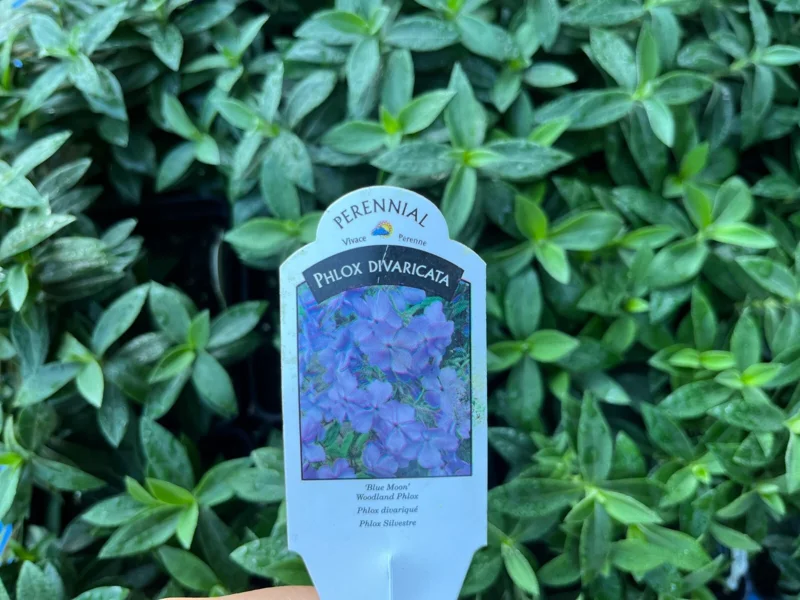
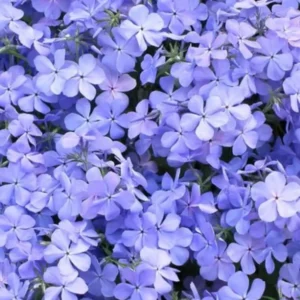
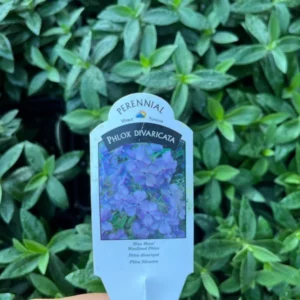
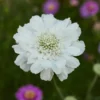
Bring a carpet of stunning blue-violet flowers to your garden with the Phlox Divaricata Blue Moon live plant. This Woodland Phlox perennial offers fragrant blooms, making it an ideal fragrant ground cover. Enjoy its low maintenance nature and adaptability to various garden settings.
Feb 04
Feb 09 - Feb 11
Feb 14 - Feb 18
USDA Hardiness Zone
Soil Type
Sunlight Exposure
Expected Planting Period
Shipping and return policies: Our Alive & Thrive Guarantee covers issues with your plants within the first 30 days. Get in touch with us via email, and our team will review your concerns and, if necessary, provide you with a one-time replacement at no cost.
If you're unsure about your hardiness zone, feel free to reach out to us. Our team will answer your questions and help you find the plants that are truly suitable for your environment, climate, and personal preferences.
Introduce a breathtaking splash of color and fragrance to your landscape with the Phlox Divaricata Blue Moon live plant. Also known as Woodland Blue Moon Phlox, this delightful creeping perennial is celebrated for its abundant blue-violet flowers that form a stunning carpet, making it an exceptional choice for ground cover and borders. This robust plant typically reaches a height of 1-2 feet and a width of 2-3 feet, gradually forming large, vibrant colonies over time. As a semi-evergreen herbaceous perennial, it is highly valued for its compact growth and exceptionally full blooms, providing continuous beauty throughout its blooming season. The Phlox Divaricata Blue Moon live plant is a superb addition to any garden design, offering both aesthetic appeal and remarkable ease of care.
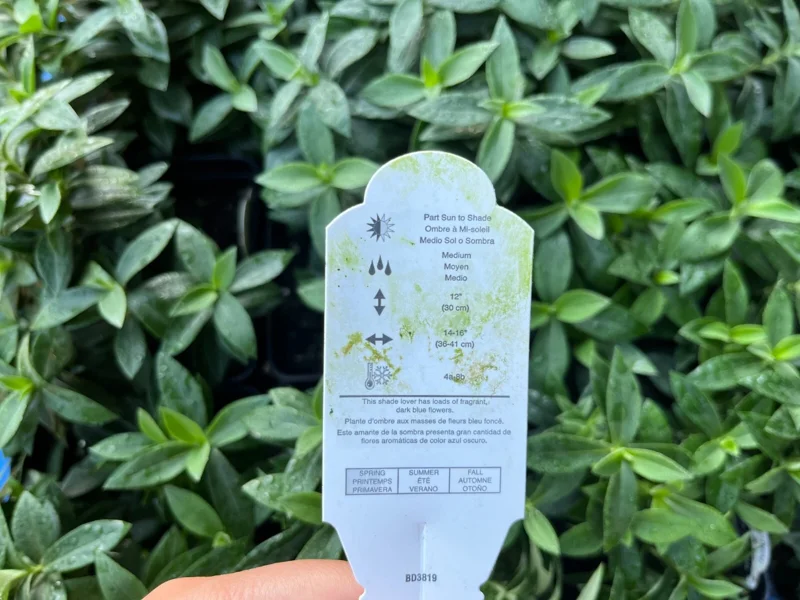
This versatile plant thrives in part shade conditions and prefers humusy, moist, well-drained soils. However, one of its most appealing characteristics is its adaptability; it can also tolerate clay soils and dry conditions once established, making it a relatively low-maintenance option for various environments. Whether you’re looking to enhance beds, borders, rock gardens, or naturalized areas, this Woodland Phlox perennial will flourish. Its ability to adapt to diverse soil types and light conditions ensures that this fragrant perennial can thrive in a wide array of garden settings, bringing captivating blooms and a resilient nature to your outdoor space.
The Phlox Divaricata Blue Moon live plant offers a multitude of advantages for gardeners looking to enhance their outdoor spaces with minimal fuss and maximum impact:
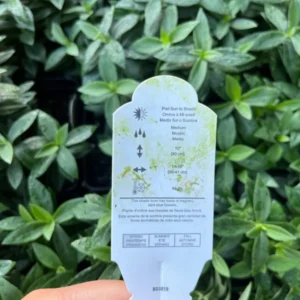
Caring for your Phlox Divaricata Blue Moon live plant is relatively straightforward, making it an excellent choice for gardeners of all skill levels. This plant thrives in part shade, ideally receiving a few hours of direct morning sun while being protected from the intense heat of the afternoon sun. Too much direct, hot sun can cause the foliage to scorch and the flowers to fade prematurely. In shadier locations, it may produce fewer blooms but will still offer attractive foliage. Ensuring the right balance of light is key to a vibrant display.
When it comes to watering, the Woodland Phlox perennial prefers consistently moist, but not waterlogged, soil. It’s crucial to provide regular watering, especially during dry spells and in its establishment phase. Once established, it demonstrates good drought tolerance, reducing the need for constant attention. The ideal soil type is humusy, rich in organic matter, and well-drained. While it prefers these conditions, it is remarkably adaptable and can tolerate clay soils, provided they do not retain excessive moisture. Good drainage is paramount to prevent root rot.
The Phlox Divaricata Blue Moon live plant is hardy in USDA zones typically ranging from 3 to 8, making it suitable for a wide variety of climates across the United States. Fertilization is generally minimal; an annual application of a balanced slow-release granular fertilizer in early spring is usually sufficient to support healthy growth and abundant flowering. Deadheading spent flowers after their bloom can encourage a tidier appearance and may promote a small rebloom, though its primary bloom is in spring. Keep an eye out for powdery mildew in humid conditions; ensuring good air circulation can help prevent this common issue for Phlox varieties.
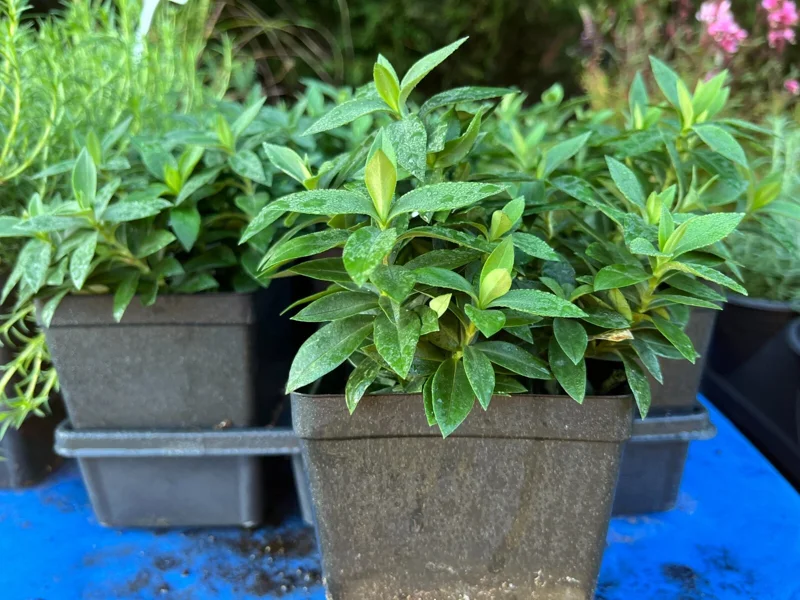
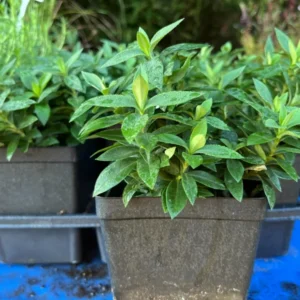
The Phlox Divaricata Blue Moon live plant is a spreading perennial that typically forms robust colonies over time. At maturity, it generally reaches a height of 1-2 feet and spreads out to a width of 2-3 feet, creating a dense and attractive ground cover. This growth habit makes it perfect for filling in spaces in garden beds, along pathways, or under taller shrubs. Plants are typically shipped as live, healthy specimens, ready for immediate planting upon arrival. They are usually provided in nursery pots, ensuring the root system is well-established and prepared for transplanting into your garden. Expect to see its beautiful blue-violet flowers bloom in mid to late spring, providing a spectacular display of color and fragrance. The growth rate is moderate, allowing it to establish and spread effectively within a few seasons, transforming your garden into a fragrant, colorful haven. This blue Phlox flower offers a consistent and delightful presence.
You must be logged in to post a review.
Sold 51 products
Original price was: $69.98.$34.99Current price is: $34.99.
Sold 59 products
Original price was: $79.96.$39.98Current price is: $39.98.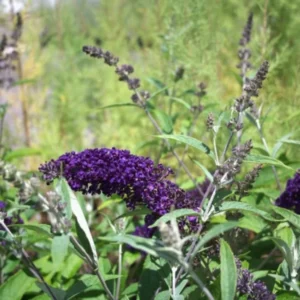
Flower Plants
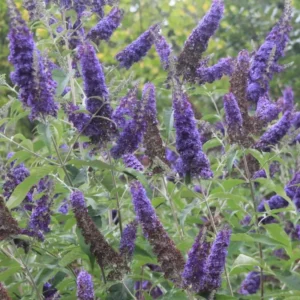
Dark Purple Butterfly Bush Live Plant 4 Inch Pot – Outdoor Garden Butterfly Attractant
Sold 52 products
Original price was: $39.98.$19.99Current price is: $19.99.
Sold 54 products
Original price was: $69.98.$34.99Current price is: $34.99.
Sold 60 products
Original price was: $49.96.$24.98Current price is: $24.98.
Sold 82 products
Original price was: $39.68.$19.84Current price is: $19.84.
Flower Plants
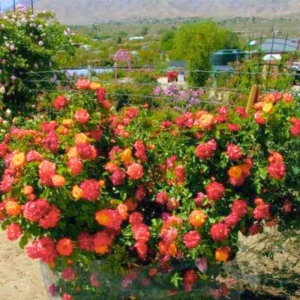
Climbing Rose Plant – Gold Orange & Pink – 1 Year Old Starter Plant – Outdoor Fragrant Rose
Sold 87 products
Original price was: $19.98.$9.99Current price is: $9.99.
Sold 95 products
Original price was: $59.56.$29.78Current price is: $29.78.

Reviews
There are no reviews yet.