NEED SUPPORT WITH YOUR ORDER? Get in touch
Not satisfied with your purchase?
Enter your Order ID on website, and we'll resolve it right away.

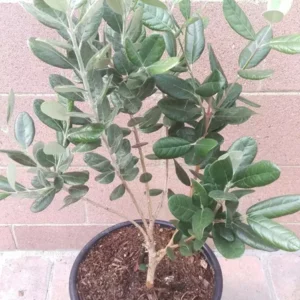
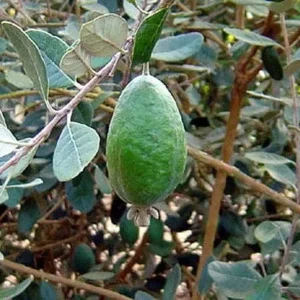
Original price was: $219.99.$189.99Current price is: $189.99.
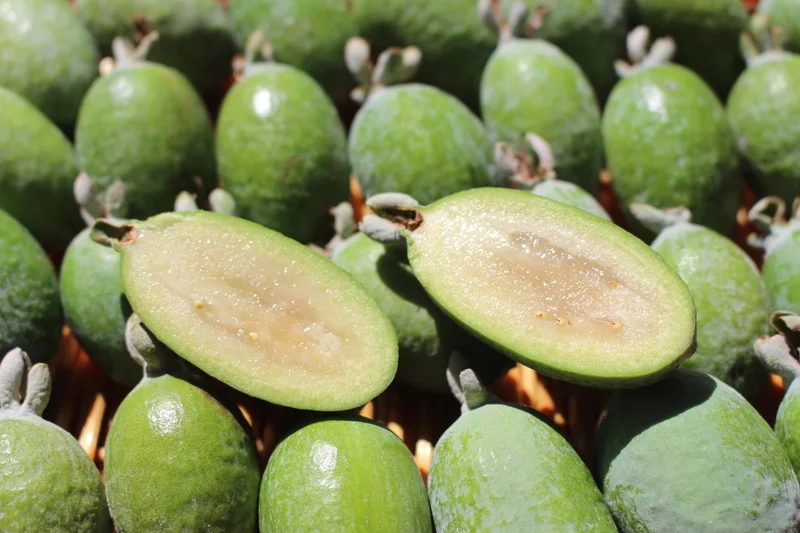
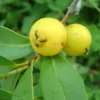
Bring the tropics to your garden with the pineapple guava live plant, ‘Nazemetz’ variety. This tropical fruit tree care is known for its unique, delicious fruit blending pineapple, banana, and strawberry flavors. A beautiful and adaptable addition to any landscape.
Mar 03
Mar 08 - Mar 10
Mar 13 - Mar 17
USDA Hardiness Zone
Soil Type
Sunlight Exposure
Expected Planting Period
Shipping and return policies: Our Alive & Thrive Guarantee covers issues with your plants within the first 30 days. Get in touch with us via email, and our team will review your concerns and, if necessary, provide you with a one-time replacement at no cost.
If you're unsure about your hardiness zone, feel free to reach out to us. Our team will answer your questions and help you find the plants that are truly suitable for your environment, climate, and personal preferences.
Transform your garden into a tropical paradise with the pineapple guava live plant, specifically the ‘Nazemetz’ cultivar. This exceptional feijoa sellowiana tree is renowned for its delectable fruit, offering a complex flavor profile that tantalizes the taste buds with notes of pineapple, banana, strawberry, and even quince. As a live plant, it arrives ready to establish itself in your outdoor space, providing both ornamental beauty and a bountiful harvest. The ‘Nazemetz’ variety is a popular choice among gardeners for its vigorous growth and reliable fruiting, making growing pineapple guava a rewarding experience.
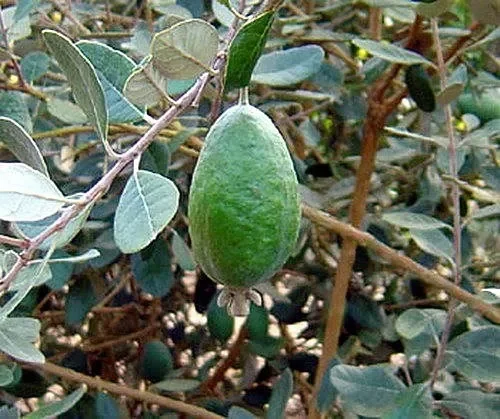
The Pineapple Guava, or Feijoa sellowiana, is a versatile and attractive evergreen shrub or small tree. Originating from South America, it has adapted well to various climates, particularly in USDA zones 8-11. Its silvery-green foliage and striking red-and-white flowers add significant aesthetic value to any garden, even before the fruit ripens. This tropical fruit tree care is surprisingly straightforward, making it accessible for both experienced and novice gardeners looking to cultivate exotic produce at home.
Whether you envision a compact tree or a lush shrub, the ‘Nazemetz’ Pineapple Guava can be pruned to fit your landscaping needs. Its resilience and drought tolerance once established further enhance its appeal, providing a low-maintenance option for delicious, home-grown fruit. Get ready to enjoy fresh, juicy pulp straight from your garden with this remarkable nazemetz pineapple guava.
The ‘Nazemetz’ Pineapple Guava offers an array of benefits that make it a standout choice for any gardener. From its mouth-watering fruit to its adaptability, this plant provides both practical and aesthetic advantages. Cultivating a pineapple guava live plant means enjoying fresh, organic fruit right from your backyard.
Proper care ensures a healthy and productive pineapple guava live plant. These resilient trees are relatively easy to care for, especially once established. For optimal growth and fruit production, understanding their specific needs is crucial. The ‘Nazemetz’ variety responds well to consistent attention in its early stages.
Sunlight Requirements: The feijoa sellowiana tree thrives in full sun in coastal regions, meaning at least 6-8 hours of direct sunlight daily. In hotter inland areas, it benefits from a spot with morning sun and afternoon shade to protect it from intense heat. Adequate sunlight is vital for abundant flowering and fruiting. Insufficient light can reduce fruit yield and overall plant vigor, making good light conditions a key part of tropical fruit tree care.
Watering: While drought-tolerant once mature, consistent watering is essential during the establishment period and during flowering and fruiting cycles. Keep the soil consistently moist but never waterlogged. Deep watering encourages a strong root system. Reduce watering in cooler, dormant months. Overwatering can lead to root rot, so proper drainage is as important as regular hydration for your nazemetz pineapple guava.
Soil & Drainage:Growing pineapple guava requires well-drained soil. It tolerates a range of soil types, including sandy, loamy, and clay, but performs best in slightly acidic to neutral soil (pH 5.5-7.0). If you have heavy clay soil, amend it generously with coarse sand or organic material like compost to improve drainage and aeration. Good drainage is paramount to prevent root issues.
Temperature & Hardiness: Pineapple Guava trees are well-suited for USDA hardiness zones 8-11. They can tolerate temperatures down to about 15°F (-9°C) once established, but young plants may need protection from severe freezes. They prefer a mild climate but can adapt to warmer conditions with appropriate afternoon shade. This makes them a versatile choice for many southern and western US gardens.
Fertilization: Fertilize your pineapple guava live plant in early spring and mid-summer with a balanced, slow-release fertilizer formulated for fruit trees. Avoid high-nitrogen fertilizers as they can promote leafy growth at the expense of fruit production. Follow package instructions for application rates. Established trees may require less frequent feeding compared to younger plants.
Pruning: Prune in late winter or early spring to shape the tree, remove dead or crossing branches, and encourage air circulation. You can train it as a multi-stemmed shrub or a single-trunk tree. Pruning also helps manage the size and can encourage more fruit production on younger wood. Regular, light pruning is generally preferred over heavy, infrequent cuts for effective tropical fruit tree care.
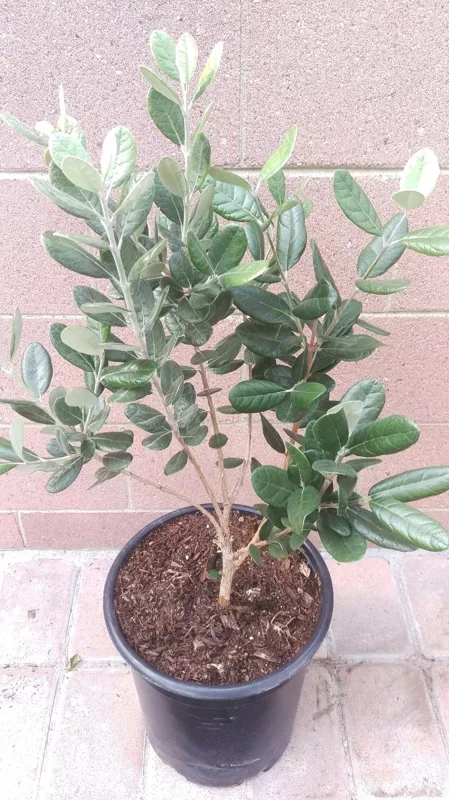
This pineapple guava live plant is offered as a robust specimen, ready for planting and establishment in your garden. You will receive a plant approximately 3 feet tall, shipped in a 5-gallon pot, providing a well-developed root system for a strong start. The ‘Nazemetz’ variety is known for its moderate growth rate, typically reaching a mature height of 10-15 feet with a similar spread, though its size can be easily managed through pruning. This allows for versatility in landscaping, whether you desire a sizable fruit-bearing tree or a more compact shrub.
The plant will arrive carefully packaged to ensure its health during transit, though it will be shipped without its container to minimize shipping stress and cost. Upon arrival, it should be promptly planted in its desired location or temporarily potted if immediate planting is not feasible. With proper care, you can expect your feijoa sellowiana tree to begin producing fruit within a few years, with yields increasing as the plant matures. The fruit typically ripens in late fall to early winter, providing a fresh harvest when many other fruits are out of season.
The inherent resilience and adaptability of this nazemetz pineapple guava make it an excellent long-term investment for your edible landscape. Its established size provides a head start compared to smaller plants, allowing for quicker enjoyment of its unique tropical fruits and ornamental beauty. This plant is a fantastic choice for those embarking on growing pineapple guava for both aesthetic and culinary purposes.
You must be logged in to post a review.
Sold 66 products
Original price was: $57.98.$28.99Current price is: $28.99.
Sold 77 products
Original price was: $58.58.$29.29Current price is: $29.29.
Sold 65 products
Original price was: $73.98.$36.99Current price is: $36.99.
Sold 67 products
Original price was: $72.99.$52.99Current price is: $52.99.
Sold 79 products
Original price was: $68.99.$47.99Current price is: $47.99.
Sold 94 products
Original price was: $78.99.$48.99Current price is: $48.99.
Sold 97 products
Original price was: $56.99.$44.90Current price is: $44.90.
Sold 91 products
Original price was: $64.99.$34.99Current price is: $34.99.
Reviews
There are no reviews yet.