NEED SUPPORT WITH YOUR ORDER? Get in touch
Not satisfied with your purchase?
Enter your Order ID on website, and we'll resolve it right away.

Original price was: $48.99.$28.99Current price is: $28.99.
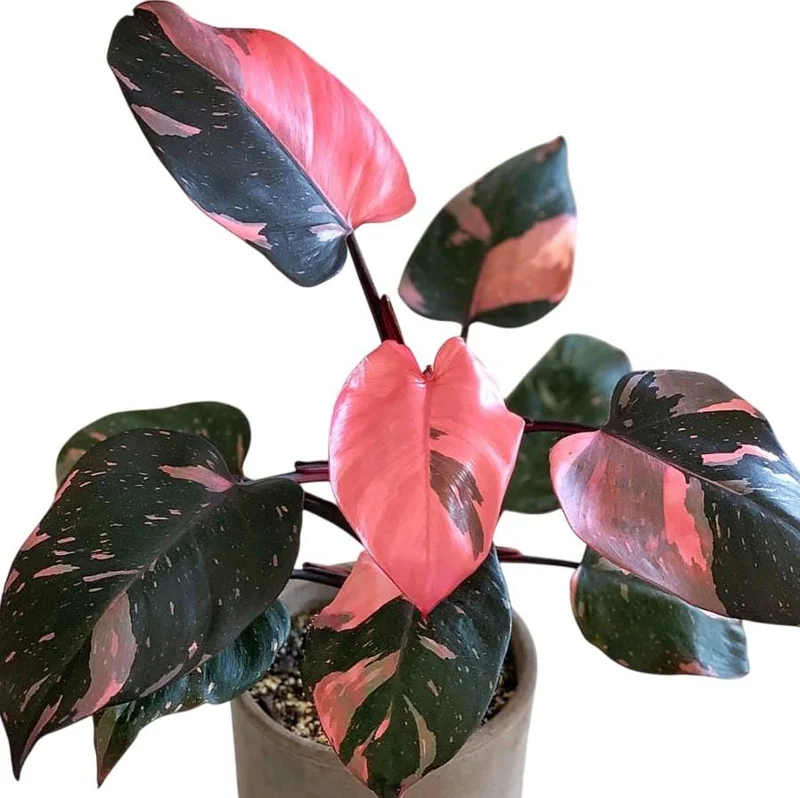
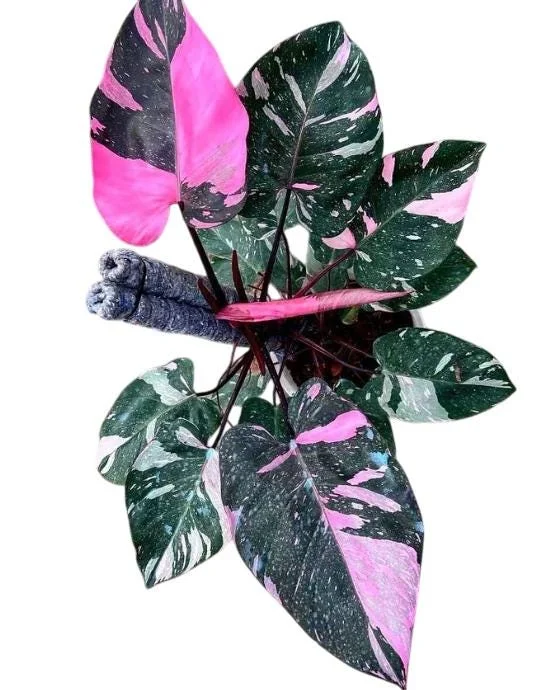
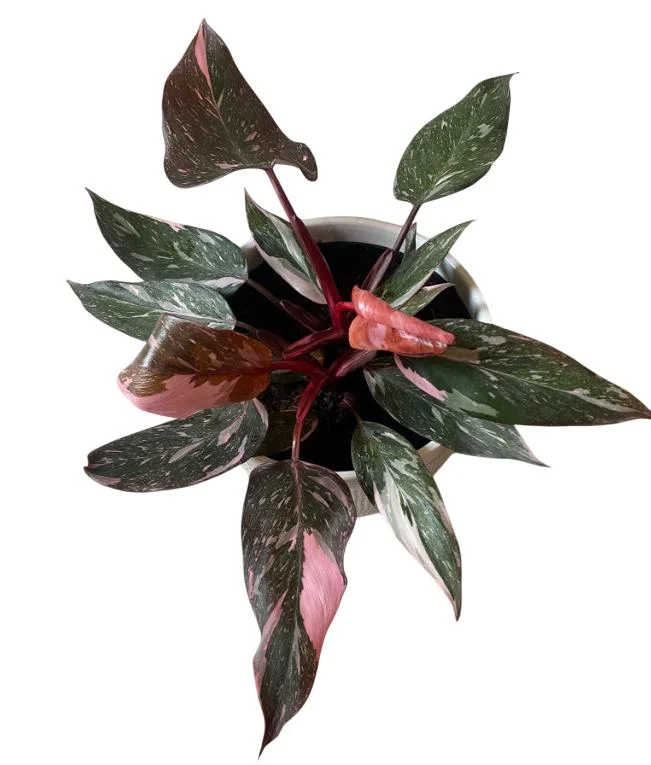
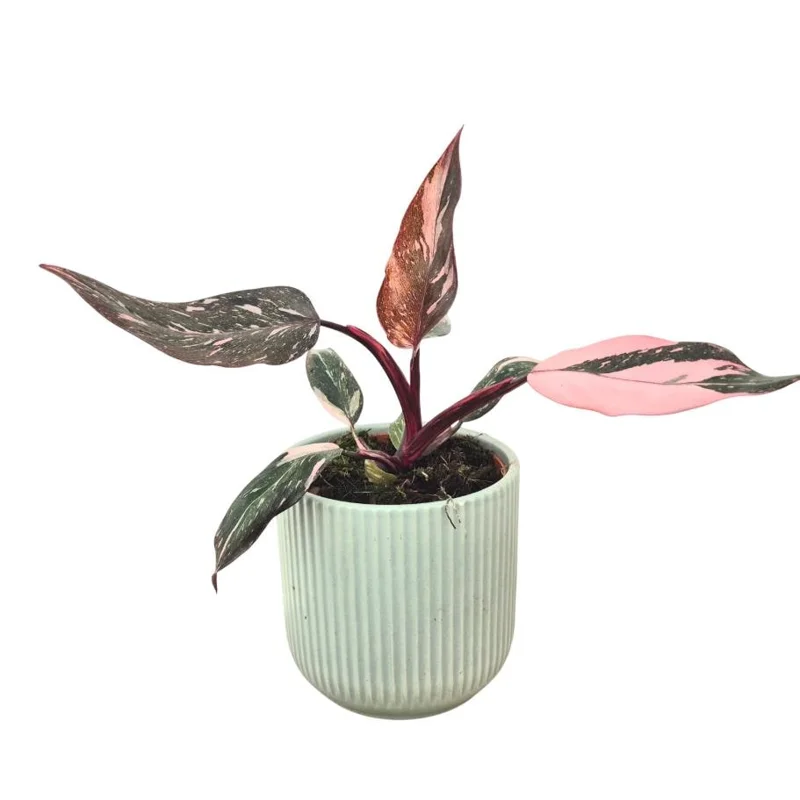
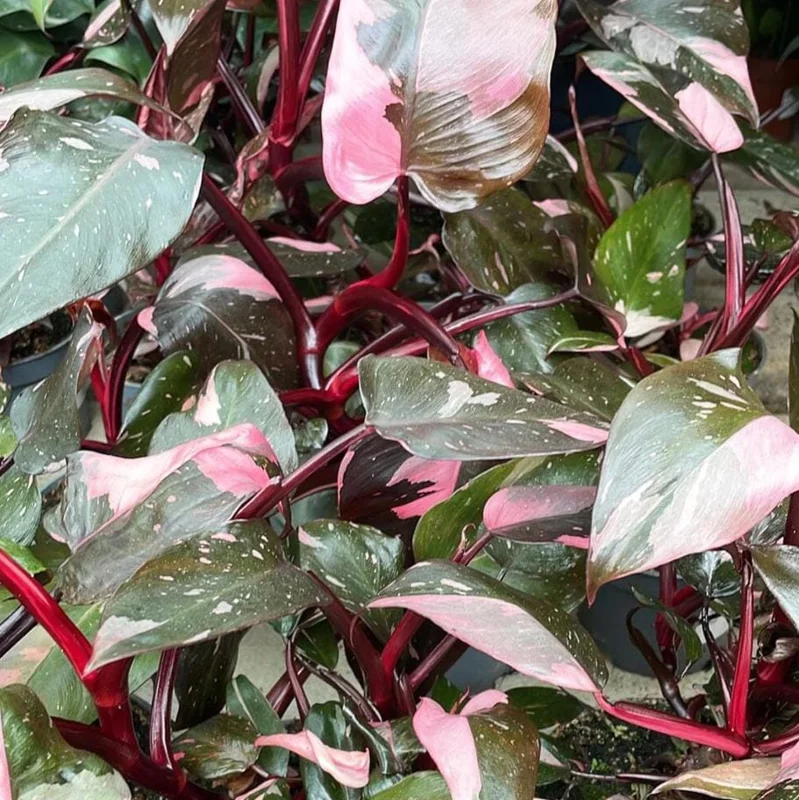
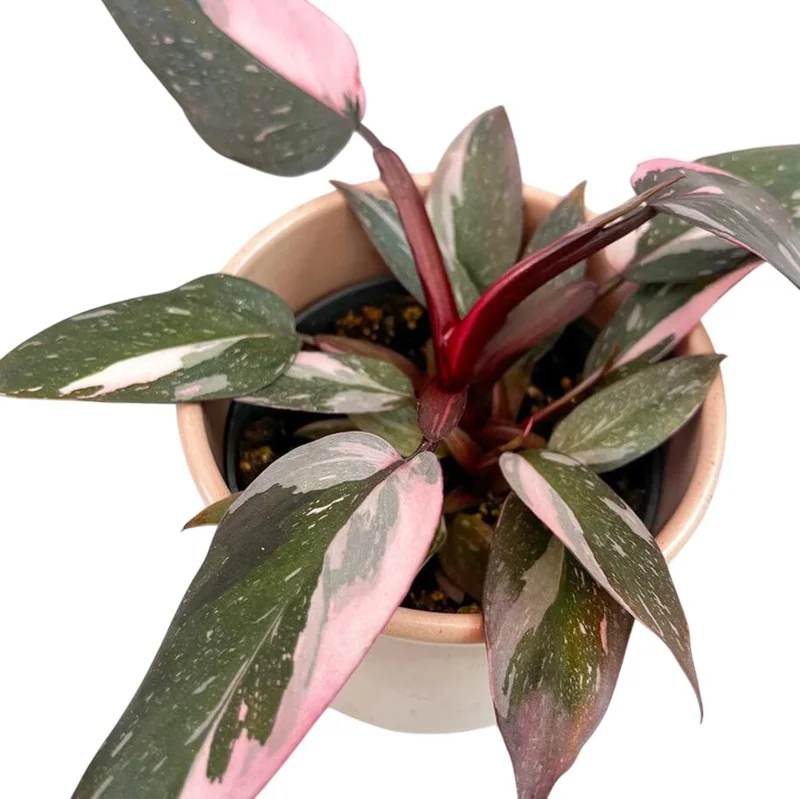
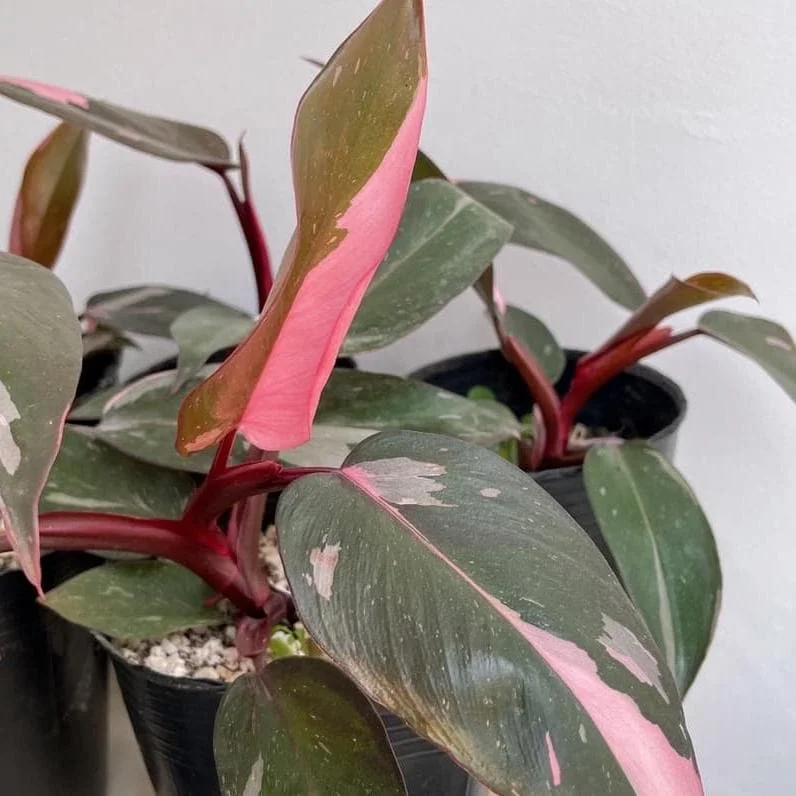
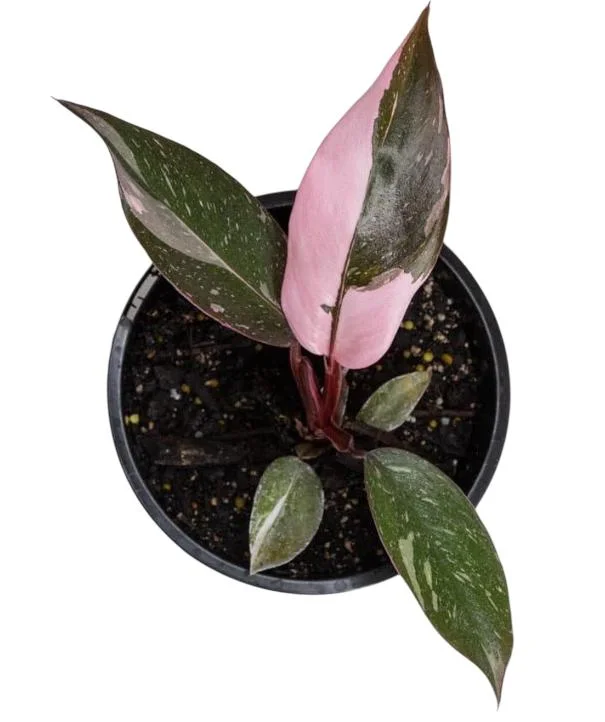
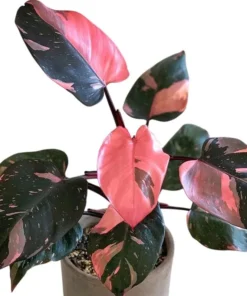
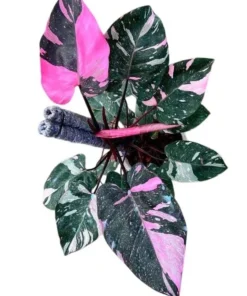
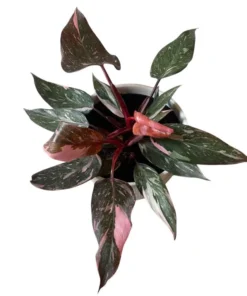
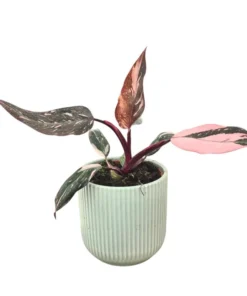
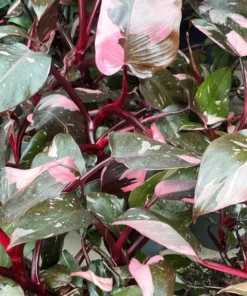
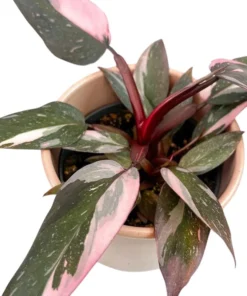
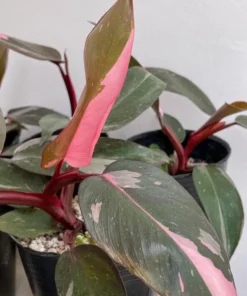
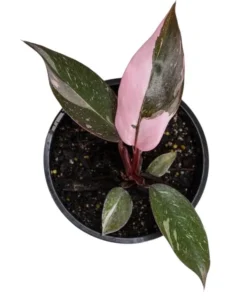
Bring home a stunning pink princess philodendron live plant, a collector’s favorite known for its striking dark green and vibrant pink variegated foliage. This beautiful variegated philodendron starter plant, measuring 5-8 inches tall, thrives indoors with proper care, adding a touch of exotic beauty to any space.
Feb 04
Feb 09 - Feb 11
Feb 14 - Feb 18
USDA Hardiness Zone
Soil Type
Sunlight Exposure
Expected Planting Period
Shipping and return policies: Our Alive & Thrive Guarantee covers issues with your plants within the first 30 days. Get in touch with us via email, and our team will review your concerns and, if necessary, provide you with a one-time replacement at no cost.
If you're unsure about your hardiness zone, feel free to reach out to us. Our team will answer your questions and help you find the plants that are truly suitable for your environment, climate, and personal preferences.
Welcome the captivating pink princess philodendron live plant into your home or office. This highly sought-after aroid is celebrated for its unique and vibrant foliage, featuring heart-shaped leaves adorned with striking splashes of bright pink against a deep green background. Often referred to simply as the ‘Pink Princess’, this ornamental plant is a vining species that can be trained to climb or allowed to trail gracefully from a hanging basket. Each leaf is a natural work of art, with no two variegations exactly alike, making every pink princess philodendron live plant a truly unique specimen. It is a fantastic choice for both novice and experienced plant enthusiasts looking to add a pop of color and tropical flair to their indoor plant collection. Its relatively easy care makes it an accessible option for those new to collecting variegated philodendron varieties.
Originating from the tropical rainforests of Colombia, this philodendron species thrives in warm, humid environments, making it perfectly suited for indoor cultivation. Its dramatic coloration is a result of natural genetic mutation, providing a stunning contrast that captures attention. Whether you are expanding an existing collection or starting a new one, a pink princess philodendron live plant is sure to become a cherished centerpiece. Its lush growth and distinctive appearance make it a favorite among houseplant lovers globally.
The pink princess philodendron live plant offers numerous benefits beyond its undeniable beauty, making it a valuable addition to any indoor space.
Caring for your pink princess philodendron live plant is straightforward once you understand its basic needs, primarily focusing on light, water, and soil. To maintain its vibrant pink variegation, provide several hours of bright, indirect light. An east-facing window or a few feet away from a south or west-facing window is ideal. Direct harsh sunlight can scorch the delicate leaves and diminish the pink coloration, while too little light can cause the variegation to fade, resulting in a greener plant. Supplemental grow lights can be beneficial, especially during darker winter months, to ensure your variegated philodendron receives adequate light for optimal color.
When it comes to watering, the pink princess philodendron live plant prefers its soil to dry out partially between waterings. Allow the top half of the soil to dry before watering thoroughly until water drains from the bottom of the pot. Overwatering can lead to root rot, a common issue for aroids. Conversely, prolonged dryness can stress the plant. As an aroid, it thrives in an airy, well-draining soil mix; a blend of potting soil, perlite, and orchid bark or coco coir works well. This mixture provides good drainage while retaining enough moisture.
This tropical plant enjoys warm temperatures, ideally between 65-80°F (18-27°C), and high humidity. While it can tolerate typical household humidity, providing extra humidity through a humidifier, pebble tray, or regular misting will encourage lush growth and prevent crispy leaf edges, particularly for your indoor philodendron plant. Fertilize every 2-4 weeks during the growing season (spring and summer) with a balanced liquid fertilizer diluted to half strength. Reduce or stop fertilizing during fall and winter. Regularly inspect your plant for pests and wipe down leaves to keep them clean and allow for efficient photosynthesis. Understanding pink princess care ensures a thriving and beautiful specimen.
You will receive a healthy pink princess philodendron live plant that typically stands 5-8 inches tall. This is a starter plant, perfect for growing into a magnificent specimen. The plant is shipped without a pot, carefully packaged to ensure its safe arrival. As a vining plant, its growth rate can be moderate to fast under optimal conditions, eventually reaching several feet in length with proper support. The distinctive heart-shaped leaves will showcase varying degrees of pink and dark green variegation, making each plant unique. Expect your plant to establish itself quickly and begin producing new leaves within a few weeks of arrival and proper care. With good pink princess care, this plant can become a prominent feature in your indoor garden, continually unfurling new leaves with stunning patterns.
You must be logged in to post a review.
Sold 79 products
Original price was: $49.99.$34.99Current price is: $34.99.
Sold 99 products
Original price was: $69.99.$52.99Current price is: $52.99.
Sold 67 products
Original price was: $37.98.$18.99Current price is: $18.99.
Sold 93 products
Original price was: $97.98.$48.99Current price is: $48.99.
Sold 63 products
Original price was: $65.98.$32.99Current price is: $32.99.
Sold 61 products
Original price was: $139.99.$119.99Current price is: $119.99.
Sold 61 products
Original price was: $43.98.$21.99Current price is: $21.99.
Sold 87 products
Original price was: $78.99.$48.99Current price is: $48.99.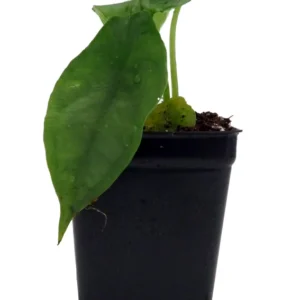
Reviews
There are no reviews yet.