NEED SUPPORT WITH YOUR ORDER? Get in touch
Not satisfied with your purchase?
Enter your Order ID on website, and we'll resolve it right away.

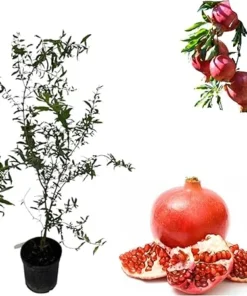
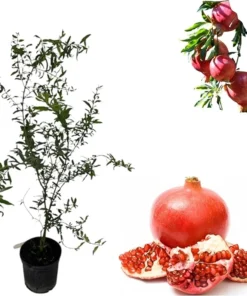
Original price was: $170.00.$150.00Current price is: $150.00.
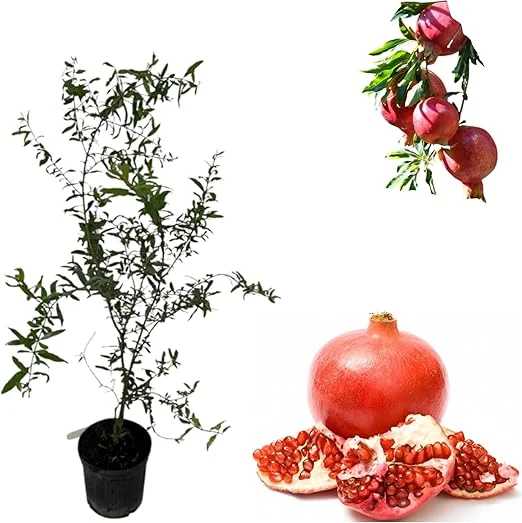
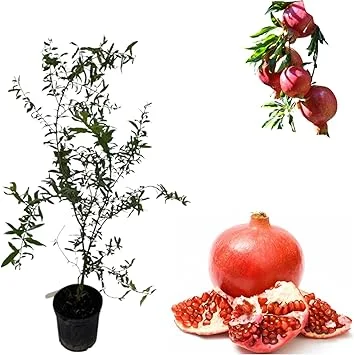
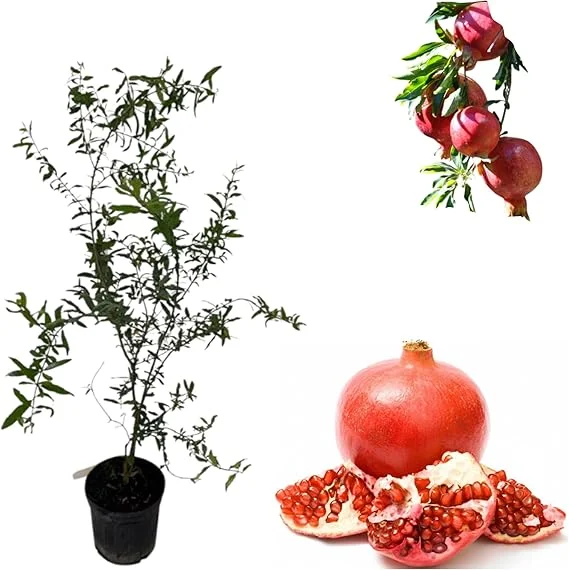
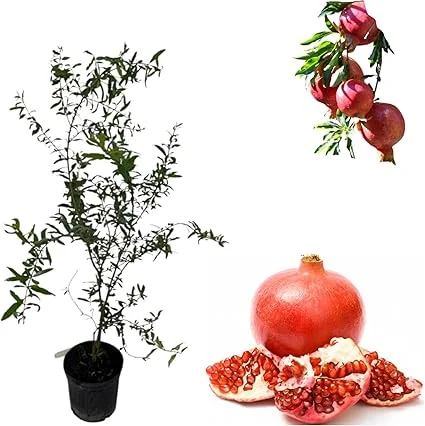
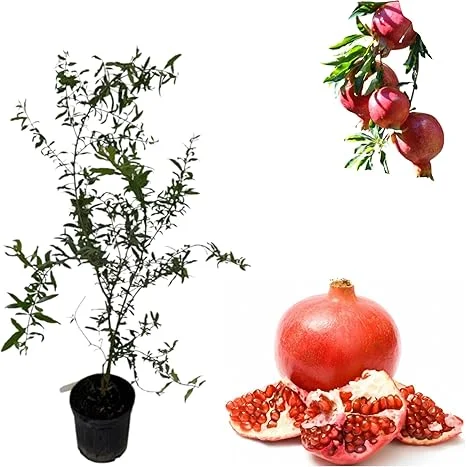
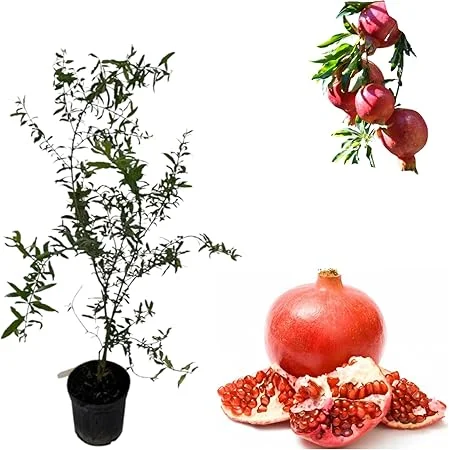
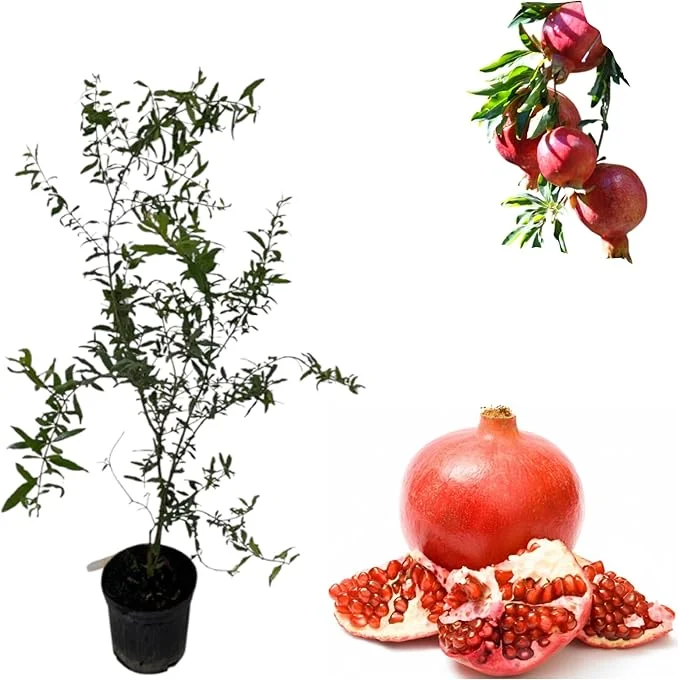
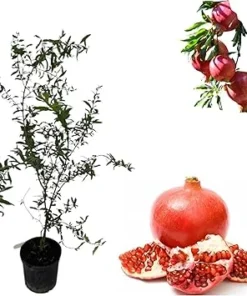
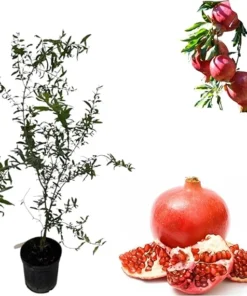
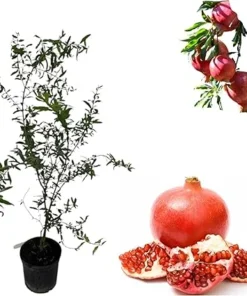
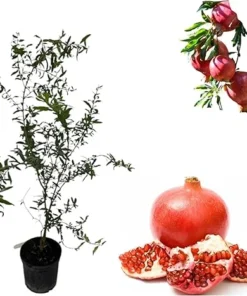
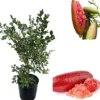
Cultivate your own delicious fruit with this pomegranate tree live plant, standing 3-4 feet tall. This Punica granatum tree arrives in a 3 gallon pot, ready for planting outdoors in USDA Zones 7-10 or as an indoor specimen. Enjoy sweet pomegranate fruit fresh from your garden or patio.
Feb 04
Feb 09 - Feb 11
Feb 14 - Feb 18
USDA Hardiness Zone
Soil Type
Sunlight Exposure
Expected Planting Period
Shipping and return policies: Our Alive & Thrive Guarantee covers issues with your plants within the first 30 days. Get in touch with us via email, and our team will review your concerns and, if necessary, provide you with a one-time replacement at no cost.
If you're unsure about your hardiness zone, feel free to reach out to us. Our team will answer your questions and help you find the plants that are truly suitable for your environment, climate, and personal preferences.
Bring the joy of fresh, homegrown fruit to your garden or patio with this beautiful pomegranate tree live plant. Known botanically as Punica granatum, this particular variety is cherished for its delicious sweet pomegranate fruit. Standing impressively at 3-4 feet tall, this live plant arrives potted in a 3 gallon container, ensuring a strong start for your new fruiting tree. Pomegranates are not only prized for their juicy, vibrant arils but also for their ornamental appeal, boasting attractive foliage and striking flowers before the fruit sets. Whether you’re an experienced gardener or just starting, growing a Punica granatum tree offers a rewarding experience, providing both beauty and bounty. This versatile plant can thrive as an outdoor specimen in suitable climates or be cultivated as an indoor plant in colder regions, allowing you to enjoy your own sweet pomegranate fruit.
Adding a pomegranate tree live plant to your home or garden offers numerous advantages, from its aesthetic charm to the nutritional benefits of its fruit. This robust plant is an excellent choice for anyone looking to combine beauty with utility.
Caring for your pomegranate tree live plant is relatively straightforward, ensuring you’ll soon enjoy delicious sweet pomegranate fruit. Pomegranates are resilient plants, but providing them with the right conditions will maximize their growth and fruit production. They are generally adaptable but thrive best when their specific needs for sunlight, soil, and water are met. Proper care for your Punica granatum tree will lead to a healthier, more productive plant.
Sunlight Requirements: Pomegranate trees absolutely love the sun. For optimal fruit production, your tree needs at least 6-8 hours of direct full sun exposure daily. When planting outdoors, choose a location that receives ample sunlight throughout the day. If growing indoors, place your potted pomegranate tree live plant near a south-facing window or use supplemental grow lights to ensure it gets enough light. Insufficient light can lead to poor fruiting and leggy growth.
Watering Schedule and Soil Moisture: While established pomegranate trees are drought-tolerant, consistent watering is crucial, especially during dry periods and the fruiting season. Water deeply when the top 2-3 inches of soil feel dry to the touch. Avoid overwatering, as this can lead to root rot. During the dormant season, reduce watering frequency. For indoor plants, ensure good drainage and allow the topsoil to dry out slightly between waterings. This balanced approach helps develop strong roots and yields abundant sweet pomegranate fruit.
Soil Type and Drainage Requirements: Pomegranates prefer well-drained loamy soil with a pH between 5.5 and 7.0. They can tolerate a range of soil types, including sandy or clay soils, as long as drainage is excellent. If your soil is heavy clay, amend it with organic matter like compost to improve drainage. For container-grown plants, use a high-quality potting mix specifically designed for fruit trees or a general-purpose potting mix amended with perlite or sand to enhance drainage. Proper soil conditions are vital for a healthy Punica granatum tree.
Temperature Range and USDA Hardiness Zone: This pomegranate tree live plant is suitable for USDA Hardiness Zones 7 to 10. In these zones, it can be planted outdoors year-round. In colder regions (below Zone 7), it’s best to grow your pomegranate in a container that can be moved indoors during winter to protect it from freezing temperatures. They can tolerate temperatures down to about 10-15°F (-12 to -9°C) for short periods once established, but prolonged freezes can cause damage.
Fertilization Schedule and Type: Fertilize your pomegranate tree annually in early spring before new growth begins. Use a balanced slow-release fertilizer or an organic fruit tree fertilizer. Follow the product instructions for application rates. For young trees, avoid high-nitrogen fertilizers, which can promote leafy growth at the expense of fruit production. Once fruiting, a fertilizer with a slightly higher potassium content can be beneficial for developing delicious sweet pomegranate fruit.
This pomegranate tree live plant arrives as a vibrant, established specimen, typically standing 3-4 feet tall from the base of the pot. It is shipped in a sturdy 3 gallon nursery pot, providing a well-developed root system ready for transplanting. Pomegranate trees, or Punica granatum tree, can ultimately reach a mature height of 10 to 20 feet if planted in the ground and allowed to grow naturally, though they can be kept smaller with pruning or when grown in containers. The tree is a moderate grower, and with proper care, you can expect it to begin producing sweet pomegranate fruit within a few years of planting.
You must be logged in to post a review.
Sold 83 products
Original price was: $78.99.$48.99Current price is: $48.99.
Sold 59 products
Original price was: $72.99.$52.99Current price is: $52.99.
Sold 77 products
Original price was: $39.98.$19.99Current price is: $19.99.
Sold 93 products
Original price was: $99.99.$79.99Current price is: $79.99.
Sold 60 products
Original price was: $68.99.$47.99Current price is: $47.99.
Sold 53 products
Original price was: $78.99.$48.99Current price is: $48.99.
Sold 83 products
Original price was: $56.99.$44.90Current price is: $44.90.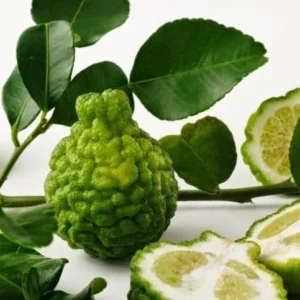
Fruits
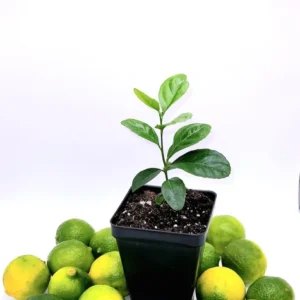
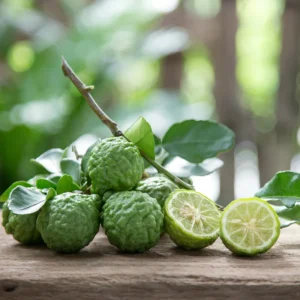
Kaffir Lime Starter Plug – Kaffir Lime Citrus Fruit Plants-Lemon Tree 2-3 Inch Live Plant Seedling
Sold 78 products
Original price was: $68.99.$47.99Current price is: $47.99.

Reviews
There are no reviews yet.