NEED SUPPORT WITH YOUR ORDER? Get in touch
Not satisfied with your purchase?
Enter your Order ID on website, and we'll resolve it right away.

Original price was: $75.99.$54.99Current price is: $54.99.
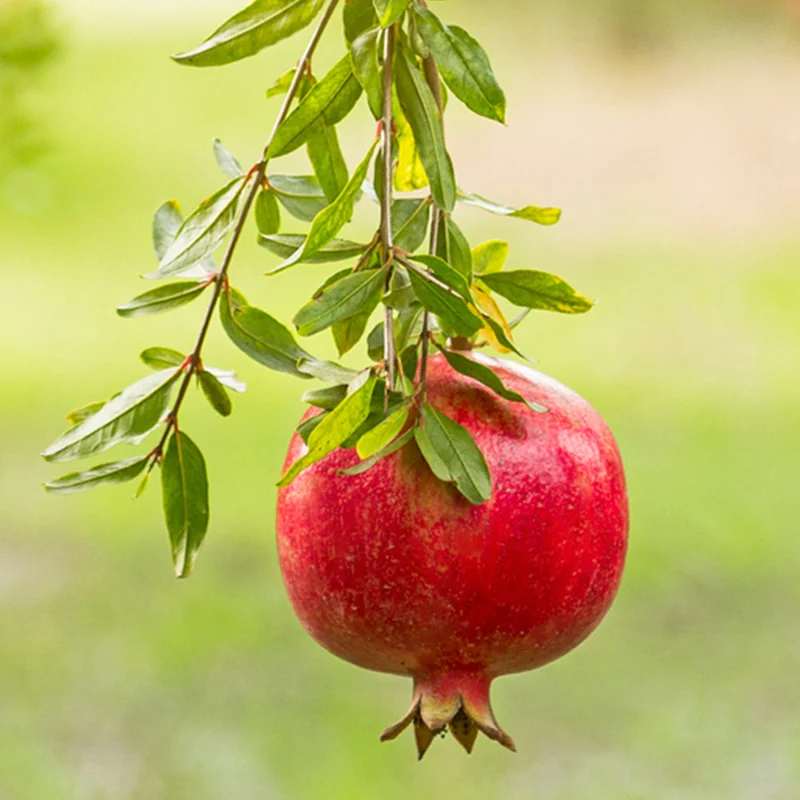
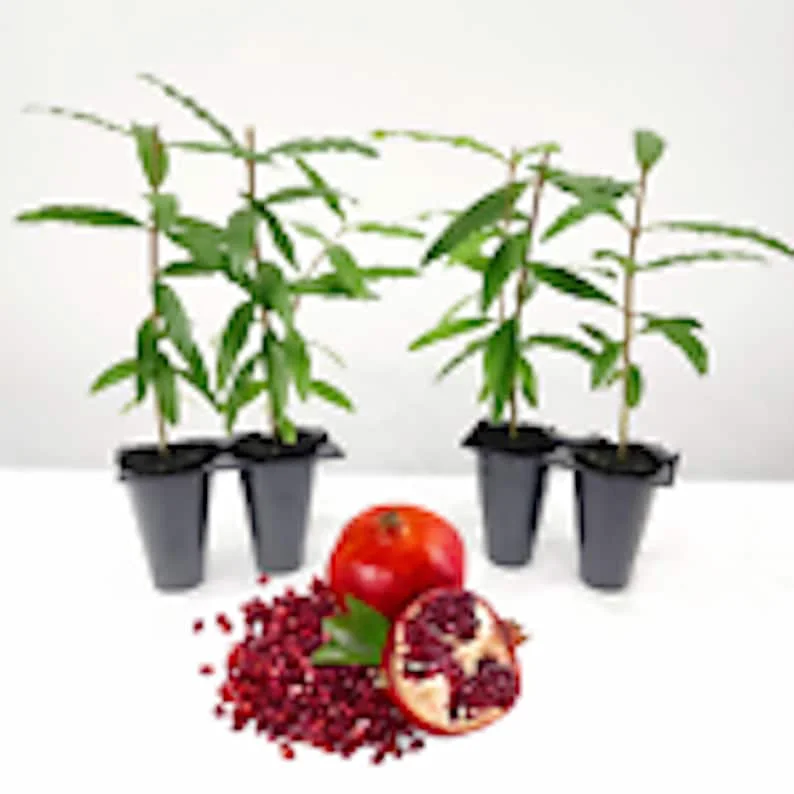
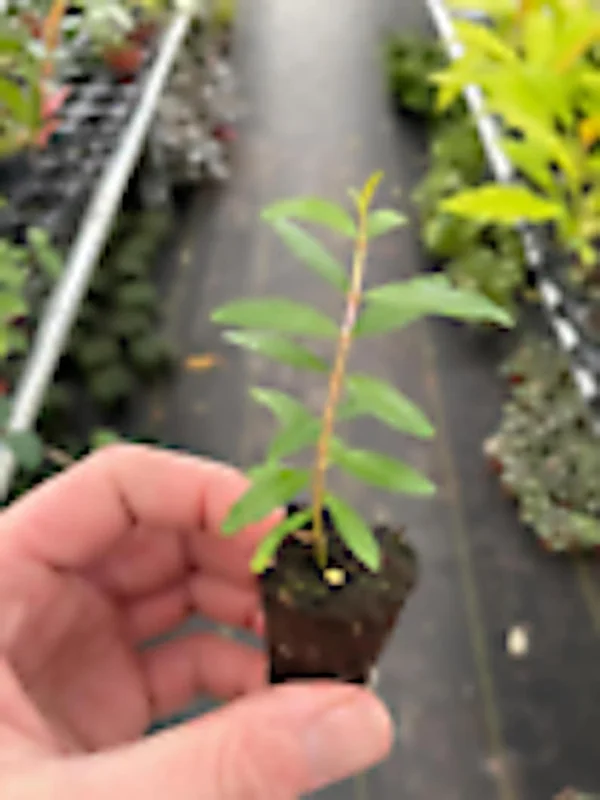
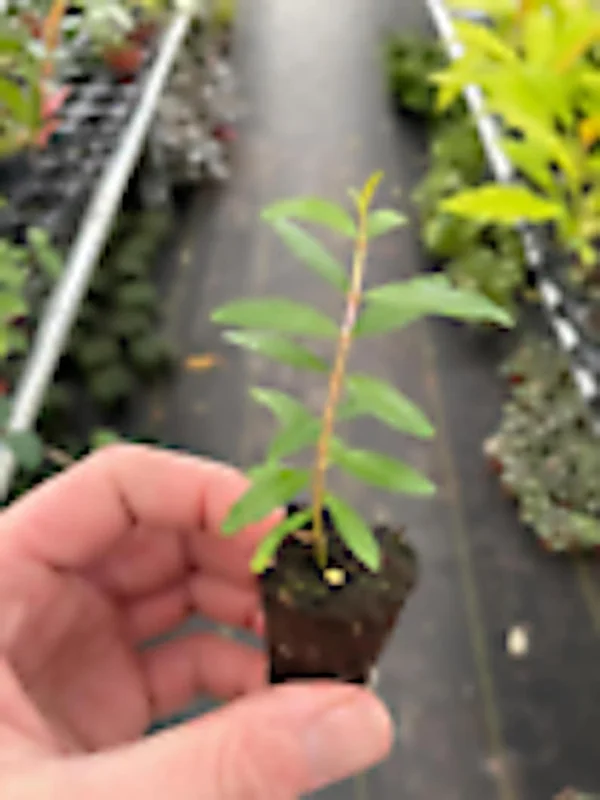
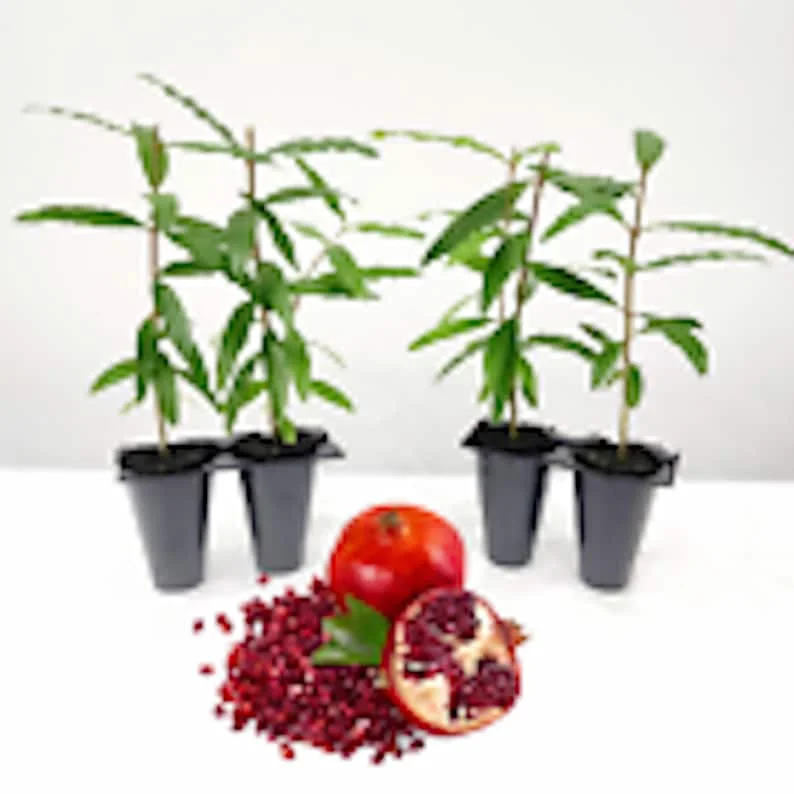
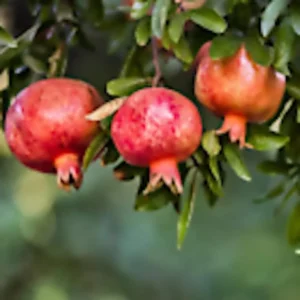
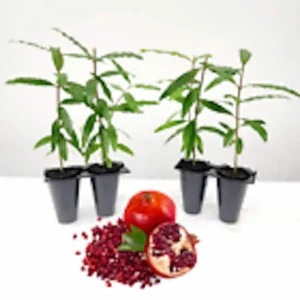
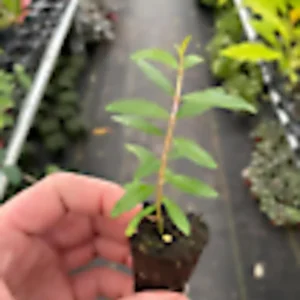
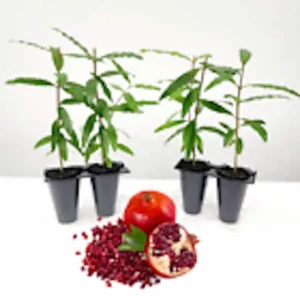
Start your own orchard with this set of 3 pomegranate live plant starter trees. The Wonderful pomegranate (Punica granatum) produces delicious, antioxidant-rich fruit and vibrant orange-red blooms, perfect for any garden in USDA Zones 7-11.
Mar 03
Mar 08 - Mar 10
Mar 13 - Mar 17
USDA Hardiness Zone
Soil Type
Sunlight Exposure
Expected Planting Period
Shipping and return policies: Our Alive & Thrive Guarantee covers issues with your plants within the first 30 days. Get in touch with us via email, and our team will review your concerns and, if necessary, provide you with a one-time replacement at no cost.
If you're unsure about your hardiness zone, feel free to reach out to us. Our team will answer your questions and help you find the plants that are truly suitable for your environment, climate, and personal preferences.
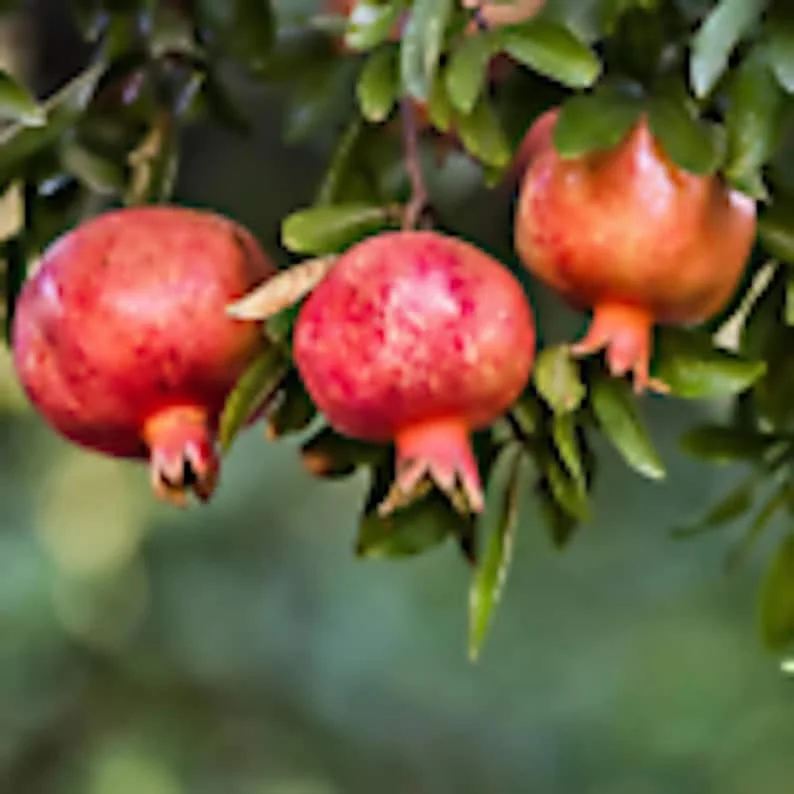
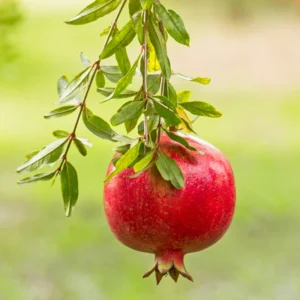
Embark on a rewarding gardening journey with this set of 3 pomegranate live plant starter trees. The Pomegranate (Punica granatum) is a truly versatile and beautiful addition to any garden, offering both ornamental appeal and a bountiful harvest of delicious fruit. These deciduous shrubs or small trees typically reach a manageable height of 12-15 feet, making them suitable for various garden sizes and styles. Imagine enjoying fresh, homegrown fruit packed with vitamins and antioxidants right from your backyard. These resilient plants feature elegant, fountain-like upright branches that burst with large, striking orange-red blooms during the summer months – a delightful spectacle that also attracts enchanting hummingbirds to your garden. As autumn approaches, you’ll be rewarded with a generous yield of large, burnished red fruit, perfect for enjoying fresh, juicing, or incorporating into your favorite recipes. Pomegranate juice is renowned for its exceptional nutritional value and rich flavor, making it a healthy and delicious choice for those who want to grow pomegranate tree.
Cultivating your own pomegranate trees offers a multitude of advantages, transforming your garden into a vibrant, productive oasis. These plants provide aesthetic beauty, nutritional value, and ecological support, making them a truly rewarding investment. Enjoy the satisfaction of harvesting your own superfood with these pomegranate live plant specimens.
To ensure your pomegranate live plant thrives and produces abundant fruit, proper care is essential. These resilient trees are relatively easy to manage, but understanding their specific needs will lead to the best results. Plant your pomegranate trees in a location that receives full sun, ideally 6-8 hours of direct sunlight per day. Adequate sunlight is crucial for fruit development and overall plant health. While adaptable to many soil types, well-draining soil is paramount. Avoid heavy clay soils that retain too much moisture, as this can lead to root rot. If your soil is heavy, amend it with organic matter like compost or sand to improve drainage.
Regular watering is important, especially during the establishment phase and periods of extreme heat. During the first year, water deeply and consistently to help the root system develop. Once established, weekly watering is often sufficient, though you may need to increase frequency during hot, dry spells. Pomegranates are quite drought-tolerant once mature, but consistent moisture will result in larger, juicier fruit. These plants demonstrate excellent heat and humidity tolerance, blooming in summer and producing fruit in the fall. They exhibit a medium growth rate, developing an upright to weeping habit, and are well-suited for USDA Zones 7-11. Fertilize your Punica granatum in early spring with a balanced, slow-release fertilizer designed for fruit trees. Pruning can be done in late winter to remove dead or crossing branches, shape the tree, and encourage better fruit production. This also helps you to grow pomegranate tree to your desired size and shape. Look out for common pests like aphids or whiteflies, which can usually be managed with organic insecticidal soaps.
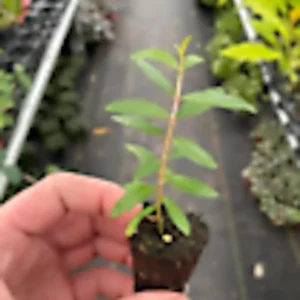
This offering includes 3 live pomegranate live plant starter plants, ready for transplanting into your garden. These young trees are typically shipped in a nursery pot, ensuring they arrive healthy and ready to establish. Pomegranate trees, particularly the ‘Wonderful’ variety, typically reach a mature height of 12-15 feet, though they can be pruned to maintain a smaller size, making them versatile for various landscape designs. They develop an upright to weeping habit, adding an elegant touch to your garden. Expect blooms during the summer months, with fruit production following in the early fall. The medium growth rate means you’ll see steady development and can anticipate your first harvests within a few years of planting. These edible fruit tree specimens are an excellent way to start your own home orchard and enjoy fresh, homegrown produce.
You must be logged in to post a review.
Sold 56 products
Original price was: $72.99.$52.99Current price is: $52.99.
Sold 76 products
Original price was: $57.98.$28.99Current price is: $28.99.
Sold 96 products
Original price was: $53.98.$26.99Current price is: $26.99.
Sold 82 products
Original price was: $64.99.$34.99Current price is: $34.99.
Sold 74 products
Original price was: $57.98.$28.99Current price is: $28.99.
Sold 50 products
Original price was: $64.99.$34.99Current price is: $34.99.
Sold 63 products
Original price was: $39.98.$19.99Current price is: $19.99.
Sold 56 products
Original price was: $38.80.$19.40Current price is: $19.40.




Reviews
There are no reviews yet.