NEED SUPPORT WITH YOUR ORDER? Get in touch
Not satisfied with your purchase?
Enter your Order ID on website, and we'll resolve it right away.

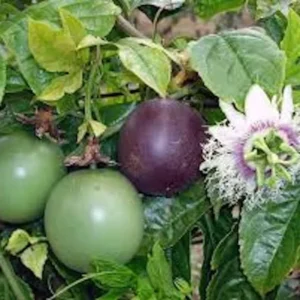
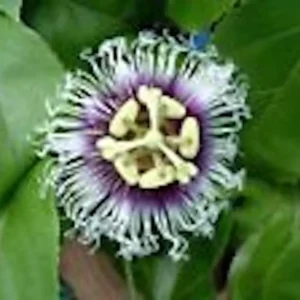
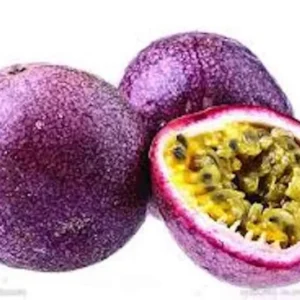
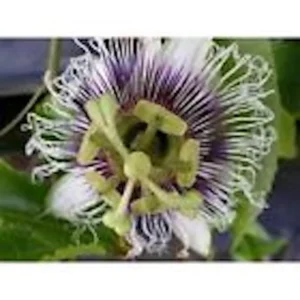
Original price was: $93.99.$68.99Current price is: $68.99.
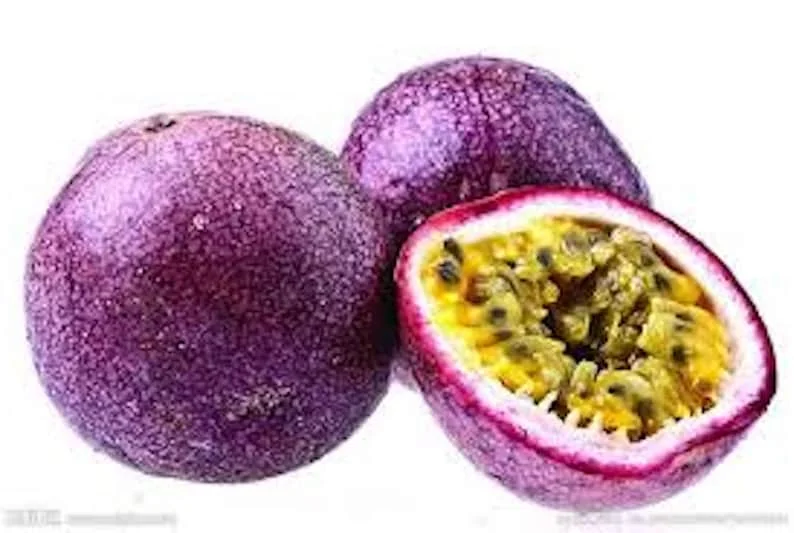
Cultivate your own tropical harvest with this pack of purple passion fruit plant starter vines. These self-fertile passion fruit vines are known for vigorous growth, producing fragrant flowers and delicious, tangy fruit. Ideal for USDA Zones 9–11, they’re perfect for adding exotic beauty and homegrown flavor to your garden.
Mar 03
Mar 08 - Mar 10
Mar 13 - Mar 17
USDA Hardiness Zone
Soil Type
Sunlight Exposure
Expected Planting Period
Shipping and return policies: Our Alive & Thrive Guarantee covers issues with your plants within the first 30 days. Get in touch with us via email, and our team will review your concerns and, if necessary, provide you with a one-time replacement at no cost.
If you're unsure about your hardiness zone, feel free to reach out to us. Our team will answer your questions and help you find the plants that are truly suitable for your environment, climate, and personal preferences.
Embark on a delightful gardening journey with the purple passion fruit plant. This offering includes 5 robust starter vines, ready to transform your garden into a tropical oasis. Known scientifically as Passiflora edulis, the purple passion fruit is celebrated for its vigorous growth, stunning exotic flowers, and most importantly, its sweet and tangy fruit. These particular vines are self-fertile passion fruit varieties, meaning you don’t need multiple plants for successful fruit production – a single vine can yield a bountiful harvest. Whether you’re an experienced gardener or just starting, these easy-to-grow plants provide an exciting opportunity to cultivate your own delicious, homegrown fruit. They are an excellent choice for anyone looking to grow passion fruit and enjoy the rich, aromatic flavors of the tropics right from their backyard.
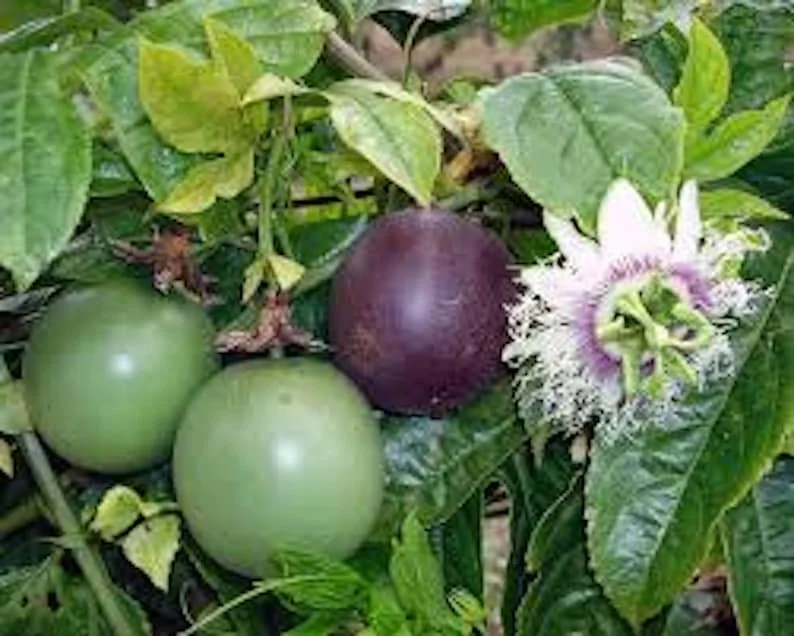
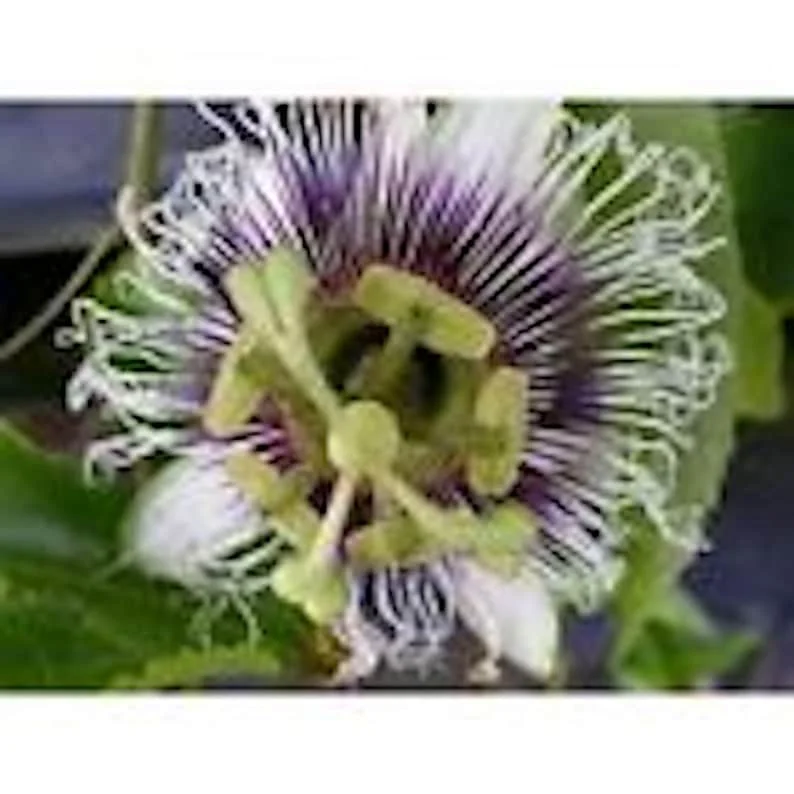
The passion fruit vine is a fast-growing, climbing plant that can reach impressive lengths, making it perfect for trellises, fences, or arbors. Its captivating purple, blue, and white flowers not only add aesthetic appeal but also attract beneficial pollinators like bees and butterflies, contributing to a healthy garden ecosystem. With proper care, these vines will thrive, offering a continuous supply of fresh fruit for several seasons. Get ready to experience the joy of harvesting your own exotic fruit with these resilient and rewarding plants.
Growing your own purple passion fruit plant offers a multitude of advantages, from culinary delights to enhancing your garden’s aesthetic and ecological balance. These starter vines are designed to provide a rewarding and relatively low-maintenance gardening experience.
To ensure your purple passion fruit plant thrives and produces abundant fruit, understanding its specific care requirements is crucial. These vines flourish in warm, sunny conditions and require consistent attention during their establishment phase. Providing the right environment will lead to a healthy, productive passion fruit vine.
Sunlight Requirements: Passion fruit vines are sun-lovers and require full sun exposure to produce the best fruit. This means at least 6-8 hours of direct sunlight per day. In extremely hot climates, some afternoon shade can be beneficial to prevent scorching, but generally, more sun equals more fruit. For optimal growth, plant your vines in a location where they receive ample light throughout the day. Watering Schedule & Soil Moisture: Consistent moisture is key, especially when the plants are young and during flowering and fruiting periods. Water deeply and regularly, ensuring the soil remains evenly moist but not waterlogged. Allow the top inch or two of soil to dry out slightly between waterings. Reduce watering during cooler, dormant periods. Overwatering can lead to root rot, so good drainage is essential. A drip irrigation system can be very effective for maintaining consistent soil moisture.
Soil Type & Drainage: These plants prefer well-drained, fertile soil with a slightly acidic to neutral pH (6.0-7.0). Amending heavy clay soils with organic matter like compost or well-rotted manure will improve drainage and fertility. Sandy soils may benefit from added organic matter to improve water retention. Good drainage is paramount to prevent waterlogging and ensure healthy root development. Temperature Range & USDA Hardiness Zone: The purple passion fruit plant is best suited for USDA hardiness zones 9–11. It is sensitive to frost and requires protection in cooler climates. Temperatures below 32°F (0°C) can damage or kill the vine. In marginal zones, consider planting in containers that can be moved indoors during winter or providing significant winter protection. Fertilization: Feed your passion fruit vine regularly during the growing season (spring and summer) with a balanced fertilizer high in phosphorus and potassium to encourage flowering and fruiting. A slow-release granular fertilizer or liquid feed applied every 4-6 weeks can be effective. Avoid excessive nitrogen, which can promote leafy growth at the expense of fruit production. Support & Pruning: As a vigorous climber, the passion fruit vine absolutely needs a sturdy trellis, arbor, or fence for support. Guide young tendrils onto the support structure. Pruning is important to manage growth, improve air circulation, and encourage more fruit. Prune in late winter or early spring to remove dead, diseased, or weak branches, and to thin out dense growth. You can also prune after the main fruiting season to shape the plant and encourage new growth for the next season’s harvest. Regular pruning helps maintain plant health and productivity for those who want to successfully grow passion fruit.
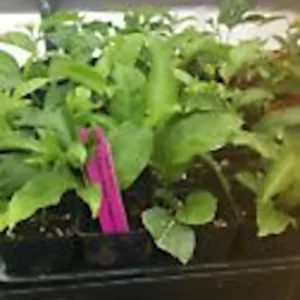
This offering includes 5 starter plants of the purple passion fruit plant, ready to be established in your garden. These vines are known for their rapid growth rate, making them a rewarding addition for gardeners eager to see quick results. Once mature, the passion fruit vine can reach impressive lengths of 10–15 feet or more, necessitating a robust support structure such as a trellis, arbor, or strong fencing. The plants are shipped in a form that allows for easy transplanting, typically as young, healthy starts suitable for immediate planting upon arrival.
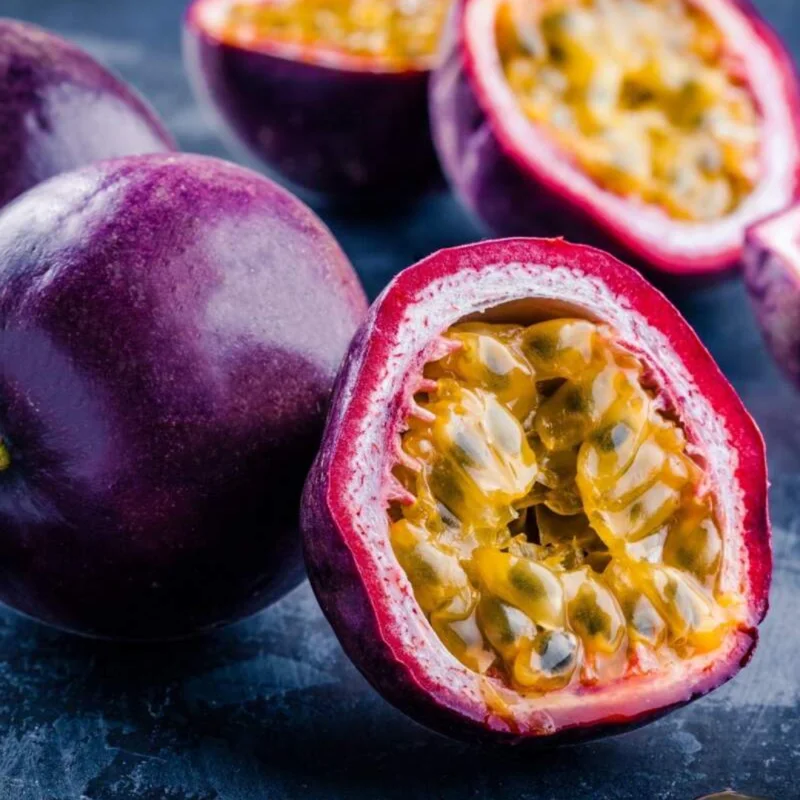
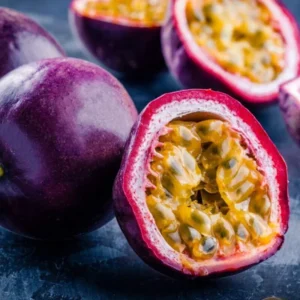
With proper care, you can expect these self-fertile plants to begin bearing fruit within one to two years of planting. The fruit itself is typically round or oval, about 2-3 inches in diameter, with a deep purple rind when ripe. The vigorous nature of this tropical fruit plant means that once established, it will continue to produce fruit for several seasons, providing a continuous supply of fresh, homegrown passion fruit. The starter plants are carefully packaged to ensure they arrive in excellent condition, ready for their new home.
You must be logged in to post a review.
Sold 64 products
Original price was: $57.98.$28.99Current price is: $28.99.
Sold 56 products
Original price was: $53.98.$26.99Current price is: $26.99.
Sold 89 products
Original price was: $39.98.$19.99Current price is: $19.99.
Sold 63 products
Original price was: $57.98.$28.99Current price is: $28.99.
Sold 68 products
Original price was: $64.99.$34.99Current price is: $34.99.
Sold 99 products
Original price was: $68.99.$47.99Current price is: $47.99.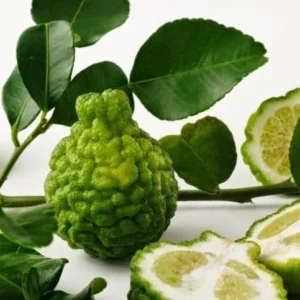
Fruits
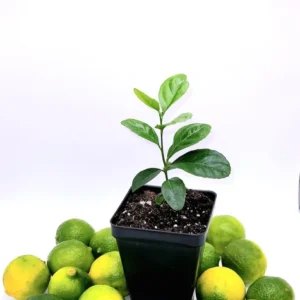
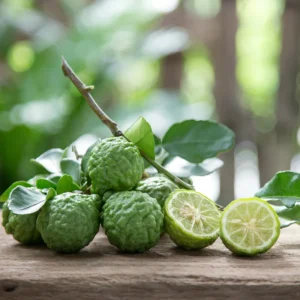
Kaffir Lime Starter Plug – Kaffir Lime Citrus Fruit Plants-Lemon Tree 2-3 Inch Live Plant Seedling
Sold 92 products
Original price was: $68.99.$47.99Current price is: $47.99.
Sold 66 products
Original price was: $55.98.$27.99Current price is: $27.99.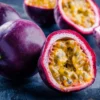

Reviews
There are no reviews yet.