NEED SUPPORT WITH YOUR ORDER? Get in touch
Not satisfied with your purchase?
Enter your Order ID on website, and we'll resolve it right away.

Original price was: $42.99.$20.99Current price is: $20.99.
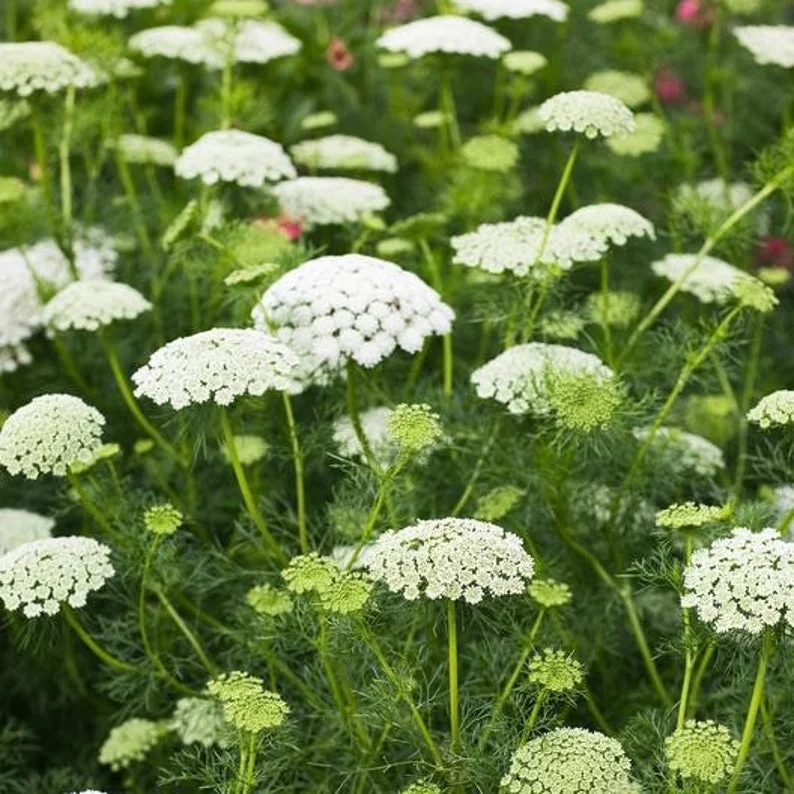
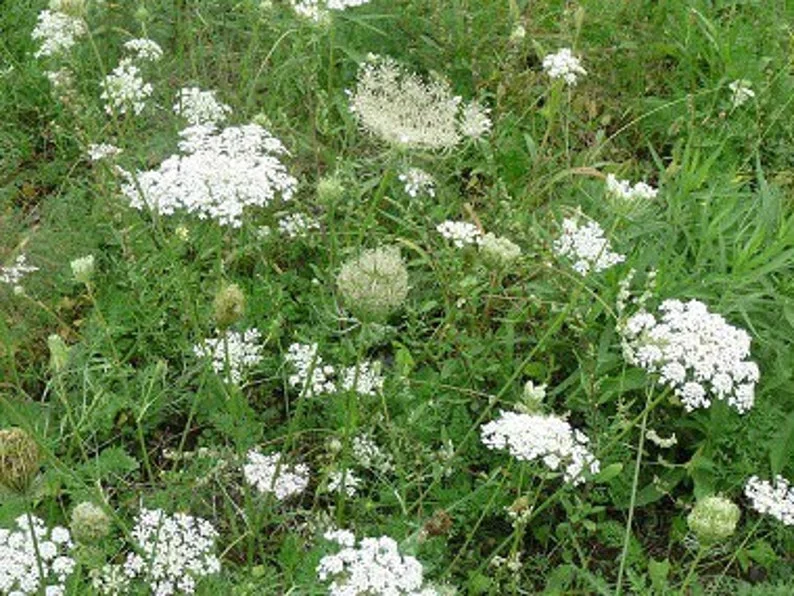
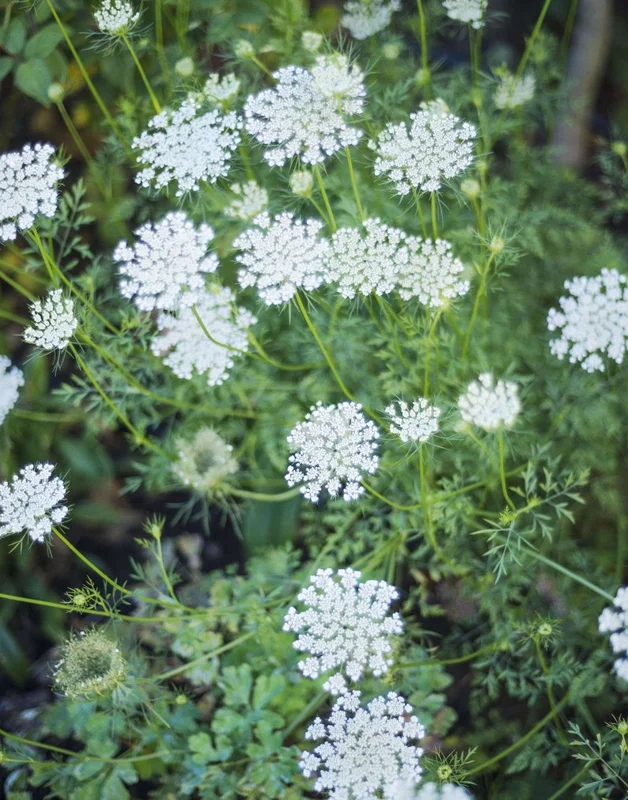
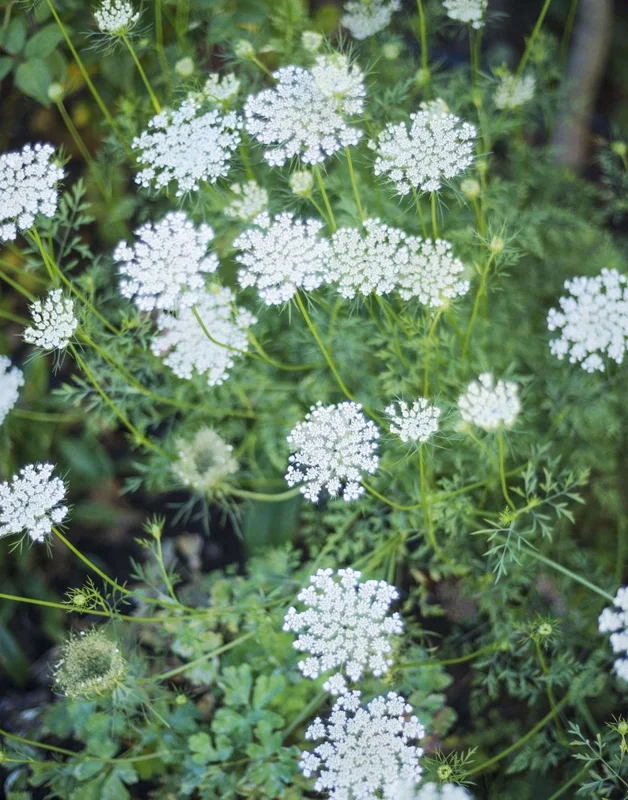
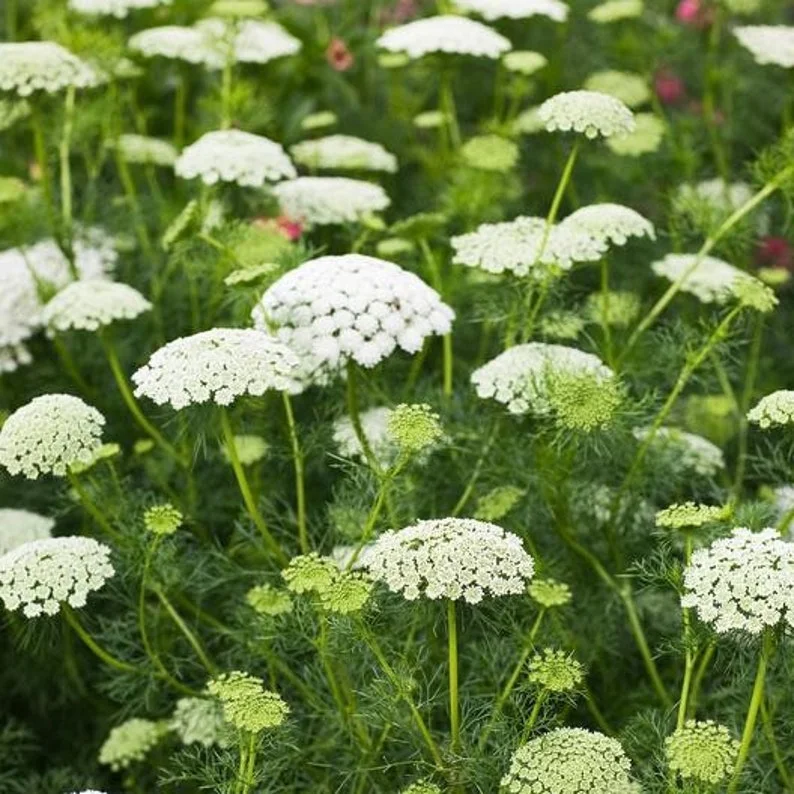
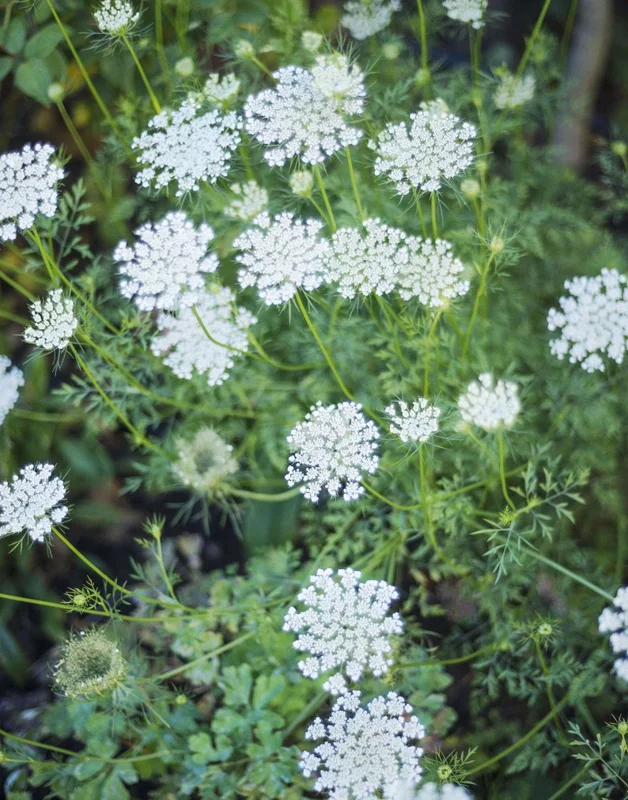
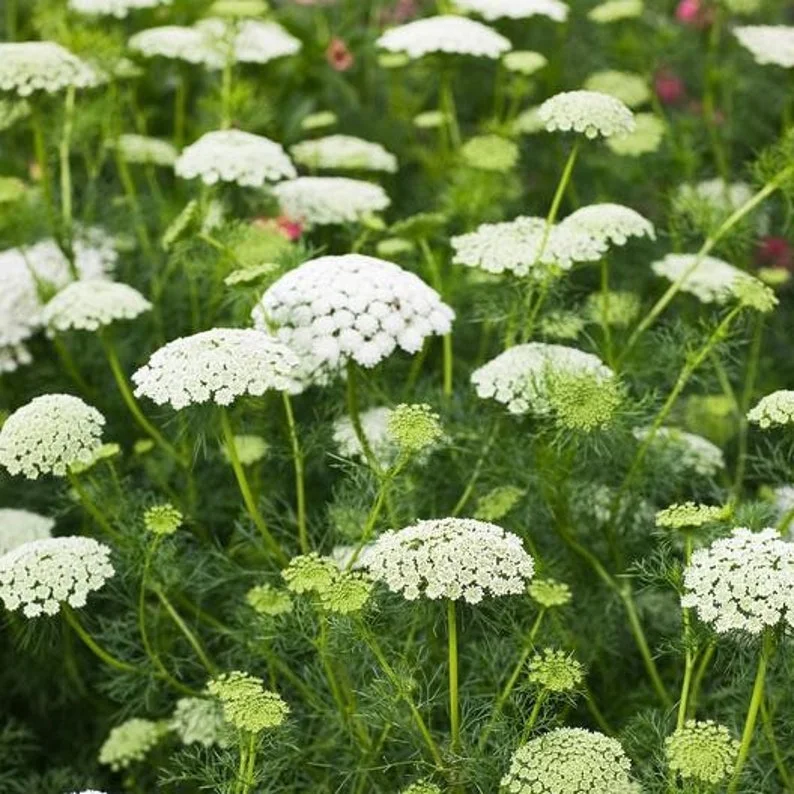
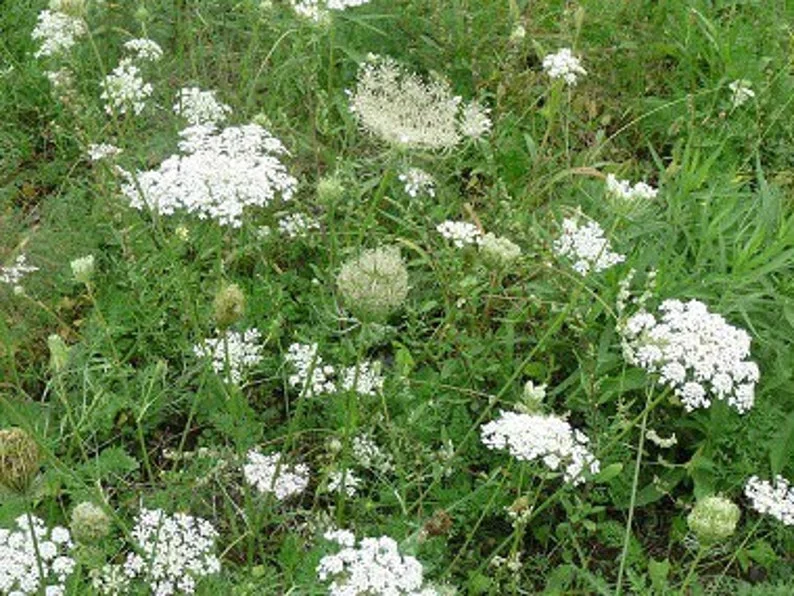
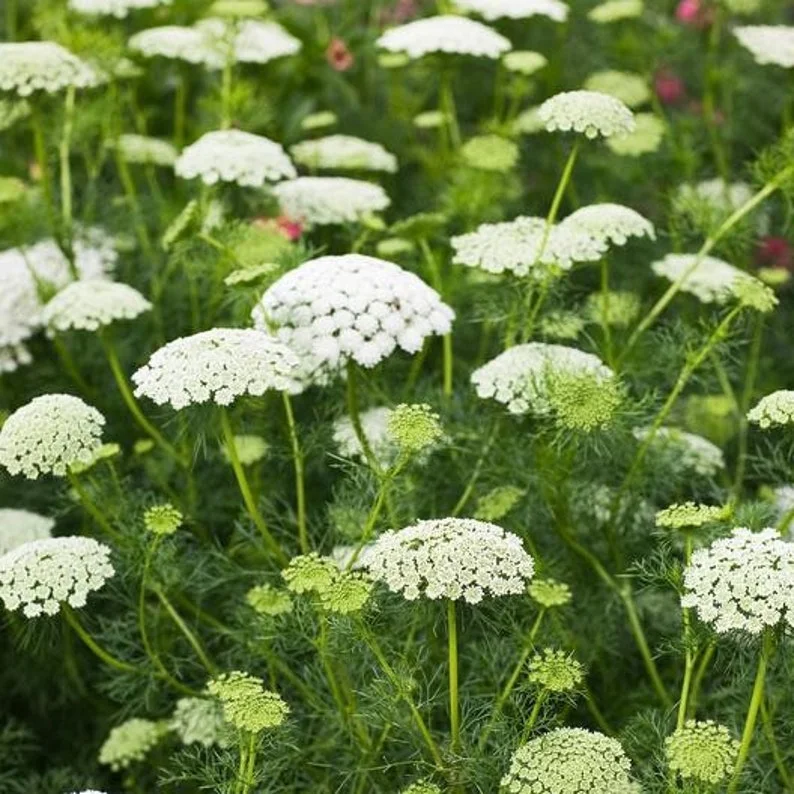
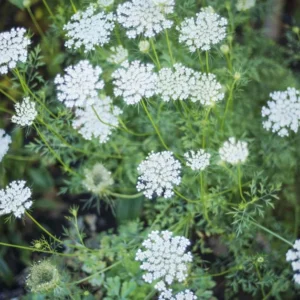
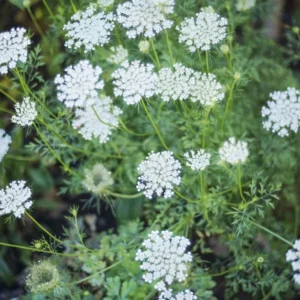
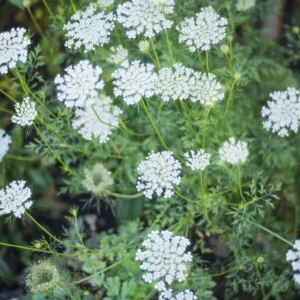
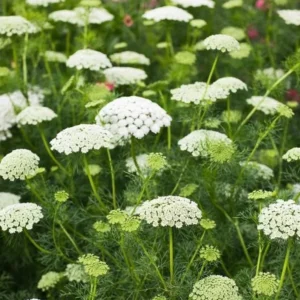
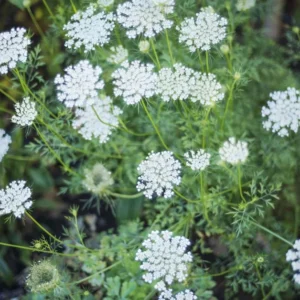
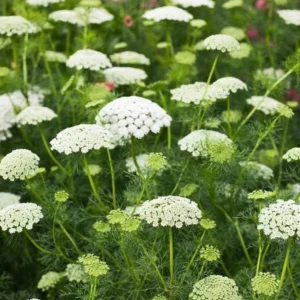
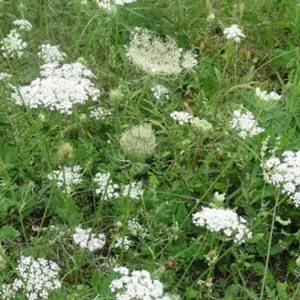
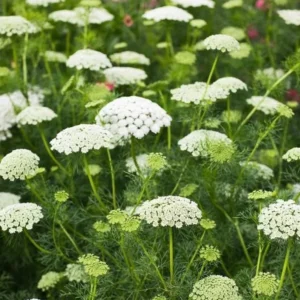
Cultivate natural elegance with this 3-pack of Queen Anne’s Lace bare roots (Daucus Carota). Perfect for adding a delicate wildflower touch to your garden, these plants are also known for their traditional medicinal properties and ability to attract beneficial pollinators. Easy to plant and organically sourced for healthy growth.
Mar 03
Mar 08 - Mar 10
Mar 13 - Mar 17
USDA Hardiness Zone
Soil Type
Sunlight Exposure
Expected Planting Period
Shipping and return policies: Our Alive & Thrive Guarantee covers issues with your plants within the first 30 days. Get in touch with us via email, and our team will review your concerns and, if necessary, provide you with a one-time replacement at no cost.
If you're unsure about your hardiness zone, feel free to reach out to us. Our team will answer your questions and help you find the plants that are truly suitable for your environment, climate, and personal preferences.
Transform your garden into a haven of natural beauty with these exquisite Queen Anne’s Lace bare roots. Each pack contains three carefully prepared Daucus Carota specimens, ready to be transplanted and flourish in your outdoor space. Known for its delicate, lace-like white umbels, this enchanting wildflower (also commonly referred to as wild carrot plant) brings an unparalleled elegance and a touch of rustic charm to any landscape. Organically cultivated, these bare roots are healthy, vibrant, and poised for successful establishment, ensuring you receive robust plants ready to thrive. Beyond their aesthetic appeal, Daucus Carota wildflower plants are celebrated for their ecological benefits, serving as a magnet for pollinators, and their historical use as a medicinal herb, making them a truly multi-functional addition to your garden.
Whether you’re creating a cottage garden, a naturalized area, or enhancing your existing herb collection, Queen Anne’s Lace offers both visual delight and practical value. These bare roots provide an economical and effective way to introduce this beloved wildflower to your home garden, promising a rewarding growing experience with their effortless growth habit and resilient nature. Embrace the unique allure of this classic plant and enjoy the grace it brings to your outdoor environment.
Planting Queen Anne’s Lace bare roots offers a multitude of advantages for both your garden and the local ecosystem. These versatile plants provide visual interest, support biodiversity, and even offer traditional herbal uses. Each benefit contributes to a more vibrant and enriching garden experience:
Caring for your Queen Anne’s Lace bare roots is straightforward, ensuring a successful and beautiful display in your garden. These resilient wildflowers are adaptable, but providing optimal conditions will encourage their most vigorous growth and abundant blooms. They thrive in locations that receive ample sunlight, needing at least 6 hours of direct sunlight daily. Full sun exposure is ideal for promoting strong stems and prolific flowering. While they prefer well-drained soil, Daucus Carota wildflower plants are quite adaptable to various soil types, including sandy, loamy, or clay soils, as long as drainage is adequate. Avoid overly soggy conditions, which can lead to root rot.
Watering requirements are moderate. Once established, Queen Anne’s Lace is relatively drought-tolerant, but consistent moisture during dry spells, especially in its first growing season, will support healthier development. Fertilization is generally not necessary, as these plants are accustomed to growing in less fertile conditions. If your soil is particularly poor, a light application of a balanced, all-purpose fertilizer in early spring can be beneficial. These plants are hardy and generally pest-resistant, making them a low-fuss addition to your garden. The ideal time to plant these Queen Anne’s Lace bare roots is during early spring or late fall, allowing them to establish their root systems before extreme temperatures.
For best results, prepare your planting site by loosening the soil and incorporating some compost to improve drainage and nutrient content. Plant the bare roots with the crown (where the roots meet the stem) just below the soil surface. Space plants about 12-18 inches apart to allow for their mature spread. While they can self-seed, they are generally not highly invasive and can be managed with proper care, such as deadheading spent blooms before seeds mature if you wish to control their spread. Enjoy the effortless beauty and ecological benefits of your new medicinal wildflowers.
This offering includes 3 organically sourced Queen Anne’s Lace bare roots (Daucus Carota), carefully prepared for successful transplanting into your garden. Each bare root is freshly harvested and handled to ensure optimal condition upon arrival, promoting a strong start for your new plants. Upon maturity, these robust plants typically reach a height of about 2-4 feet and spread 1-2 feet wide, forming a graceful, upright presence in your garden. The distinctive white umbel flowers, reminiscent of intricate lace, can span several inches in diameter, creating a striking visual impact.
As a perennial wildflower, Daucus Carota wildflower will return year after year, establishing a long-lasting presence in your landscape. The plant exhibits a moderate growth rate, establishing well in its first season and producing abundant blooms in subsequent years. The bare root format ensures easy planting and quick establishment, allowing the plant to focus its energy on developing a strong root system. These plants are ideal for USDA zones 3-9, tolerating a wide range of climates. Integrate these lovely bare root transplants to infuse your outdoor areas with both wildflower allure and beneficial herbal qualities.
You must be logged in to post a review.
Sold 75 products
Original price was: $39.98.$19.99Current price is: $19.99.
Sold 92 products
Original price was: $47.92.$23.96Current price is: $23.96.
Sold 92 products
Original price was: $67.98.$33.99Current price is: $33.99.
Sold 60 products
Original price was: $45.96.$22.98Current price is: $22.98.
Sold 92 products
Original price was: $65.98.$32.99Current price is: $32.99.
Sold 74 products
Original price was: $87.98.$43.99Current price is: $43.99.
Sold 79 products
Original price was: $47.98.$23.99Current price is: $23.99.
Sold 73 products
Original price was: $89.82.$44.91Current price is: $44.91.


Reviews
There are no reviews yet.