NEED SUPPORT WITH YOUR ORDER? Get in touch
Not satisfied with your purchase?
Enter your Order ID on website, and we'll resolve it right away.

Original price was: $54.99.$29.99Current price is: $29.99.
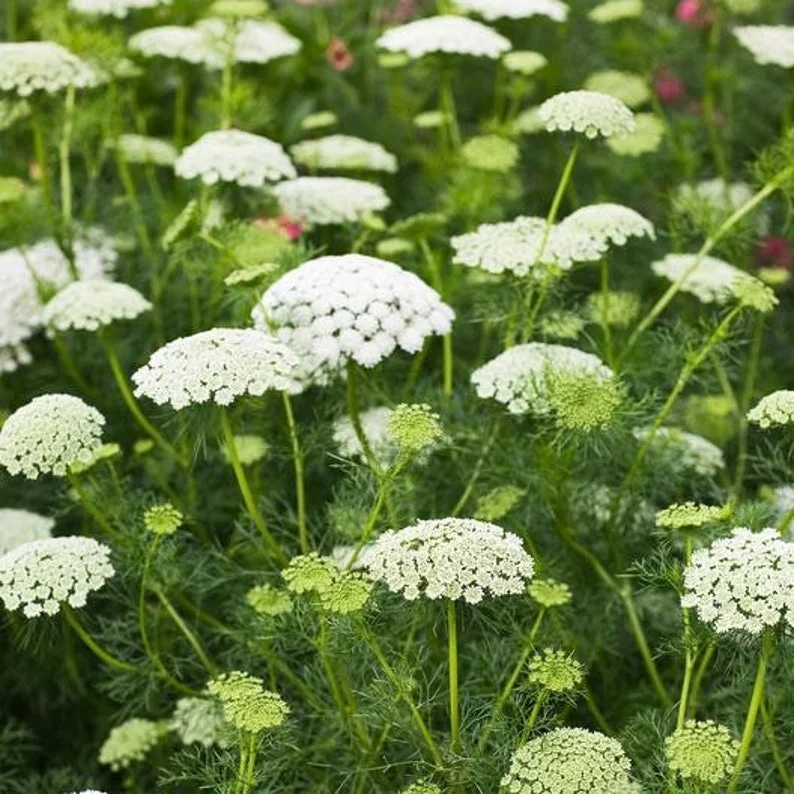
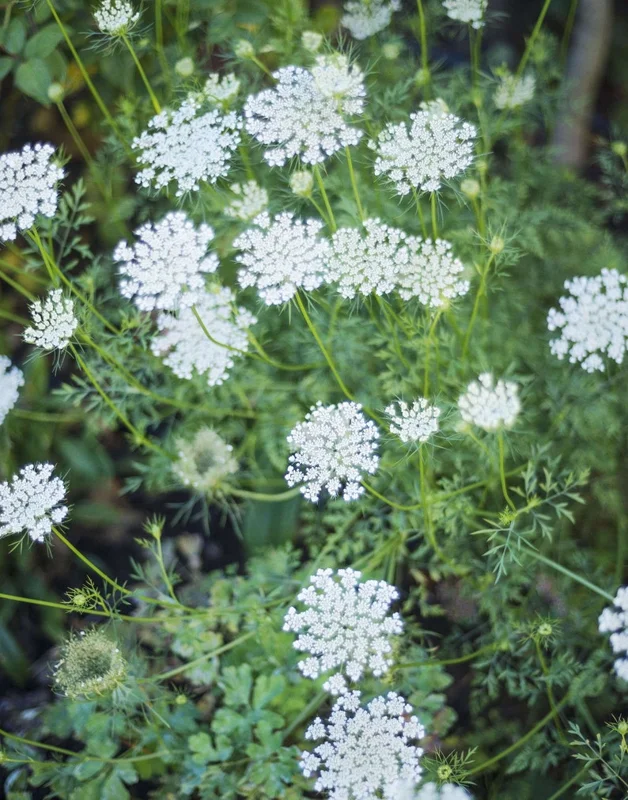
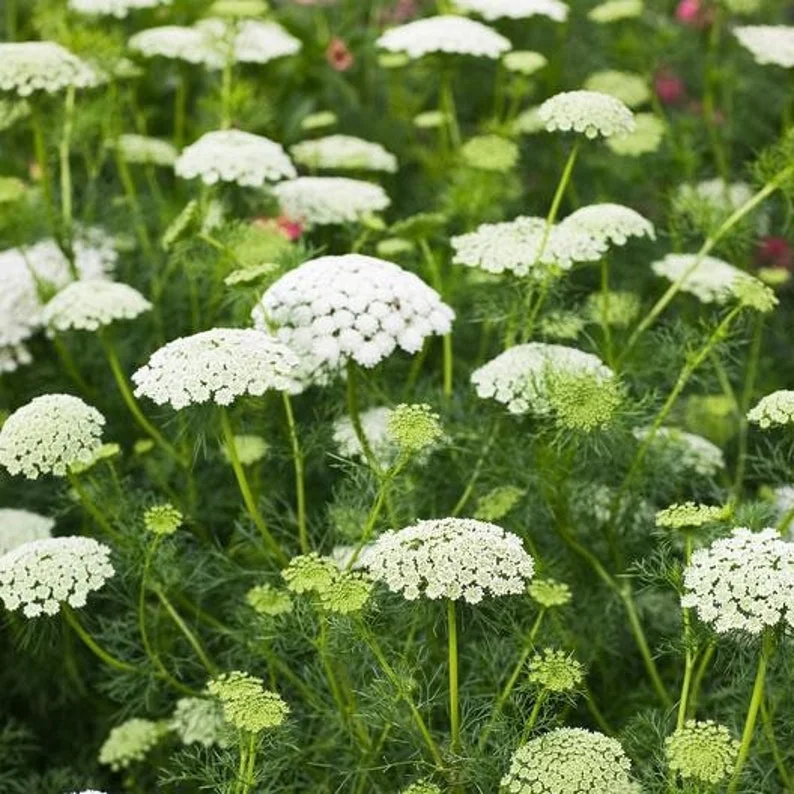
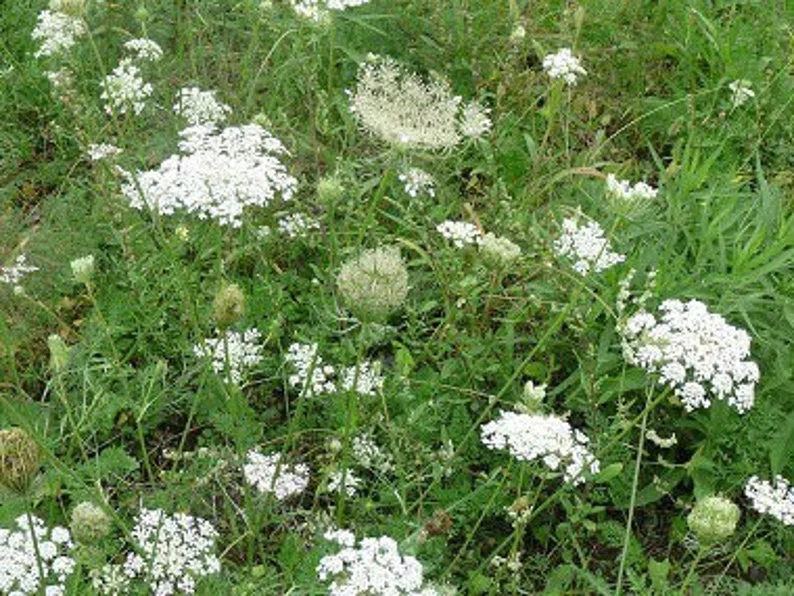
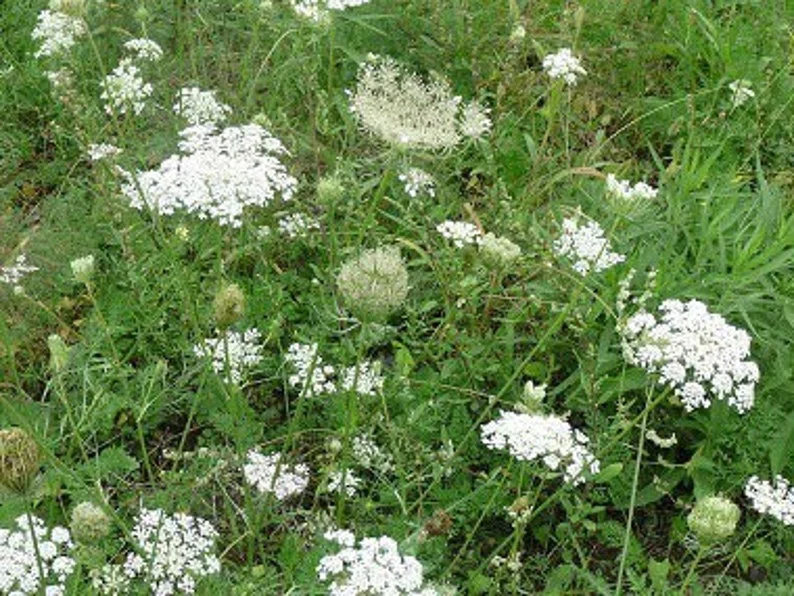
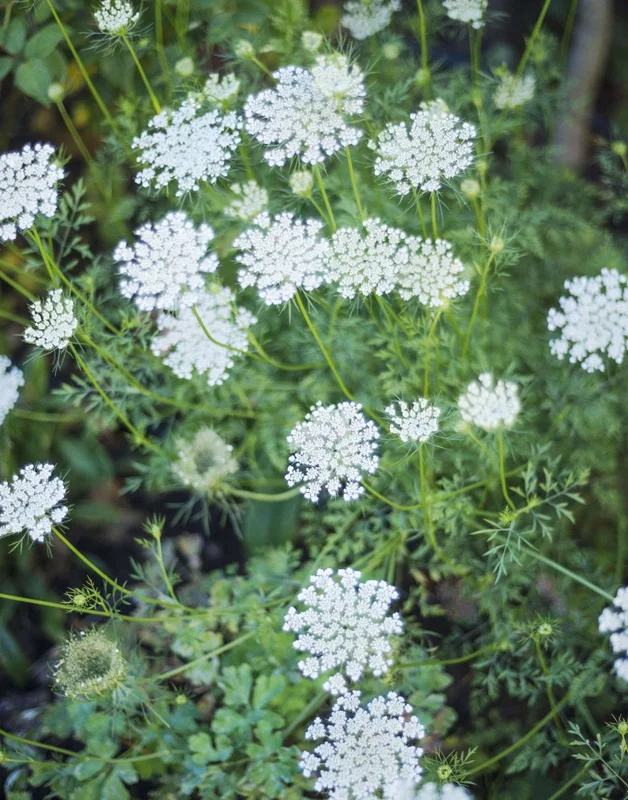
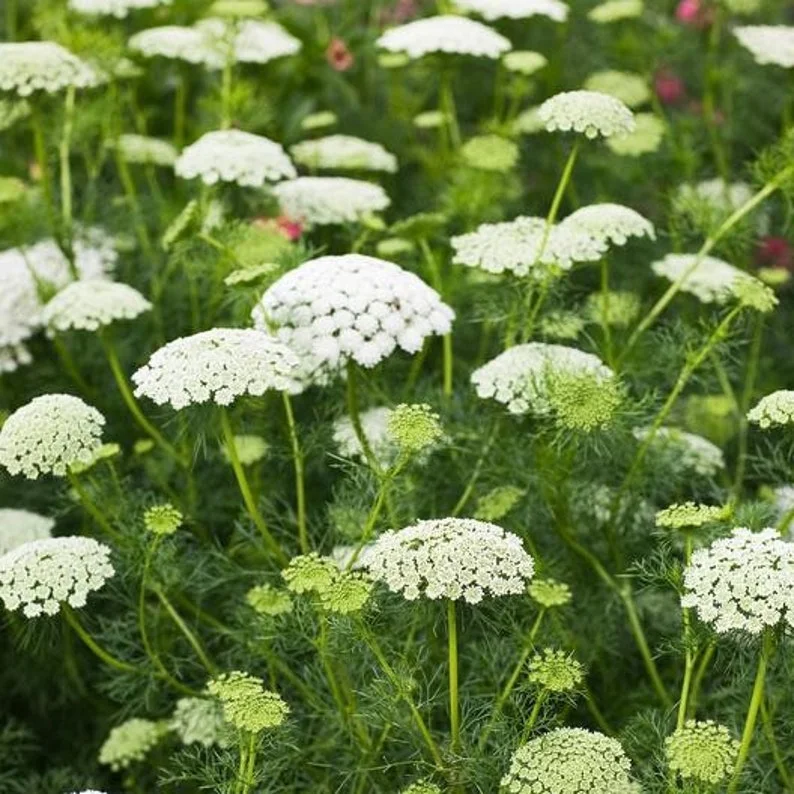
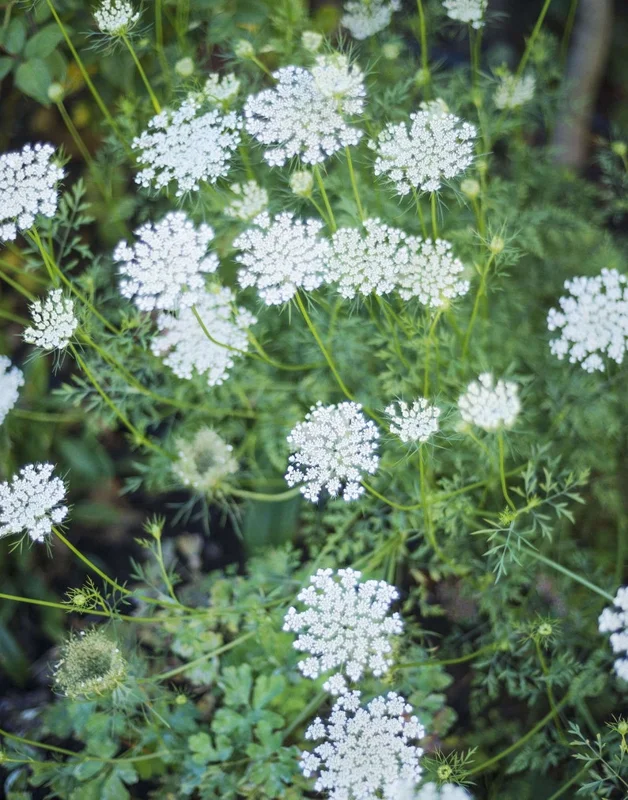
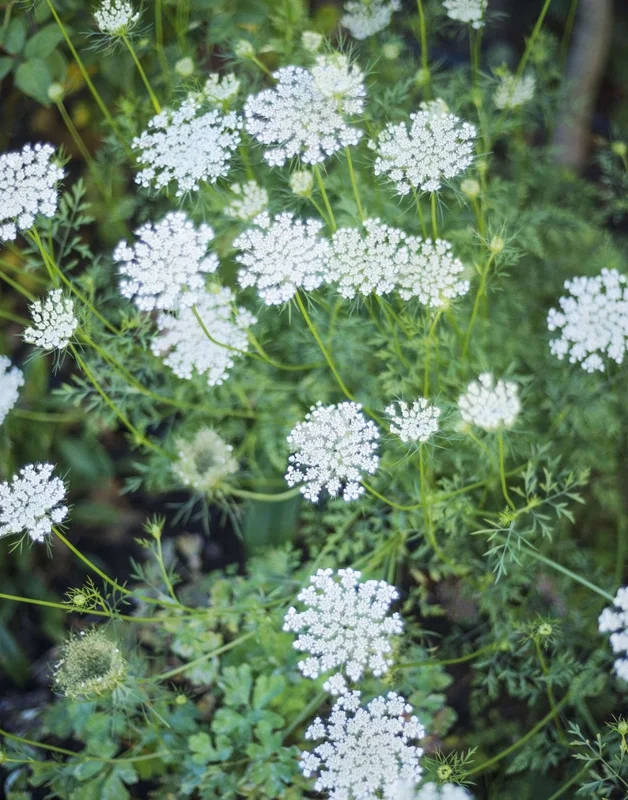
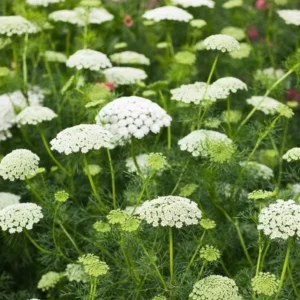
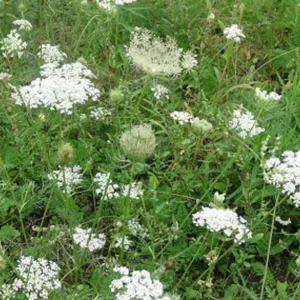
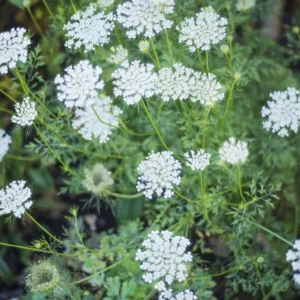
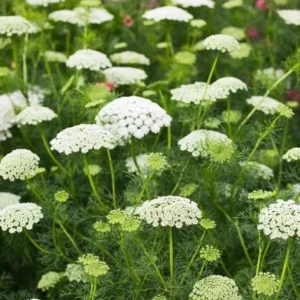
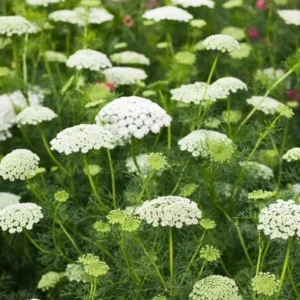
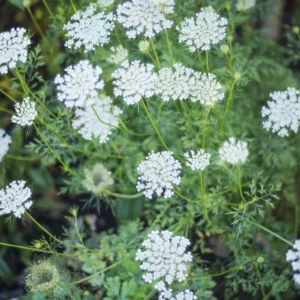
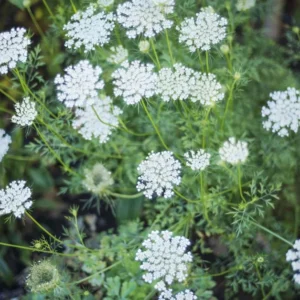
Bring natural elegance to your garden with Queen Anne’s Lace bare root plants. This pack of 5 Daucus Carota perennial wildflowers is perfect for attracting pollinators and creating a beautiful, low-maintenance landscape. Enjoy the delicate beauty and beneficial properties of these easy-to-grow plants.
Feb 04
Feb 09 - Feb 11
Feb 14 - Feb 18
USDA Hardiness Zone
Soil Type
Sunlight Exposure
Expected Planting Period
Shipping and return policies: Our Alive & Thrive Guarantee covers issues with your plants within the first 30 days. Get in touch with us via email, and our team will review your concerns and, if necessary, provide you with a one-time replacement at no cost.
If you're unsure about your hardiness zone, feel free to reach out to us. Our team will answer your questions and help you find the plants that are truly suitable for your environment, climate, and personal preferences.
Discover the timeless charm of Queen Anne’s Lace bare root plants, also known scientifically as Daucus Carota or Wild Carrot. This offering includes five carefully selected bare root specimens, ready to bring their delicate beauty and ecological benefits to your garden. Queen Anne’s Lace bare root plants are cherished for their intricate white flower clusters, which create a soft, airy texture in any planting scheme. These hardy perennials are not only visually appealing but also play a vital role in supporting local ecosystems by attracting a diverse range of pollinators, making them a fantastic addition to a cottage garden, wildflower meadow, or naturalized landscape.
Our Daucus Carota perennial plants are ideal for gardeners seeking to cultivate a resilient and beautiful outdoor space with minimal effort. As a bare root product, these plants are shipped without soil, ensuring they transplant easily and establish quickly in their new environment. Their robust nature means they can adapt to various conditions, providing a continuous display of their unique blooms year after year. Whether you’re an experienced horticulturist or just starting your gardening journey, these Wild Carrot plants offer a rewarding growing experience and contribute significantly to biodiversity.
Planting Queen Anne’s Lace bare root in your garden offers a multitude of advantages, transforming your outdoor space into a vibrant and ecologically rich haven. These wildflowers are celebrated for their aesthetic appeal and their positive environmental impact.
Caring for your Wild Carrot plant care is straightforward, as these wildflowers are quite hardy and adaptable. To ensure optimal growth and a robust display of their characteristic blooms, understanding their basic needs is key. They flourish in conditions that mimic their natural habitat, which typically involves plenty of sunshine and well-drained soil. When planting your Queen Anne’s Lace bare root, select a site that receives adequate sunlight and prepare the soil to encourage strong root development.
For best results, aim for a location that provides at least 6 hours of direct sunlight daily; while they can tolerate partial shade, full sun promotes the most vigorous growth and abundant flowering. When it comes to soil, Wild Carrot plant care involves well-drained soil. Although adaptable to various soil types, sandy or loamy soils are preferred. Ensure good drainage to prevent root rot, especially during wetter periods. Water regularly after planting until the plants are established, then they become quite drought-tolerant. Fertilization is generally not necessary in rich soil, but a light application of a balanced, slow-release fertilizer in early spring can encourage more vibrant growth.
These Daucus Carota perennial plants are quite resilient and generally pest-free. Monitor for common garden pests, but often, the beneficial insects attracted by the flowers will help keep potential problems in check. Deadhead spent blooms to encourage further flowering and prevent excessive self-seeding if you wish to control their spread. In colder climates, a layer of mulch can help protect the roots over winter. With proper Wild Carrot plant care, your Queen Anne’s Lace will thrive, providing continuous beauty and ecological benefits to your wildflower garden for many seasons.
This offering includes five Queen Anne’s Lace bare root plants, ready for immediate planting upon arrival. When mature, these Daucus Carota perennial plants typically grow to a height of 2 to 4 feet, creating an attractive vertical element in your garden. Their spread can be around 1 to 2 feet, forming lovely clumps of foliage topped with their distinctive white flower clusters. These bare root plants are carefully harvested to ensure they are healthy and viable, promoting successful establishment in your landscape.
As a perennial wildflower, Queen Anne’s Lace bare root offers a moderate growth rate, establishing itself well within the first growing season and returning with increased vigor in subsequent years. The delicate white blooms typically appear from late spring through summer, providing a long season of interest and a continuous food source for pollinators in your wildflower garden. These plants are shipped dormant and without soil, which is the ideal state for bare root transplantation, allowing them to quickly adapt to your garden’s conditions.
You must be logged in to post a review.
Sold 90 products
Original price was: $47.99.$34.99Current price is: $34.99.
Sold 58 products
Original price was: $33.98.$16.99Current price is: $16.99.
Sold 79 products
Original price was: $69.98.$34.99Current price is: $34.99.
Sold 84 products
Original price was: $76.99.$46.99Current price is: $46.99.
Sold 69 products
Original price was: $100.99.$80.99Current price is: $80.99.
Sold 90 products
Original price was: $118.99.$88.99Current price is: $88.99.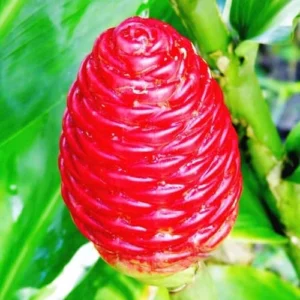
Flowers
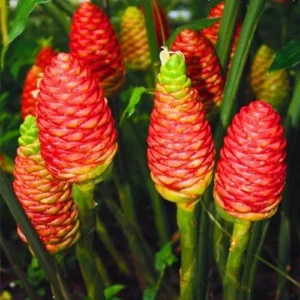
Awapuhi Shampoo Ginger Rhizomes – Fresh Zingiber Zerumbet Roots – Live Plant for Tropical Garden
Sold 90 products
Original price was: $31.98.$15.99Current price is: $15.99.
Sold 73 products
Original price was: $114.99.$84.99Current price is: $84.99.


Reviews
There are no reviews yet.