NEED SUPPORT WITH YOUR ORDER? Get in touch
Not satisfied with your purchase?
Enter your Order ID on website, and we'll resolve it right away.

Original price was: $74.99.$54.99Current price is: $54.99.
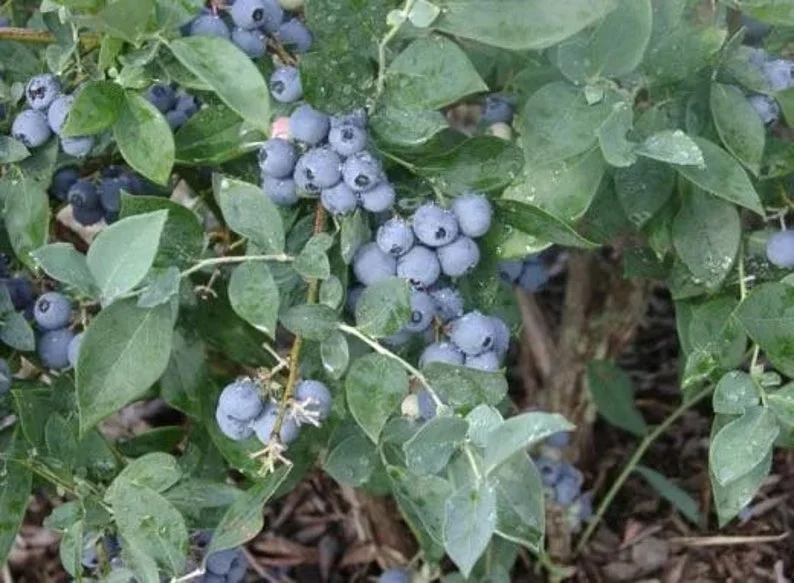
Cultivate your own supply of fresh, antioxidant-rich blueberries with the rabbiteye blueberry alapaha. This vigorous, disease-resistant 1-gallon live plant produces delicious fruit, beautiful white spring flowers, and stunning fall foliage. Perfect for home gardens, providing both beauty and functionality.
Mar 03
Mar 08 - Mar 10
Mar 13 - Mar 17
USDA Hardiness Zone
Soil Type
Sunlight Exposure
Expected Planting Period
Shipping and return policies: Our Alive & Thrive Guarantee covers issues with your plants within the first 30 days. Get in touch with us via email, and our team will review your concerns and, if necessary, provide you with a one-time replacement at no cost.
If you're unsure about your hardiness zone, feel free to reach out to us. Our team will answer your questions and help you find the plants that are truly suitable for your environment, climate, and personal preferences.
Bring the joy of homegrown fruit to your garden with the rabbiteye blueberry alapaha. This robust and popular variety is an excellent choice for home gardeners looking to cultivate their own supply of fresh, delicious blueberries. Arriving as a healthy 1-gallon live plant, it’s ready to be planted and enjoyed, offering not just a bountiful harvest but also significant ornamental appeal. Known for its vigorous growth and natural disease resistance, the rabbiteye blueberry bush thrives in suitable conditions, rewarding you with years of sweet, juicy fruit. Enjoy the process of growing your own produce, knowing exactly where your food comes from.
The ‘Alapaha’ variety is a standout among rabbiteye blueberries, celebrated for its consistent production and flavorful berries. Beyond its fruit, this plant adds multi-seasonal interest to your landscape. In spring, it’s adorned with delicate white, bell-shaped flowers, followed by the development of its delicious fruit throughout the summer. As autumn approaches, the foliage transforms into stunning shades of red, orange, and yellow, making it a beautiful addition to any garden design. This plant requires cross-pollination from at least two different varieties to produce a good harvest, making it an ideal companion to other rabbiteye types.
Adding an alapaha blueberry plant to your garden offers numerous advantages, blending aesthetic appeal with practical benefits. It’s a fantastic way to enhance your outdoor living space while providing a source of healthy, organic food.
To ensure your rabbiteye blueberry alapaha thrives and produces an abundant harvest, providing the right care is crucial. These plants prefer specific conditions that mimic their natural habitat. Plant your blueberry bush in a location that receives full sun to part sun, meaning at least 6-8 hours of direct sunlight per day for optimal fruit production. While they can tolerate some shade, more sun generally leads to more berries and better fall color. When you grow blueberries at home, understanding their specific needs is key to success.
Soil is perhaps the most critical factor for blueberry success. They require well-drained, acidic soil with a pH between 4.5 and 5.5. If your native soil isn’t naturally acidic, you may need to amend it with peat moss, sulfur, or specific acidifying fertilizers. Good drainage is essential to prevent root rot. Water regularly, especially during dry periods and during fruit development, to keep the soil consistently moist but never waterlogged. Deep watering encourages a strong root system. Fertilize in the spring with a fertilizer specifically formulated for acid-loving plants, following package instructions to avoid over-fertilization.
Pruning is also an important aspect of caring for your alapaha blueberry plant. Annually, usually in late winter or early spring before new growth begins, prune to remove any dead, damaged, or crossing branches. This practice helps maintain the plant’s shape, encourages new growth, and improves air circulation, which can reduce disease risk. Remember that this variety requires cross-pollination from at least two different rabbiteye varieties for optimal fruit set; consider planting another compatible rabbiteye blueberry bush nearby. With proper care and attention to these details, your blueberry plant will reward you with a bountiful harvest of delicious fruit for many years.
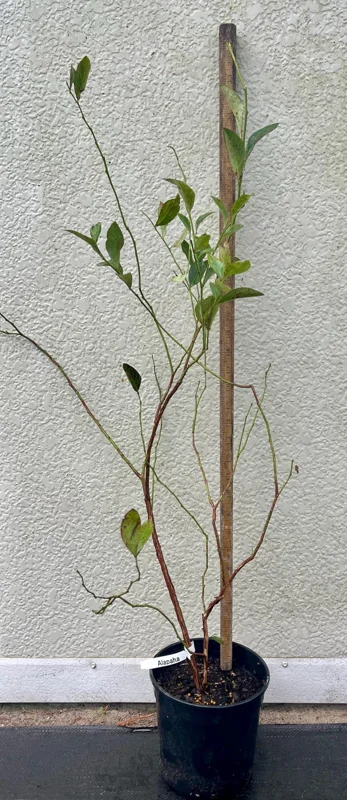
This rabbiteye blueberry alapaha arrives as a healthy, actively growing plant in a 1-gallon nursery pot. At the time of shipping, its height will vary depending on the growing season but is typically well-established and ready for planting. Once mature, this rabbiteye blueberry bush can reach an impressive height of 8-12 feet and a spread of 6-8 feet, forming a substantial and productive part of your garden. Its vigorous growth rate means you won’t have to wait long to enjoy its benefits.
The plant is shipped securely to ensure it arrives in excellent condition, ready to be transplanted into its permanent home. Expect it to begin producing fruit within 1-2 years of planting, with increasing yields as it matures. The ‘Alapaha’ variety is suitable for USDA hardiness zones 7-9, making it a resilient choice for many climates. Its mature size makes it ideal for a dedicated berry patch or as an attractive edible landscape plant. When you grow blueberries at home, starting with a healthy, established plant like this significantly increases your chances of success.
You must be logged in to post a review.
Sold 64 products
Original price was: $64.99.$34.99Current price is: $34.99.
Sold 89 products
Original price was: $57.98.$28.99Current price is: $28.99.
Sold 74 products
Original price was: $73.98.$36.99Current price is: $36.99.
Sold 98 products
Original price was: $39.98.$19.99Current price is: $19.99.
Sold 86 products
Original price was: $64.99.$34.99Current price is: $34.99.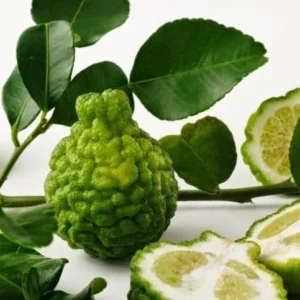
Fruits
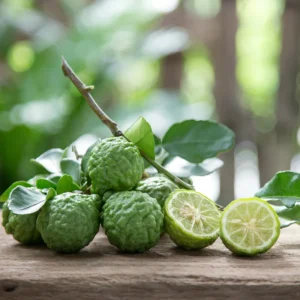
Kaffir Lime Starter Plug – Kaffir Lime Citrus Fruit Plants-Lemon Tree 2-3 Inch Live Plant Seedling
Sold 57 products
Original price was: $68.99.$47.99Current price is: $47.99.
Sold 70 products
Original price was: $73.98.$36.99Current price is: $36.99.
Sold 63 products
Original price was: $99.98.$49.99Current price is: $49.99.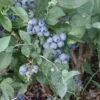



Reviews
There are no reviews yet.