NEED SUPPORT WITH YOUR ORDER? Get in touch
Not satisfied with your purchase?
Enter your Order ID on website, and we'll resolve it right away.

Original price was: $61.99.$32.99Current price is: $32.99.
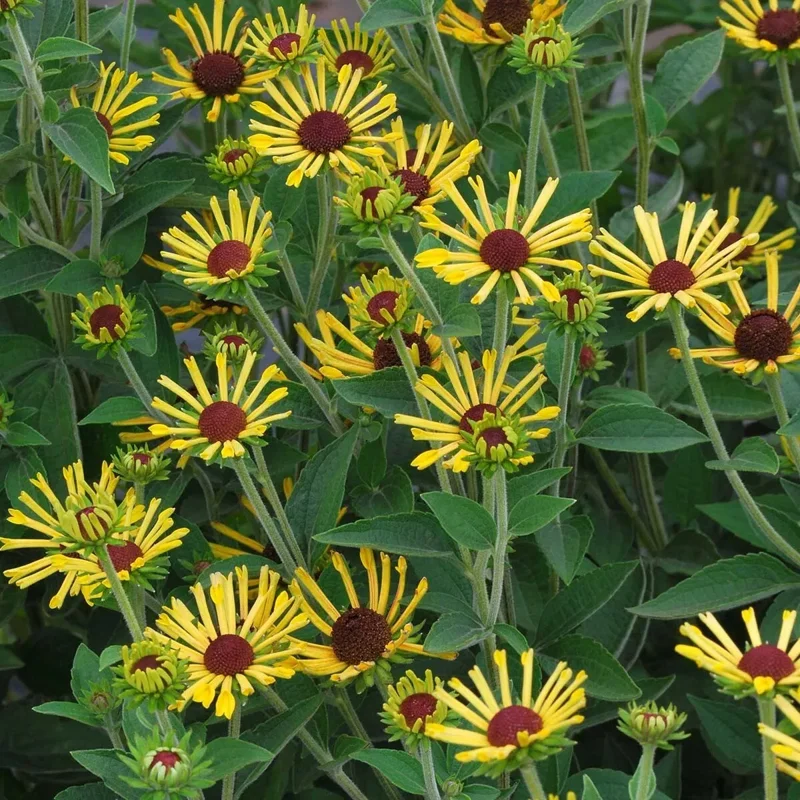
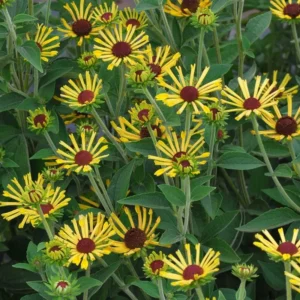
Bring vibrant beauty to your garden with this sweet coneflower live plant, Rudbeckia ‘Henry Eilers’. This delightful perennial features unique quilled yellow petals and attracts pollinators, while being naturally deer resistant. Arrives in a 2" container, ready to thrive outdoors.
Feb 04
Feb 09 - Feb 11
Feb 14 - Feb 18
USDA Hardiness Zone
Soil Type
Sunlight Exposure
Expected Planting Period
Shipping and return policies: Our Alive & Thrive Guarantee covers issues with your plants within the first 30 days. Get in touch with us via email, and our team will review your concerns and, if necessary, provide you with a one-time replacement at no cost.
If you're unsure about your hardiness zone, feel free to reach out to us. Our team will answer your questions and help you find the plants that are truly suitable for your environment, climate, and personal preferences.
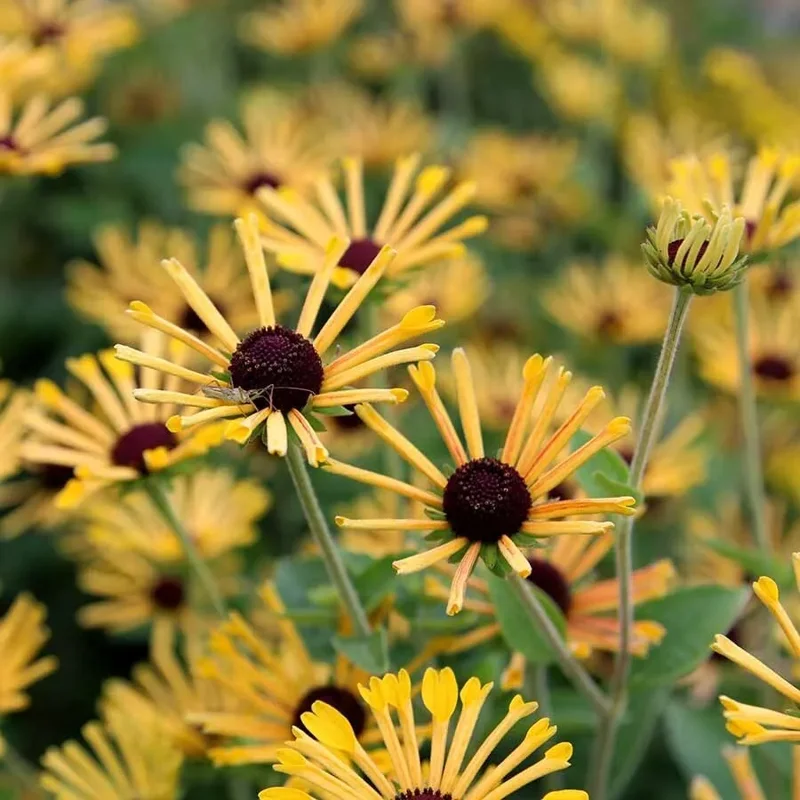
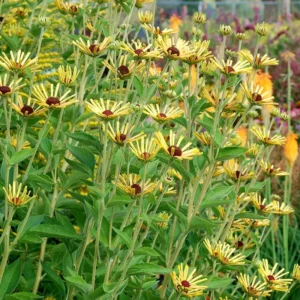
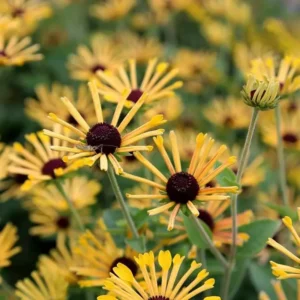
Introduce a captivating perennial to your garden with the sweet coneflower live plant, Rudbeckia ‘Henry Eilers’. Known botanically as Rudbeckia subtomentosa ‘Henry Eilers’, this delightful variety offers a unique twist on the classic coneflower. Its distinctive flowers boast vibrant yellow, quilled ray petals surrounding a dark brownish-purple central disk, creating a cheerful and elegant display. The ‘Henry Eilers’ cultivar provides an extended bloom season from summer into early fall, ensuring long-lasting color and visual interest in your landscape. Beyond its striking appearance, the Rudbeckia subtomentosa is cherished for its mild anise aroma, which adds a subtle, pleasant fragrance to your outdoor space, making it a true sensory delight for both gardeners and visitors.
The sweet coneflower live plant offers a multitude of advantages for any garden, combining aesthetic appeal with ecological benefits and ease of care. Its robust nature and charming blooms make it a popular choice for various landscaping designs.
Cultivating a thriving sweet coneflower live plant is straightforward, thanks to its adaptable nature. To ensure optimal growth and a spectacular bloom display, consider the following care guidelines. This perennial flower plant prefers full sun, meaning it needs at least 6-8 hours of direct sunlight per day to flourish and produce abundant flowers. Well-drained, loamy soil is ideal, providing the roots with adequate moisture without becoming waterlogged. While it tolerates some drought once established, consistent moisture is beneficial, especially during hot, dry periods. Water deeply to encourage strong root development, allowing the top inch or two of soil to dry out between waterings.
The ‘Henry Eilers’ coneflower thrives in USDA hardiness zones 4-8. Good air circulation is crucial to prevent fungal diseases, so avoid overcrowding when planting. Fertilize sparingly; a balanced, slow-release fertilizer in early spring is usually sufficient. Deadheading spent blooms will not only encourage more flowers but also prevent unwanted self-seeding. Watch out for common pests like aphids, which can typically be managed with insecticidal soap. With proper care, your deer resistant coneflower will become a robust and beautiful addition to your garden, providing years of enjoyment. The Henry Eilers coneflower is a resilient choice for both novice and experienced gardeners.
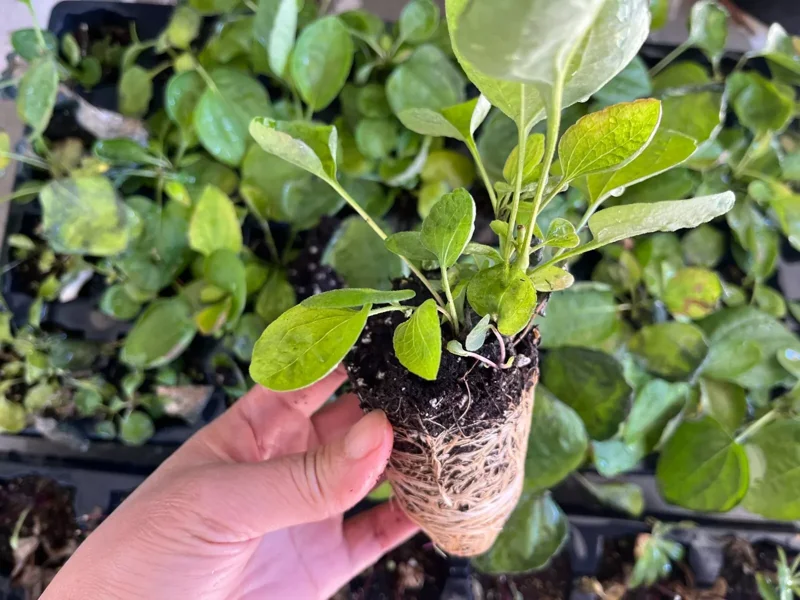
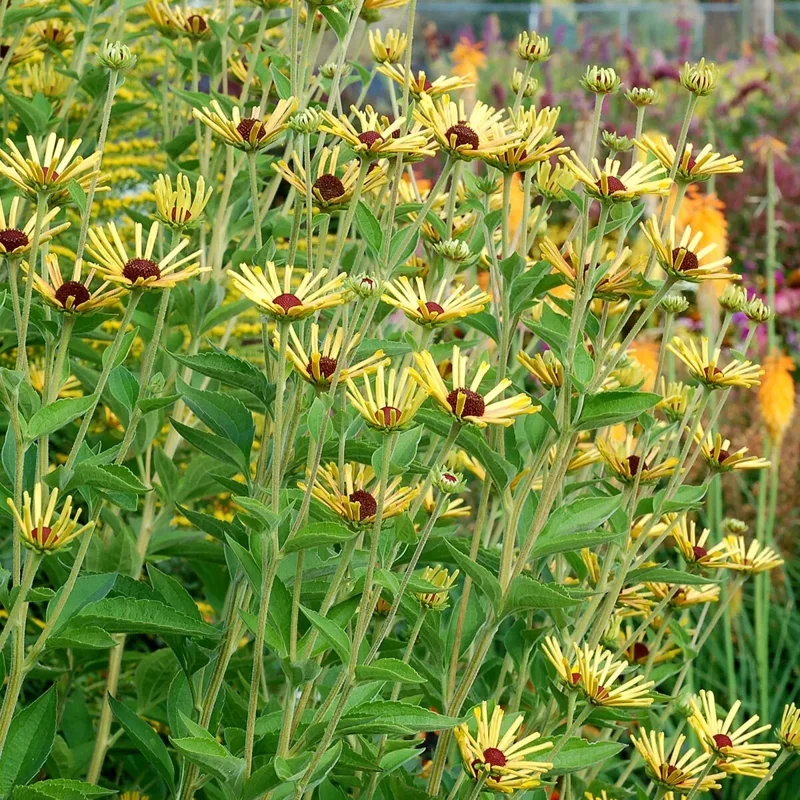
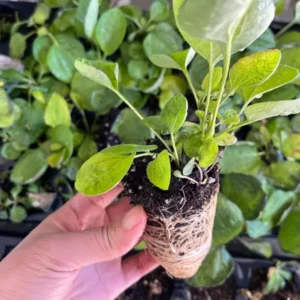
The sweet coneflower live plant, Rudbeckia ‘Henry Eilers’, typically grows to an impressive height of 3 to 5 feet, with a spread of about 2 to 3 feet, creating a significant vertical presence in your garden. Each seedling is shipped in a 2-inch by 2-inch by 3.5-inch container, providing a well-established root system ready for planting. These plants are young but robust, ensuring a smooth transition to your garden bed or larger pot. While plants may arrive with few or dried leaves due to dormancy or transportation stress, with proper care and planting, they will quickly revive and begin to flourish within 2-3 weeks, establishing themselves as a vibrant part of your landscape. Expect blooms from summer to early fall.
You must be logged in to post a review.
Flowers
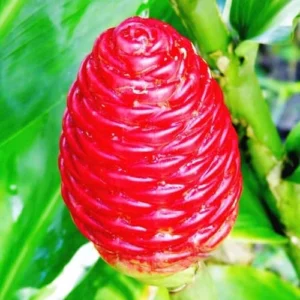
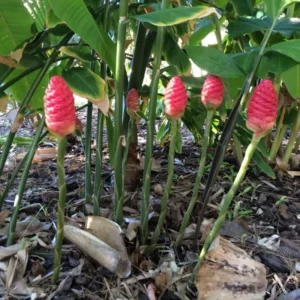
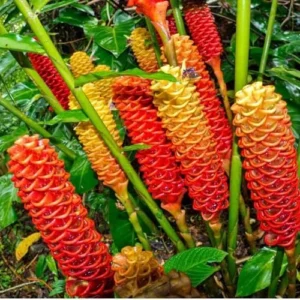
Awapuhi Shampoo Ginger Rhizomes – Fresh Zingiber Zerumbet Roots – Live Plant for Tropical Garden
Sold 59 products
Original price was: $31.98.$15.99Current price is: $15.99.
Sold 70 products
Original price was: $119.98.$59.99Current price is: $59.99.
Sold 95 products
Original price was: $31.98.$15.99Current price is: $15.99.
Sold 99 products
Original price was: $55.98.$27.99Current price is: $27.99.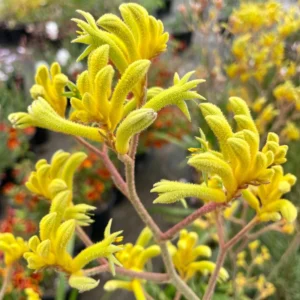
Sold 77 products
Original price was: $114.99.$84.99Current price is: $84.99.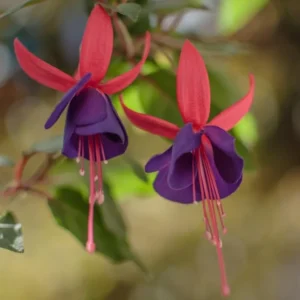
Sold 78 products
Original price was: $33.98.$16.99Current price is: $16.99.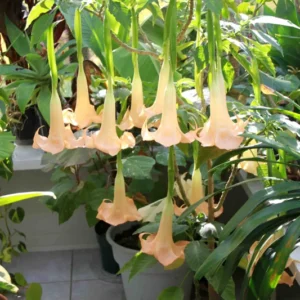
Sold 71 products
Original price was: $43.90.$33.90Current price is: $33.90.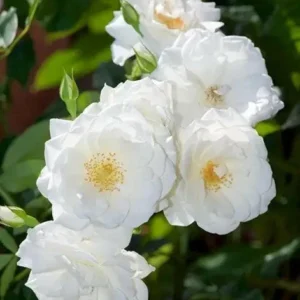
Sold 59 products
Original price was: $100.99.$80.99Current price is: $80.99.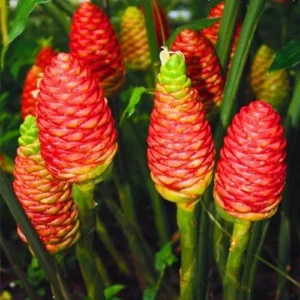

Reviews
There are no reviews yet.