NEED SUPPORT WITH YOUR ORDER? Get in touch
Not satisfied with your purchase?
Enter your Order ID on website, and we'll resolve it right away.

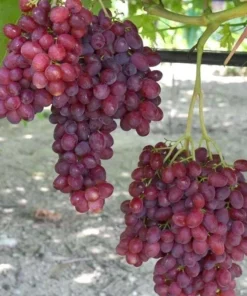
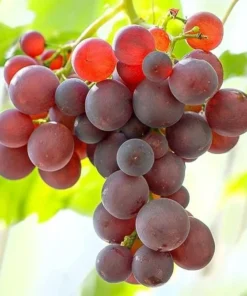
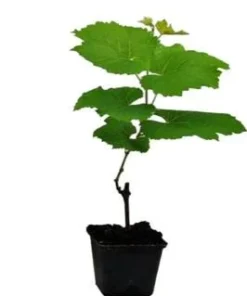
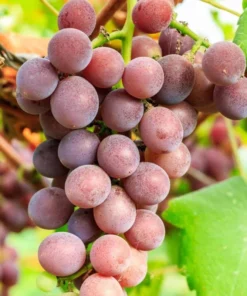
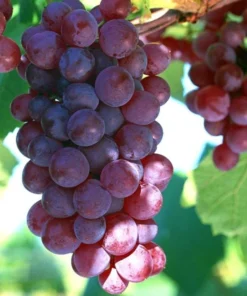
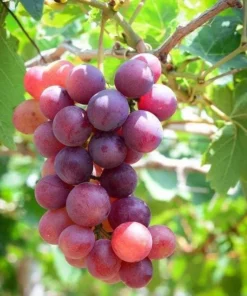
Original price was: $58.99.$38.99Current price is: $38.99.
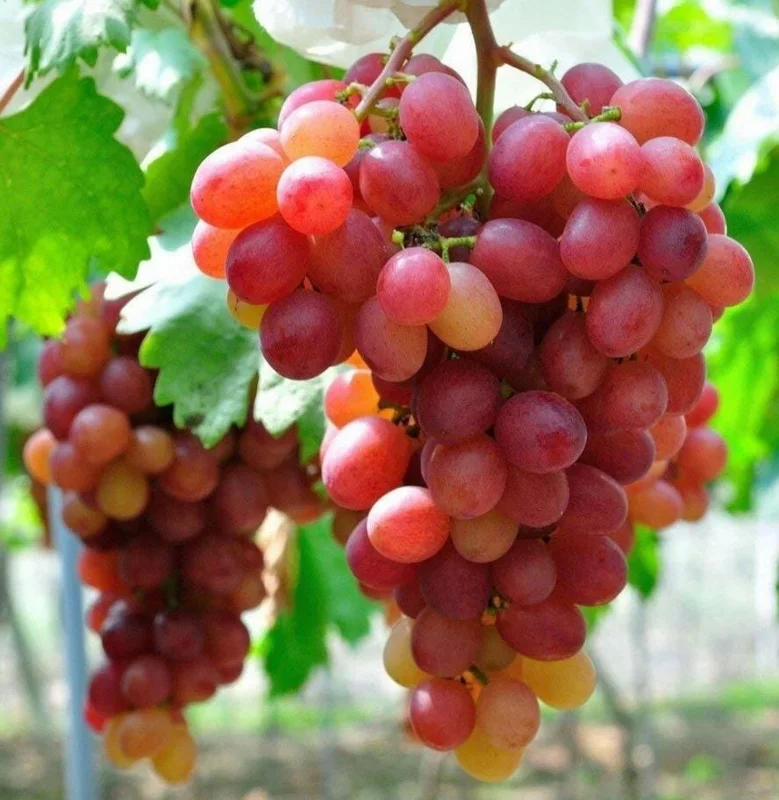
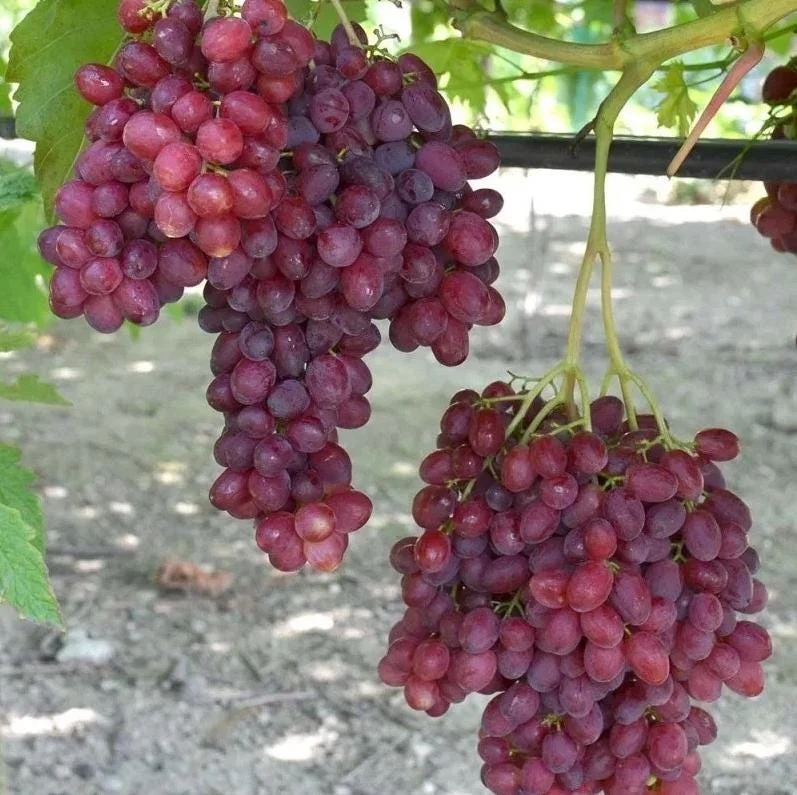
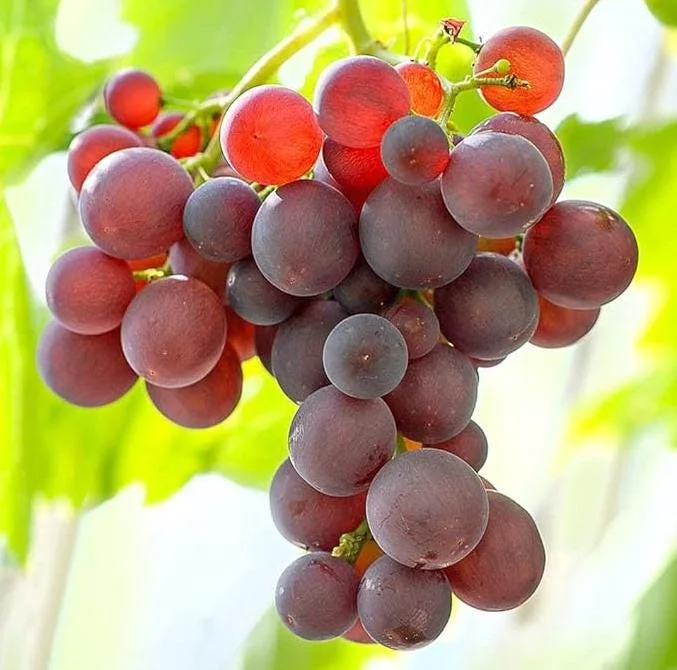
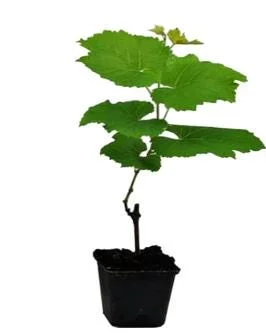
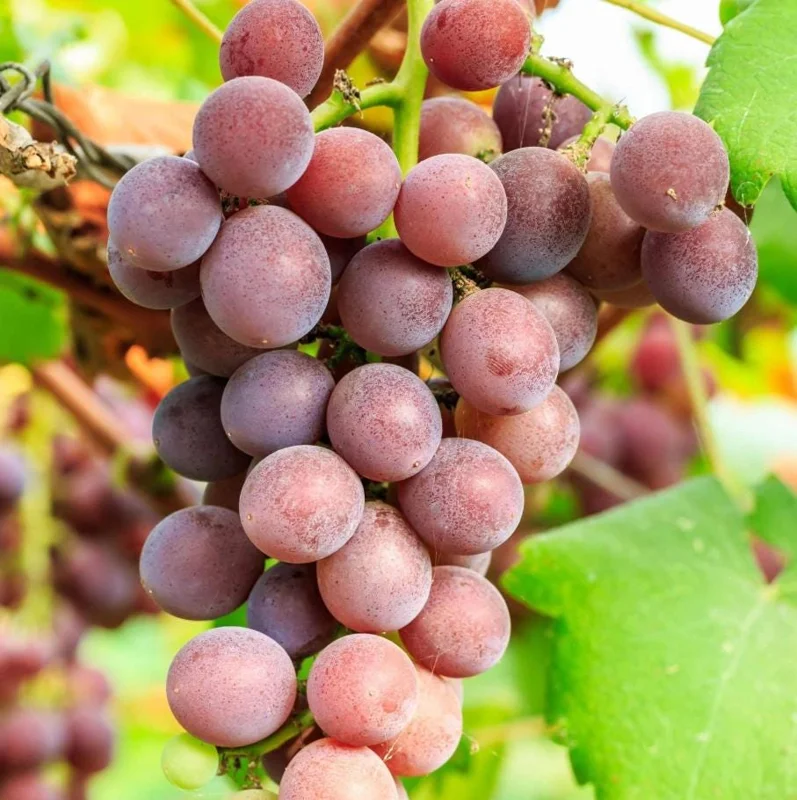
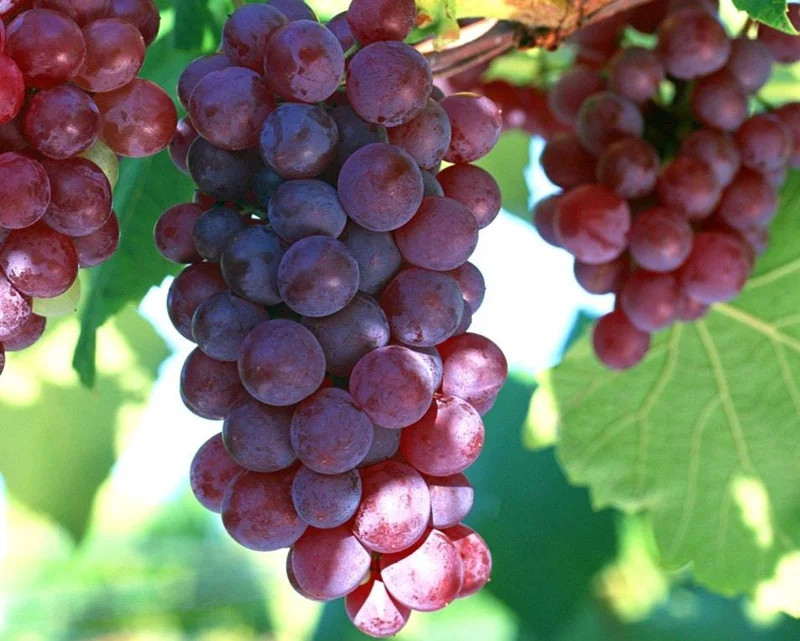
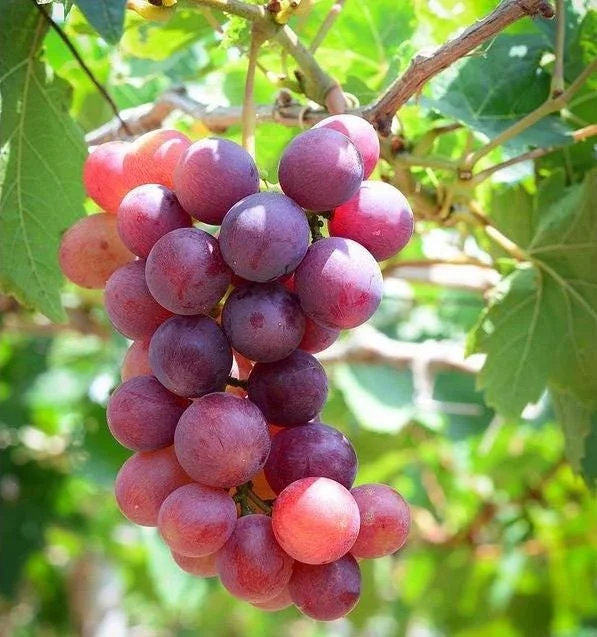
Cultivate your own sweet and juicy red catawba grape vine with this healthy live starter plant, measuring 5-7 inches tall. Ideal for trellises or arbors, this catawba grape plant is perfect for home gardens, producing vibrant red fruit. Get started on your home vineyard today!
Feb 04
Feb 09 - Feb 11
Feb 14 - Feb 18
USDA Hardiness Zone
Soil Type
Sunlight Exposure
Expected Planting Period
Shipping and return policies: Our Alive & Thrive Guarantee covers issues with your plants within the first 30 days. Get in touch with us via email, and our team will review your concerns and, if necessary, provide you with a one-time replacement at no cost.
If you're unsure about your hardiness zone, feel free to reach out to us. Our team will answer your questions and help you find the plants that are truly suitable for your environment, climate, and personal preferences.
Embark on the rewarding journey of growing your own fruit with a healthy red catawba grape vine. This live starter plant, derived from the popular Vitis Labrusca species, offers an excellent opportunity for both novice and experienced gardeners to cultivate delicious grapes right in their backyard. Known for its robust growth and flavorful fruit, the Catawba grape is a versatile variety, perfect for fresh eating, making juice, or even crafting homemade wine. Our starter plants are carefully nurtured to ensure they arrive healthy and ready to thrive, providing you with the foundation for a bountiful harvest. Establish your own home vineyard or simply add an attractive, fruit-bearing vine to your garden landscape.
The catawba grape plant is celebrated for its distinctive foxy flavor and beautiful reddish-purple berries that ripen in late summer to early fall. Originating in the United States, this heritage grape variety is well-adapted to various climates and is a resilient choice for many regions. With proper care and support, your red catawba grape vine will quickly establish itself, transforming from a small starter into a robust producer of delectable fruit. This live plant offers the joy of watching your food grow from the ground up, providing fresh, organic grapes season after season.
Adding a red catawba grape vine to your garden offers numerous advantages beyond just delicious fruit. These plants are not only productive but also add significant aesthetic value to your outdoor space. Here are some key benefits:
Successful cultivation of your red catawba grape vine begins with understanding its specific needs. Plant your vitis labrusca starter in early spring, while the vine is still dormant and before new buds begin to swell. Choose a location that receives at least 7-8 hours of direct sunlight daily; full sun is crucial for fruit production and overall plant health. Good air circulation is also important to prevent fungal diseases. Prepare the soil by incorporating ample organic matter, such as compost, to ensure a rich, well-draining medium. Grapes are highly sensitive to soggy conditions, so excellent drainage is paramount to prevent root rot. A slightly acidic to neutral soil pH (6.0-7.0) is ideal for optimal growth.
Once planted, provide a sturdy support system immediately. Grape vines are natural climbers and require a trellis, arbor, fence, or pergola to train their stems and support the weight of the developing fruit. Proper training and pruning are essential for maintaining vine health, maximizing fruit production, and managing growth. During the first growing season, water deeply and regularly to help the vine establish a strong root system. Reduce watering once the plant is established, allowing the soil to dry out slightly between waterings, especially during the fruit ripening stage. Fertilize annually in early spring with a balanced fertilizer, adjusting based on soil test results. Monitor for common pests and diseases, addressing any issues promptly to ensure a healthy and productive red grape plant.
This offering includes a live red catawba grape vine starter plant, typically measuring 5-7 inches in height. These young plants are shipped without a pot, as bare-root or with a small amount of soil around the roots, to ensure safe and efficient transport. The specific height may vary slightly depending on the growth stage at the time of shipping, but all plants are healthy and ready for planting. Grape vines are vigorous growers, and with proper care, this starter will quickly develop into a mature vine. Expect the first significant fruit production within 2-3 years, with full maturity and peak yields achieved by the fifth year. The mature vine can spread extensively, requiring ample space and a robust support structure to accommodate its growth and the weight of the fruit.
The Vitis Labrusca species, which includes the Catawba grape, is known for its hardiness and adaptability. While the exact final size of your growing catawba grapes will depend on your climate, soil conditions, and pruning practices, mature vines can easily cover a large trellis or arbor. The goal is to provide a strong foundation for a long-lived and productive fruit-bearing plant. Ensure you have adequate space and a sturdy support system in place before planting to allow your vine to flourish and produce abundant clusters of delicious red grapes.
You must be logged in to post a review.
Sold 53 products
Original price was: $116.99.$86.99Current price is: $86.99.
Sold 100 products
Original price was: $114.99.$84.99Current price is: $84.99.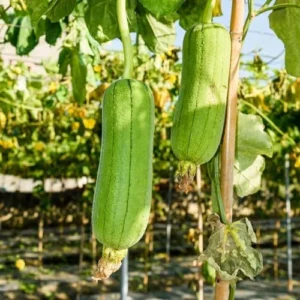
Sold 71 products
Original price was: $73.96.$36.98Current price is: $36.98.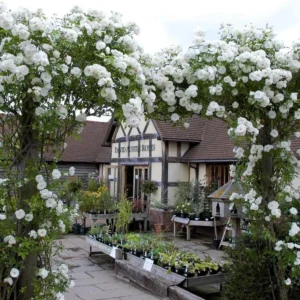
Sold 78 products
Original price was: $53.98.$26.99Current price is: $26.99.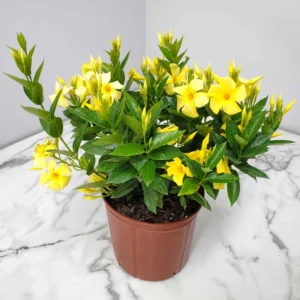
Sold 65 products
Original price was: $130.99.$101.99Current price is: $101.99.
Sold 92 products
Original price was: $114.99.$84.99Current price is: $84.99.
Sold 64 products
Original price was: $71.98.$35.99Current price is: $35.99.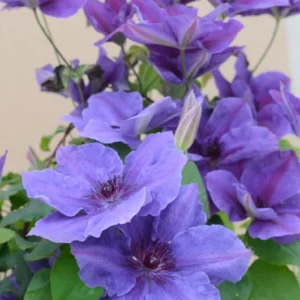
Sold 72 products
Original price was: $59.99.$43.99Current price is: $43.99.


Reviews
There are no reviews yet.