NEED SUPPORT WITH YOUR ORDER? Get in touch
Not satisfied with your purchase?
Enter your Order ID on website, and we'll resolve it right away.

Original price was: $42.99.$23.99Current price is: $23.99.
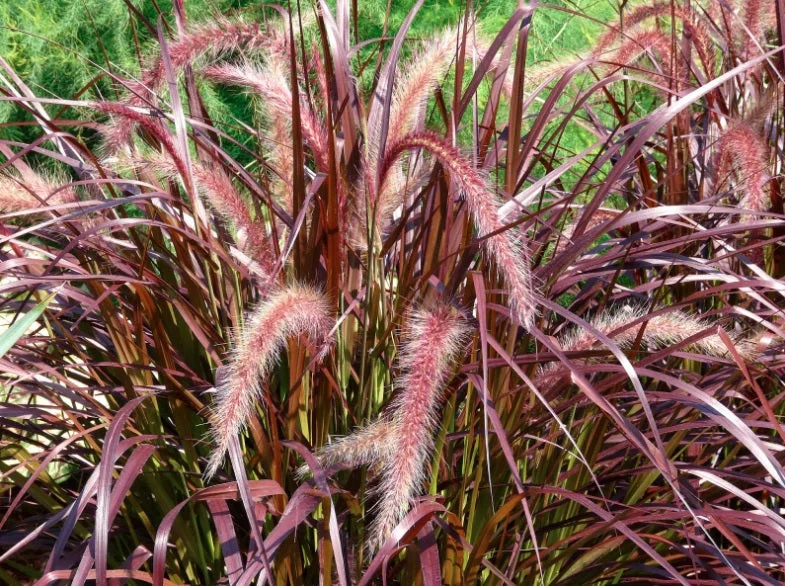
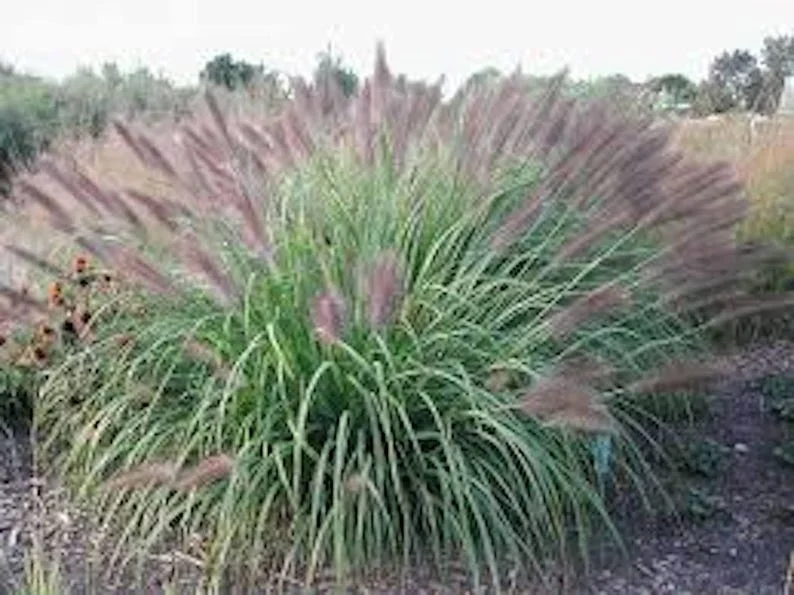
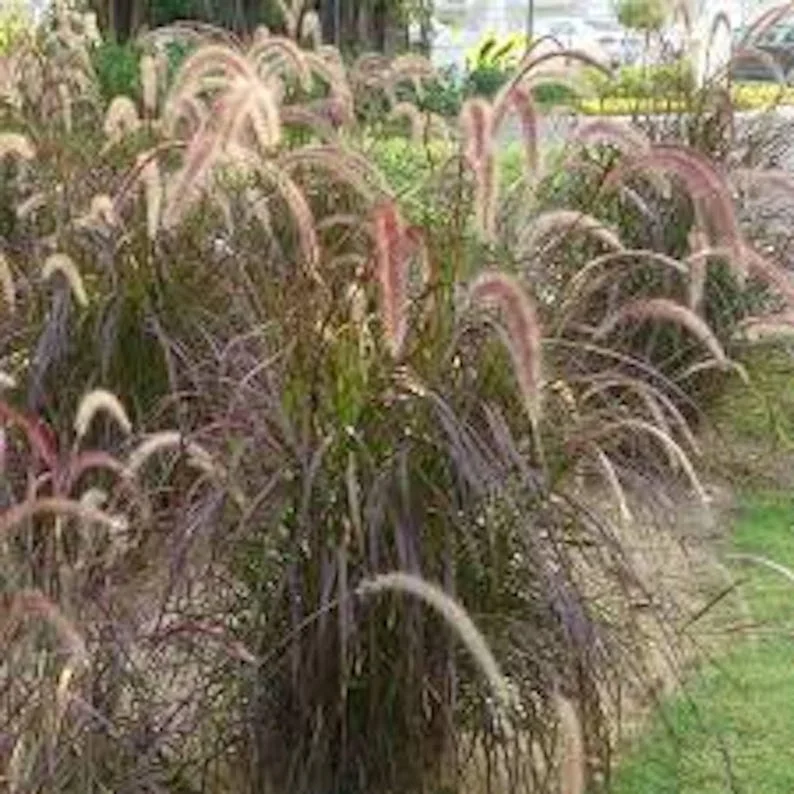
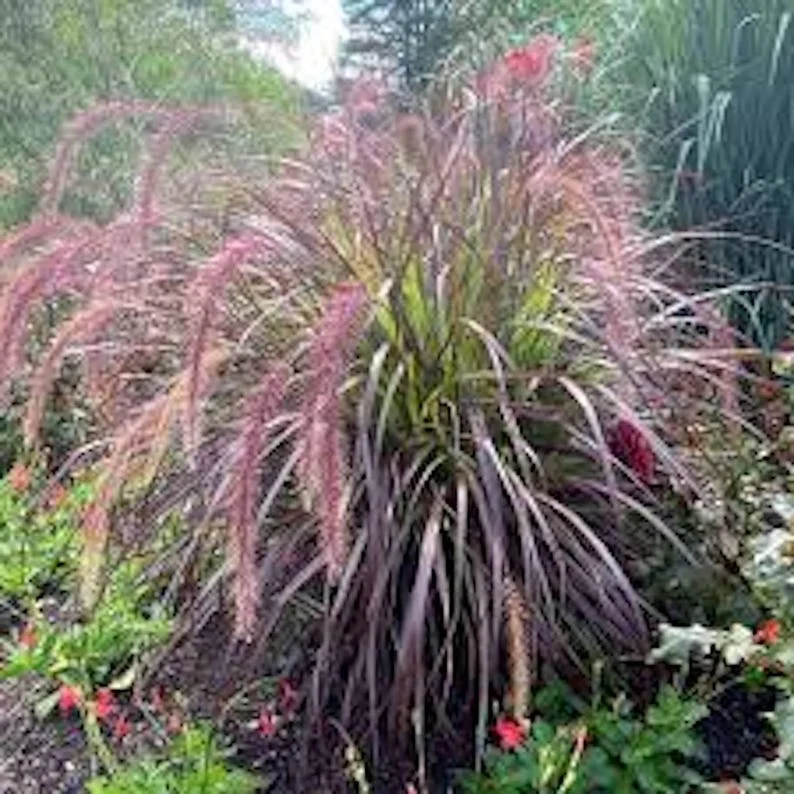
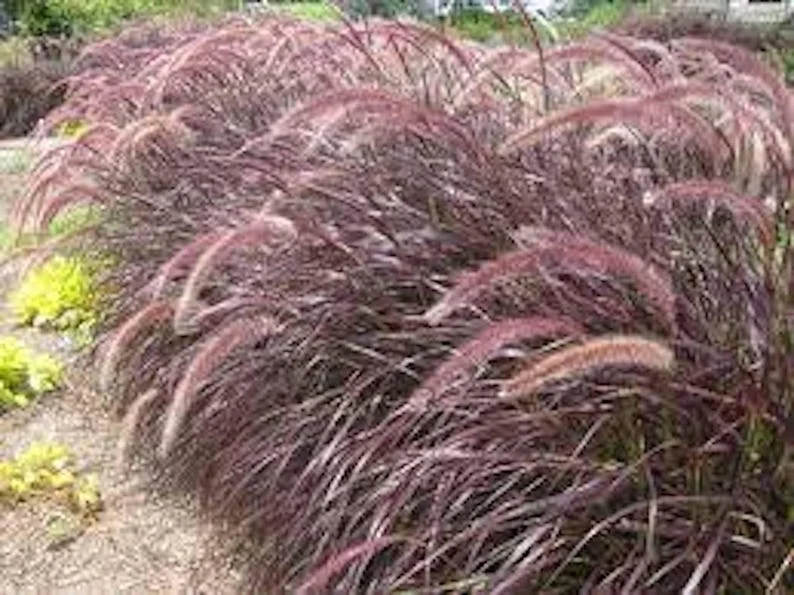
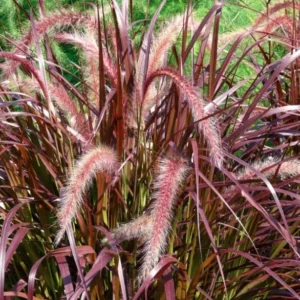
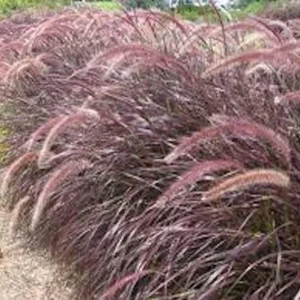
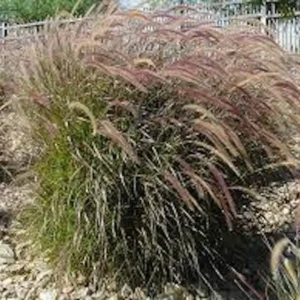
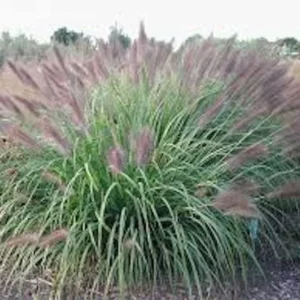
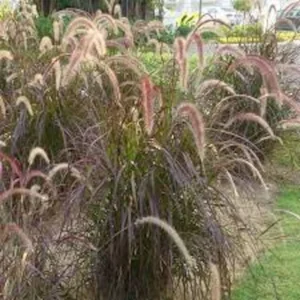
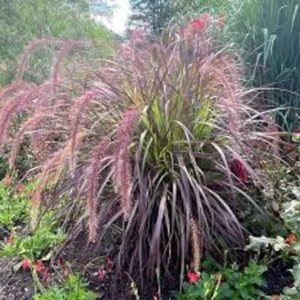
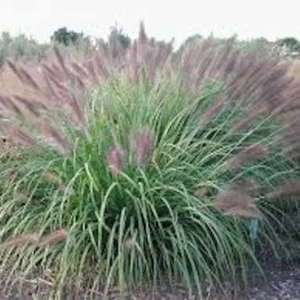
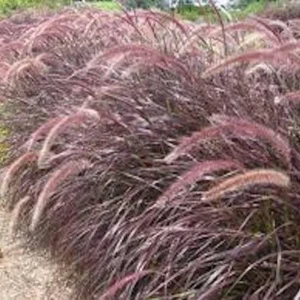
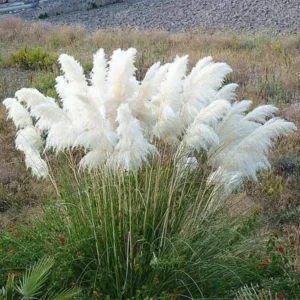
Transform your landscape with a red fountain grass live plant. This striking ornamental perennial, Pennisetum setaceum ‘Rubrum’, offers vibrant burgundy foliage and graceful, feathery plumes. It’s a low-maintenance, drought-tolerant choice that adds continuous visual interest and texture to any garden design.
Feb 04
Feb 09 - Feb 11
Feb 14 - Feb 18
USDA Hardiness Zone
Soil Type
Sunlight Exposure
Expected Planting Period
Shipping and return policies: Our Alive & Thrive Guarantee covers issues with your plants within the first 30 days. Get in touch with us via email, and our team will review your concerns and, if necessary, provide you with a one-time replacement at no cost.
If you're unsure about your hardiness zone, feel free to reach out to us. Our team will answer your questions and help you find the plants that are truly suitable for your environment, climate, and personal preferences.
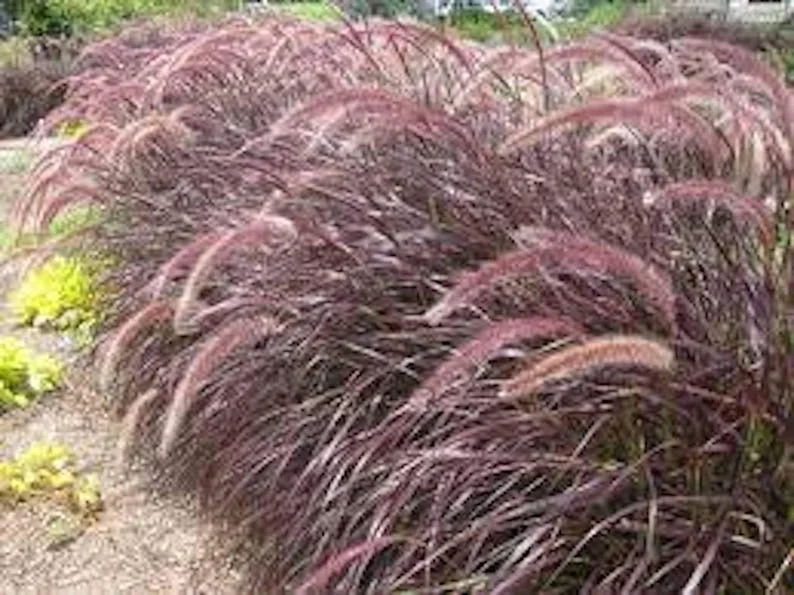
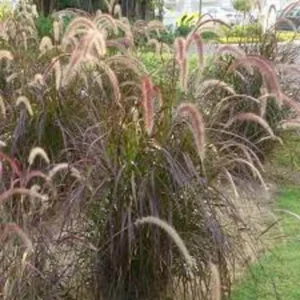
Elevate your outdoor space with a stunning red fountain grass live plant. This ornamental perennial, scientifically known as Pennisetum setaceum ‘Rubrum’, is celebrated for its dramatic burgundy foliage and elegant, feathery flower plumes that sway gracefully in the breeze. A single bare root starter plant is all you need to begin transforming your garden into a captivating landscape, infusing it with natural elegance and dynamic movement. This particular variety, ‘Rubrum’, is highly prized for its intense red-purple coloration, which deepens under full sun conditions, making it a focal point in any design. As a ornamental grass perennial, it returns year after year, providing reliable beauty with minimal fuss.
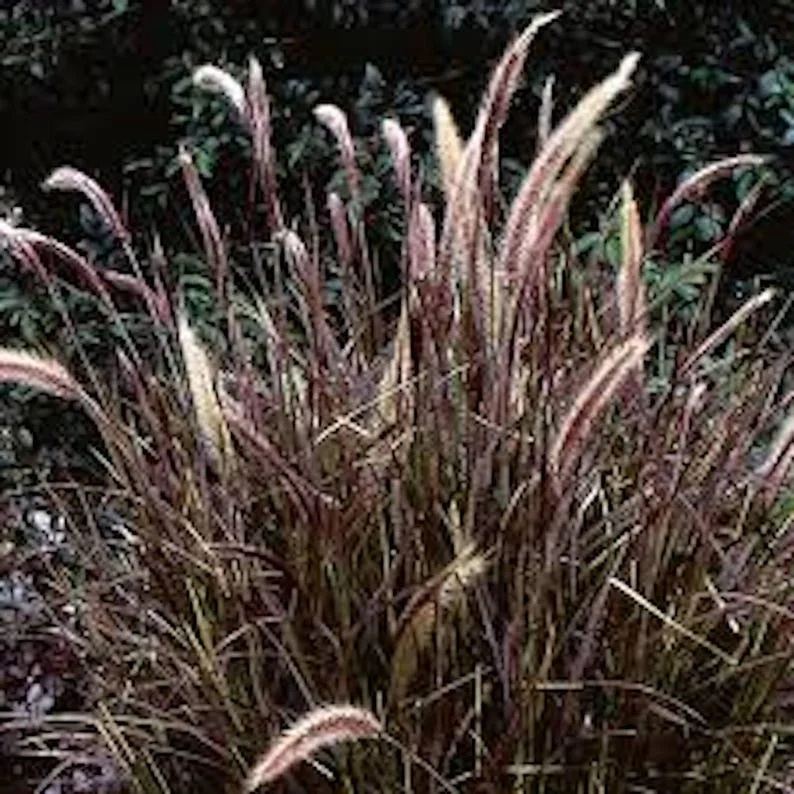
The red fountain grass live plant is an excellent choice for gardeners looking to add unique texture and a rich color palette to their beds, borders, or containers. Its clumping growth habit ensures it maintains a tidy appearance while offering a lush, fountain-like form. Beyond its aesthetic appeal, this plant is also known for its resilience and adaptability, thriving in various garden styles from modern to xeriscape. The soft, pinkish-tan flower spikes that emerge in late summer mature into silvery plumes, extending the plant’s visual interest well into the autumn months, making it a truly versatile and rewarding addition to your garden.
The red fountain grass live plant offers a multitude of advantages that make it a highly desirable addition to any garden. Its unique characteristics provide both aesthetic appeal and practical benefits, enhancing your outdoor living space.
Caring for your red fountain grass live plant is straightforward, ensuring vibrant growth and abundant plumes with just a few key practices. This hardy ornamental grass perennial thrives with adequate sunlight and well-drained soil. For optimal growth and the most intense burgundy color, plant your Pennisetum setaceum Rubrum in a location that receives at least 6 hours of direct sunlight daily. Full sun exposure is crucial for the foliage to develop its deep red to purple hues. While it can tolerate some partial shade, the color may not be as rich, and flowering might be reduced. This plant is known for its resilience, making red fountain grass care relatively easy.
When it comes to watering, the red fountain grass live plant prefers well-drained soil and is highly drought-tolerant once established. Water deeply but infrequently, allowing the soil to dry out completely between waterings. Overwatering, especially in poorly draining soil, can lead to root rot. During prolonged dry spells, occasional deep watering will help maintain its vigor. For soil, a sandy loam or loamy soil with good drainage is ideal. It tolerates a range of soil pH levels but thrives best in neutral to slightly acidic conditions. Fertilization is generally not necessary, as this plant performs well in average garden soil without much additional feeding. If your soil is particularly poor, a balanced, slow-release granular fertilizer can be applied in early spring, but avoid excessive nitrogen, which can lead to lush foliage at the expense of flowering. Understanding red fountain grass care is key to its success.
Pruning is essential for maintaining the health and appearance of your red fountain grass live plant. The best time to prune is in late winter or early spring, just before new growth begins. Cut back the old, dried foliage to a few inches above the ground. This encourages fresh, vigorous shoots and a tidy, attractive form for the upcoming growing season. This plant is generally pest and disease resistant, contributing to its low-maintenance appeal. It is hardy in USDA Zones 9 to 11, meaning it can be grown as a perennial in warmer climates and often as an annual in colder regions where temperatures drop below freezing. If you’re looking for a low-effort, high-impact plant, consider this robust bare root fountain grass.
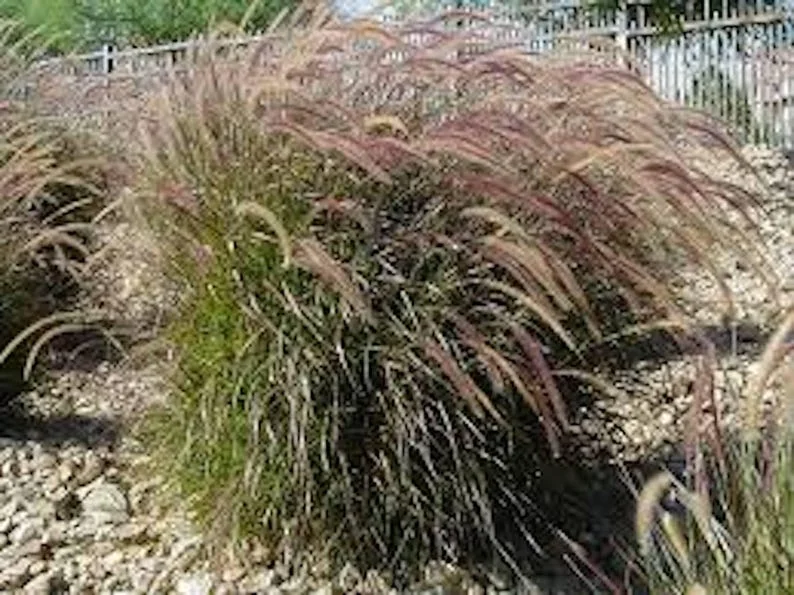
Your red fountain grass live plant will arrive as a bare root starter, ready for planting to establish quickly in your garden. This beautiful ornamental grass typically reaches a mature height of 3 to 4 feet with a similar spread, forming a lush, fountain-like appearance that makes a significant statement in any landscape. Its clumping growth habit ensures it maintains a distinct form, making it an excellent choice for accent plantings or mass displays. The deep red to purple leaves are a consistent feature, intensifying in color when exposed to full sun.
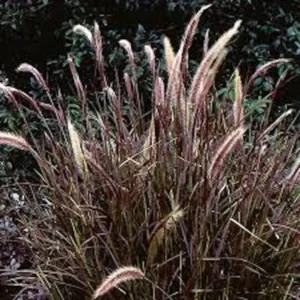
In late summer to early fall, soft pinkish-tan flower spikes emerge, gracefully arching above the foliage. These plumes mature to a silvery hue, providing extended visual interest into the cooler months. The growth rate is moderate, allowing you to enjoy a substantial plant within its first few seasons. This bare root fountain grass offers an economical and effective way to introduce this stunning perennial to your garden, establishing strong roots for long-term health and vibrant display. Expect robust growth and dramatic color from this resilient Pennisetum setaceum Rubrum.
You must be logged in to post a review.
Sold 97 products
Original price was: $142.99.$124.99Current price is: $124.99.
Grasses
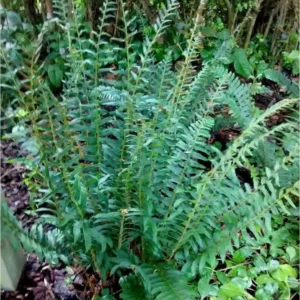
Christmas Fern Bare Root Plants Polystichum Acrostichoides – 15 Count Native Perennial Evergreen
Sold 95 products
Original price was: $55.99.$34.99Current price is: $34.99.
Sold 91 products
Original price was: $42.99.$30.99Current price is: $30.99.
Sold 59 products
Original price was: $45.99.$30.99Current price is: $30.99.
Sold 92 products
Original price was: $35.99.$27.99Current price is: $27.99.
Sold 54 products
Original price was: $120.99.$93.99Current price is: $93.99.
Sold 60 products
Original price was: $69.99.$48.99Current price is: $48.99.
Sold 72 products
Original price was: $50.99.$25.99Current price is: $25.99.
Reviews
There are no reviews yet.