NEED SUPPORT WITH YOUR ORDER? Get in touch
Not satisfied with your purchase?
Enter your Order ID on website, and we'll resolve it right away.

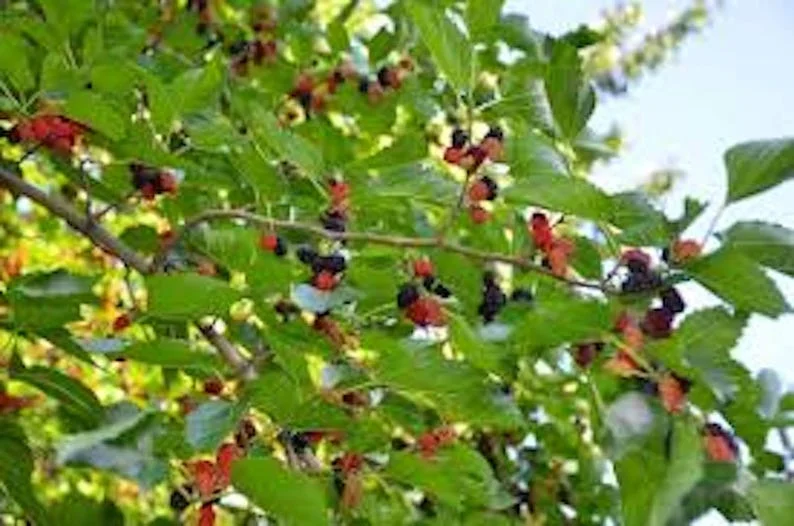
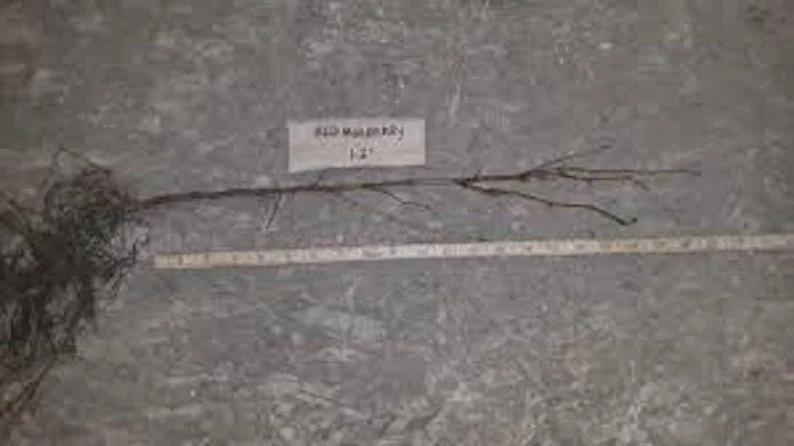
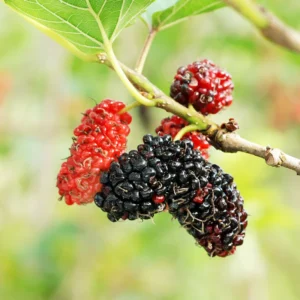
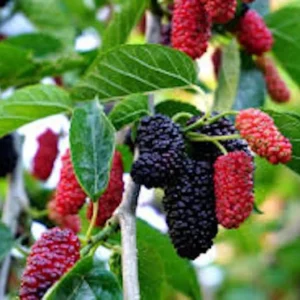
Original price was: $75.99.$59.99Current price is: $59.99.
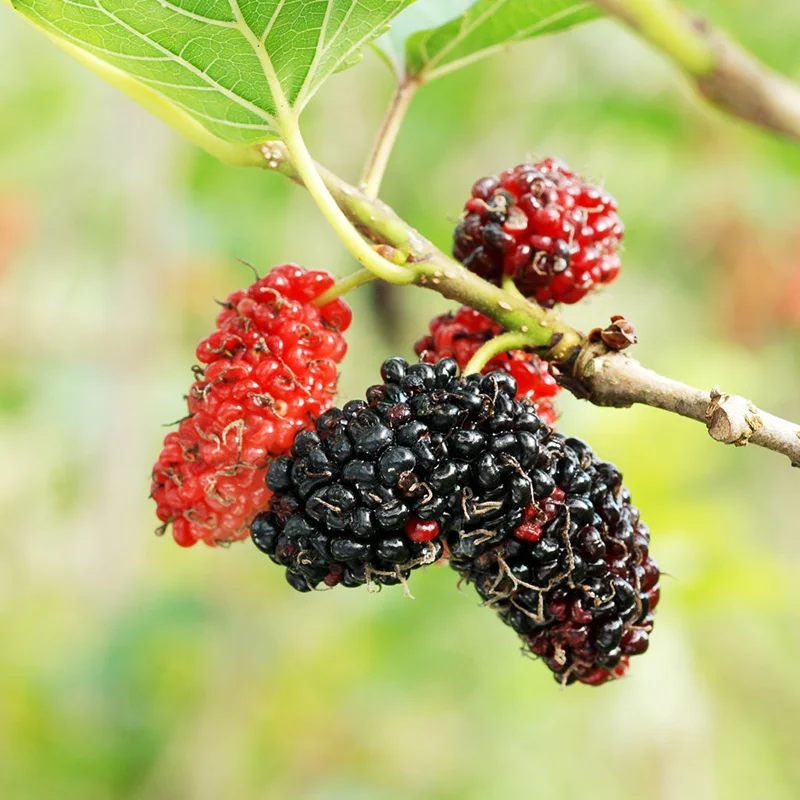
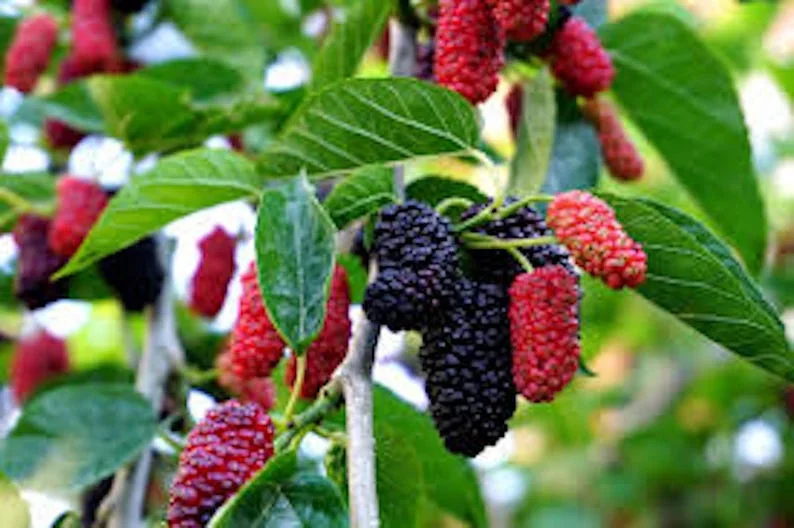
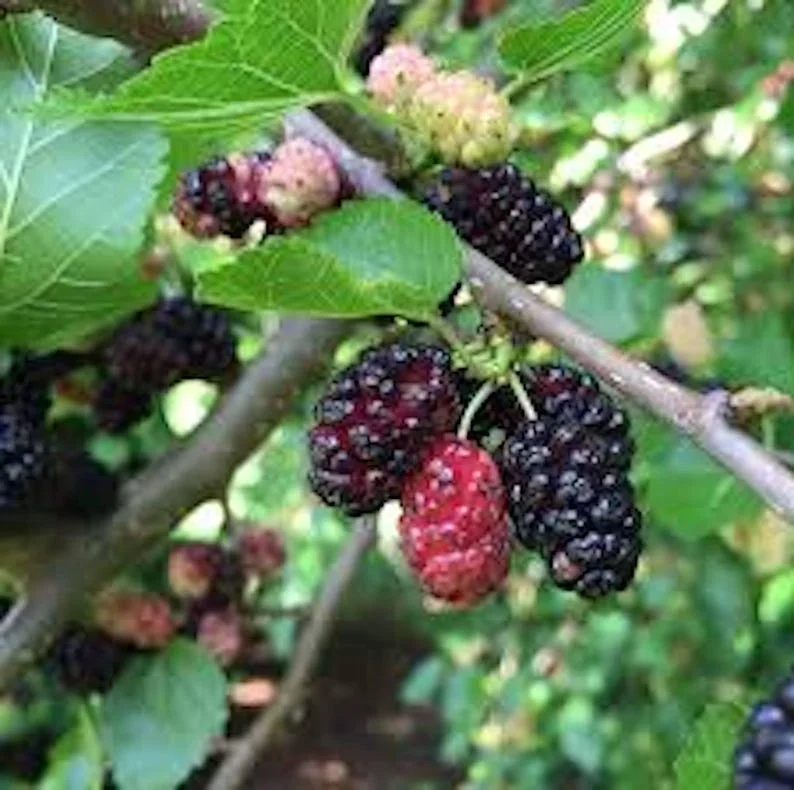
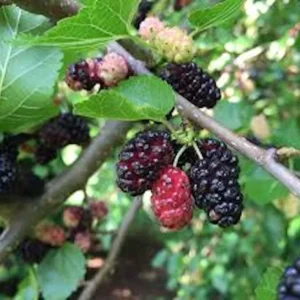
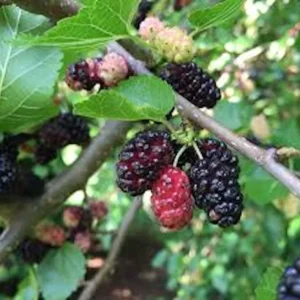
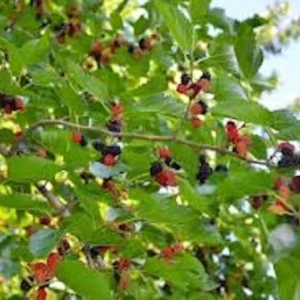
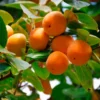
Bring delicious, fresh mulberries to your garden with this red mulberry tree 3-pack. These 12-24 inch bare root fruit tree specimens of Morus rubra are native to North America, easy to grow, and perfect for creating an edible landscape while attracting wildlife.
Mar 06
Mar 11 - Mar 13
Mar 16 - Mar 20
USDA Hardiness Zone
Soil Type
Sunlight Exposure
Expected Planting Period
Shipping and return policies: Our Alive & Thrive Guarantee covers issues with your plants within the first 30 days. Get in touch with us via email, and our team will review your concerns and, if necessary, provide you with a one-time replacement at no cost.
If you're unsure about your hardiness zone, feel free to reach out to us. Our team will answer your questions and help you find the plants that are truly suitable for your environment, climate, and personal preferences.
Cultivate your very own sweet and juicy berries with our red mulberry tree 3-pack. These 12-24 inch bare root specimens of Morus rubra are ready to establish themselves in your garden, transforming your outdoor space into a thriving, productive environment. The red mulberry tree, a native of Eastern North America, is renowned for its delicious and nutritious fruit, making it an excellent choice for any edible landscape or native plant collection. Shipped bare root during dormancy, these resilient trees are carefully selected to ensure a strong start and successful growth, providing you with years of bountiful harvests and natural beauty. Enjoy the simple pleasure of picking fresh mulberries right from your backyard, perfect for snacking, jams, or desserts.
The morus rubra is not only a source of delectable fruit but also a significant contributor to local ecosystems. As a native species, it supports biodiversity by attracting birds and other beneficial wildlife, enhancing the natural appeal of your garden. These robust trees are known for their adaptability and ease of care, thriving in a variety of conditions and requiring minimal maintenance once established. Whether you’re an experienced gardener or just starting your journey, the red mulberry tree offers a rewarding planting experience with its impressive growth and generous fruit production.
Growing a red mulberry tree offers numerous advantages, from providing fresh, organic fruit to enhancing your garden’s ecosystem. These versatile trees are a fantastic addition to any property seeking both aesthetic and practical value.
Caring for your red mulberry tree is straightforward, thanks to its robust and adaptable nature. These trees are excellent choices for gardeners of all experience levels. They thrive in USDA zones 4-8, demonstrating their broad climate tolerance. For optimal growth and fruit production, plant your bare root trees during their dormancy period, typically in late fall after leaves drop or in early spring before new growth begins. This allows the root system to establish itself before the stresses of the growing season.
When it comes to sunlight, the morus rubra prefers full sun, meaning at least 6 hours of direct sunlight per day. While it can tolerate partial shade, fruit production may be reduced in less sunny locations. These trees are highly adaptable to various moist soil types, from loamy to clay, as long as drainage is adequate. Good drainage is crucial to prevent root rot. Once established, red mulberries are relatively drought-tolerant, but consistent moisture during dry spells, especially in their early years, will promote stronger growth. Fertilize in early spring with a balanced, slow-release fertilizer designed for fruit trees to support vigorous growth and abundant fruit.
Pruning is generally minimal, focusing on removing dead, damaged, or crossing branches to maintain a healthy structure and good air circulation. Watch out for common pests like Japanese beetles or diseases such as powdery mildew, though red mulberries are generally quite resistant. With proper care, your native fruit tree will grow into a magnificent specimen, providing shade, beauty, and delicious fruit for many years to come. Remember that a healthy red mulberry tree is a productive one, so consistent monitoring and care will yield the best results.
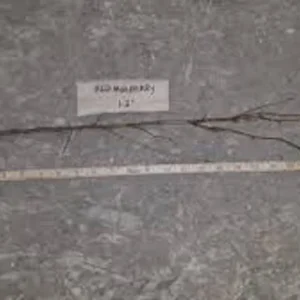
This offering includes a 3-pack of red mulberry tree specimens, each ranging from 12 to 24 inches in height upon arrival. These are shipped as bare root fruit tree during their dormant season, ensuring they are ready for immediate planting and establishment in your garden. During the growing season, they may be shipped potted, depending on the time of year. At maturity, these majestic trees can reach impressive heights of 30-60 feet, providing significant shade and becoming a prominent feature in your landscape. Their growth rate is moderate to fast, allowing you to enjoy their benefits relatively quickly.
The morus rubra typically begins to produce fruit within 3-5 years after planting, with yields increasing as the tree matures. This makes them a rewarding long-term investment for any gardener interested in an edible landscape. Their mature spread can be considerable, so allow ample space for their robust growth. The trees are supplied without a specific pot size, given their bare root nature, but are carefully packaged to minimize transit stress and ensure they arrive in excellent condition for successful planting.
You must be logged in to post a review.
Sold 83 products
Original price was: $259.78.$129.89Current price is: $129.89.
Sold 58 products
Original price was: $67.98.$33.99Current price is: $33.99.
Sold 89 products
Original price was: $256.36.$128.18Current price is: $128.18.
Sold 59 products
Original price was: $45.98.$22.99Current price is: $22.99.
Sold 59 products
Original price was: $99.98.$49.99Current price is: $49.99.
Sold 97 products
Original price was: $59.98.$29.99Current price is: $29.99.
Sold 63 products
Original price was: $55.98.$27.99Current price is: $27.99.
Sold 99 products
Original price was: $59.98.$29.99Current price is: $29.99.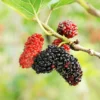

Reviews
There are no reviews yet.