NEED SUPPORT WITH YOUR ORDER? Get in touch
Not satisfied with your purchase?
Enter your Order ID on website, and we'll resolve it right away.



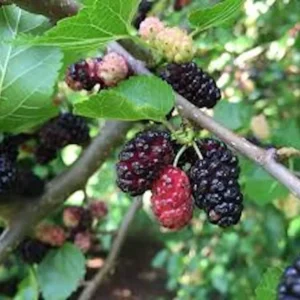
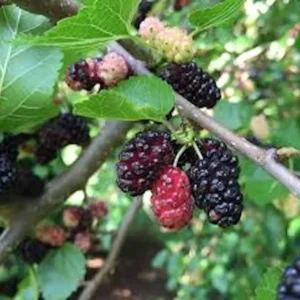
Original price was: $59.99.$30.99Current price is: $30.99.
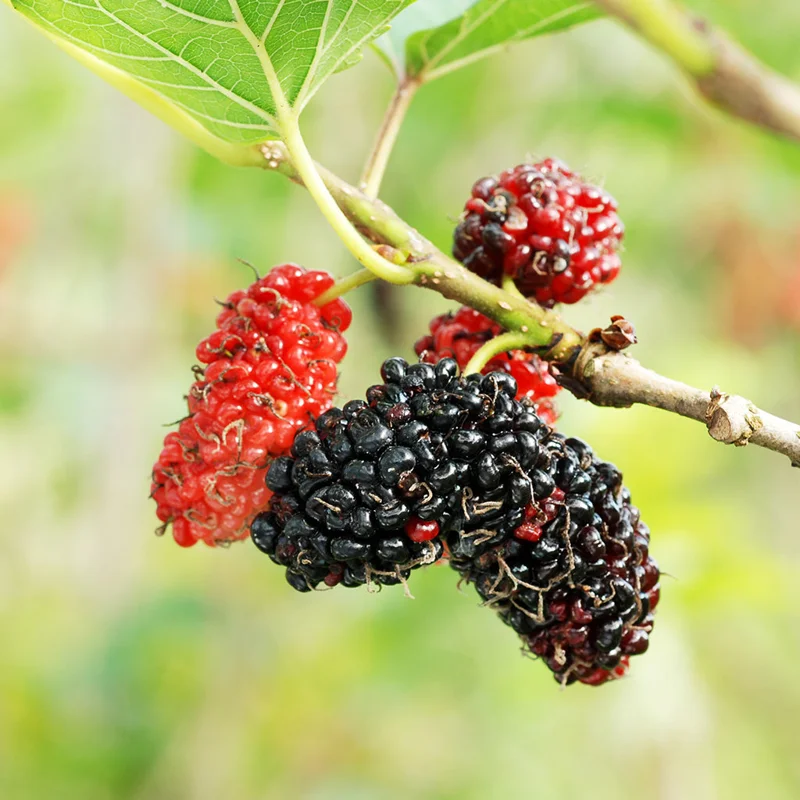
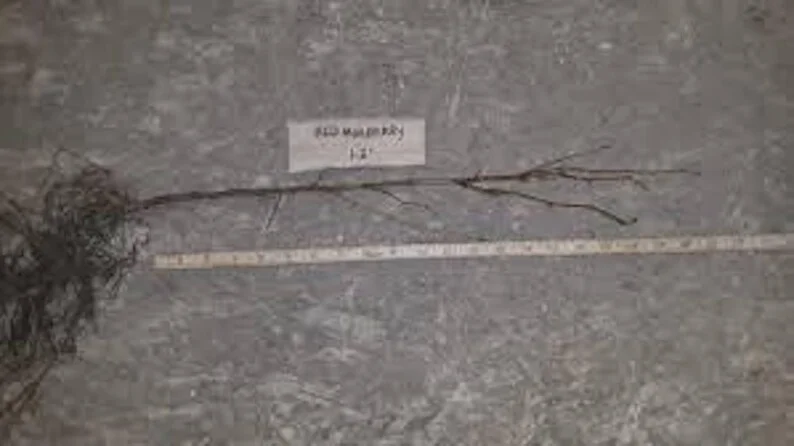
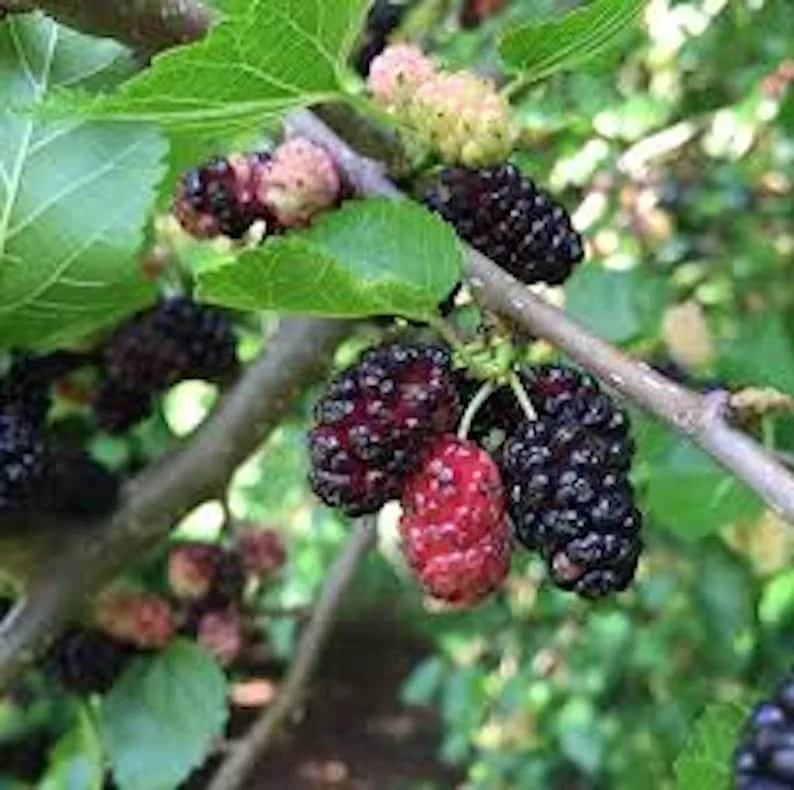
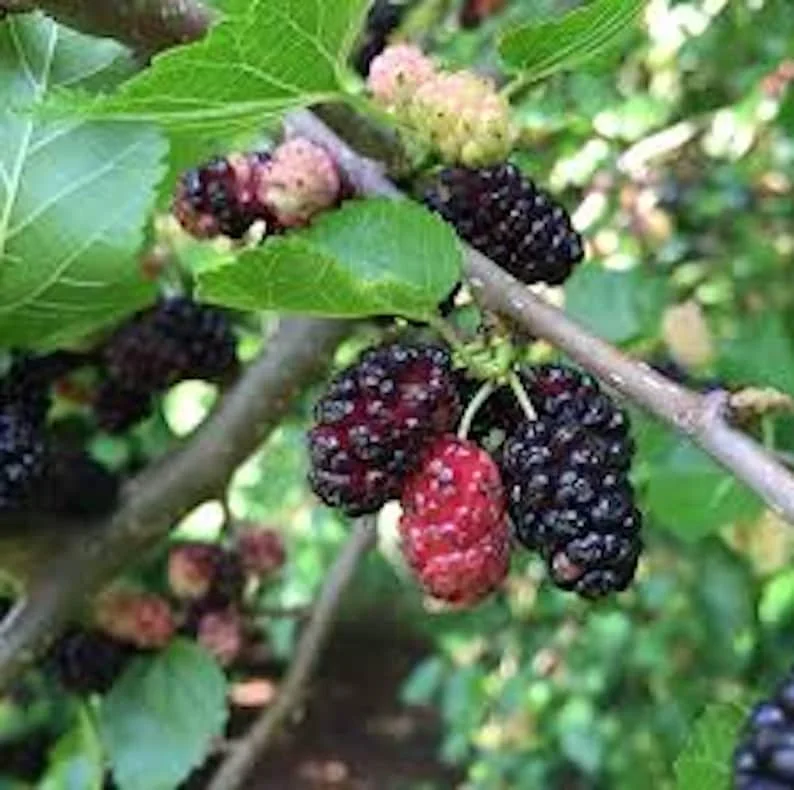
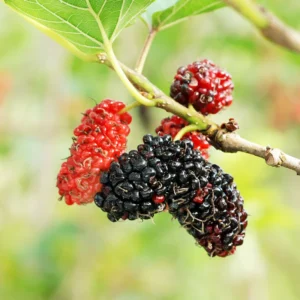
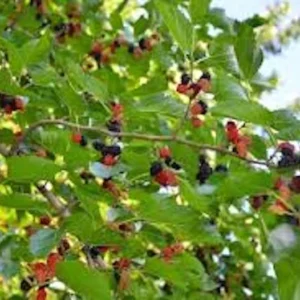
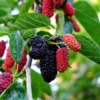
Bring a taste of nature to your backyard with the Red Mulberry Tree (Morus rubra). This robust, bare root fruit tree grows 12-24 inches tall, offering delicious fruit, ample shade, and attracting wildlife. An adaptable native fruit tree for any garden.
Feb 04
Feb 09 - Feb 11
Feb 14 - Feb 18
USDA Hardiness Zone
Soil Type
Sunlight Exposure
Expected Planting Period
Shipping and return policies: Our Alive & Thrive Guarantee covers issues with your plants within the first 30 days. Get in touch with us via email, and our team will review your concerns and, if necessary, provide you with a one-time replacement at no cost.
If you're unsure about your hardiness zone, feel free to reach out to us. Our team will answer your questions and help you find the plants that are truly suitable for your environment, climate, and personal preferences.
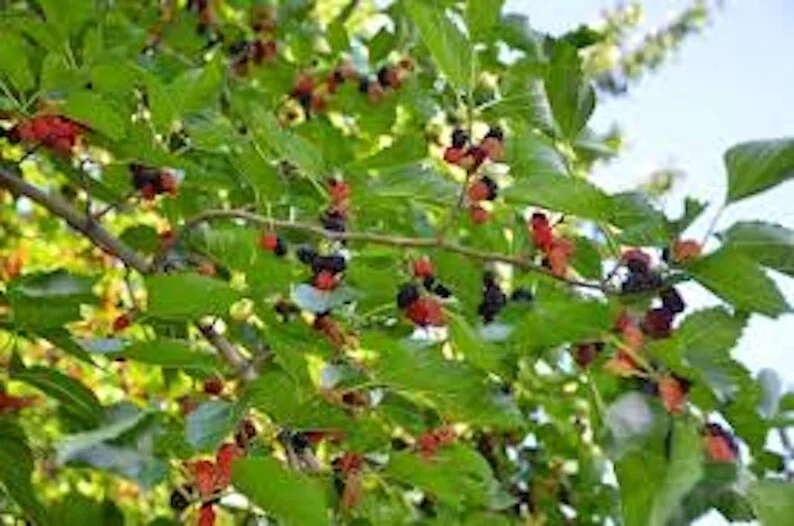
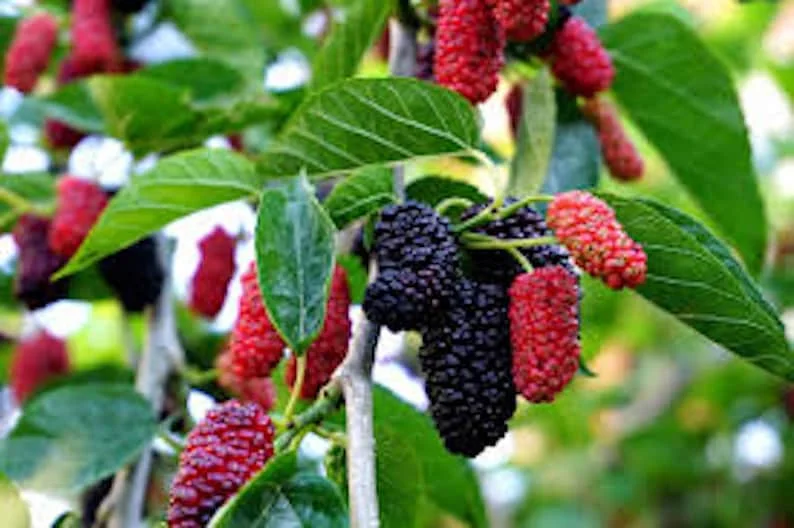
Cultivate your own piece of natural beauty and bounty with a Red Mulberry Tree. This remarkable indigenous fruit tree, scientifically known as Morus rubra, is an outstanding addition to any garden or landscape, providing both aesthetic appeal and practical benefits. Our bare root fruit trees typically arrive at a healthy 12-24 inches tall, perfectly prepared to establish strong roots and flourish in their new environment. The Red Mulberry Tree is celebrated for its exceptional adaptability and resilience, making it an ideal choice for both seasoned gardeners and those new to horticulture. Native to Eastern North America, the Morus rubra thrives in various moist soil conditions, easily spreading its seeds with the help of birds, ensuring its success in nearly any non-arid environment. This versatile tree also contributes significantly to local biodiversity, attracting an array of beneficial wildlife.
The Red Mulberry Tree is a fast-growing species that offers a multitude of benefits beyond its delicious fruit. It adapts well to different climates and soil types, making it a reliable choice for many regions. Whether you’re looking to create a natural habitat, enjoy fresh, homegrown fruit, or simply add a beautiful, shade-providing tree to your property, the Morus rubra is an excellent investment. Its low-maintenance nature ensures that you can enjoy its rewards with minimal fuss, making it a truly rewarding plant to grow.
Beyond its striking appearance, the Red Mulberry Tree offers a wealth of advantages for your home and local ecosystem. It’s not just a plant; it’s an investment in your property’s beauty, your diet, and the environment. Choosing to grow mulberry tree means embracing sustainability and natural abundance.
Caring for your Red Mulberry Tree is straightforward, especially given its resilient nature. For optimal growth and fruit production, understanding its basic needs is key. This bare root fruit tree is designed to establish easily, setting you up for success. While adaptable, a little attention to its environment will yield the best results for your Morus rubra.
Sunlight Requirements: The Red Mulberry Tree thrives best in full sun, meaning it needs at least 6-8 hours of direct sunlight daily for optimal growth and prolific fruit production. While it can tolerate partial shade, too much shade will reduce its fruiting capacity and overall vigor. Choose a planting location that receives ample sunlight throughout the day. Watering Schedule & Soil Moisture: Red Mulberry Trees prefer consistently moist, well-drained soils. During the establishment phase (first 1-2 years), regular watering is crucial, especially during dry spells. Water deeply to encourage deep root growth. Once established, they are more drought-tolerant but will benefit from supplemental watering during extended dry periods. Avoid waterlogged conditions, which can lead to root rot.
Soil Type & Drainage: This native tree is adaptable and can grow in a variety of soil types, including sandy, loamy, and clay soils, as long as they are not arid or excessively dry. However, it truly flourishes in rich, well-drained loamy soils with a slightly acidic to neutral pH (6.0-7.0). Improving heavy clay soils with organic matter can enhance drainage and aeration. Temperature Range & USDA Hardiness Zone: The Red Mulberry Tree is cold-hardy and generally thrives in USDA Zones 4-9. It can withstand a broad range of temperatures, making it suitable for many temperate climates. Protection from extreme winter winds might be beneficial for young trees in the colder zones. Fertilization: Young trees benefit from a balanced, slow-release fertilizer in early spring as new growth emerges. Once mature and fruiting, a yearly application of compost around the base of the tree can provide sufficient nutrients. Avoid over-fertilizing, which can promote leafy growth at the expense of fruit production. Consistent care will ensure your grow mulberry tree flourishes.
Your Red Mulberry Tree (Morus rubra) will arrive as a healthy bare root fruit tree, typically measuring between 12 to 24 inches tall. This size is ideal for planting, allowing the tree to quickly establish its root system in its new environment. These trees are carefully prepared for shipment during their dormant period to ensure they arrive in the best possible condition, ready for planting. During the active growing season, they may be shipped in a pot. The Red Mulberry is a medium to fast-growing tree, and you can expect it to begin producing delicious fruit within 3-5 years after planting, depending on care and growing conditions.
At maturity, a Red Mulberry Tree can reach an impressive height of 30-60 feet (9-18 meters) with a spread of 20-40 feet, creating a substantial canopy for shade. Its robust growth habit makes it a prominent and long-lasting feature in the landscape, offering beauty and bounty for many years. The initial size of 12-24 inches provides a manageable starting point for planting and nurturing this magnificent native fruit tree.
You must be logged in to post a review.
Sold 63 products
Original price was: $59.92.$29.96Current price is: $29.96.
Sold 72 products
Original price was: $48.98.$24.49Current price is: $24.49.
Sold 80 products
Original price was: $99.98.$49.99Current price is: $49.99.
Sold 71 products
Original price was: $69.98.$34.99Current price is: $34.99.
Sold 69 products
Original price was: $99.98.$49.99Current price is: $49.99.
Sold 78 products
Original price was: $67.98.$33.99Current price is: $33.99.
Sold 62 products
Original price was: $257.98.$128.99Current price is: $128.99.
Sold 79 products
Original price was: $371.98.$185.99Current price is: $185.99.
Reviews
There are no reviews yet.