NEED SUPPORT WITH YOUR ORDER? Get in touch
Not satisfied with your purchase?
Enter your Order ID on website, and we'll resolve it right away.

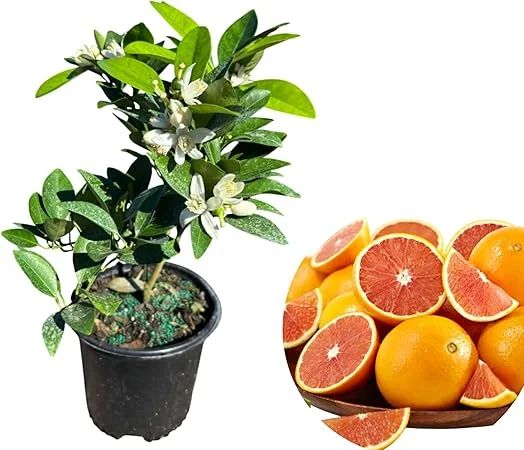
Original price was: $125.00.$105.00Current price is: $105.00.
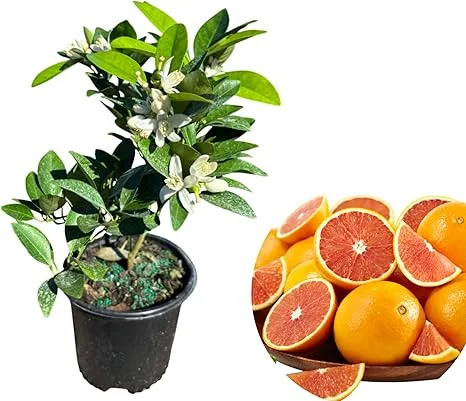
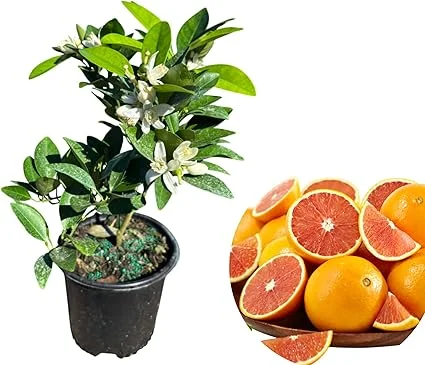
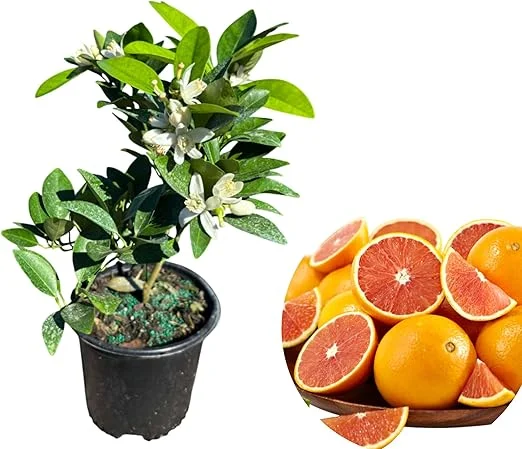
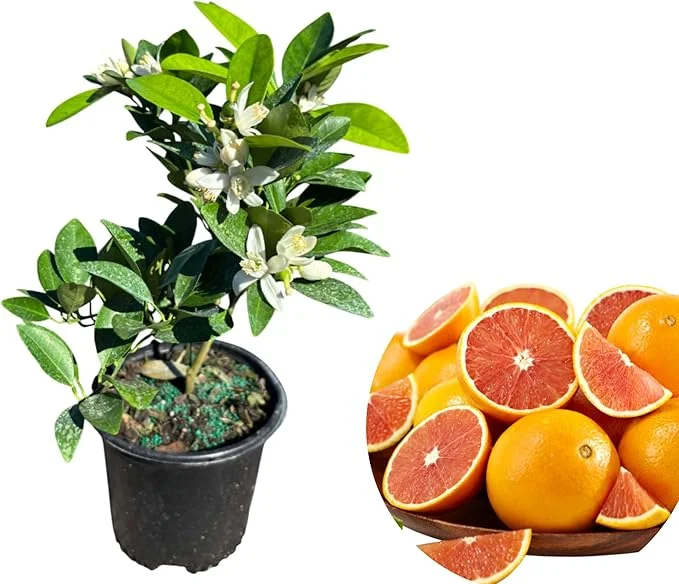
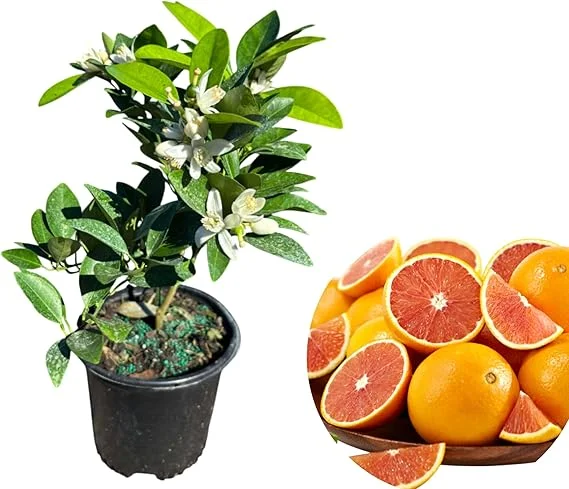
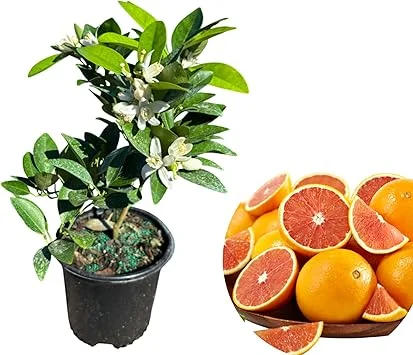
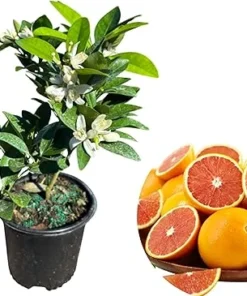
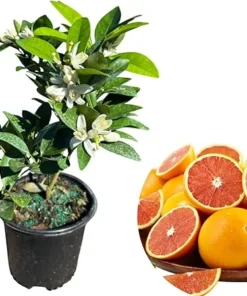
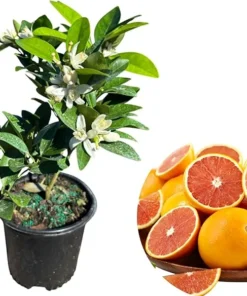
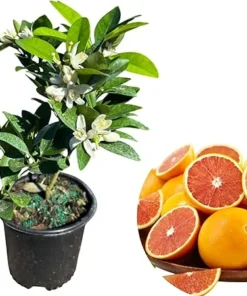
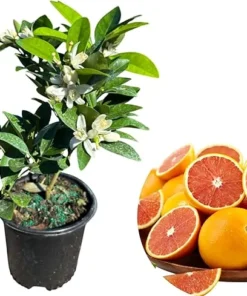
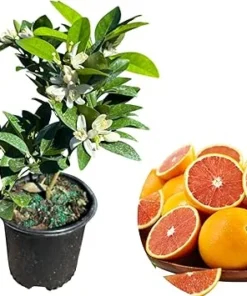
Cultivate your own sweet and juicy red navel oranges! This red navel orange live plant arrives as a 1-foot tall fruit tree in a 1-gallon pot, ready for outdoor planting. Enjoy fresh citrus right from your garden with this vibrant dwarf orange tree.
Feb 08
Feb 13 - Feb 15
Feb 18 - Feb 22
USDA Hardiness Zone
Soil Type
Sunlight Exposure
Expected Planting Period
Shipping and return policies: Our Alive & Thrive Guarantee covers issues with your plants within the first 30 days. Get in touch with us via email, and our team will review your concerns and, if necessary, provide you with a one-time replacement at no cost.
If you're unsure about your hardiness zone, feel free to reach out to us. Our team will answer your questions and help you find the plants that are truly suitable for your environment, climate, and personal preferences.
Bring the joy of home-grown citrus to your garden with this exquisite red navel orange live plant. This beautiful citrus tree, grown for its delicious and vibrant fruit, is shipped as a healthy 1-foot tall specimen in a convenient 1-gallon nursery pot, making it perfect for direct planting in your outdoor space. The red navel orange is renowned for its sweet, seedless, and easy-to-peel fruit, featuring a distinctive blush of red in its flesh. Perfect for both experienced gardeners and enthusiastic beginners, this red navel orange live plant offers a rewarding growing experience, culminating in bountiful harvests of juicy, flavorful oranges. Imagine plucking fresh, sun-ripened fruit from your very own citrus tree outdoor, adding a touch of Mediterranean charm to your landscape.
This particular variety of orange tree is known for its robust growth and ornamental appeal, with glossy green foliage that provides an attractive backdrop to the developing fruit. Whether you’re looking to start a small home orchard or simply wish to enjoy fresh, organic produce, this red navel orange live plant is an excellent choice. It’s a fantastic way to ensure you have a constant supply of vitamin C-rich fruit, perfect for snacking, juicing, or culinary creations. Invest in a long-lasting source of beauty and nutrition for your garden with this exceptional fruit-bearing tree.
The red navel orange live plant offers a multitude of benefits for any gardener, from the sheer delight of fresh fruit to its aesthetic appeal in the landscape. Cultivating your own citrus provides a unique connection to nature and a source of healthy, delicious produce.
Caring for your red navel orange live plant is straightforward, ensuring a healthy tree and a bountiful harvest of delicious fruit. Providing the right conditions from the start will promote vigorous growth and fruit production. For optimal health, ensuring your dwarf orange tree receives adequate sunlight and proper watering is crucial.
Sunlight: Red navel orange live plant thrives in full sun, requiring at least 6–8 hours of direct sunlight daily. Choose a planting location in your garden that receives ample sun exposure throughout the day. In regions with intense summer heat, some afternoon shade can be beneficial to prevent leaf scorch, but generally, more sun equals more fruit. Watering: Moderate watering is key for healthy citrus. Keep the soil consistently moist but never waterlogged. Water more frequently during dry periods, especially when the tree is flowering and fruiting. Allow the top inch or two of soil to dry out slightly between waterings. Deep watering encourages a strong root system. Soil: Plant your red navel orange live plant in well-drained, loamy or sandy soil. Citrus trees dislike heavy clay soils that retain too much moisture. If your soil is poor, amend it with organic matter to improve drainage and fertility. A slightly acidic to neutral pH (6.0-7.0) is ideal for navel orange tree care. Temperature & Hardiness Zones: This citrus tree is hardy in USDA Zones 9-11. It prefers warm temperatures and should be protected from frost. If you live in a colder zone, consider growing it in a large container that can be moved indoors during winter. Fertilization: Feed your citrus tree outdoor with a specialized citrus fertilizer according to package directions, typically every 1-3 months during the growing season (spring through fall). Look for fertilizers rich in nitrogen, potassium, and micronutrients like iron, zinc, and manganese.
Pruning: Prune your red navel orange live plant to maintain its shape, remove dead or diseased branches, and improve air circulation. The best time to prune is after the fruit harvest. Avoid heavy pruning, as it can reduce fruit production for the following season. Pest & Disease Control: Regularly inspect your tree for common citrus pests like aphids, scale, and spider mites. Treat with insecticidal soap or horticultural oil as needed. Ensure good air circulation to prevent fungal diseases. Proper growing red navel oranges involves vigilant observation and timely intervention.
This red navel orange live plant is provided as a healthy, actively growing specimen, approximately 1 foot tall when shipped. It arrives securely rooted in a 1-gallon nursery pot, ensuring minimal transplant shock and a strong start in your garden. The tree typically grows to a mature height of 10 to 20 feet if planted in the ground, developing a classic, rounded citrus tree form. Its glossy green foliage adds significant aesthetic value. While it will begin producing fruit within a few years of planting, the most abundant harvests are typically seen once the tree is established, usually within 3-5 years. This dwarf orange tree, though capable of significant height, can also be kept smaller with regular pruning, making it suitable for larger containers on patios in colder climates where it can be brought indoors.
The robust root system developed in the 1-gallon pot provides a solid foundation for growth. The fruit itself is round with smooth skin, maturing to a vibrant orange with the characteristic red blush on the inside. Expect to enjoy the sweet, seedless fruit during the late fall and winter months, depending on your specific climate. This plant is an excellent choice for anyone interested in growing red navel oranges at home, providing both ornamental beauty and delicious, fresh produce.
You must be logged in to post a review.
Sold 92 products
Original price was: $53.98.$26.99Current price is: $26.99.
Sold 83 products
Original price was: $58.58.$29.29Current price is: $29.29.
Sold 54 products
Original price was: $73.98.$36.99Current price is: $36.99.
Sold 72 products
Original price was: $78.99.$48.99Current price is: $48.99.
Sold 84 products
Original price was: $57.98.$28.99Current price is: $28.99.
Sold 59 products
Original price was: $57.98.$28.99Current price is: $28.99.
Sold 100 products
Original price was: $99.98.$49.99Current price is: $49.99.
Sold 88 products
Original price was: $73.98.$36.99Current price is: $36.99.
Reviews
There are no reviews yet.