NEED SUPPORT WITH YOUR ORDER? Get in touch
Not satisfied with your purchase?
Enter your Order ID on website, and we'll resolve it right away.

Original price was: $125.00.$105.00Current price is: $105.00.
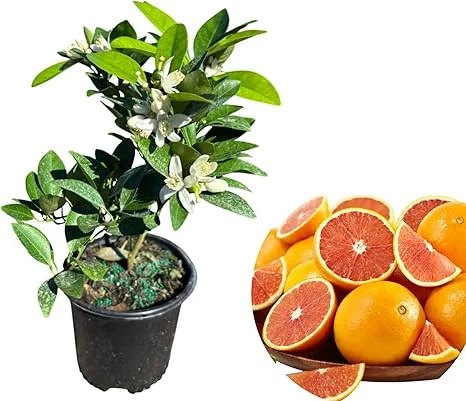
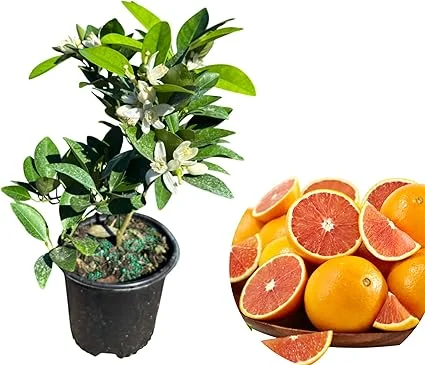
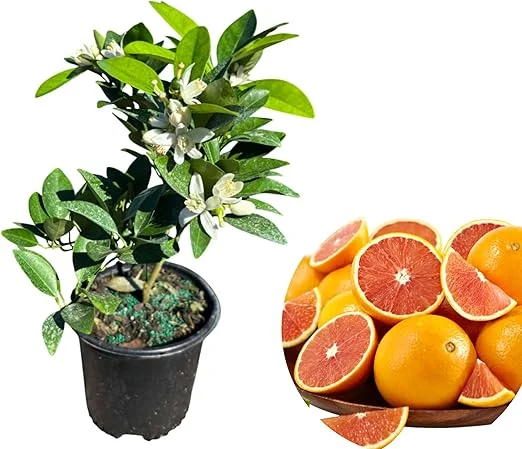
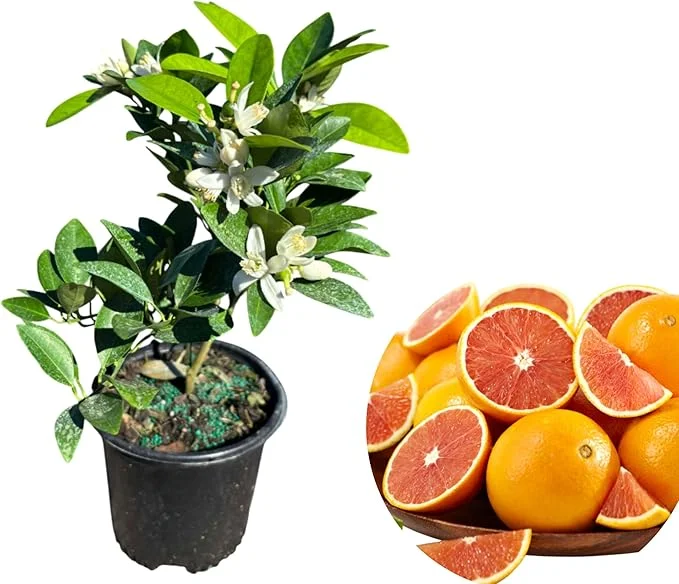
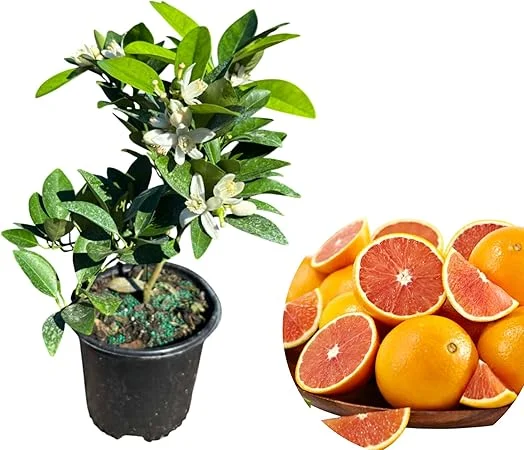
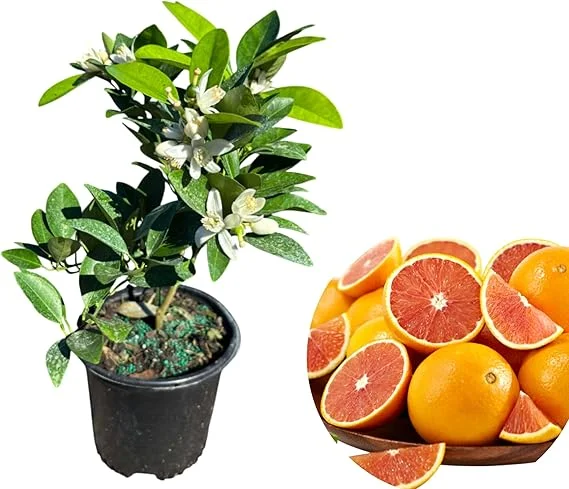
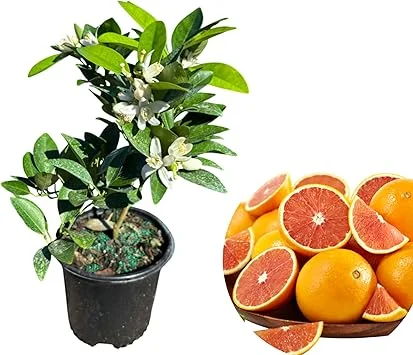
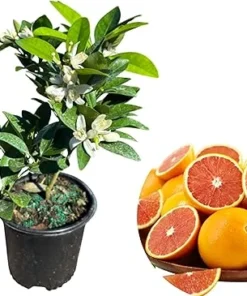
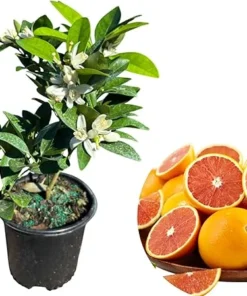
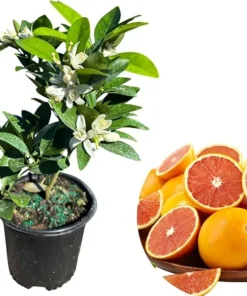
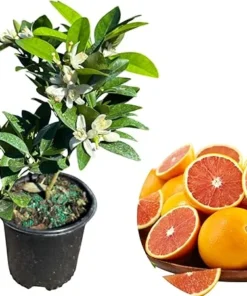
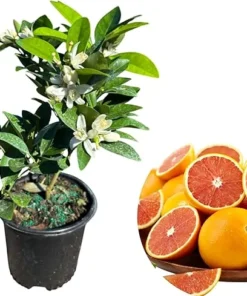
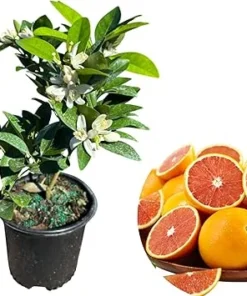
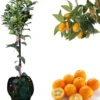
Cultivate your own sweet and juicy red navel oranges with this vibrant red navel orange plant. Arriving 1 foot tall in a 1-gallon pot, this live orange tree is ready for outdoor planting and will bring a touch of the tropics to your garden. Ideal for home growers seeking fresh citrus.
Feb 04
Feb 09 - Feb 11
Feb 14 - Feb 18
USDA Hardiness Zone
Soil Type
Sunlight Exposure
Expected Planting Period
Shipping and return policies: Our Alive & Thrive Guarantee covers issues with your plants within the first 30 days. Get in touch with us via email, and our team will review your concerns and, if necessary, provide you with a one-time replacement at no cost.
If you're unsure about your hardiness zone, feel free to reach out to us. Our team will answer your questions and help you find the plants that are truly suitable for your environment, climate, and personal preferences.
Embark on a rewarding gardening journey with the exquisite red navel orange plant. This vibrant citrus variety offers not only the joy of growing your own fruit but also adds significant aesthetic appeal to your outdoor space. Known for its distinctive red-blushed skin and sweet, juicy, seedless flesh, the red navel orange is a culinary delight. Your plant arrives as a healthy, thriving specimen, approximately 1 foot tall and established in a 1-gallon pot, making it perfectly sized for planting. This live orange tree is an excellent choice for gardeners looking to cultivate fresh, homegrown citrus, providing both beautiful foliage and delicious fruit for years to come. With proper care, this tree will flourish, transforming your garden into a fruitful oasis.
Growing your own red navel oranges means you have fresh, organic fruit right at your fingertips. These adaptable trees thrive in warm climates and can be a stunning focal point in any garden, patio, or even as a container plant in regions with colder winters where they can be moved indoors. The glossy green leaves provide a lush backdrop, and the fragrant white blossoms that precede the fruit are an added bonus, attracting beneficial pollinators to your garden. This particular variety offers a unique twist on the classic navel orange, with its appealing red hues and exceptional flavor profile.
Integrating a red navel orange plant into your landscape offers a multitude of advantages, from fresh fruit to enhancing your garden’s beauty. Discover the key benefits of cultivating this wonderful citrus tree:
Homegrown Freshness: Enjoy the unparalleled taste of oranges picked directly from your own live orange tree. These red navel oranges are known for their sweet, juicy, and seedless qualities, perfect for snacking, juicing, or culinary creations.
Stunning Garden Addition: With its glossy evergreen foliage, fragrant white flowers, and colorful fruit, this tree provides year-round visual interest and a tropical feel to any outdoor setting. It’s a beautiful ornamental as well as a productive plant.
Rich in Nutrients: Freshly harvested oranges are packed with Vitamin C and other essential nutrients, contributing to a healthy diet. Growing your own ensures you have access to nutrient-dense fruit.
Fragrant Blooms: The white blossoms produced by the red navel orange plant are highly aromatic, releasing a delightful citrus scent that will perfume your garden and attract pollinators like bees.
Educational Experience: Growing citrus can be a fascinating and educational experience for all ages, teaching about plant life cycles, pollination, and sustainable food sources.
Pest Resistance: While no plant is entirely pest-free, citrus trees, including this variety, generally exhibit good resistance to common garden pests when properly cared for, making navel orange care manageable.
Long-Term Harvest: A well-cared-for outdoor fruit tree can provide abundant harvests for many years, offering a sustainable source of delicious fruit.
Proper navel orange care is essential to ensure your red navel orange plant thrives and produces a bountiful harvest. These trees are relatively easy to care for once established, but understanding their specific needs is key. They flourish in conditions that mimic their native subtropical environment, requiring attention to sunlight, water, and soil.
For optimal growth and fruit production, your live orange tree requires at least 6-8 hours of direct sunlight daily. Choose a location in your garden that receives full sun exposure throughout the day. In extremely hot climates, some afternoon shade can be beneficial to prevent leaf scorch. When it comes to watering, moderate watering is best. The goal is to keep the soil consistently moist but never waterlogged. Water more frequently during dry periods and especially during the fruiting season. Young trees will require more consistent moisture to establish their root systems. Always check the top few inches of soil before watering; if it feels dry, it’s time to water again. Ensure good drainage to prevent root rot.
The ideal soil for a red navel orange plant is well-drained, loamy, or sandy. Citrus trees do not tolerate heavy, clay-like soils that retain too much moisture. If your garden soil is heavy, amend it with organic matter like compost or sand to improve drainage. These trees thrive in USDA Hardiness Zones 9-11, where they can be grown outdoors year-round. If you live in a colder climate, consider growing your orange tree in a large container that can be moved indoors during winter months to protect it from frost. Fertilize your orange tree with a specialized citrus fertilizer according to the product’s instructions, typically in late winter, spring, and summer, to support vigorous growth and fruit development. Regular pruning to remove dead or crossing branches and to maintain an open canopy will also promote better air circulation and fruit quality. Protecting your young tree from strong winds can also aid its establishment. Understanding growing citrus needs will lead to a healthy, productive tree.
This red navel orange plant arrives as a vibrant, young specimen, approximately 1 foot tall, and is carefully rooted in a 1-gallon nursery pot. This size is ideal for transplanting directly into your garden or a larger container. As an outdoor fruit tree, it has the potential to grow significantly, typically reaching heights of 10 to 20 feet when mature, depending on growing conditions and pruning. The tree features glossy green foliage and, with proper care, will begin to produce round, smooth-skinned red navel oranges. While the initial growth rate is moderate, once established, the tree will grow steadily towards its mature size. Expect to see fruit production begin within a few years of planting, with increasing yields as the tree matures.
The tree’s mature spread can also reach 10-15 feet, so selecting an appropriate planting location is crucial to allow for its full development. The 1-gallon pot ensures the root system is well-developed and ready for its new home, providing a strong foundation for future growth. This resilient citrus variety is a long-lived plant, offering decades of enjoyment and delicious harvests. For those interested in growing citrus, this plant provides a fantastic starting point. The tree’s dimensions on arrival are approximately 8 x 8 x 30 inches, representing the plant within its container.
Q: How big does this plant get? A: This red navel orange plant typically grows between 10 to 20 feet tall at maturity when planted in the ground. Its spread can also reach 10-15 feet, so ensure it has ample space to grow.
Q: What size pot does it come in? A: The plant arrives approximately 1 foot tall and is established in a 1-gallon nursery pot, ready for transplanting into a larger container or directly into your garden.
Q: Is this an indoor or outdoor plant? A: This is primarily an outdoor fruit tree that thrives in full sun. In USDA Zones 9-11, it can be grown outdoors year-round. In colder climates, it can be grown in a container and moved indoors during winter.
Q: How much sunlight does it need? A: A red navel orange plant requires full sun exposure, meaning at least 6-8 hours of direct sunlight daily, for optimal growth and fruit production.
Q: Is this plant easy to care for? A: Yes, with consistent navel orange care regarding watering, sunlight, and proper soil, this plant is relatively easy to care for. It’s a great choice for gardeners with some experience or those willing to learn about citrus care.
Q: What condition will it arrive in? A: Your live orange tree will arrive healthy and well-packaged, approximately 1 foot tall in its 1-gallon pot, with its root system intact and ready for planting.
Q: How long until it produces fruit? A: While this is a young tree, with proper care, you can typically expect your red navel orange plant to start producing fruit within 2-4 years after planting, with yields increasing as the tree matures.
Q: What’s the minimum temperature this tree can tolerate? A: This orange tree is hardy in USDA Zones 9-11. It can tolerate temperatures down to about 25-30°F for short periods, but sustained freezing temperatures will require protection or moving the plant indoors.
Q: What kind of soil does it prefer? A: It thrives in well-drained, loamy or sandy soil. Good drainage is crucial to prevent root issues, which is a key aspect of successful growing citrus.
Q: Can I grow this in a container? A: Yes, this red navel orange plant can be successfully grown in a large container, especially beneficial for those in colder climates who need to bring the tree indoors during winter. Ensure the container has excellent drainage.
You must be logged in to post a review.
Sold 98 products
Original price was: $72.99.$52.99Current price is: $52.99.
Sold 56 products
Original price was: $38.80.$19.40Current price is: $19.40.
Sold 97 products
Original price was: $64.99.$34.99Current price is: $34.99.
Sold 97 products
Original price was: $57.98.$28.99Current price is: $28.99.
Sold 53 products
Original price was: $39.98.$19.99Current price is: $19.99.
Sold 99 products
Original price was: $89.99.$57.99Current price is: $57.99.
Sold 76 products
Original price was: $78.99.$48.99Current price is: $48.99.
Sold 80 products
Original price was: $57.98.$28.99Current price is: $28.99.

Reviews
There are no reviews yet.