NEED SUPPORT WITH YOUR ORDER? Get in touch
Not satisfied with your purchase?
Enter your Order ID on website, and we'll resolve it right away.

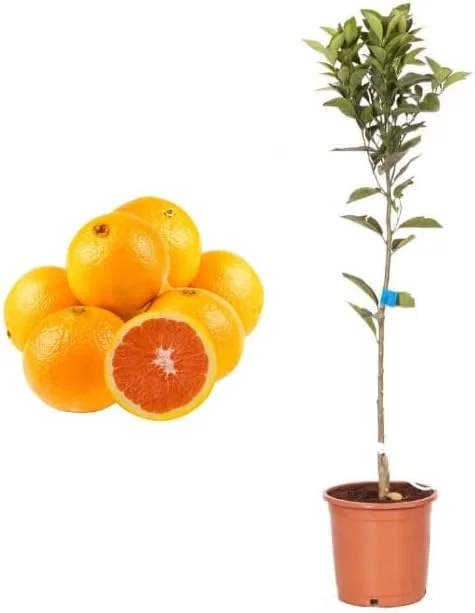
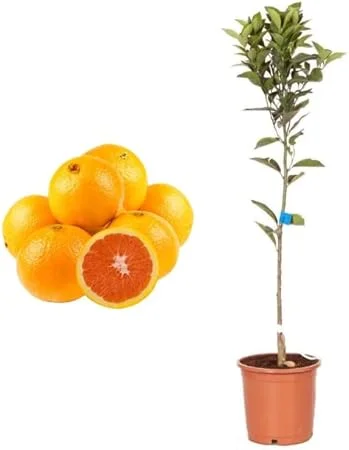
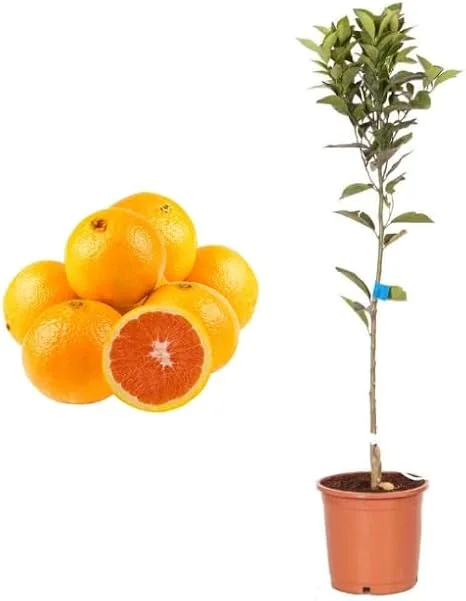
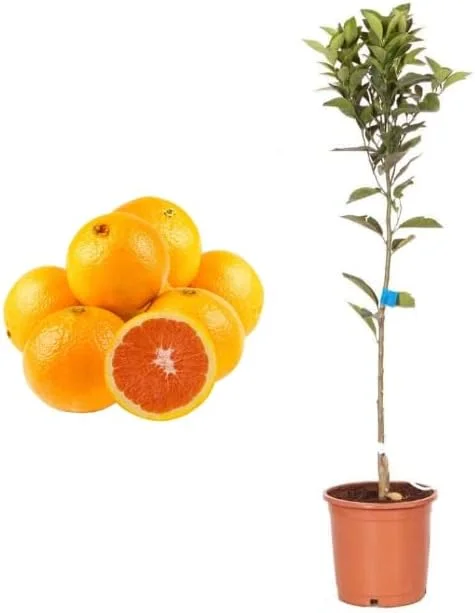
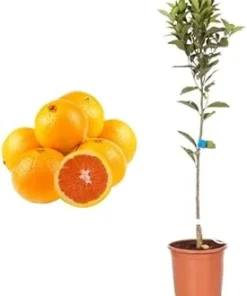
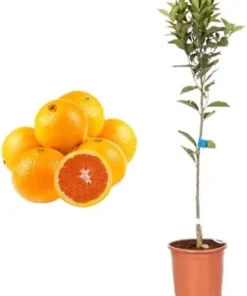
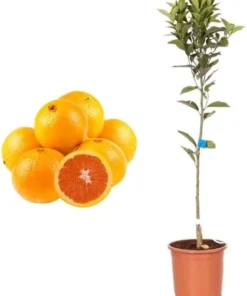
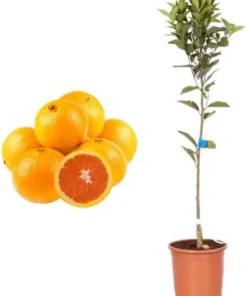
Original price was: $135.00.$115.00Current price is: $115.00.
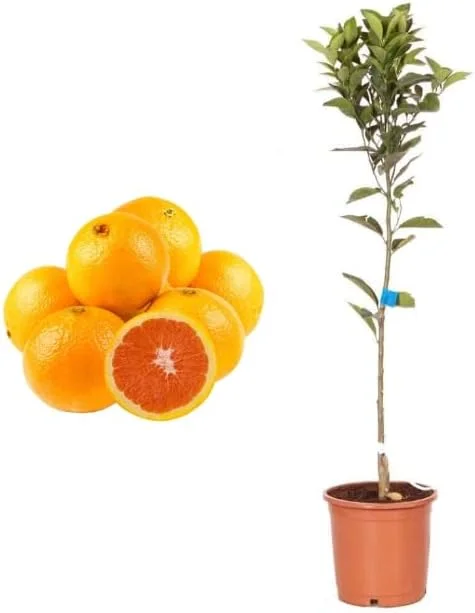
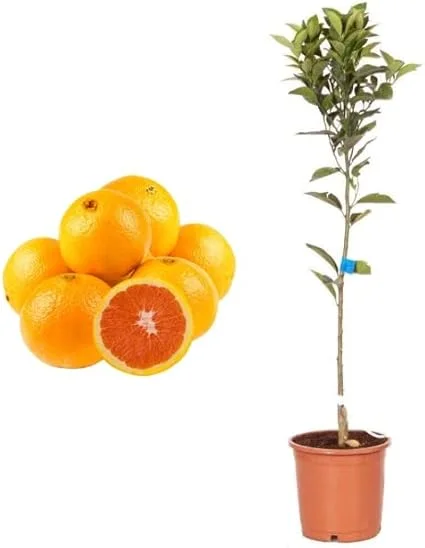
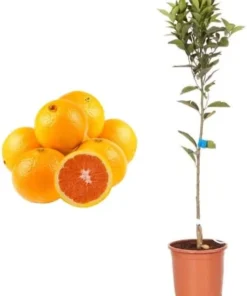
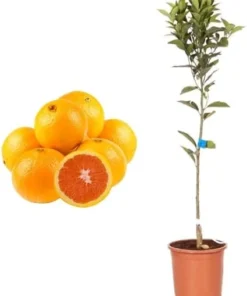
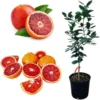
Cultivate your own sweet and juicy red navel oranges with this red navel orange tree. This live sweet orange tree, often known as a cara cara orange plant, comes in a 1-gallon pot, standing approximately 1 foot tall, ready for planting. Perfect for gardeners seeking fresh, homegrown citrus.
Feb 04
Feb 09 - Feb 11
Feb 14 - Feb 18
USDA Hardiness Zone
Soil Type
Sunlight Exposure
Expected Planting Period
Shipping and return policies: Our Alive & Thrive Guarantee covers issues with your plants within the first 30 days. Get in touch with us via email, and our team will review your concerns and, if necessary, provide you with a one-time replacement at no cost.
If you're unsure about your hardiness zone, feel free to reach out to us. Our team will answer your questions and help you find the plants that are truly suitable for your environment, climate, and personal preferences.
Bring the joy of fresh, homegrown citrus to your garden with this beautiful red navel orange tree. This vibrant live plant, often recognized as a Cara Cara orange plant, offers delicious, sweet, and low-acid fruit with a distinctive pinkish-red flesh, making it a favorite among citrus enthusiasts. Our premium live sweet orange tree arrives ready for planting, allowing you to enjoy the journey from a young plant to a fruit-bearing specimen. Ideal for USDA Zones 9-11, this tree can be a striking addition to your landscape or a productive potted plant in cooler climates. Its lush green foliage provides year-round beauty, while its fragrant blossoms in late winter to early spring hint at the abundant harvest to come. Growing your own citrus means having access to fresh, vitamin C-rich fruit right from your backyard or patio.
The distinctive characteristics of the Cara Cara orange, such as its complex flavor profile combining notes of cherry, rose, and blackberry, set it apart from traditional navel oranges. This particular citrus plant care is relatively straightforward, making it an excellent choice for both experienced gardeners and those new to growing fruit trees. With proper attention to light, water, and soil, your red navel orange tree will flourish, providing not only an attractive focal point but also a source of delightful fruit for years to come. Imagine picking your own sweet, seedless oranges, perfect for snacking, juicing, or adding a zesty touch to culinary creations.
Investing in a red navel orange tree offers numerous advantages, from aesthetic appeal to the satisfaction of fresh produce. This live sweet orange tree is a rewarding addition to any garden or patio.
Proper citrus plant care is essential for a thriving red navel orange tree. These plants require consistent attention to watering, sunlight, and soil conditions to produce abundant and flavorful fruit. Your live sweet orange tree will flourish with the right environment.
For optimal growth, plant your red navel orange tree in a location that receives full sun, meaning at least 6-8 hours of direct sunlight per day. If growing indoors, place it near a south-facing window or supplement with a grow light. The ideal temperature range for this Cara Cara orange plant is between 55°F and 85°F. Protect it from frost, especially when young. Well-draining soil is crucial; a good quality potting mix specifically formulated for citrus or a sandy loam soil in the ground will work best. Ensure the pot has drainage holes if container gardening. Water deeply and regularly, allowing the top inch or two of soil to dry out slightly between waterings. Avoid overwatering, which can lead to root rot, but also do not let the plant become completely dry for extended periods.
Fertilize your red navel orange tree with a balanced citrus fertilizer during the growing season (spring through fall), following the product’s instructions. A slow-release granular fertilizer or a liquid feed can be effective. Pruning should be done to maintain shape, remove dead or crossing branches, and encourage fruit production. The best time for light pruning is after the last fruit harvest. Watch out for common pests like aphids, scale, and spider mites, and treat them promptly with organic pest control methods if necessary. Providing consistent orange tree growing tips and care will ensure your plant remains healthy and productive.
This red navel orange tree is a live sweet orange tree, standing approximately 1 foot tall from the base of the pot to the top of the plant. It is shipped in a 1-gallon nursery pot, providing a well-established root system ready for transplanting. While the exact dimensions may vary slightly due to the natural growth of live plants, the general size ensures it’s manageable for shipping and easy to handle upon arrival. The tree’s mature height can reach 10-15 feet when planted in the ground, but it can be maintained at a smaller, more compact size through regular pruning, especially when grown in a container. Expect fruit production to begin within 2-3 years under optimal growing conditions, with blooming typically occurring in late winter to early spring.
The Cara Cara orange plant is known for its moderate growth rate. When grown in a container, the size of the pot will influence the ultimate size of the tree; a larger pot will allow for more extensive root development and a bigger plant. This 1-gallon size is perfect for starting your citrus journey. The tree’s vibrant green leaves and sturdy trunk are indicative of a healthy, vigorous specimen. The overall dimensions of the package upon shipment are approximately 8 x 8 x 30 inches, ensuring the plant is protected during transit. This citrus plant care guide mentions that the plant thrives in USDA Zones 9-11, but can be grown as a patio plant or indoors in colder regions.
You must be logged in to post a review.
Sold 77 products
Original price was: $55.98.$27.99Current price is: $27.99.
Sold 99 products
Original price was: $38.80.$19.40Current price is: $19.40.
Sold 100 products
Original price was: $57.98.$28.99Current price is: $28.99.
Sold 71 products
Original price was: $72.99.$52.99Current price is: $52.99.
Sold 64 products
Original price was: $99.99.$79.99Current price is: $79.99.
Sold 98 products
Original price was: $53.98.$26.99Current price is: $26.99.
Sold 59 products
Original price was: $73.98.$36.99Current price is: $36.99.
Sold 65 products
Original price was: $78.99.$48.99Current price is: $48.99.

Reviews
There are no reviews yet.