NEED SUPPORT WITH YOUR ORDER? Get in touch
Not satisfied with your purchase?
Enter your Order ID on website, and we'll resolve it right away.

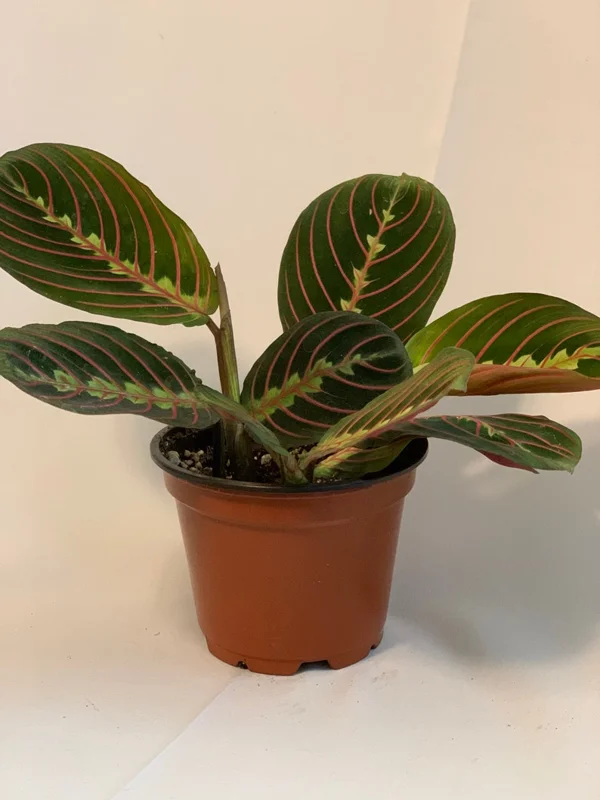
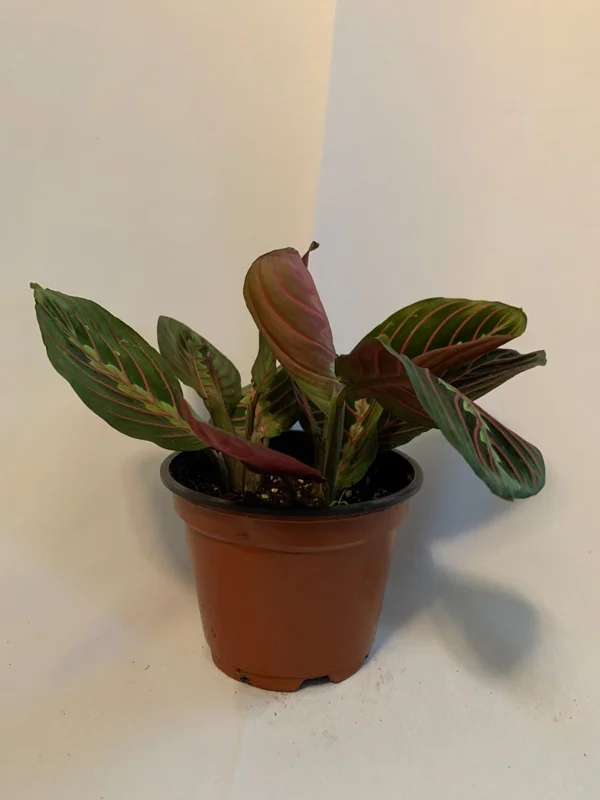
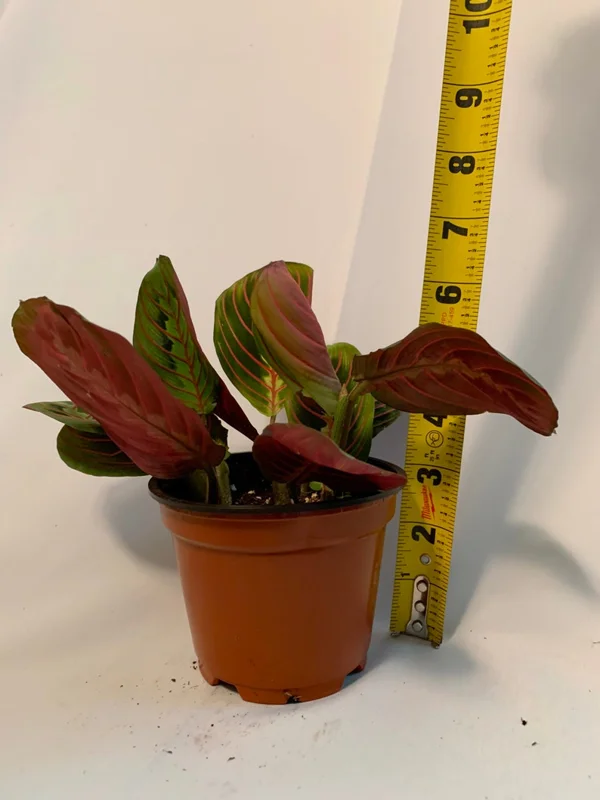
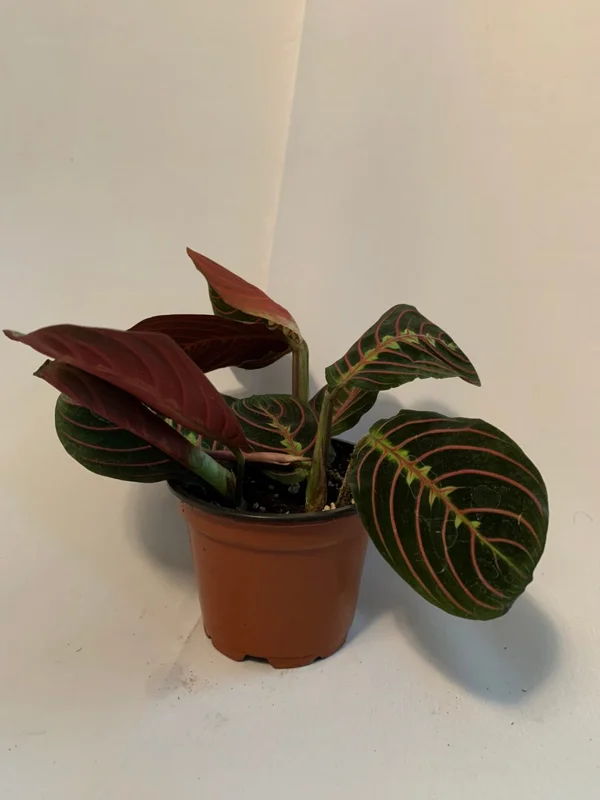

Original price was: $90.99.$46.99Current price is: $46.99.
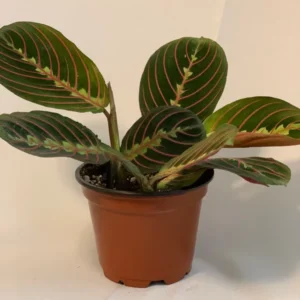
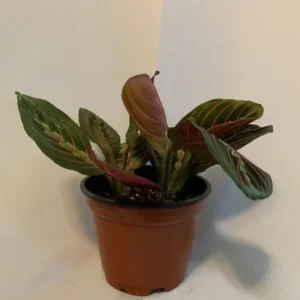
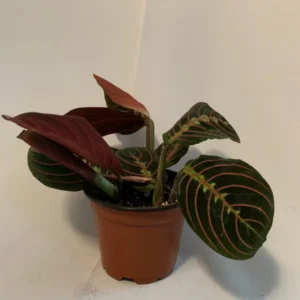
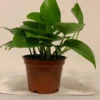
Introduce a vibrant touch to your home with the red prayer plant, a stunning 4-inch Maranta plant indoor. This captivating houseplant features striking red and green foliage that ‘prays’ by folding up at night. Enjoy its air-purifying benefits and easy care as a beautiful, pet friendly houseplant.
Mar 03
Mar 08 - Mar 10
Mar 13 - Mar 17
USDA Hardiness Zone
Soil Type
Sunlight Exposure
Expected Planting Period
Shipping and return policies: Our Alive & Thrive Guarantee covers issues with your plants within the first 30 days. Get in touch with us via email, and our team will review your concerns and, if necessary, provide you with a one-time replacement at no cost.
If you're unsure about your hardiness zone, feel free to reach out to us. Our team will answer your questions and help you find the plants that are truly suitable for your environment, climate, and personal preferences.
Welcome the captivating beauty of the red prayer plant into your indoor sanctuary. This enchanting Maranta plant indoor, scientifically known as Maranta leuconeura, is celebrated for its truly unique and mesmerizing behavior. With leaves that fold upwards at night, resembling hands clasped in prayer, and then unfurl with the morning light, it creates a dynamic living display in any room. Our 4-inch potted specimen arrives ready to thrive, showcasing its distinctive red veins against lush green foliage. Native to the tropical rainforests of Brazil, this live plant brings a touch of exotic elegance and natural charm, making it a perfect addition for both seasoned plant enthusiasts and beginners.
The red prayer plant is more than just a visually appealing houseplant; it’s a conversation starter that adapts beautifully to various indoor environments. Its moderate growth rate and relatively compact size make it ideal for desks, shelves, or as part of a larger plant collection. Experience the joy of watching nature’s daily rhythm unfold right in your living space with this truly special and engaging plant.
Owning a red prayer plant offers a multitude of advantages beyond its stunning appearance. This live houseplant contributes positively to your home environment and overall well-being. The benefits include:
Caring for your red prayer plant (Maranta leuconeura) is a rewarding experience, as it thrives with consistent attention to a few key needs. This tropical beauty prefers conditions that mimic its native rainforest habitat, making it an ideal Maranta plant indoor specimen. Providing the right environment will ensure vibrant foliage and active leaf movement.
For optimal growth, the red prayer plant requires consistent moisture. The soil should be kept evenly moist but never waterlogged. Allow the top inch of soil to dry out slightly between waterings, typically every 4-7 days depending on your home’s humidity and temperature. It’s crucial to use well-draining soil and a pot with drainage holes to prevent root rot. High humidity is also key; consider misting your plant daily, placing it near a humidifier, or using a pebble tray. When it comes to light, bright, indirect light is best. Direct sunlight can scorch the delicate leaves, causing them to fade or develop brown spots. An east-facing window or a few feet away from a south or west-facing window works well. The ideal temperature range is between 65-80°F (18-27°C), avoiding sudden drops or cold drafts.
Fertilize your prayer plant indoor bi-weekly during the growing season (spring and summer) with a balanced liquid houseplant fertilizer diluted to half strength. Reduce feeding during fall and winter. Pruning can be done to maintain shape and encourage bushier growth; simply snip off any leggy stems or yellowing leaves. While generally resilient, watch for common pests like spider mites and mealybugs, especially in dry conditions. Regular inspection and wiping leaves with a damp cloth can help prevent infestations. The red prayer plant is relatively easy to care for once its basic needs are met, making it a delightful and dynamic addition to your pet friendly houseplants collection.
This offering is for one red prayer plant, presented as a healthy, thriving specimen in a 4-inch nursery pot. The 4-inch measurement refers to the diameter of the pot, indicating a young yet established plant ready to settle into its new home. At maturity, these plants are slow-growing and typically reach a height of about 1 to 2 feet and a spread of 2 to 3 feet, creating a lush, compact display. The plant will be shipped in its original nursery pot, securely packaged to ensure its safe arrival. Expect vibrant green leaves with distinctive red veins, showcasing the characteristic patterns of Maranta leuconeura. With proper maranta plant care, your plant will continue to grow and unfurl its captivating foliage, providing enduring natural elegance for many years.
You must be logged in to post a review.
Sold 61 products
Original price was: $79.96.$39.98Current price is: $39.98.
Sold 60 products
Original price was: $139.99.$119.99Current price is: $119.99.
Sold 94 products
Original price was: $43.98.$21.99Current price is: $21.99.
Sold 99 products
Original price was: $57.96.$28.98Current price is: $28.98.
Sold 58 products
Original price was: $79.98.$39.99Current price is: $39.99.
Sold 61 products
Original price was: $45.99.$34.99Current price is: $34.99.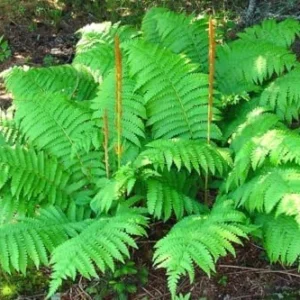
HousePlants
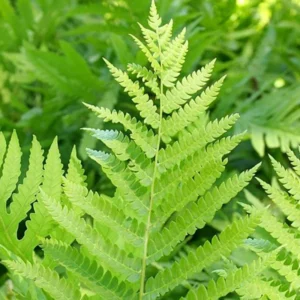
Cinnamon Fern Plants Live – 10 Bare Root Ferns – 4-7 Inches – Indoor/Outdoor Garden Plants
Sold 96 products
Original price was: $57.98.$28.99Current price is: $28.99.
Sold 52 products
Original price was: $35.98.$17.99Current price is: $17.99.

Reviews
There are no reviews yet.