NEED SUPPORT WITH YOUR ORDER? Get in touch
Not satisfied with your purchase?
Enter your Order ID on website, and we'll resolve it right away.


Original price was: $148.99.$126.99Current price is: $126.99.
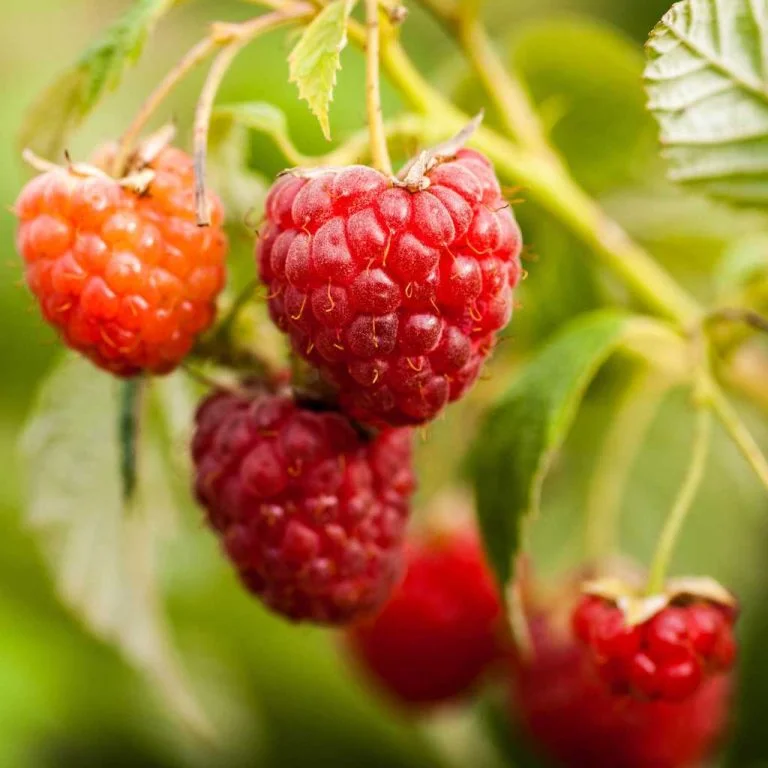
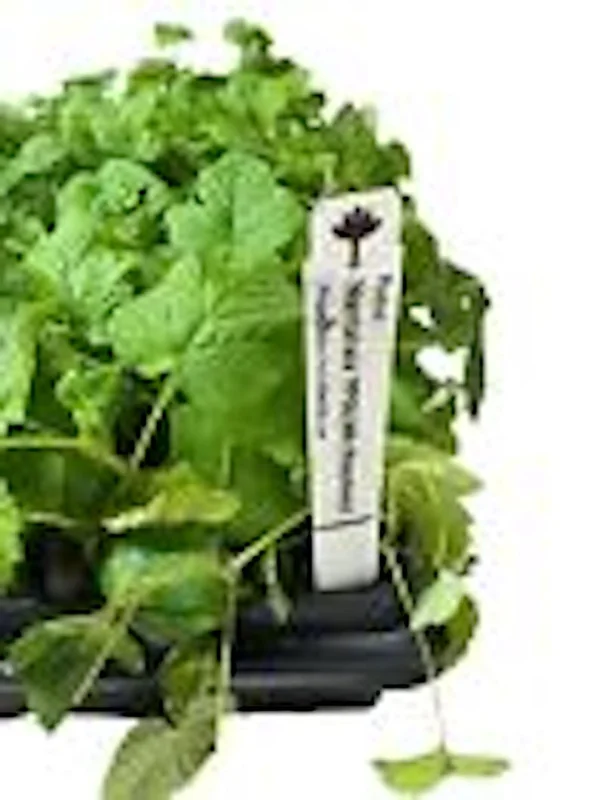
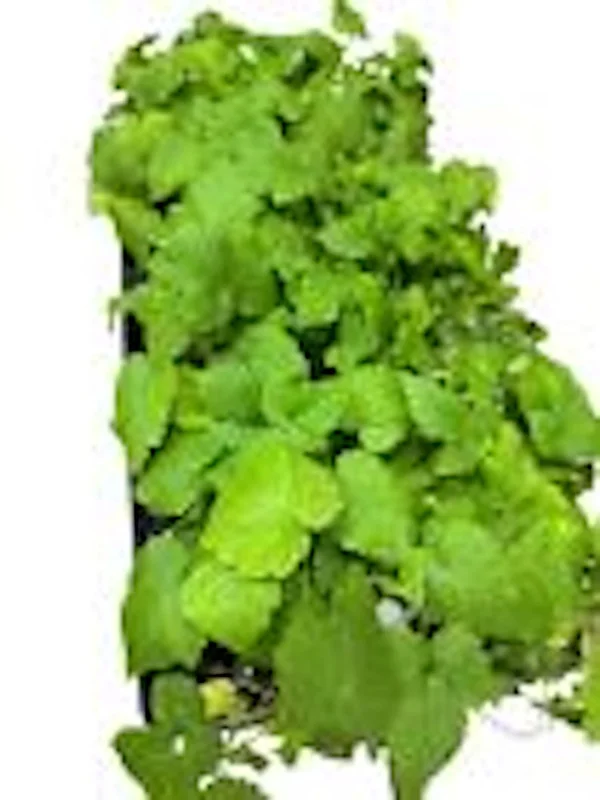
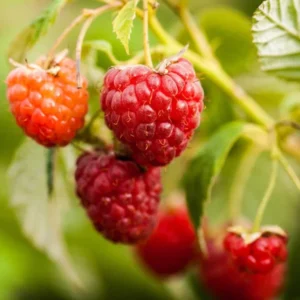
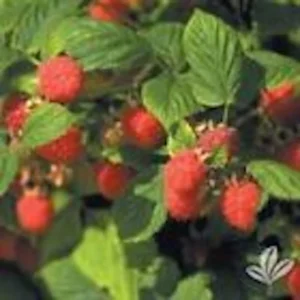
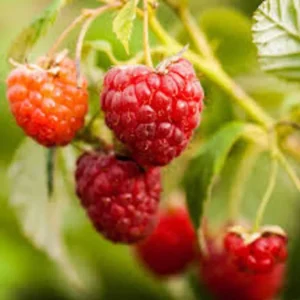
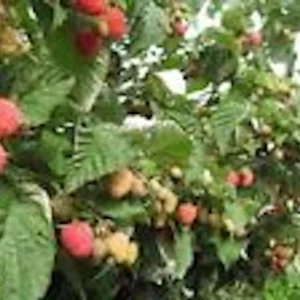
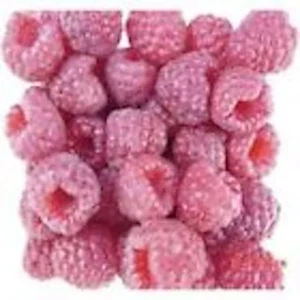
Cultivate your own supply of sweet, juicy red raspberries with this pack of 10 bare root starter plants. These red raspberry plants are cold-resistant, suitable for USDA zones 4-9, and promise a rewarding harvest of edible fruit from summer through fall. Enjoy fresh, homegrown berries from your garden.
Feb 04
Feb 09 - Feb 11
Feb 14 - Feb 18
USDA Hardiness Zone
Soil Type
Sunlight Exposure
Expected Planting Period
Shipping and return policies: Our Alive & Thrive Guarantee covers issues with your plants within the first 30 days. Get in touch with us via email, and our team will review your concerns and, if necessary, provide you with a one-time replacement at no cost.
If you're unsure about your hardiness zone, feel free to reach out to us. Our team will answer your questions and help you find the plants that are truly suitable for your environment, climate, and personal preferences.
Transform your garden into a berry haven with these red raspberry plants. This offering includes 10 vigorous bare root starter plants, ready to establish and produce abundant, delicious fruit. Raspberries, scientifically known as Rubus idaeus, are cherished for their sweet, tangy flavor and their versatility in culinary applications, from fresh eating to jams and desserts. These perennial fruit plants are an excellent addition for both novice and experienced gardeners, offering the joy of harvesting your own produce. With proper raspberry plant care, you can expect a bountiful yield that enhances your outdoor space and provides a continuous supply of healthy fruit.
These raspberry plants are selected for their hardiness and productivity, ensuring a successful growing experience. They are designed to thrive in a variety of climates, demonstrating excellent adaptability. The convenience of starting with bare root plants means they quickly establish themselves, setting the stage for robust growth and fruit production in the seasons to come. Embark on the rewarding journey to grow raspberries and enjoy the unparalleled taste of freshly picked berries.
Growing your own raspberries offers numerous advantages, from the delight of fresh fruit to enhancing your garden’s biodiversity. These plants are a fantastic investment for any home gardener.
Successful cultivation of your red raspberry plants depends on understanding their specific needs. Providing the right conditions will ensure a healthy plant and a bountiful harvest. These plants are relatively forgiving, but a bit of informed care goes a long way.
Raspberry plants thrive in locations that receive at least 6 hours of direct sunlight per day, ideally in full sun. While they can tolerate partial shade, fruit production may be reduced. When it comes to watering, consistent moisture is key, especially during fruiting periods. Aim for medium watering, ensuring the soil remains evenly moist but not waterlogged. Well-drained soil is crucial to prevent root rot. Amending your soil with compost before planting will significantly improve drainage and provide essential nutrients for optimal growth. These plants are suitable for USDA zones 4-9, indicating their excellent cold hardiness. In colder regions, a layer of mulch can help protect the roots during winter. For the best raspberry plant care, fertilize in early spring with a balanced slow-release fertilizer or a compost tea to support vigorous growth and fruit development.
Pruning is an important aspect of maintaining healthy and productive perennial fruit plant. For most red raspberry varieties, fruit is produced on canes that grew the previous year (floricanes). After these canes have fruited, they should be cut back to the ground. New canes (primocanes) will emerge and produce fruit the following year. Regular pruning helps improve air circulation, reduce disease risk, and encourage new growth. Watch out for common pests like aphids or spider mites, which can typically be managed with organic insecticidal soaps. Ensuring proper spacing when you grow raspberries also helps with air circulation and reduces disease pressure. By following these guidelines, you can ensure your cold hardy raspberry plants remain healthy and productive for many years.
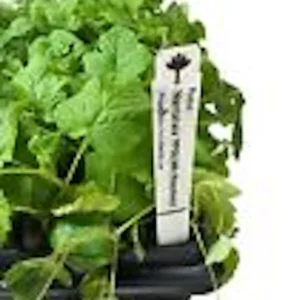
This offering includes 10 bare root starter plants of red raspberry. Bare root plants are dormant when shipped, allowing for easy establishment in your garden. Upon planting, these plants will quickly develop a robust root system and begin to grow vigorously. Mature raspberry plants typically reach a height of several feet, often requiring a trellis or other support system to manage their growth and keep the fruit off the ground. They are known for their medium growth rate, establishing themselves well within the first year. Expect fruit production to begin in the summer and fall following the planting season, providing a quick and satisfying return on your gardening efforts. These plants are ideal for creating a dedicated berry patch or integrating into an edible landscape design.
You must be logged in to post a review.
Sold 84 products
Original price was: $73.98.$36.99Current price is: $36.99.
Sold 76 products
Original price was: $56.99.$44.90Current price is: $44.90.
Sold 55 products
Original price was: $79.98.$39.99Current price is: $39.99.
Sold 64 products
Original price was: $57.98.$28.99Current price is: $28.99.
Sold 58 products
Original price was: $55.98.$27.99Current price is: $27.99.
Sold 71 products
Original price was: $99.98.$49.99Current price is: $49.99.
Sold 77 products
Original price was: $49.99.$34.99Current price is: $34.99.
Sold 75 products
Original price was: $68.99.$47.99Current price is: $47.99.

Reviews
There are no reviews yet.