NEED SUPPORT WITH YOUR ORDER? Get in touch
Not satisfied with your purchase?
Enter your Order ID on website, and we'll resolve it right away.

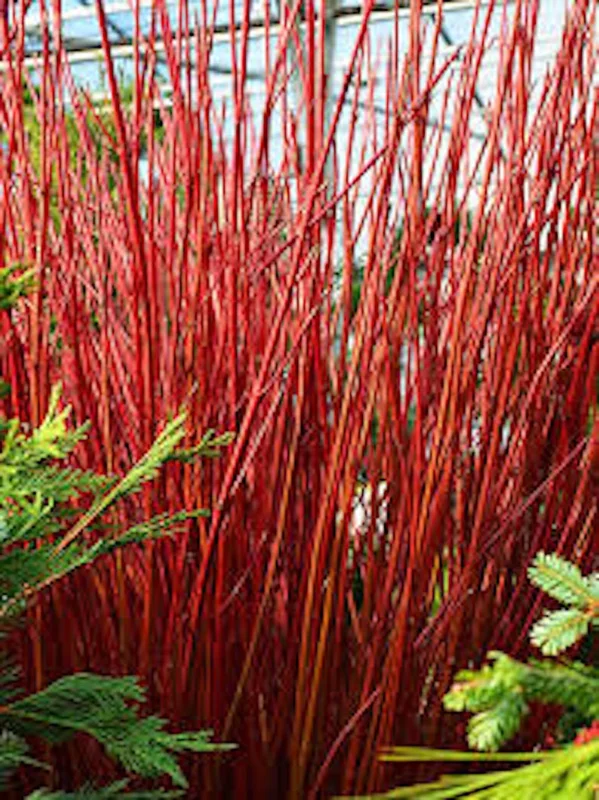
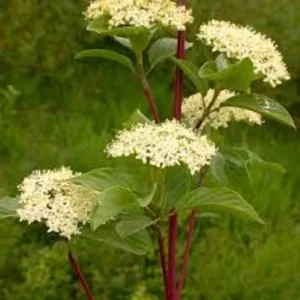
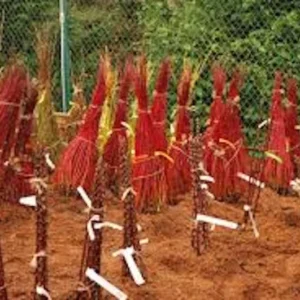
Original price was: $59.99.$30.99Current price is: $30.99.
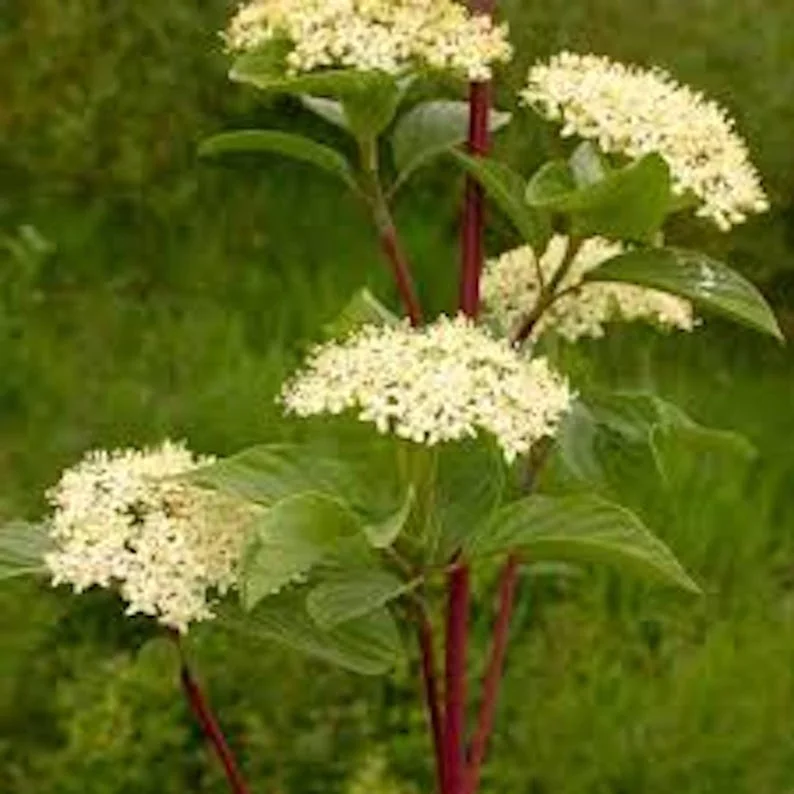
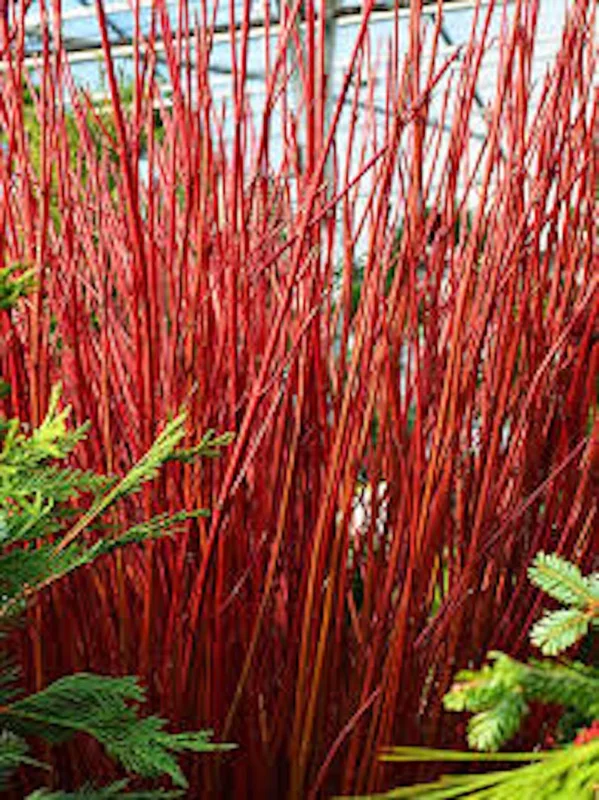
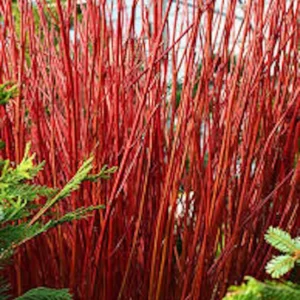
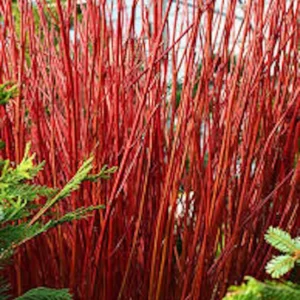
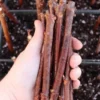
Enhance your garden with the stunning red twig dogwood live plant, also known as Red Coral Dogwood shrub. This resilient deciduous shrub offers brilliant red stems for exceptional winter interest, along with creamy white flowers in spring and berries that attract birds. Ideal for zones 3-8, it’s a versatile and low-maintenance choice for any landscape.
Mar 03
Mar 08 - Mar 10
Mar 13 - Mar 17
USDA Hardiness Zone
Soil Type
Sunlight Exposure
Expected Planting Period
Shipping and return policies: Our Alive & Thrive Guarantee covers issues with your plants within the first 30 days. Get in touch with us via email, and our team will review your concerns and, if necessary, provide you with a one-time replacement at no cost.
If you're unsure about your hardiness zone, feel free to reach out to us. Our team will answer your questions and help you find the plants that are truly suitable for your environment, climate, and personal preferences.
Introduce year-round beauty and dramatic winter appeal to your landscape with the red twig dogwood live plant. This captivating deciduous shrub, scientifically known as Cornus sericea, and often referred to as Red Coral Dogwood shrub, is celebrated for its intensely vibrant red stems that provide a striking contrast against snow-covered grounds or dormant garden beds. A favorite among garden enthusiasts and professional designers alike, this hardy and adaptable plant is an excellent choice for adding unparalleled visual interest during the colder months. Beyond its winter splendor, the Red Twig Dogwood offers multi-season appeal, producing delicate creamy white flowers in spring and bluish-white berries in late summer, which serve as a food source for local bird populations. Its robust nature and relatively low maintenance requirements make it a superb addition to various garden styles, from naturalized settings to more formal borders.
The red twig dogwood live plant offers a multitude of benefits that make it a standout choice for any garden. Its versatility and striking features contribute significantly to a dynamic and engaging outdoor space throughout the year.
Caring for your red twig dogwood live plant is straightforward, making it an excellent choice for both novice and experienced gardeners. This hardy shrub thrives with minimal intervention, rewarding you with consistent color and beauty. For optimal growth and the most intense red stem color, ensure it receives adequate sunlight. It can tolerate both full sun (6+ hours of direct sunlight daily) and partial shade (4-6 hours of direct sunlight, especially morning sun with afternoon shade in hotter climates). While adaptable to various soil types, the Red Twig Dogwood prefers well-drained soil rich in organic matter. Avoid excessively wet or waterlogged conditions, as this can lead to root issues. A neutral to slightly acidic pH is generally ideal.
Watering should be consistent, especially during the first growing season to help establish a strong root system. Once established, this shrub is relatively drought-tolerant but will benefit from regular watering during prolonged dry spells. Fertilize in early spring with a balanced, slow-release granular fertilizer formulated for trees and shrubs. Pruning is crucial for maintaining the vibrant red stem color; the newest growth exhibits the most intense hues. Annually in late winter or early spring, before new leaves emerge, remove about one-third of the oldest, thickest stems at ground level. This rejuvenation pruning encourages the growth of new, brightly colored stems. The cornus sericea plant is generally pest and disease resistant, but monitor for common issues like leaf spot or powdery mildew, addressing them promptly if they appear.
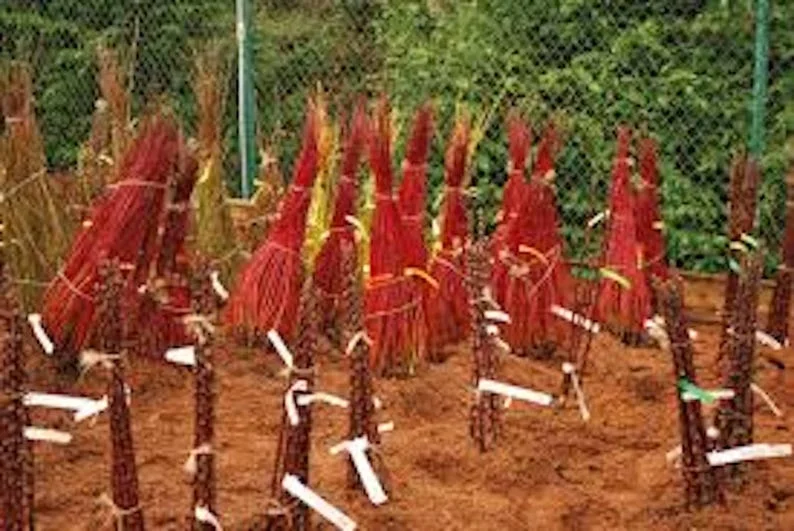
The red twig dogwood live plant is a robust and fast-growing deciduous shrub that typically reaches a mature height of 6 to 9 feet with a similar spread. Its upright, spreading habit makes it a significant presence in the landscape. This plant ships either bare root during its dormant season (fall and winter) or in a pot during the active growing season, ensuring optimal plant health upon arrival. Expect vigorous growth once established, with its distinctive red stems becoming more prominent as the plant matures, especially after proper pruning. The winter interest plant provides a consistent display of color and texture, making it an invaluable asset for year-round garden appeal. Its rapid growth rate means you won’t have to wait long to enjoy its full beauty.
You must be logged in to post a review.
Sold 60 products
Original price was: $74.99.$44.99Current price is: $44.99.
Sold 91 products
Original price was: $74.99.$44.99Current price is: $44.99.
Sold 74 products
Original price was: $59.98.$29.99Current price is: $29.99.
Sold 59 products
Original price was: $37.98.$18.99Current price is: $18.99.
Sold 50 products
Original price was: $53.98.$26.99Current price is: $26.99.
Sold 55 products
Original price was: $76.99.$46.99Current price is: $46.99.
Sold 85 products
Original price was: $55.58.$27.79Current price is: $27.79.
Sold 68 products
Original price was: $74.99.$44.99Current price is: $44.99.
Reviews
There are no reviews yet.