NEED SUPPORT WITH YOUR ORDER? Get in touch
Not satisfied with your purchase?
Enter your Order ID on website, and we'll resolve it right away.

Original price was: $117.99.$90.99Current price is: $90.99.
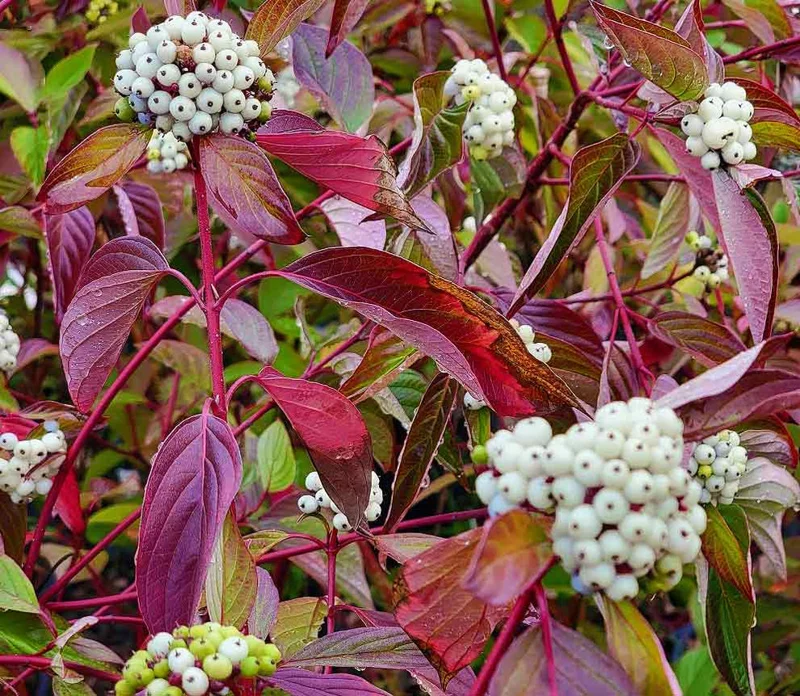
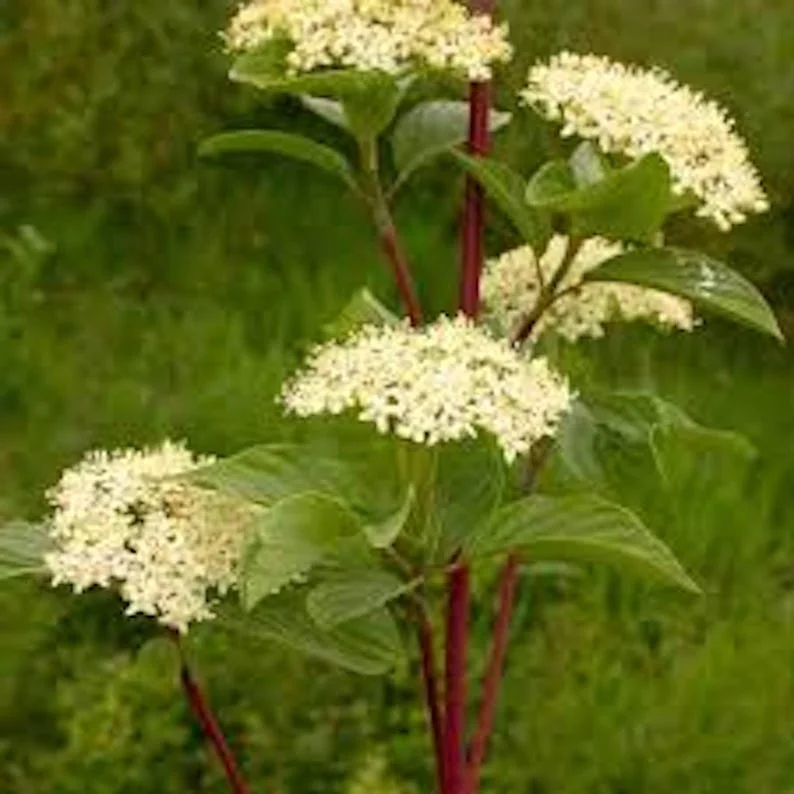
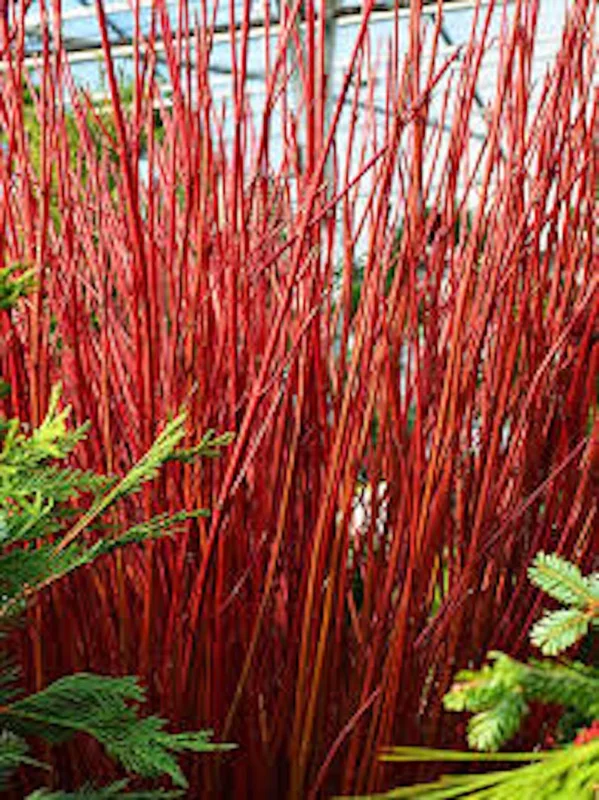
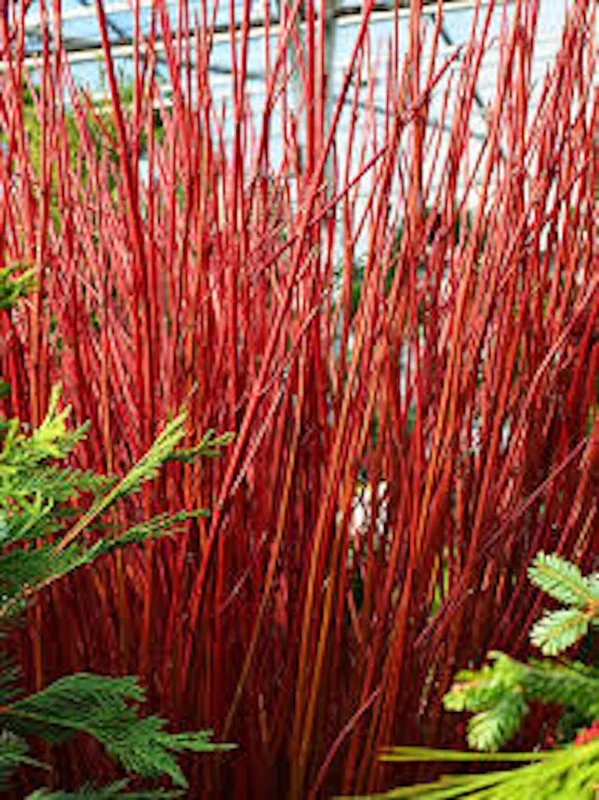
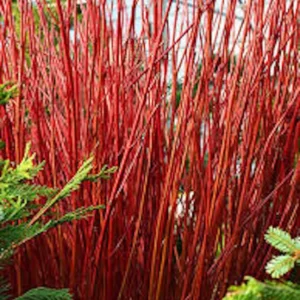
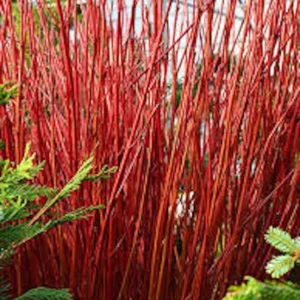
Enhance your landscape with the stunning Red Twig Dogwood Shrub. This pack of 5 live plants offers vibrant red stems, providing exceptional winter interest and year-round beauty. Hardy and low-maintenance, it’s perfect for USDA Zones 3-8, bringing a dramatic focal point to any garden design.
Mar 05
Mar 10 - Mar 12
Mar 15 - Mar 19
USDA Hardiness Zone
Soil Type
Sunlight Exposure
Expected Planting Period
Shipping and return policies: Our Alive & Thrive Guarantee covers issues with your plants within the first 30 days. Get in touch with us via email, and our team will review your concerns and, if necessary, provide you with a one-time replacement at no cost.
If you're unsure about your hardiness zone, feel free to reach out to us. Our team will answer your questions and help you find the plants that are truly suitable for your environment, climate, and personal preferences.
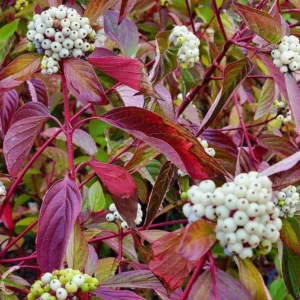
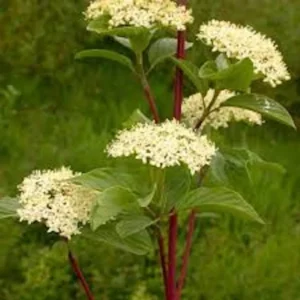
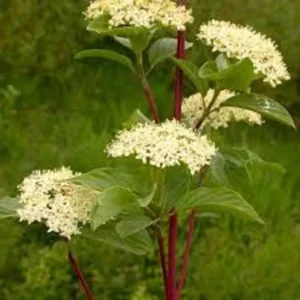
Introduce year-round vibrancy and striking winter appeal to your outdoor space with the Red Twig Dogwood Shrub. This robust and beautiful live plant, scientifically known as Cornus sericea, is also commonly referred to as Red Coral Dogwood due to its distinctive, bright red stems that truly pop against a snowy or dormant landscape. A deciduous shrub, the Red Twig Dogwood Shrub offers consistent visual interest throughout all four seasons, making it an invaluable addition to any garden. Its ease of care and adaptability make it a favorite for gardeners seeking a significant visual impact with minimal effort. This plant is a fantastic choice for creating natural borders, enhancing garden beds, or adding a splash of color when other plants have faded.
The unique coloration of the stems provides a dramatic focal point, transforming an otherwise muted winter scene into a vibrant display. These hardy shrubs are remarkably low-maintenance, making them a favorite among gardeners of all experience levels. The dramatic color and ease of care solidify the Red Twig Dogwood Shrub as an invaluable addition to any garden or landscape design, contributing greatly to the overall aesthetic and ecological balance of your yard.
The Red Twig Dogwood Shrub offers a multitude of benefits, making it an excellent choice for a wide range of landscape designs. Its resilience and beauty ensure enduring appeal, providing a dynamic and colorful presence throughout the year.
Caring for your Red Twig Dogwood Shrub is straightforward, ensuring a healthy and vibrant display for years to come. These shrubs are known for their hardiness and adaptability, making them a rewarding plant for any gardener. Proper initial care will establish a strong foundation for robust growth and brilliant winter color.
The Red Twig Dogwood Shrub flourishes in full sun to partial shade. For the most intense red stem coloration, aim for at least 6 hours of direct sunlight per day. While it can tolerate some shade, less sunlight may result in less vibrant stem colors. These shrubs prefer consistently moist, well-draining soil. They are not overly particular about soil type and can adapt to clay, loam, or sandy soils, as long as good drainage is provided. Regular watering is crucial, especially during the first year after planting, to help establish a strong root system. Once established, they exhibit good drought tolerance but will perform best with consistent moisture. Avoid letting the soil dry out completely for extended periods, especially during hot, dry spells.
The optimal time for planting is during the spring or fall when temperatures are moderate. These shrubs are highly adaptable and thrive in USDA zones 3 through 8, capable of withstanding cold winters and warm summers. Fertilization is not always necessary for established plants, but a balanced, slow-release fertilizer can be applied in early spring to encourage vigorous growth and vibrant stem color. Pruning is key to maintaining the vivid red stems; the newest growth produces the brightest color. Annually, in late winter or early spring before new growth appears, remove about one-third of the oldest, thickest stems at ground level. This encourages the plant to produce fresh, brightly colored shoots. Watch out for common pests like aphids or diseases like powdery mildew, though these are generally not serious issues for a healthy hardy garden plant.
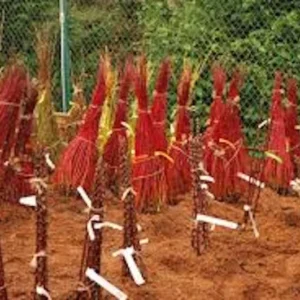
This offering includes a pack of 5 Red Twig Dogwood Shrub live plants, each measuring approximately 12 to 24 inches in height upon arrival. These plants are grown to be robust and ready for planting, designed to quickly establish in your garden. The Cornus sericea plant typically matures to a height of 6 to 9 feet with a similar spread, creating a substantial and impressive presence in your landscape. Its moderate growth rate means you won’t have to wait long to enjoy its full beauty.
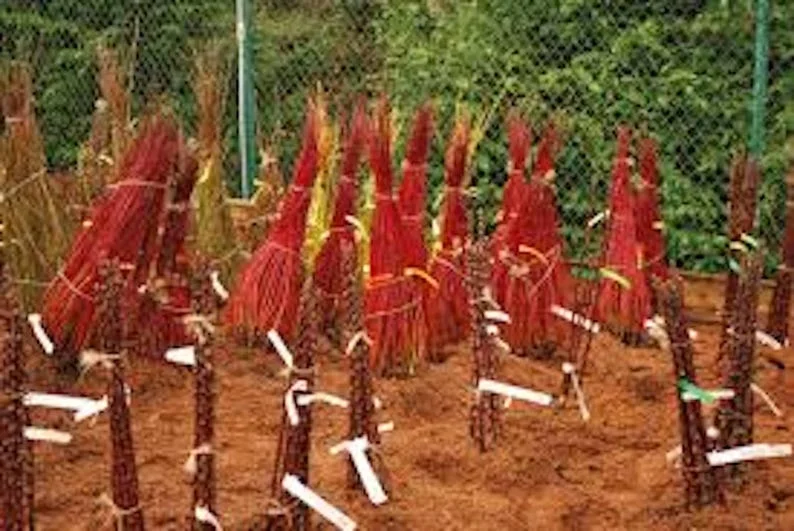
During the fall and winter seasons, these versatile shrubs ship as bare root plants, ensuring they are dormant and ready for transplanting. Through the active growing season, they are shipped in pots, providing a healthy start with an established root ball. This ensures healthy arrival regardless of the time of year, allowing you to incorporate this beautiful winter interest plant into your garden design whenever you’re ready.
You must be logged in to post a review.
Sold 91 products
Original price was: $55.58.$27.79Current price is: $27.79.
Sold 62 products
Original price was: $45.96.$22.98Current price is: $22.98.
Sold 93 products
Original price was: $74.99.$44.99Current price is: $44.99.
Sold 92 products
Original price was: $76.99.$46.99Current price is: $46.99.
Sold 72 products
Original price was: $74.99.$44.99Current price is: $44.99.
Sold 64 products
Original price was: $74.99.$44.99Current price is: $44.99.
Sold 52 products
Original price was: $55.78.$27.89Current price is: $27.89.
Sold 56 products
Original price was: $110.99.$99.99Current price is: $99.99.
Reviews
There are no reviews yet.