NEED SUPPORT WITH YOUR ORDER? Get in touch
Not satisfied with your purchase?
Enter your Order ID on website, and we'll resolve it right away.

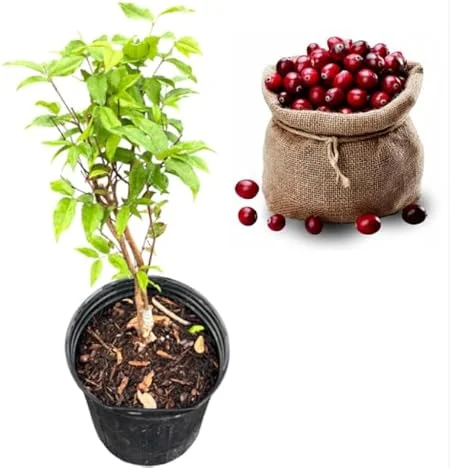
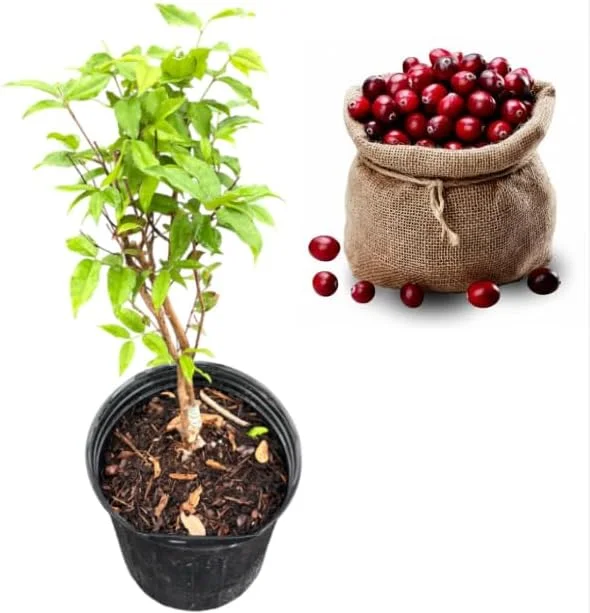
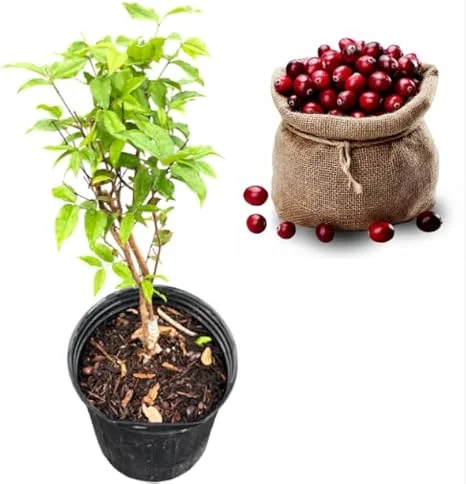
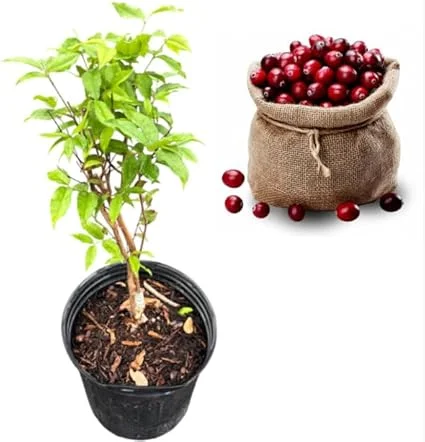
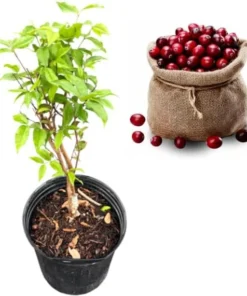
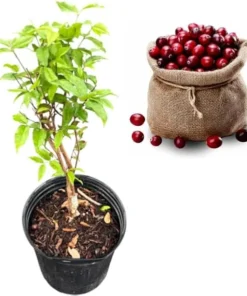
Original price was: $170.00.$150.00Current price is: $150.00.
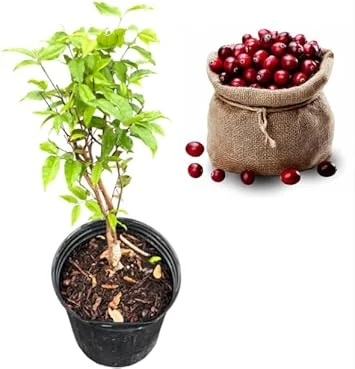
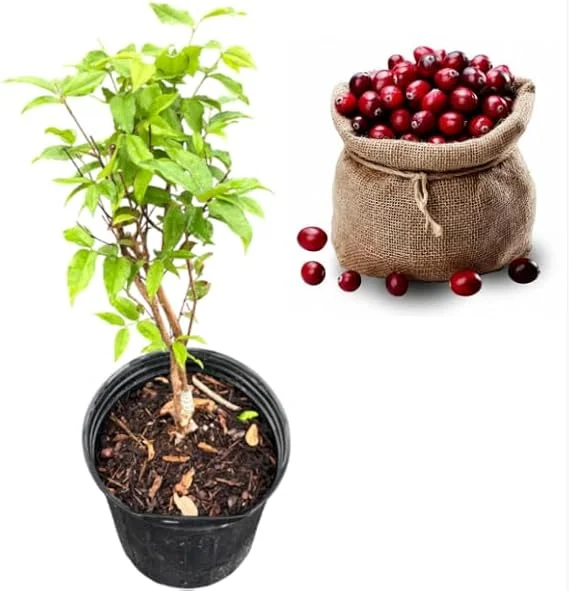
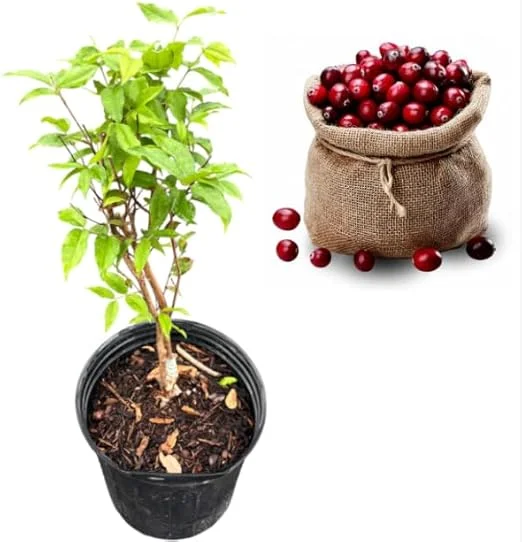
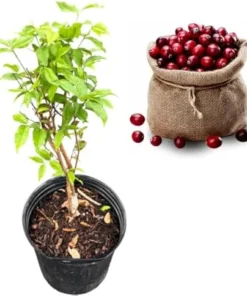
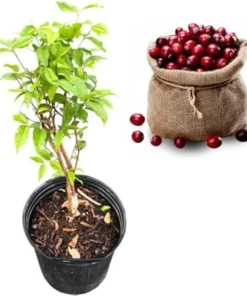
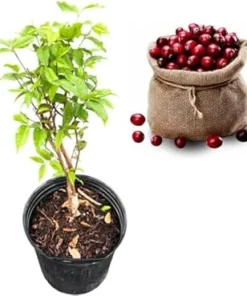
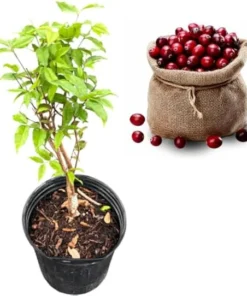
Cultivate your own delicious fruit with this Jaboticaba tree live plant. This beautiful Redhybrid Jaboticaba, also known as a Brazilian Grapetree fruit, arrives healthy in a 3-gallon pot, standing 1 to 2 feet tall. Perfect for full sun, it’s ready to thrive in your garden.
Feb 04
Feb 09 - Feb 11
Feb 14 - Feb 18
USDA Hardiness Zone
Soil Type
Sunlight Exposure
Expected Planting Period
Shipping and return policies: Our Alive & Thrive Guarantee covers issues with your plants within the first 30 days. Get in touch with us via email, and our team will review your concerns and, if necessary, provide you with a one-time replacement at no cost.
If you're unsure about your hardiness zone, feel free to reach out to us. Our team will answer your questions and help you find the plants that are truly suitable for your environment, climate, and personal preferences.
Bring the exotic taste of the tropics to your home with a healthy Jaboticaba tree live plant. This particular variety, the Redhybrid Jaboticaba, is prized for its delicious, grape-like fruit that grows directly on the trunk and branches. Also known as the Brazilian Grapetree fruit, this unique specimen offers both ornamental beauty and a bountiful harvest. Originating from Brazil, Jaboticaba trees are slow-growing, evergreen plants that can be grown in containers or in the ground in suitable climates. Our live plant arrives in a 3-gallon pot, standing 1 to 2 feet tall, ready for planting and nurturing. Experience the joy of harvesting fresh, sweet fruit right from your own garden.
Investing in a Jaboticaba tree live plant offers a multitude of rewards, from its distinctive appearance to its delectable fruit. This resilient and beautiful tree is a fantastic addition to any garden or patio. Enjoy the unique characteristics it brings:
Exotic Fruit Production: Harvest delicious, sweet, and juicy grape-like fruit directly from the trunk and branches, a truly unique fruiting experience. The Redhybrid Jaboticaba variety is known for its flavorful berries.
Unique Ornamental Value: With its smooth, mottled bark and fruit-laden trunk, the Brazilian Grapetree fruit serves as an eye-catching focal point in any landscape or container garden.
Evergreen Foliage: Enjoy lush, green foliage year-round, providing continuous beauty and shade, making it an excellent choice for a garden specimen.
Container Friendly: Despite being a tree, Jaboticabas adapt well to container living, making them suitable for patios, balconies, or smaller gardens, especially where winter protection is needed.
Long Lifespan: With proper care, a Jaboticaba tree live plant can live for many decades, becoming a long-term source of enjoyment and fruit.
Relatively Low Maintenance: Once established, these trees are quite hardy and require consistent moisture and feeding, but are generally pest and disease resistant.
Caring for your Jaboticaba tree live plant involves understanding its specific needs for light, water, and soil. This tropical fruit tree thrives in conditions that mimic its native Brazilian environment. It requires full sun exposure, meaning at least 6-8 hours of direct sunlight per day to ensure optimal growth and fruit production. For soil, a well-drained, rich, and slightly acidic medium is preferred. Consistency in moisture is crucial; do not allow the soil to dry out for extended periods, as this can stress the plant. Regular watering, especially during dry spells and when the plant is fruiting, is essential. However, avoid waterlogging, which can lead to root rot. Temperatures between 68°F and 85°F are ideal for healthy growth. If temperatures drop below 40°F, the tree will need protection or to be brought indoors if grown in a container. Fertilize regularly with a balanced, slow-release fertilizer designed for tropical fruit trees, especially during the growing and fruiting seasons. Pruning is generally minimal, focused on shaping the tree and removing dead or diseased branches. Learning how to grow Jaboticaba successfully will lead to a rewarding harvest.
This Jaboticaba tree live plant is a young, vigorous specimen, measuring 1 to 2 feet tall from the base of the soil to the top of the plant. It is provided in a robust 3-gallon nursery pot, ensuring a well-developed root system that is ready for transplanting. Jaboticaba trees are known for their slow to moderate growth rate, eventually reaching heights of 10-25 feet in the ground, though they can be kept smaller through pruning or container cultivation. The plant will begin to produce fruit within a few years under optimal conditions, offering a unique opportunity to enjoy fresh, tropical fruit. Expect beautiful white flowers before the fruit sets, often multiple times a year once mature. This Redhybrid Jaboticaba is a fantastic choice for those looking for a productive and attractive tropical fruit tree.
Q: How big does this plant get? A: This Jaboticaba tree live plant arrives 1 to 2 feet tall in a 3-gallon pot. In the ground, it can eventually reach 10-25 feet tall, but it can be maintained at a smaller size through pruning or by growing it in a container.
Q: What size pot does it come in? A: The plant is shipped in a 3-gallon nursery pot, providing ample space for its root system to thrive before transplanting.
Q: Is this an indoor or outdoor plant? A: The Brazilian Grapetree fruit is primarily an outdoor plant in USDA Zones 9b-11. In colder climates, it can be grown outdoors during warm months and brought indoors as a container plant during winter.
Q: How much sunlight does it need? A: This tree requires full sun exposure, meaning at least 6-8 hours of direct sunlight daily, for best growth and fruit production.
Q: Is this plant easy to care for? A: While it has specific requirements for consistent moisture and rich soil, the Redhybrid Jaboticaba is generally considered moderate in care difficulty. Once established, it can be quite resilient.
Q: What condition will it arrive in? A: Your Jaboticaba tree live plant will arrive well-packaged and healthy, ready for planting. We take great care in ensuring safe transit for all our live plants.
Q: How long until it blooms and fruits? A: Jaboticaba trees typically start blooming and fruiting within 3-5 years from a young plant, though this can vary with growing conditions. With proper care, you’ll soon enjoy your own Brazilian Grapetree fruit.
Q: What’s the ideal temperature range for this tree? A: The ideal temperature range for optimal growth is between 68°F and 85°F. It needs protection if temperatures consistently fall below 40°F.
Q: Will it survive winter in my zone? A: This plant is suitable for USDA Zones 9b-11 outdoors year-round. If your zone is colder, you will need to protect it from frost or grow it in a container that can be moved indoors during winter.
Q: How to grow Jaboticaba effectively? A: Provide full sun, consistent moisture (but avoid waterlogging), rich and well-drained soil, and protect from cold temperatures. Regular feeding with a balanced fertilizer will also aid its growth.
You must be logged in to post a review.
Sold 85 products
Original price was: $119.98.$59.99Current price is: $59.99.
Sold 63 products
Original price was: $258.98.$129.49Current price is: $129.49.
Sold 82 products
Original price was: $371.98.$185.99Current price is: $185.99.
Sold 62 products
Original price was: $243.98.$121.99Current price is: $121.99.
Sold 64 products
Original price was: $45.98.$22.99Current price is: $22.99.
Sold 77 products
Original price was: $359.98.$179.99Current price is: $179.99.
Sold 81 products
Original price was: $243.98.$121.99Current price is: $121.99.
Sold 73 products
Original price was: $259.78.$129.89Current price is: $129.89.
Reviews
There are no reviews yet.