NEED SUPPORT WITH YOUR ORDER? Get in touch
Not satisfied with your purchase?
Enter your Order ID on website, and we'll resolve it right away.

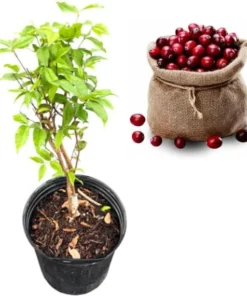
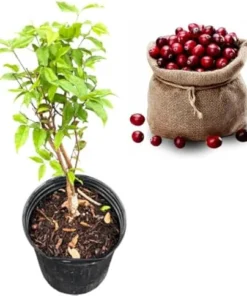
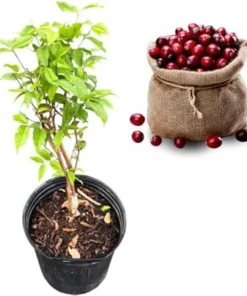
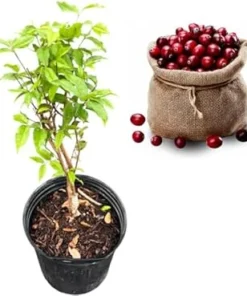
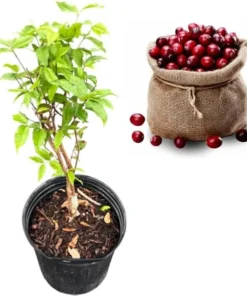
Original price was: $170.00.$150.00Current price is: $150.00.
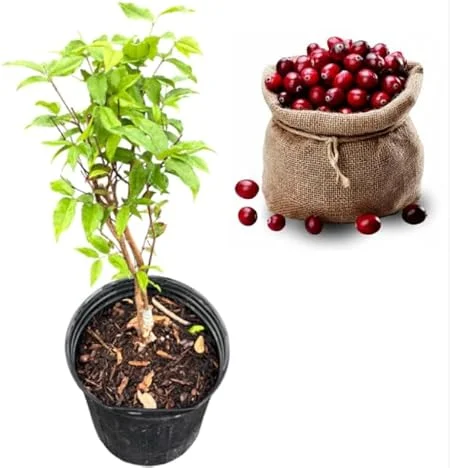
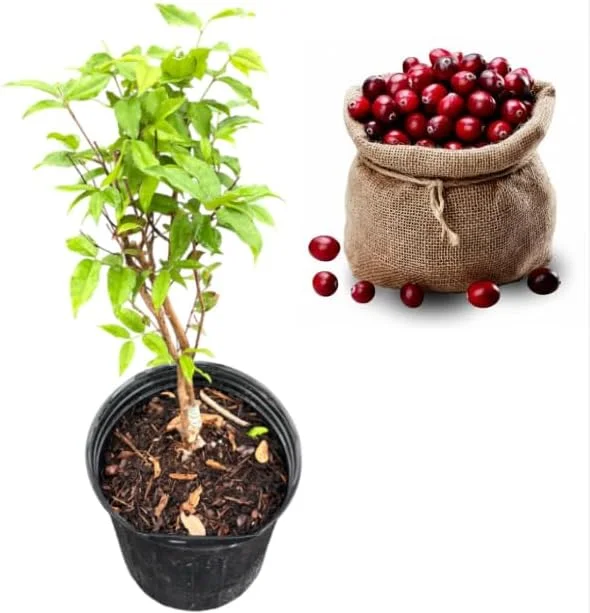
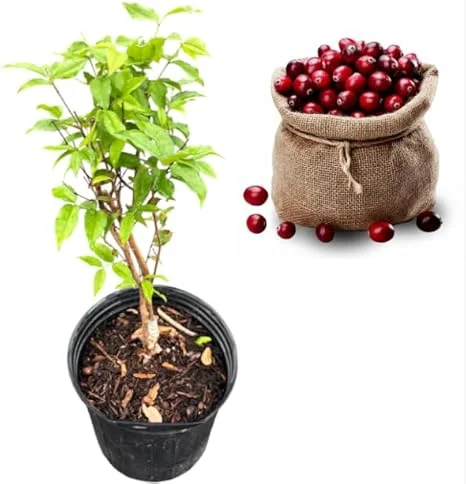
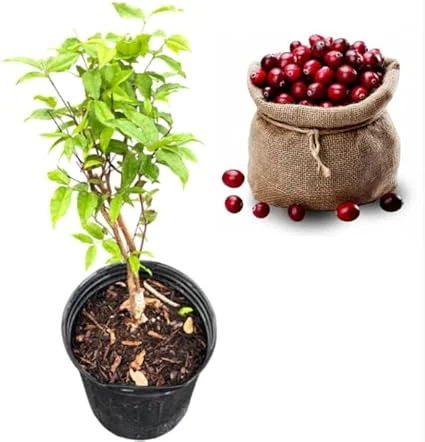
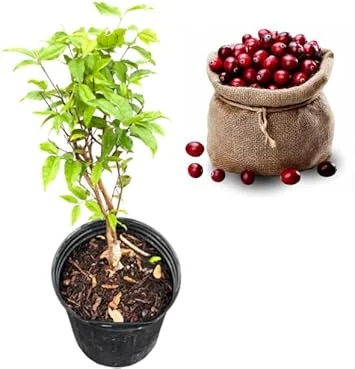
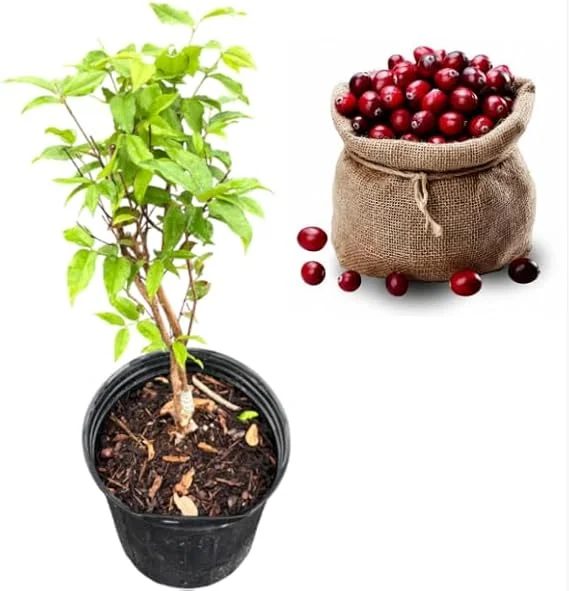
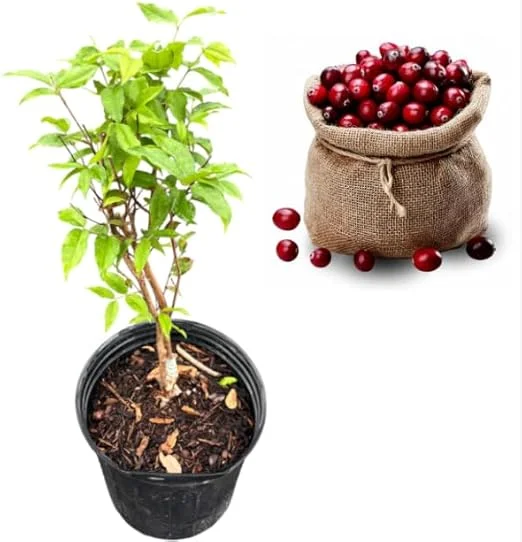
Cultivate your own exotic fruit with this jaboticaba tree live plant. Also known as the brazilian grapetree care, this unique specimen produces delicious, grape-like fruits directly on its trunk. Delivered in a 3-gallon pot, standing 1 to 2 feet tall, it’s ready for planting in USDA Zones 9b-11.
Feb 08
Feb 13 - Feb 15
Feb 18 - Feb 22
USDA Hardiness Zone
Soil Type
Sunlight Exposure
Expected Planting Period
Shipping and return policies: Our Alive & Thrive Guarantee covers issues with your plants within the first 30 days. Get in touch with us via email, and our team will review your concerns and, if necessary, provide you with a one-time replacement at no cost.
If you're unsure about your hardiness zone, feel free to reach out to us. Our team will answer your questions and help you find the plants that are truly suitable for your environment, climate, and personal preferences.
Introduce an exotic touch to your garden or patio with the remarkable jaboticaba tree live plant. This unique and highly sought-after fruit tree, scientifically known as Myrciaria cauliflora or Plinia cauliflora, is often referred to as the brazilian grapetree care due to its distinctive fruit production directly on its trunk and branches. Originating from Brazil, the jaboticaba is a slow-growing, evergreen tree that can reach various sizes depending on cultivation, making it a versatile addition to many landscapes. The ‘Redhybrid’ variety is prized for its delicious, sweet, and slightly acidic fruits that resemble grapes, making them perfect for fresh eating, jams, jellies, and wines. This live plant is delivered in a 3-gallon nursery pot, standing approximately 1 to 2 feet tall, ready to thrive in your tropical or subtropical environment.
The jaboticaba tree live plant offers a unique growing experience, producing multiple crops of fruit throughout the year once mature. Its attractive, smooth, mottled bark and dense foliage add ornamental value even when not fruiting. Ideal for those looking to expand their edible landscape with an unusual and rewarding fruit tree, the jaboticaba is a conversation starter and a source of fresh, homegrown produce.
The jaboticaba tree live plant provides numerous benefits beyond just its delicious fruit. It’s an excellent choice for gardeners seeking both ornamental beauty and culinary rewards.
To ensure your jaboticaba tree live plant flourishes, understanding its specific care requirements is crucial. This tropical tree thrives with consistent attention, especially regarding light, water, and soil conditions. It’s important to simulate its native Brazilian environment as much as possible.
Sunlight Requirements: The jaboticaba tree prefers full sun exposure to produce the best fruit yields. Aim for at least 6-8 hours of direct sunlight per day. While it can tolerate partial shade, fruit production may be reduced. If growing indoors or in a greenhouse, ensure it receives ample bright light, supplementing with grow lights if necessary.
Watering Schedule & Soil Moisture: Consistent moisture is vital for the jaboticaba tree live plant. Do not let the soil dry out for extended periods. Water regularly, especially during dry spells and when the plant is actively growing or fruiting. Ensure the soil remains consistently moist but not waterlogged. Good drainage is key to preventing root rot, so avoid standing water.
Soil Type & Drainage: This plant prefers well-drained, rich soil with a slightly acidic to neutral pH (5.5-6.5). A good quality potting mix amended with organic matter like compost or peat moss is ideal for container-grown plants. For in-ground planting, ensure the soil is loose and drains well. Heavy clay soils should be amended with sand and organic matter to improve drainage.
Temperature Range & USDA Hardiness Zone: The jaboticaba is a tropical to subtropical plant. It thrives in temperatures between 68°F and 85°F (20°C to 29°C). It is suitable for USDA Zones 9b-11. Young plants are particularly sensitive to frost, so protection is necessary if temperatures are expected to drop below freezing. Mature trees can tolerate brief dips to about 25°F (-4°C) but prefer warmer climates. For those in cooler zones, growing in a pot allows you to move the plant indoors during winter.
Fertilization Schedule & Type: Feed your jaboticaba tree live plant with a balanced, slow-release fertilizer designed for acid-loving plants, or a fruit tree fertilizer, during the growing season (spring through fall). Follow package instructions for application rates. Young plants benefit from more frequent, lighter feedings, while mature trees can be fertilized less often. Micronutrients like iron and magnesium can also be beneficial if deficiencies are observed.
Common Problems & Solutions: Jaboticabas are generally resistant to many pests and diseases. However, watch out for common issues like scale insects or aphids, which can be treated with horticultural oil or insecticidal soap. Root rot can occur in poorly draining soil, so ensure proper drainage. Yellowing leaves might indicate a nutrient deficiency or improper pH, which can be corrected with appropriate fertilization or soil amendments. Maintaining good air circulation also helps prevent fungal issues.
This jaboticaba tree live plant is a ‘Redhybrid’ variety, known for its vigorous growth and prolific fruit production. It is currently supplied as a young tree, standing approximately 1 to 2 feet tall from the soil line, and is securely rooted in a 3-gallon nursery pot. The tree is carefully packaged to ensure its safe arrival, ready for immediate planting or transplanting into a larger container.
The jaboticaba plant for sale has a moderate growth rate, typically reaching a mature height of 10-20 feet in ideal conditions, though it can be kept smaller with pruning for container growing. It begins fruiting within 3-5 years from planting, rewarding patient gardeners with its unique and delicious fruit. Expect the tree to arrive with healthy green foliage, indicating its readiness to adapt to its new home.
You must be logged in to post a review.
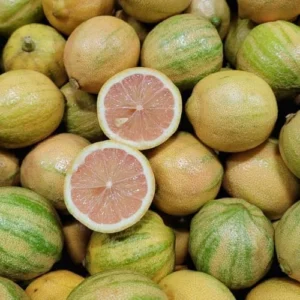
Sold 94 products
Original price was: $243.98.$121.99Current price is: $121.99.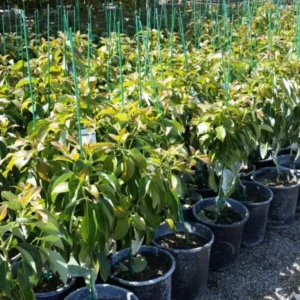
Sold 88 products
Original price was: $219.98.$109.99Current price is: $109.99.
Sold 69 products
Original price was: $258.98.$129.49Current price is: $129.49.
Sold 98 products
Original price was: $99.98.$49.99Current price is: $49.99.
Sold 73 products
Original price was: $99.98.$49.99Current price is: $49.99.
Sold 65 products
Original price was: $256.36.$128.18Current price is: $128.18.
Sold 63 products
Original price was: $259.96.$129.98Current price is: $129.98.
Sold 60 products
Original price was: $59.98.$29.99Current price is: $29.99.
Reviews
There are no reviews yet.