NEED SUPPORT WITH YOUR ORDER? Get in touch
Not satisfied with your purchase?
Enter your Order ID on website, and we'll resolve it right away.

Original price was: $42.99.$22.99Current price is: $22.99.
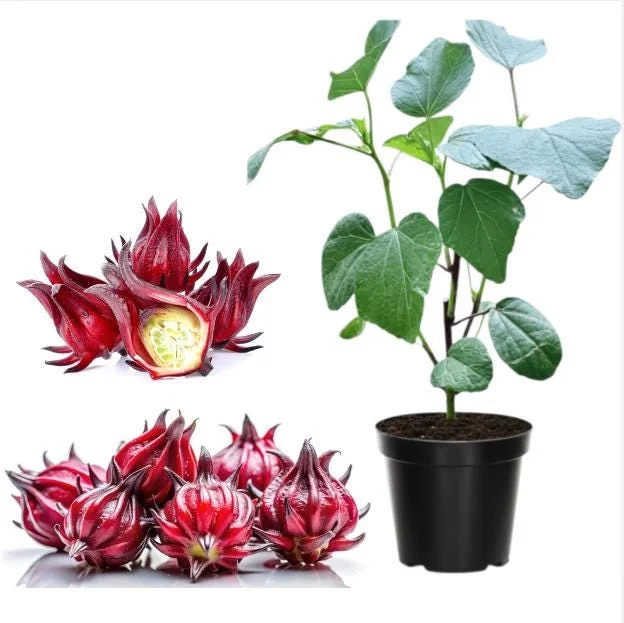
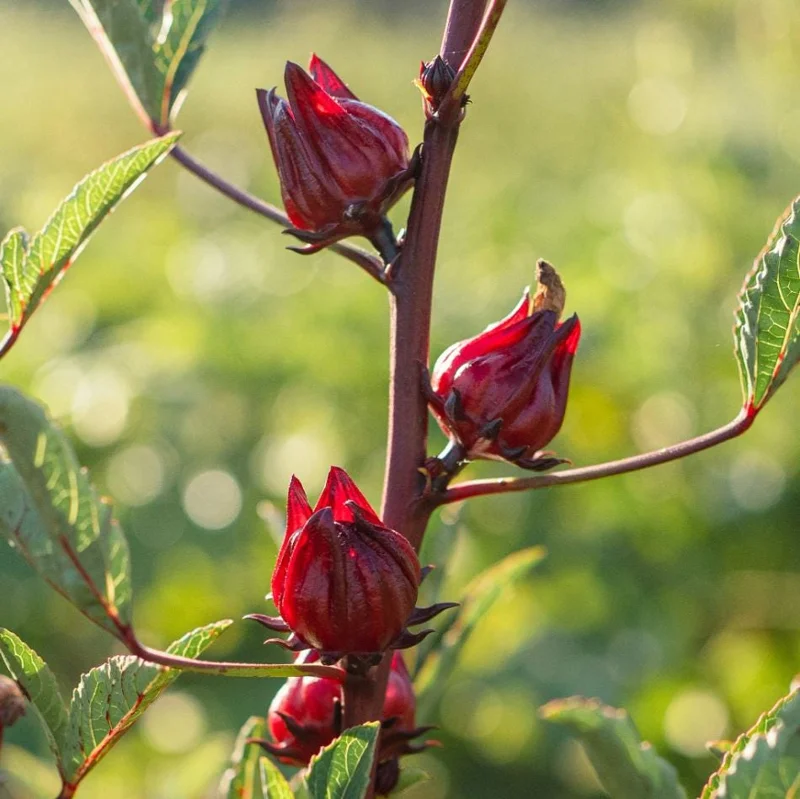
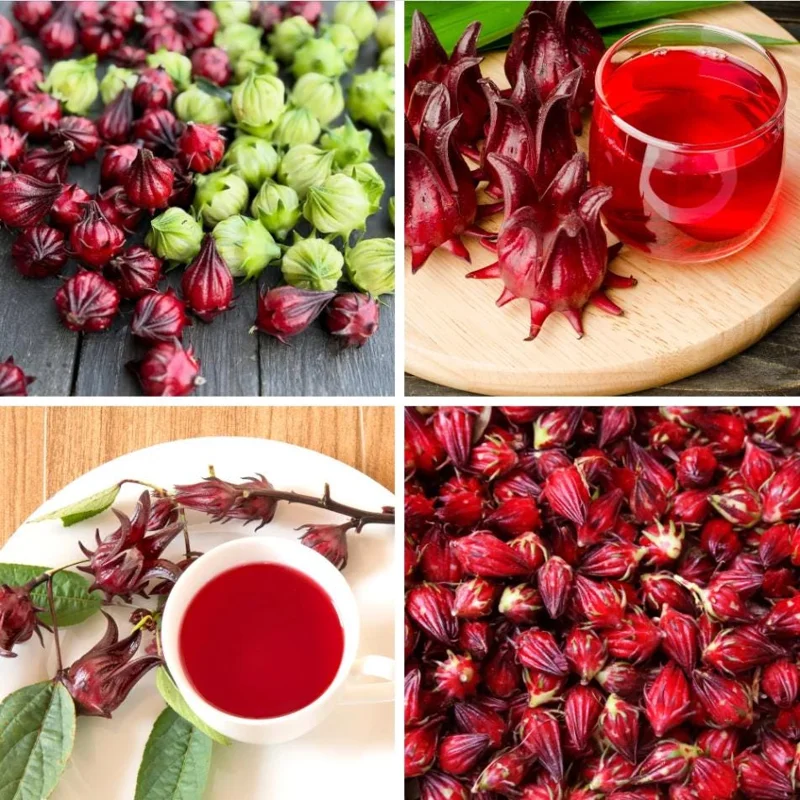
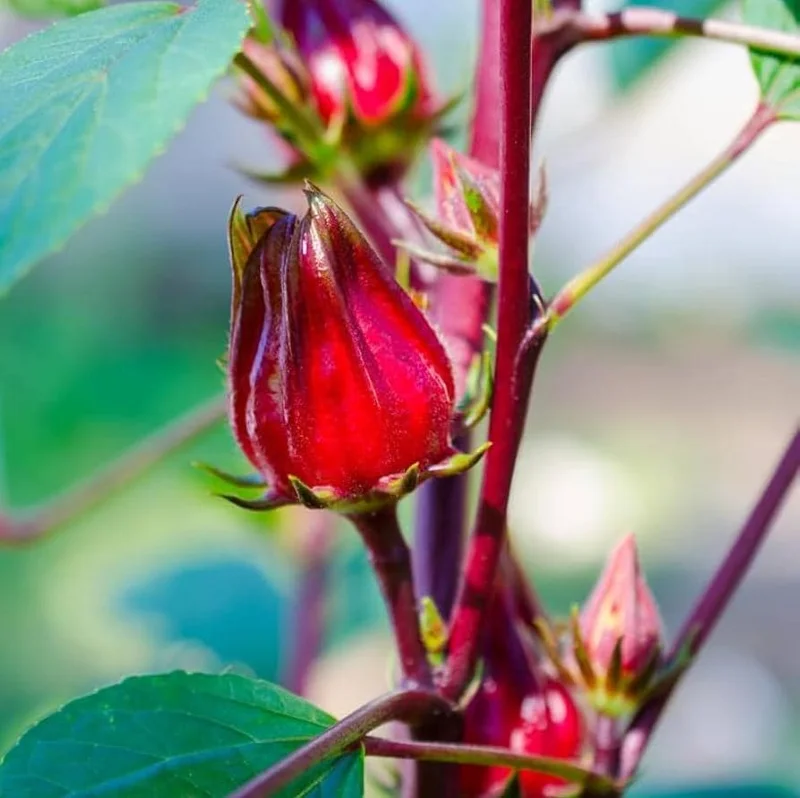
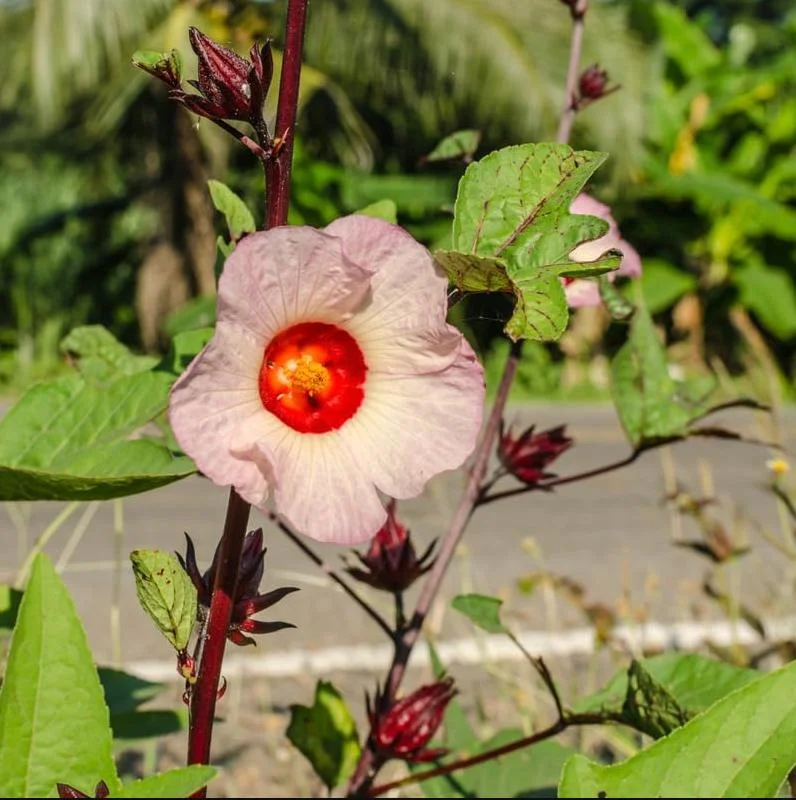
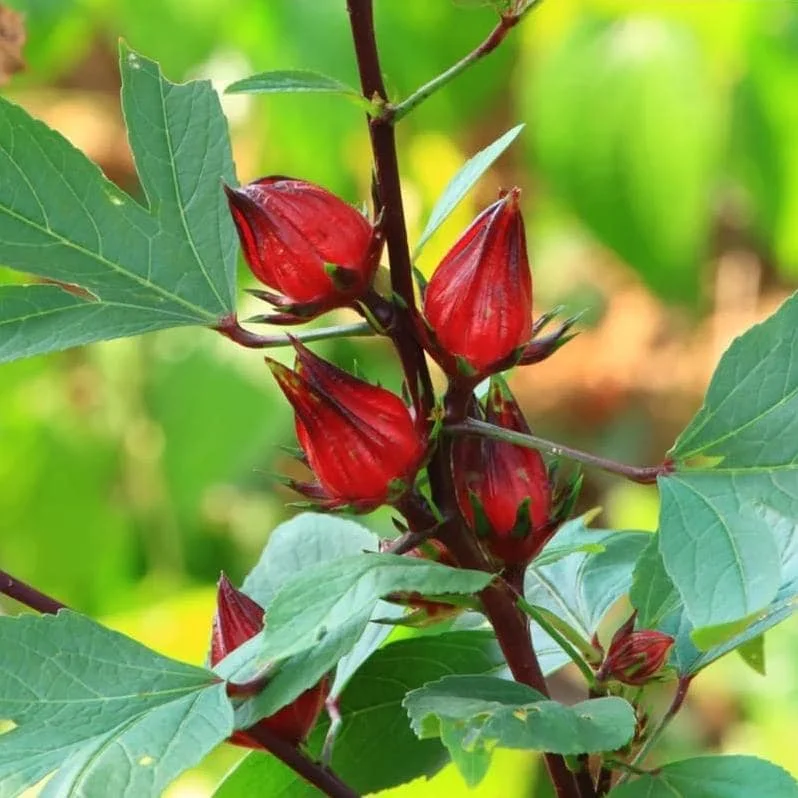
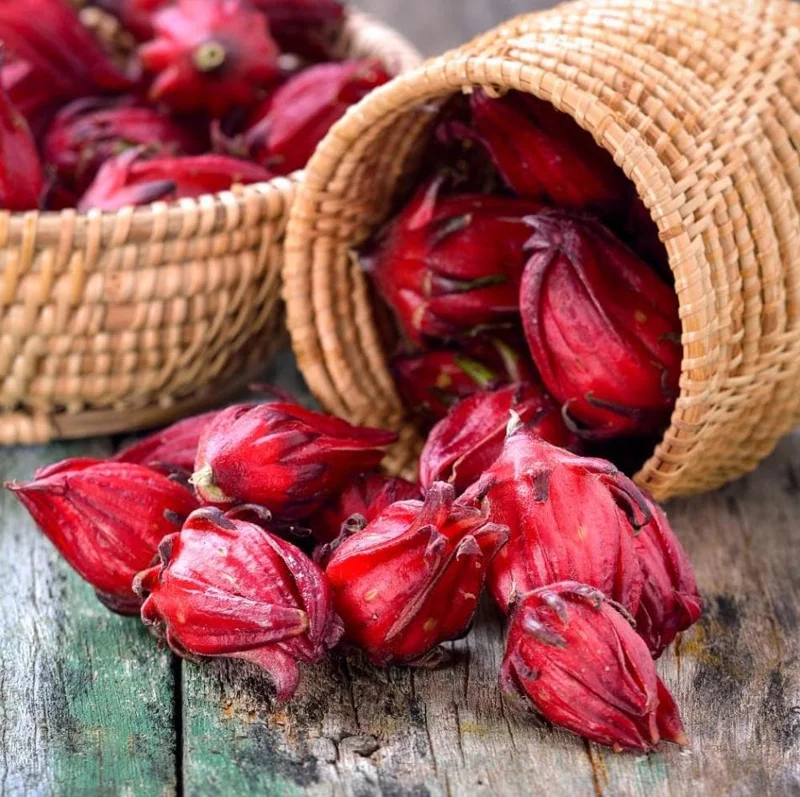
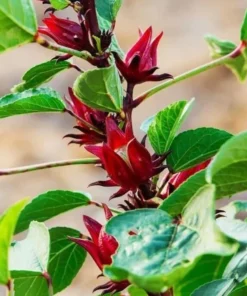
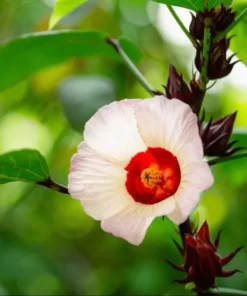
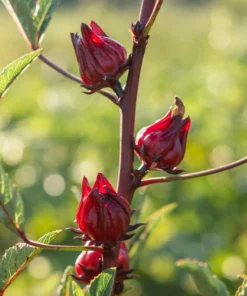
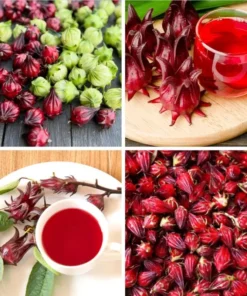
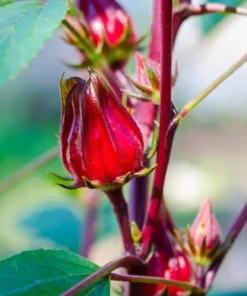
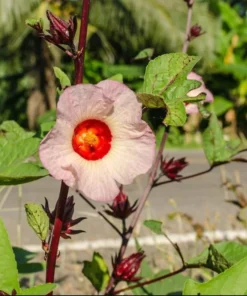
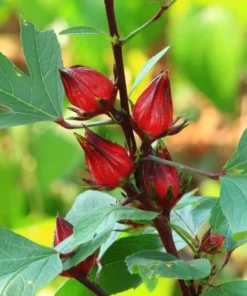
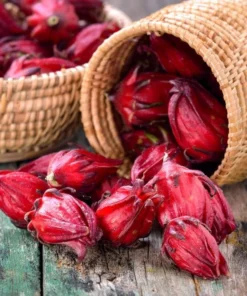
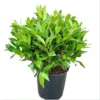
Cultivate your own vibrant roselle hibiscus live plant, also known as Jamaican sorrel plant. These healthy starter plants are 8 to 12 inches tall, supplied with 2 plants per pot, and ready for planting to produce delicious calyces for teas and jams. Perfect for gardeners looking to master how to grow roselle.
Feb 04
Feb 09 - Feb 11
Feb 14 - Feb 18
USDA Hardiness Zone
Soil Type
Sunlight Exposure
Expected Planting Period
Shipping and return policies: Our Alive & Thrive Guarantee covers issues with your plants within the first 30 days. Get in touch with us via email, and our team will review your concerns and, if necessary, provide you with a one-time replacement at no cost.
If you're unsure about your hardiness zone, feel free to reach out to us. Our team will answer your questions and help you find the plants that are truly suitable for your environment, climate, and personal preferences.
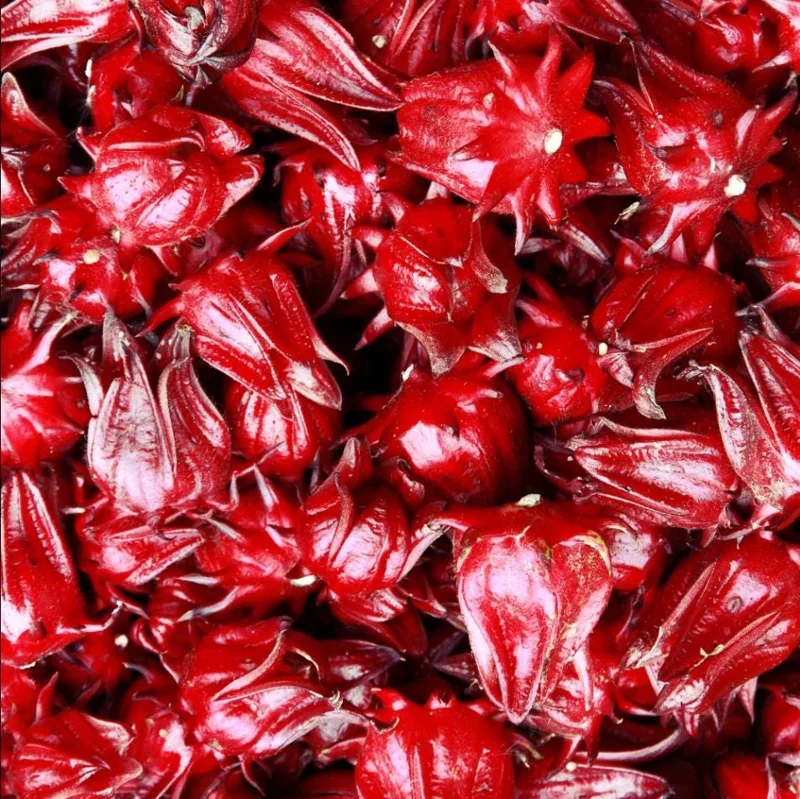
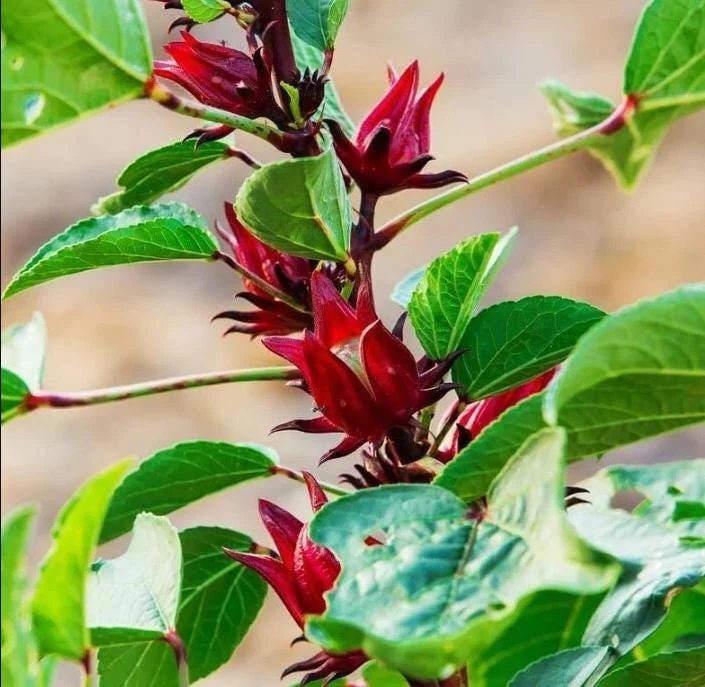
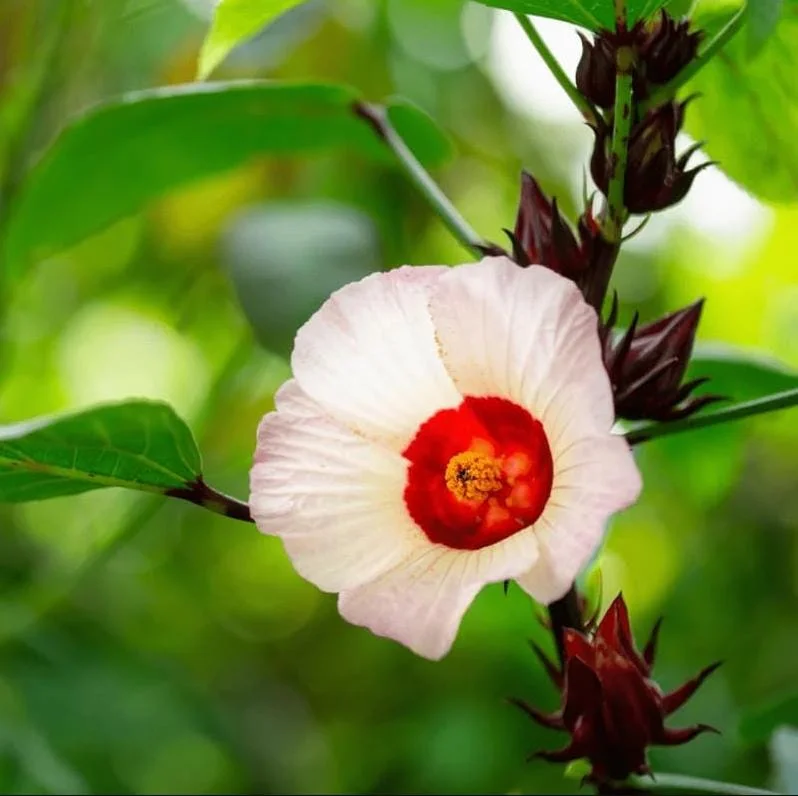
Embark on a rewarding gardening journey with our premium roselle hibiscus live plant. Often cherished for its vibrant red calyces, this plant is widely recognized as Jamaican sorrel plant or Florida Cranberry. Each order provides two robust starter plants, meticulously grown to be 8 to 12 inches tall, nestled together in a nursery pot. These young plants are well-rooted and ready to thrive in your garden, promising a future harvest of tart and flavorful roselle. Ideal for making refreshing beverages, jams, and sauces, roselle (Hibiscus sabdariffa) is a highly versatile and ornamental addition to any edible landscape. Discover the joy of cultivating this unique edible hibiscus and learn how to grow roselle successfully.
Growing your own roselle hibiscus live plant offers a multitude of advantages, from culinary delights to aesthetic appeal. This versatile plant is not only beautiful but also highly productive, providing a continuous supply of its prized calyces. It’s an excellent choice for gardeners interested in self-sufficiency and exploring unique flavors.
Caring for your roselle hibiscus live plant is relatively simple, especially if you provide it with the right conditions from the start. These plants thrive in warm, sunny environments, mimicking their tropical origins. For optimal growth and calyx production, ensure they receive ample sunlight and consistent moisture. Understanding roselle plant care essentials will lead to a bountiful harvest.
The roselle hibiscus live plant flourishes in full sun, requiring at least 6–8 hours of direct sunlight daily. Planting it in a location with abundant light is crucial for maximizing flowering and calyx development. Insufficient light can lead to leggy growth and reduced yields. For best results, choose a south-facing spot in your garden or a very bright window if growing indoors in a large container.
Water your jamaican sorrel plant regularly, keeping the soil consistently moist but never waterlogged. While established plants can tolerate some drought, consistent watering promotes the best growth and calyx formation. The ideal soil for roselle is well-draining, fertile, and slightly acidic to neutral (pH 5.5–7.5). Enriching the soil with compost or other organic matter before planting will provide essential nutrients and improve drainage. Avoid heavy clay soils that retain too much water, which can lead to root rot. Good drainage is key to healthy roselle plant care.
Roselle thrives in warm, tropical to subtropical climates, with an ideal temperature range of 70–90°F (21–32°C). It is highly sensitive to frost, so protect young plants from cold snaps and bring container-grown plants indoors before the first frost. In colder climates, it is often grown as an annual. Fertilize your edible hibiscus plant every 4-6 weeks during the growing season with a balanced, all-purpose fertilizer to support vigorous growth and fruit production. Reduce or stop fertilization as the plant matures and begins to produce calyces.
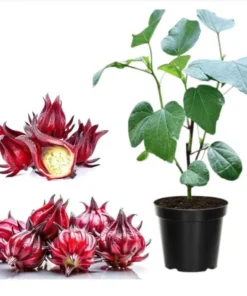
This offering includes two healthy roselle hibiscus live plant starters, each measuring approximately 8 to 12 inches tall from the base of the soil. They are provided together in a single nursery pot, ensuring they are well-rooted and ready for transplanting into your garden or a larger container. Roselle is a fast-growing annual or perennial (in tropical zones) that can reach heights of 5-7 feet (1.5-2.1 meters) and a spread of 3-4 feet (0.9-1.2 meters) when mature. Calyx production typically begins in late summer to fall, roughly 3-4 months after planting, depending on growing conditions. These young plants are ideal for cultivating your own edible hibiscus plant, and with proper roselle plant care, they will quickly establish themselves.
You must be logged in to post a review.
Sold 82 products
Original price was: $47.98.$23.99Current price is: $23.99.
Sold 69 products
Original price was: $45.98.$22.99Current price is: $22.99.
Sold 83 products
Original price was: $45.98.$22.99Current price is: $22.99.
Sold 58 products
Original price was: $35.98.$17.99Current price is: $17.99.
Sold 55 products
Original price was: $87.98.$43.99Current price is: $43.99.
Sold 92 products
Original price was: $39.98.$19.99Current price is: $19.99.
Sold 96 products
Original price was: $55.54.$27.77Current price is: $27.77.
Sold 88 products
Original price was: $39.94.$19.97Current price is: $19.97.

Reviews
There are no reviews yet.