NEED SUPPORT WITH YOUR ORDER? Get in touch
Not satisfied with your purchase?
Enter your Order ID on website, and we'll resolve it right away.

Original price was: $67.99.$39.99Current price is: $39.99.
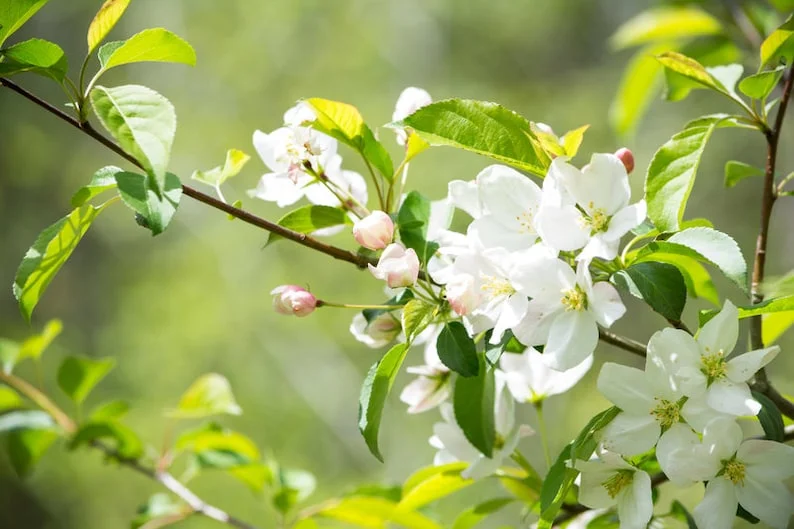
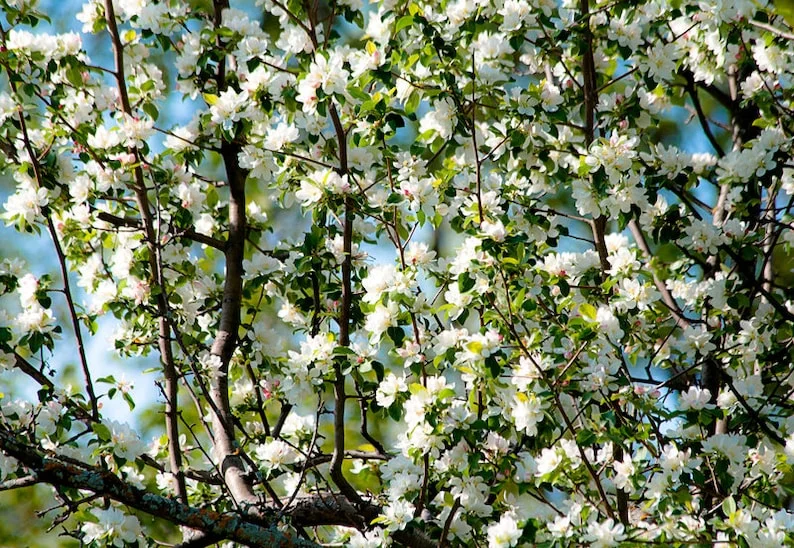
Add year-round beauty to your landscape with the Sargent Crabapple tree. This compact, ornamental crabapple tree features profuse white flower tree blooms in spring and attractive red fruit in fall, providing continuous visual interest. It’s a deciduous crabapple known for its ease of care and wildlife benefits.
Mar 03
Mar 08 - Mar 10
Mar 13 - Mar 17
USDA Hardiness Zone
Soil Type
Sunlight Exposure
Expected Planting Period
No Shipping To
Shipping and return policies: Our Alive & Thrive Guarantee covers issues with your plants within the first 30 days. Get in touch with us via email, and our team will review your concerns and, if necessary, provide you with a one-time replacement at no cost.
If you're unsure about your hardiness zone, feel free to reach out to us. Our team will answer your questions and help you find the plants that are truly suitable for your environment, climate, and personal preferences.
Transform your garden into a vibrant haven with the stunning Sargent Crabapple tree. This exceptional ornamental deciduous tree, scientifically known as Malus sargentii, is cherished for its year-round appeal and manageable size. Originating from Japan, the Sargent Crabapple tree is a densely branched specimen that brings a touch of natural elegance to any landscape. Its profuse white flowers blanket the branches in early spring, creating a breathtaking display that signals the arrival of warmer weather. As the seasons progress, these delicate blossoms give way to attractive, dark red fruit, providing sustained visual interest well into the fall and winter months. Beyond its aesthetic qualities, this compact tree is also highly valued for its disease resistance and its ability to attract and support local wildlife, making it a practical and beautiful choice for both novice and experienced gardeners seeking an ornamental crabapple tree.
The Sargent Crabapple tree is a versatile addition, perfect for creating a focal point in smaller gardens, urban landscapes, or as part of a mixed planting. Its deep green foliage provides a lush backdrop to the fragrant, 1-inch white flowers that typically bloom from early April to early May. Even in years with lighter flowering, its consistent visual appeal ensures your garden remains captivating. This tree not only beautifies your space but also provides excellent browse and cover value for birds and other wildlife, enriching the biodiversity of your yard. It’s a truly low-maintenance, high-impact plant for those looking for a resilient and attractive deciduous crabapple.
The Sargent Crabapple tree offers a multitude of advantages, making it an excellent investment for your landscape. Its combination of beauty, resilience, and ecological benefits ensures long-lasting enjoyment and value.
Caring for your Sargent Crabapple tree is straightforward, ensuring a healthy and flourishing addition to your garden. This resilient ornamental crabapple tree thrives with proper placement and minimal ongoing maintenance. For optimal growth and the most abundant flowering displays, plant your Sargent Crabapple tree in a location that receives full sun, meaning at least six hours of direct sunlight per day. It is adaptable to a range of soil conditions but prefers well-draining soil. Avoid heavy, waterlogged soils which can lead to root issues. Incorporating organic matter at planting can improve soil structure and fertility.
Watering is crucial, especially during the tree’s establishment period in the first year. Water deeply and regularly, ensuring the soil remains consistently moist but not waterlogged. Once established, the Sargent Crabapple tree is relatively drought-tolerant but will benefit from supplemental watering during prolonged dry spells. Fertilize in early spring with a balanced, slow-release fertilizer formulated for trees and shrubs. Pruning should be done in late winter or early spring while the tree is dormant. Focus on removing dead, damaged, or crossing branches to maintain a strong structure and good air circulation. This helps prevent diseases and promotes healthy growth for your deciduous crabapple.
The Sargent Crabapple tree is known for being a disease resistant crabapple, showing good resistance to common issues like apple scab, powdery mildew, and cedar-apple rust. However, regular inspection for any signs of pests or diseases is always recommended. Address any issues promptly with appropriate organic or chemical treatments if necessary. This low-maintenance white flower tree is a durable and beautiful choice for most landscapes, requiring minimal intervention once established.
The Sargent Crabapple tree is a compact and versatile ornamental tree, typically reaching a mature height of approximately 8 feet with a spread of about 10 feet. This manageable size makes it an excellent choice for smaller gardens, urban landscapes, or as a specimen plant. It is a deciduous tree, meaning it will shed its leaves in the fall, revealing an attractive winter silhouette. The fragrant 1-inch white flowers bloom profusely from early April to early May, followed by small, dark red fruit that persists into winter, offering seasonal interest. These trees are field grown and will arrive ready for planting. Easy growing instructions are included to ensure a smooth transition and successful establishment in your garden. Expect a moderate growth rate, allowing the tree to establish well within a few seasons.
You must be logged in to post a review.
Sold 68 products
Original price was: $259.78.$129.89Current price is: $129.89.
Sold 77 products
Original price was: $257.98.$128.99Current price is: $128.99.
Sold 61 products
Original price was: $55.98.$27.99Current price is: $27.99.
Sold 78 products
Original price was: $299.94.$149.97Current price is: $149.97.
Sold 81 products
Original price was: $99.98.$49.99Current price is: $49.99.
Sold 73 products
Original price was: $371.98.$185.99Current price is: $185.99.
Sold 63 products
Original price was: $259.96.$129.98Current price is: $129.98.
Sold 61 products
Original price was: $259.98.$129.99Current price is: $129.99.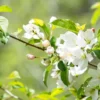
Reviews
There are no reviews yet.