NEED SUPPORT WITH YOUR ORDER? Get in touch
Not satisfied with your purchase?
Enter your Order ID on website, and we'll resolve it right away.

Original price was: $28.99.$22.99Current price is: $22.99.
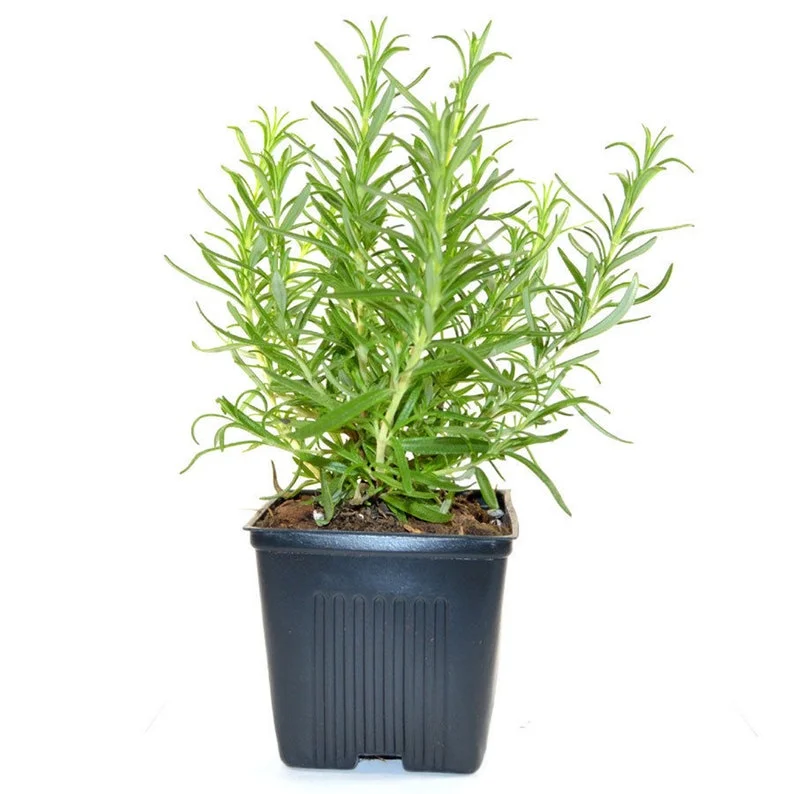
Add aromatic beauty to your garden or kitchen with this fragrant rosemary live plant (Salvia Rosmarinus). Standing 8-10 inches tall in a 4-inch pot, this versatile herb offers both culinary and ornamental benefits. Perfect for containers, herb gardens, or landscaping in USDA Zones 8-11, it brings fresh flavor and delightful aroma to your home.
Mar 03
Mar 08 - Mar 10
Mar 13 - Mar 17
USDA Hardiness Zone
Soil Type
Sunlight Exposure
Expected Planting Period
Shipping and return policies: Our Alive & Thrive Guarantee covers issues with your plants within the first 30 days. Get in touch with us via email, and our team will review your concerns and, if necessary, provide you with a one-time replacement at no cost.
If you're unsure about your hardiness zone, feel free to reach out to us. Our team will answer your questions and help you find the plants that are truly suitable for your environment, climate, and personal preferences.
Experience the delightful fragrance and culinary versatility of a rosemary live plant. This thriving Salvia Rosmarinus specimen arrives ready to enhance your garden, kitchen, or patio with its distinctive needle-like foliage and aromatic presence. Known for its robust flavor and beautiful blue flowers, rosemary is a beloved herb that adds a touch of Mediterranean charm to any setting. Whether you’re an experienced gardener or just starting, this rosemary herb plant is a fantastic choice for its ease of care and abundant uses.
Originating from the Mediterranean region, rosemary is celebrated for its evergreen leaves and woody stems, which release a delightful aroma when brushed or crushed. This particular rosemary live plant is cultivated for optimal health and vigor, ensuring you receive a strong, established specimen. It’s an excellent choice for those looking to grow fresh herbs for cooking, create fragrant garden borders, or simply enjoy the aesthetic appeal of its upright growth and charming blooms.
Beyond its captivating aroma, growing a rosemary live plant offers a multitude of advantages for both your garden and your lifestyle. Its practical and aesthetic qualities make it a highly desirable addition.
Caring for your rosemary live plant is straightforward, ensuring a healthy and productive herb for years to come. Rosemary thrives in conditions that mimic its Mediterranean origins, primarily requiring plenty of sun and well-draining soil.
For optimal growth and the most intense aroma from its leaves, rosemary live plant prefers full sun exposure, needing at least 6 hours of direct sunlight daily. In warmer climates (USDA Zones 8-11), it can be planted directly in the ground, where it will develop into a robust shrub. In colder zones, it can be grown as an annual or brought indoors during winter. Ensure good air circulation around the plant to prevent fungal issues. When planting, choose a location with excellent drainage, as rosemary does not tolerate soggy roots. A slightly sandy or rocky soil mix is ideal.
Water your rosemary herb plant thoroughly when the top inch of soil feels dry to the touch, typically 3-4 times per week depending on your climate, pot size, and humidity. During hot, dry spells, it may require more frequent watering. Conversely, reduce watering in cooler, dormant periods. Rosemary is fairly drought-tolerant once established but performs best with consistent moisture. Fertilization is generally not heavily required; a light application of balanced liquid fertilizer in spring can encourage new growth, but avoid over-fertilizing, which can dilute its aromatic oils. Pruning can be done to maintain shape, encourage bushier growth, or harvest sprigs for culinary use. Regular light pruning is best, avoiding removal of more than one-third of the plant at a time.
This rosemary live plant arrives as a vibrant specimen, measuring approximately 8-10 inches in height, housed in a 4-inch nursery pot. This size is ideal for immediate placement in a larger container, a kitchen herb garden, or directly into your landscape. With proper care and favorable conditions, rosemary can grow significantly larger, forming a small shrub up to 2-4 feet tall and wide, though this specific rosemary herb plant is compact enough for initial growth. It is a moderately fast grower, quickly establishing itself to provide continuous harvests of its flavorful foliage. Expect this plant to flower approximately every two years, producing beautiful blue blooms that add to its ornamental value.
You must be logged in to post a review.
Sold 97 products
Original price was: $45.96.$22.98Current price is: $22.98.
Sold 84 products
Original price was: $43.98.$21.99Current price is: $21.99.
Sold 61 products
Original price was: $53.98.$26.99Current price is: $26.99.
Sold 91 products
Original price was: $59.98.$29.99Current price is: $29.99.
Sold 56 products
Original price was: $31.98.$15.99Current price is: $15.99.
Sold 93 products
Original price was: $13.70.$6.85Current price is: $6.85.
Sold 65 products
Original price was: $45.98.$22.99Current price is: $22.99.
Sold 92 products
Original price was: $65.98.$32.99Current price is: $32.99.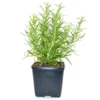
Reviews
There are no reviews yet.